Complete Guide to Kawagoe-yakata Ruins (Saitama Prefecture) | History, Highlights, and Access Explained in Detail
The Kawagoe-yakata Ruins are the remains of a medieval samurai residence located in Kamito, Kawagoe City, Saitama Prefecture. As the base of the Kawagoe clan, which boasted considerable power in Musashi Province from the Heian period to the Nanboku-cho period, it played a significant role in Japanese medieval history. It was designated a National Historic Site on December 6, 1984, and is now maintained as the Kawagoe-yakata Ruins Historic Park, open to the public.
This article comprehensively explains everything you need to know before visiting, from the historical background of the Kawagoe-yakata Ruins and the details of the remains revealed by archaeological excavations, to the highlights of the historic park and access methods.
What are the Kawagoe-yakata Ruins? | Basic Information and Overview
The Kawagoe-yakata Ruins are the remains of a medieval residence located on a flat area adjacent to the left bank (west bank) of the Iruma River in the northwestern part of Kawagoe City, Saitama Prefecture. It occupied an area of approximately two cho (218 meters) square and was also known by other names such as Kujirai Castle, Kamito Castle, Kawagoe Castle, and Kamito Jinsho.
Location: 192-5 Kamito, Kawagoe City, Saitama Prefecture (Historical Site Park), 196-1, etc. (Entire Site)
Type: Castle (Medieval Residence Site)
Period: Late Heian Period to Nanboku-cho Period
Designation: National Historic Site (Designated December 6, 1984)
Area: Approximately 4.8 hectares
Currently, the southeastern part of the site is within the grounds of Joraku-ji Temple, and in the area developed as a historical site park, parts of the earthworks and moat remains are preserved in good condition.
The History and Power of the Kawagoe Clan in Musashi Province
The Origins and Development of the Kawagoe Clan
The Kawagoe clan was a branch of the Chichibu clan, which descended from the Kanmu Taira clan, and was a samurai group based in Kawagoe-go, Iruma-gun, Musashi Province (present-day Kawagoe City area). From the late Heian period to the Kamakura period, they held a particularly influential position among the Kanto samurai.
Kawagoe Taro Shigetaka, considered the ancestor of the Kawagoe clan, was a warrior active in the late Heian period, and the Kawagoe clan’s power reached its peak during the time of his son, Kawagoe Shigeyori. Shigeyori’s daughter became the principal wife (Gozen) of Minamoto no Yoshitsune, and during the Genpei War, the Kawagoe clan acted as a powerful supporter of the Minamoto clan. This shows that the Kawagoe clan played an important role in the medieval samurai government.
The Kawagoe Clan in the Kamakura Period
After the establishment of the Kamakura Shogunate, the Kawagoe clan participated in the central government as gokenin (vassals). In particular, Kawagoe Shigetoki deepened his relationship with the Hojo clan and held important positions in the shogunate. It is believed that Kawagoe Castle functioned as the political and military base of the Kawagoe clan during this period.
The Nanboku-cho Period and the Decline of the Kawagoe Clan
During the Nanboku-cho period, the Kawagoe clan sided with Ashikaga Takauji (the Northern Court), but their power gradually declined. By the late 14th century, the name of the Kawagoe clan disappeared from historical records, and it is presumed that Kawagoe Castle was abandoned.
Details of the Remains Revealed by Archaeological Excavations
Multiple archaeological excavations have been conducted at the Kawagoe Castle site, gradually revealing the actual state of the medieval samurai residence.
Structure of the Moat Remains
The moat remains confirmed by the excavations were arranged to surround the castle. The moat is estimated to be approximately 8-10 meters wide and 2-3 meters deep, indicating that it functioned as a defensive structure. Numerous medieval artifacts, including unglazed earthenware (kawarake), have been unearthed from the moat remains, confirming its long-term use from the 12th to the 14th centuries.
Remaining Earthworks
The earthworks, which still partially remain, were built inside the moat and are approximately 2-3 meters high. This defensive system, combining earthworks and a moat, is a typical structure of medieval samurai residences, and the Kawagoe Manor site is considered a good example.
Well Sites and Living Remains
The excavation has also identified several well sites. These well sites were important facilities supporting daily life within the manor, and artifacts such as daily necessities and tableware have been unearthed from the surrounding areas. The arrangement of the well sites provides clues to estimating the building layout and living space structure within the manor.
Main Excavated Artifacts
The following artifacts have been excavated from the Kawagoe Manor Site:
- Kawawake: Unglazed earthenware widely used as everyday tableware in the medieval period.
- Porcelain: High-quality items such as celadon and white porcelain from China, serving as evidence of trade.
- Iron Products: Weapons and armor such as sword fragments and iron arrowheads.
- Wooden Products: Building materials, daily necessities, etc. (Only a few in good condition).
- Coins: Currency, mainly Chinese coins.
These artifacts demonstrate the economic power and high cultural level of the Kawagoe clan, and are valuable resources for understanding the daily life of samurai at that time.
Highlights of the Kawagoe Manor Site Historical Park
Opened in the spring of 2010 (Heisei 22), the Kawagoe Manor Site Historical Park is a facility that balances the preservation and utilization of the ruins.
Restored Earthworks and Moats
Within the historical park, parts of the earthworks and moats have been restored based on the results of archaeological excavations. Visitors can actually walk on the earthworks, experiencing the scale and structure of a medieval samurai residence. The remains of the moats are also clearly visible, making this a valuable point of interest for understanding the defensive system of the time.
Relationship with Joraku-ji Temple
Joraku-ji Temple, occupying the southeastern part of the historical site, is a temple with deep ties to the Kawagoe clan. The temple grounds contain historical sites and cultural properties related to the Kawagoe clan, and visiting them together allows for a deeper understanding of the historical background of the Kawagoe residence site.
Information Boards and Guide Facilities
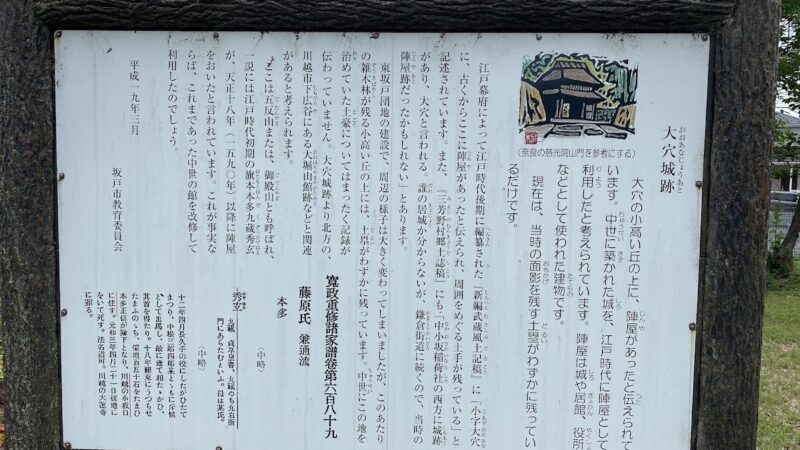
In the park, information boards explaining the history of the Kawagoe clan and an overview of the ruins are installed. Layout diagrams of the remains revealed by archaeological excavations and photographs of excavated artifacts are also on display, making it easy for first-time visitors to understand the value of the ruins.
Seasonal Scenery
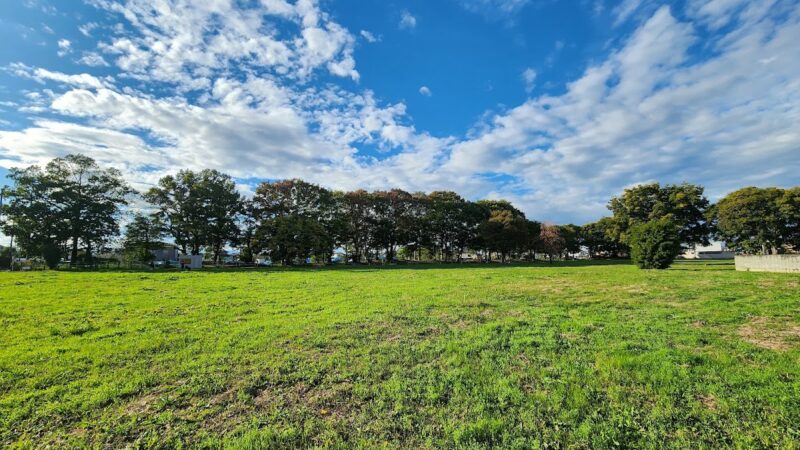
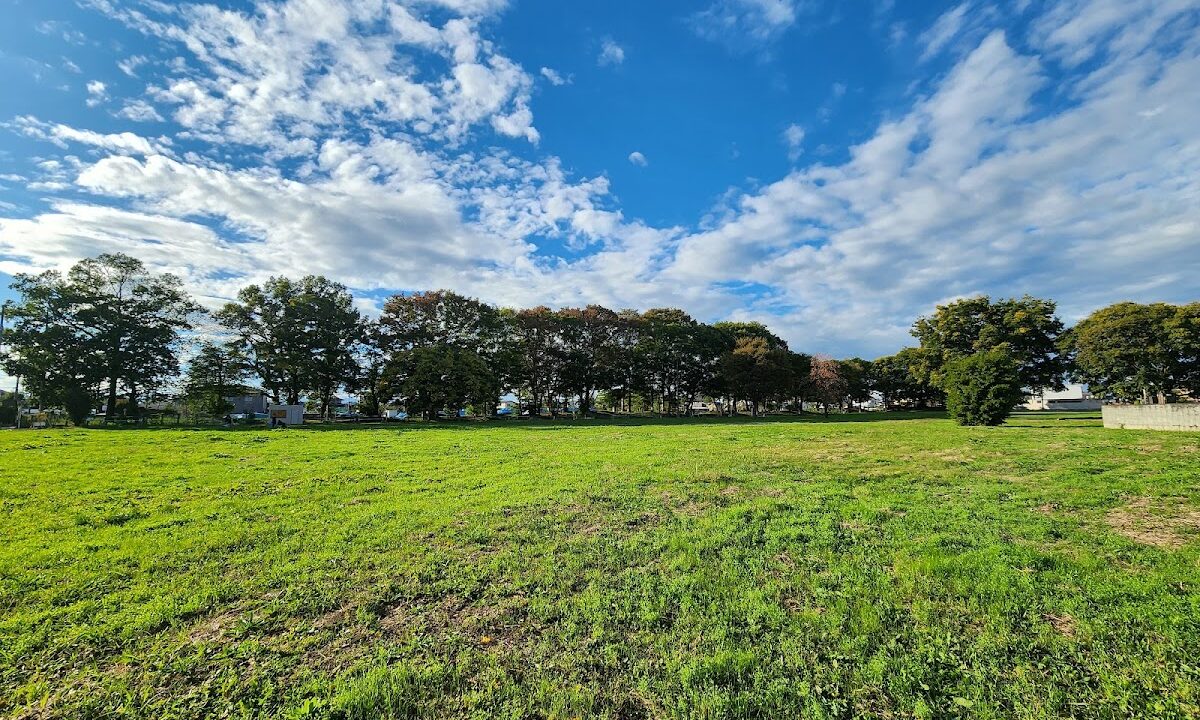
The historical park is located in a rich natural environment, allowing visitors to enjoy the scenery of each season, such as cherry blossoms in spring and autumn leaves in fall. One of the attractions of Kawagoe-kan Ruins Historical Park is that you can enjoy both historical walks and nature viewing at the same time.
Opening Hours and Closing Days
The opening hours of Kawagoe-kan Ruins Historical Park vary depending on the season.
April 1st – September 30th: 9:00 – 18:00
October 1st – March 31st: 9:00 – 17:00
Closing Days: December 29th – January 3rd
Admission is free, and anyone can freely visit.
Access and Parking Information
Access by Public Transportation
By Train:
- Approximately 15-16 minutes on foot from Kasumigaseki Station (Saitama Prefecture) on the Tobu Tojo Line
- Exit from the south exit of the station and head towards the Irumagawa River.
By Bus:
- It is also possible to take a local bus from Kawagoe Station or Hon-Kawagoe Station, but the number of buses is limited, so it is recommended to check the timetable in advance.
Access by Car
By Expressway:
- Approximately 30 minutes from Kawagoe IC on the Kan-Etsu Expressway
- Approximately 30 minutes from Kawashima IC on the Ken-O Expressway
Parking:
- Free parking available (approximately 50 spaces)
- Parking for large vehicles is possible, but it is recommended to contact the Kawagoe City Board of Education in advance.
Address (for car navigation):
192-5 Kamito, Kawagoe City, Saitama Prefecture 350-0816
Nearby Tourist Attractions
When visiting the Kawagoe-kan Ruins, we recommend also visiting the surrounding historical sites.
Kawagoe Castle Honmaru Palace
This is a surviving structure of Kawagoe Castle from the Edo period, and the only remaining Honmaru Palace in the Kanto region. It is approximately a 15-minute drive from the Kawagoe-kan Ruins.
Kita-in Temple
This is a representative ancient temple of Kawagoe, and it retains valuable early Edo period architecture, such as the room where Tokugawa Iemitsu was born and the room where Kasuga no Tsubone applied her makeup.
Kawagoe’s Traditional Storehouse District
Kawagoe’s central urban area, known as “Little Edo,” is lined with storehouse-style buildings that retain the atmosphere of the Edo period, and has been designated as an Important Preservation District for Groups of Traditional Buildings.
Iruma River Riverbed
The riverbed of the Iruma River, which flows very close to the Kawagoe-kan Ruins, is suitable for walking and cycling, allowing you to enjoy nature while exploring history.
Historical Value and Cultural Significance of the Kawagoe Manor Site
The reasons why the Kawagoe Manor Site is highly valued as a nationally designated historic site are as follows:
A Typical Example of a Medieval Samurai Residence
The Kawagoe Manor Site is a valuable archaeological site that preserves the structure and scale of a medieval samurai residence from the late Heian period to the Nanboku-cho period. The defensive system, combining earthworks and moats, represents a typical form of samurai residences from this period and occupies an important position in the study of Japanese castle history.
Historical Importance of the Kawagoe Clan
The Kawagoe clan was a powerful samurai group in Musashi Province from the Genpei War through the Kamakura Shogunate and the Nanboku-cho period. In particular, their marital relationship with Minamoto no Yoshitsune is an important historical fact demonstrating the Kawagoe clan’s close ties to the central government. As a base of operations for the Kawagoe clan, the Kawagoe Manor Site is an indispensable site for understanding Japanese medieval history.
Academic Results from Archaeological Excavations
Previous archaeological excavations have confirmed the existence of remains such as moats, earthworks, and wells, and the excavated artifacts have revealed the site’s usage over a long period from the 12th to the 14th centuries. These findings have high academic value in elucidating the lifestyles of medieval samurai and the structure of their residences.
Local Historical Education Resources
The Kawagoe-kan Ruins Historical Park is also used as a site for local historical education. It is popular with many people, including elementary and junior high school students in Kawagoe City on social studies field trips and history enthusiasts as a research subject. It is attracting national attention as a good example of balancing the preservation and utilization of a historical site.
Points to Note and Manners When Visiting
Please note the following points when visiting the Kawagoe-kan Ruins Historical Park.
Cooperation in Protecting the Site
- Earthworks and moat remains are valuable cultural assets. Please use only designated areas when climbing.
- Damaging the ruins (excavation, taking stones, etc.) is strictly prohibited.
- Please take all your trash with you.
Safety Precautions
- The area around the moat has uneven ground. Please wear comfortable shoes.
- Be especially careful during and after rain, as the ground can become slippery.
- If you are accompanied by small children, please ensure that a guardian keeps a close eye on them.
Photography
- You are free to take photographs for personal records.
- For commercial photography or drone use, prior permission from the Kawagoe City Board of Education is required.
Visiting the Joraku-ji Temple Grounds
- Joraku-ji Temple is an active temple. Please observe proper etiquette as a visitor when visiting the grounds.
- If a religious service is being held, please observe quietly or visit at a different time.
Research and Future Prospects of the Kawagoe-kan Site
Research on the Kawagoe-kan Site is ongoing.
Excavation of Unexplored Areas
Within the designated historical site, there are still areas where full-scale excavation has not yet been conducted. Future investigations are expected to reveal more details about the overall structure and building layout of the mansion.
Detailed Analysis of Excavated Artifacts
Detailed analysis of artifacts excavated to date is shedding light on the Kawagoe clan’s trading network, cultural background, and daily life. Analysis of Chinese ceramics, in particular, suggests that the Kawagoe clan participated in a wide-area trading network.
Utilization of Digital Technology
In recent years, the preservation of archaeological sites has been advanced using digital technologies such as 3D scanning and drone surveying. This is expected to enable virtual reconstruction experiences of the mansion using VR and AR in the future.
Development and Expansion of the Historical Site Park
Kawagoe City is planning further development and expansion of the Kawagoe Mansion Site Historical Park. Improvements to explanatory facilities and the establishment of exhibition spaces for excavation results are being considered, with efforts underway to convey the value of the site to more visitors.
Summary: The Significance of Visiting the Kawagoe-kan Site
The Kawagoe-kan Site (Kawagoe City, Saitama Prefecture) is a nationally designated historic site that holds a significant place in Japanese medieval history as the residence of the Kawagoe clan, one of the most powerful clans in Musashi Province from the late Heian period to the Nanboku-cho period.
This site, measuring approximately 218 meters square, has yielded numerous artifacts, including moat remains, earthworks, and well remains, as well as earthenware. These findings provide valuable academic resources for understanding the structure and lifestyle of medieval samurai residences.
Currently, the site, developed as the Kawagoe-kan Historical Park, is open to the public free of charge, allowing visitors to see the reconstructed earthworks and moats. It is easily accessible, approximately a 15-minute walk from Kasumigaseki Station on the Tobu Tojo Line and about a 30-minute drive from the Kawagoe Interchange on the Kan-Etsu Expressway. Free parking is also available.
When you visit Kawagoe City, be sure to visit the Kawagoe-kan Ruins, which tell the story of medieval Japan, in addition to the Edo-period historical sites such as the traditional storehouse district and the Kawagoe Castle main palace. Standing atop the earthen ramparts and gazing out at the Iruma River, you’ll surely have an unforgettable experience reflecting on the history of the Kawagoe clan who once flourished in this area.
For history buffs, families, and students alike, the Kawagoe-kan Ruins offer a valuable learning opportunity to experience Japanese medieval history firsthand, providing many discoveries and inspiring moments.