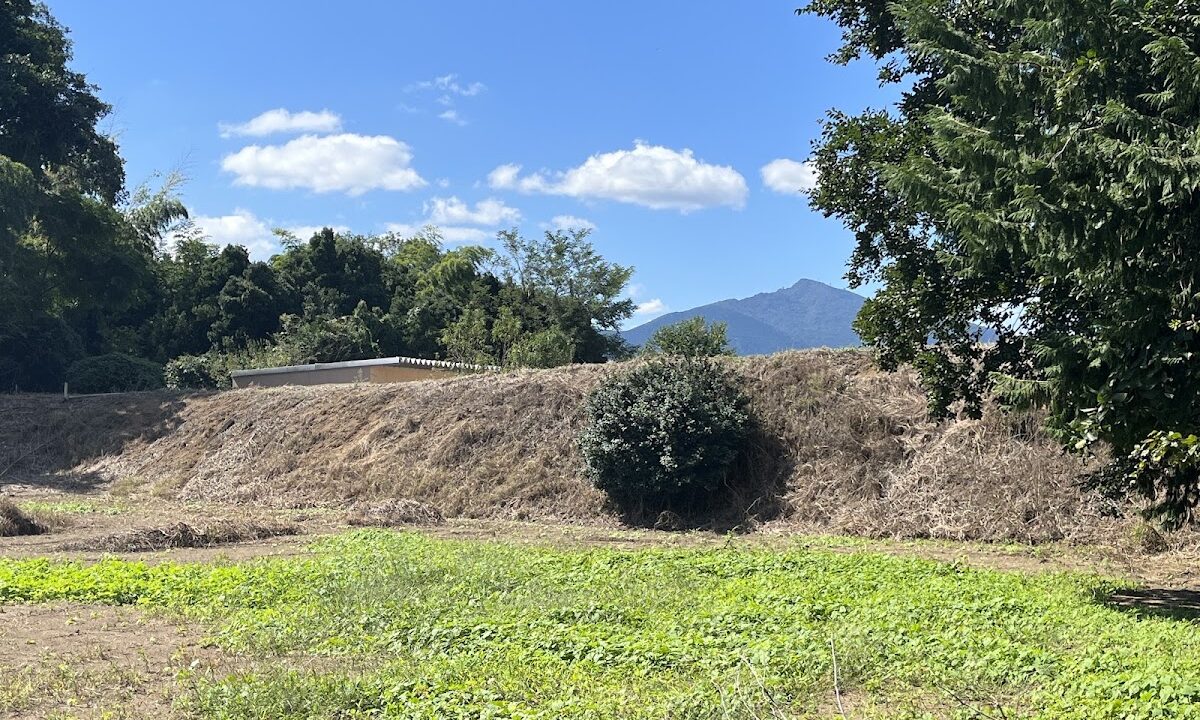
Kakioka Castle (Ibaraki Prefecture) Complete Guide | History, Remains, Access, and Highlights Explained in Detail
Located in Kakioka, Ishioka City, Ibaraki Prefecture, Kakioka Castle was a flatland castle that functioned as a strategic point in Hitachi Province from the Kamakura period to the Edo period. Although the site is now occupied by Kakioka Elementary School and Kakioka Community Center, remains such as earthworks and dry moats remain, giving a glimpse of its former glory. This article provides a detailed explanation of Kakioka Castle’s history, structure, highlights, and access methods.
Basic Information on Kakioka Castle
Location: 2159-2 Kakioka, Ishioka City, Ibaraki Prefecture (around Kakioka Elementary School)
Former Province: Niihari District, Hitachi Province
Classification/Structure: Flatland Castle
Builder: Kakioka Tokiie (son of Hatta Tokiie)
Year of Construction: Kenkyu 3 (1192)
Main Lords: Kakioka clan, Kajiwara clan, Makabe clan, Nagakura clan, Kokubu clan, Tachibana clan, Inaba clan
Remains: Enclosures, earthworks, dry moats
Designated Cultural Property: Ishioka City Historic Site (Kakioka Castle Ruins)
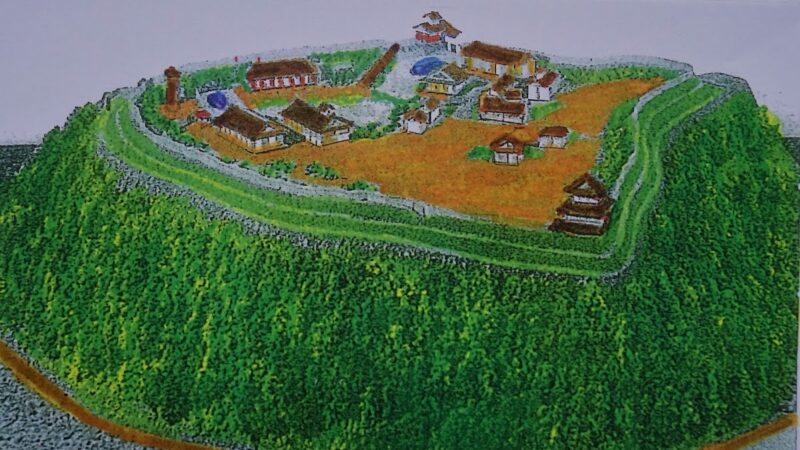
Kakioka Castle was built utilizing the river terrace cliff between the Koise River and the Ogura River, and is characterized by its defensive structure that skillfully utilizes the natural terrain. The area where Kakioka Elementary School currently stands is the site of the castle, and the slightly elevated terrain indicates the location of the castle at that time.
History of Kakioka Castle
Kamakura Period: Construction and Governance by the Kakioka Clan
The history of Kakioka Castle begins in 1192 (Kenkyu 3), when Tokiie, the son of Hatta Tomoie, who served as the governor of Hitachi Province, built the castle. Hatta Tomoie is known as a powerful retainer of Minamoto no Yoritomo and appeared in the NHK Taiga drama “The 13 Lords of Kamakura.” His son, Tokiie, made Kakioka his base and adopted the name Kakioka.
The Kakioka clan ruled this area for approximately 300 years, maintaining their power as a powerful local lord in Hitachi Province. From the Kamakura period to the Muromachi period, Kakioka Castle continued to function as a base for regional control.
Sengoku Period: The Influence of Kajiwara Masakage and Ota Sanrakusai
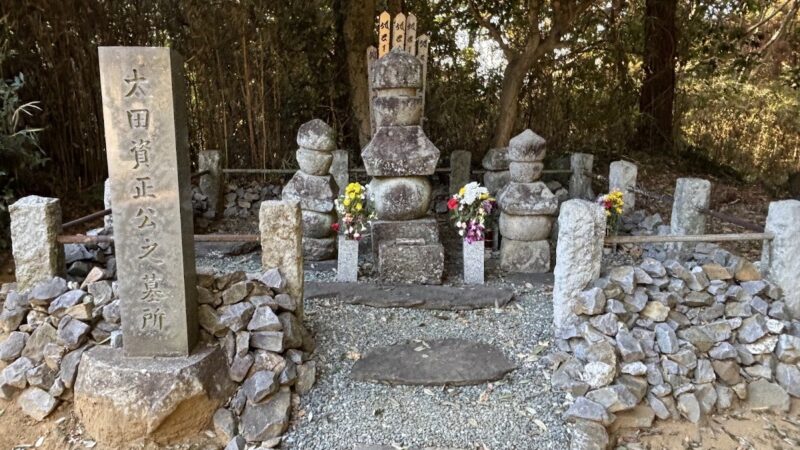
Towards the end of the Sengoku period, the lord of Kakioka Castle changed hands several times. There was a period when Kajiwara Masakage, son of Ota Sanrakusai Sukemasa, was the lord. Ota Sanrakusai is known as a warlord who opposed the Hojo clan, and his son, Masakage, also used Kakioka Castle as his base during the turmoil of the Sengoku period.
However, when Masakage moved to Oda Castle, Makabe Fusamoto entered Kakioka Castle. The Makabe clan was a powerful warlord in Hitachi Province, indicating that Kakioka Castle was influenced by the power struggles between Sengoku daimyo during this period.
Edo Period: The Establishment of the Kakioka Domain and its Successive Lords
In the Edo period, Kakioka Castle became the residence of the Kakioka Domain. The Kakioka Domain was a small domain located in Kakioka, Niihari District, Hitachi Province, and it saw several successive lords.
Of particular note is the fact that Inaba Masakatsu, the son of Kasuga no Tsubone, served as the castle lord. Kasuga no Tsubone is known as the wet nurse of Tokugawa Iemitsu, and the fact that her son, Masakatsu, became the lord of Kakioka Domain indicates that Kakioka Castle held a certain degree of importance in its relationship with the shogunate.
Subsequently, several daimyo families, including the Nagakura, Kokubu, and Tachibana clans, ruled Kakioka Domain. Although the domain’s rice yield was relatively small, it continued to function as an administrative center in Hitachi Province.
After the Meiji Restoration, the Kakioka Domain was abolished due to the abolition of the feudal domains and the establishment of prefectures, and Kakioka Castle ceased to function as a fortress. Currently, it is used as an educational facility, but some of the remains are preserved, conveying the history of the region.
Structure and Layout of Kakioka Castle
Defensive Structure Utilizing the Topography
Kakioka Castle was built on a river terrace cliff between two rivers, the Koise River and the Ogura River. This location functioned as a natural stronghold, making enemy intrusion difficult. By utilizing the elevation differences of the terraces, effective defense was possible even with a small number of personnel.
Despite being a flatland castle, its layout, which skillfully utilizes the undulations of the terrain, clearly demonstrates the characteristics of castle architecture from the Sengoku period to the early Edo period.
Arrangement of Enclosures
The current site of Kakioka Elementary School is thought to be the main enclosure (honmaru). Multiple enclosures were arranged around it, forming a tiered defensive line. The enclosures were separated by earthworks and dry moats, creating a structure that hindered enemy advances.
Earthworks and Dry Moats
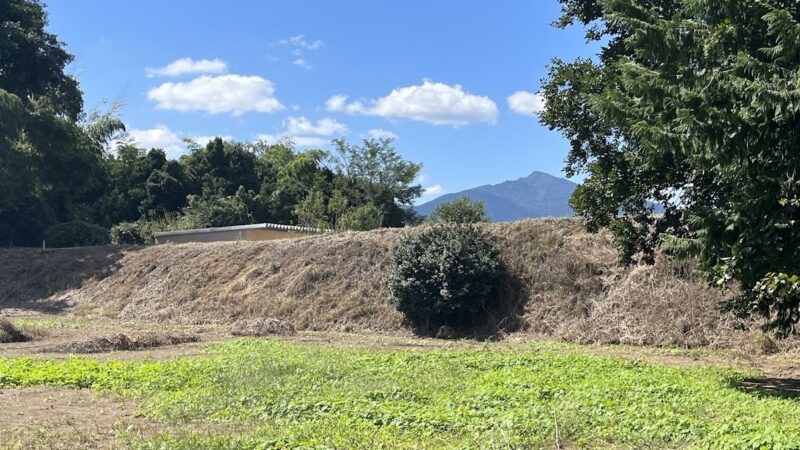
The earthworks and dry moats (horizontal moats) are the remnants of Kakioka Castle that can still be seen today. The earthworks prevented enemy intrusion and also served to maintain visibility from within the castle. Dry moats are moats that do not hold water and are a common defensive structure found in flatland castles in the Kanto region.
Careful observation of the area around Kakioka Elementary School allows us to imagine the layout of the castle in its heyday from the faint traces of earthworks and the undulations of the terrain.
Highlights of Kakioka Castle
Remains within the Kakioka Elementary School Grounds
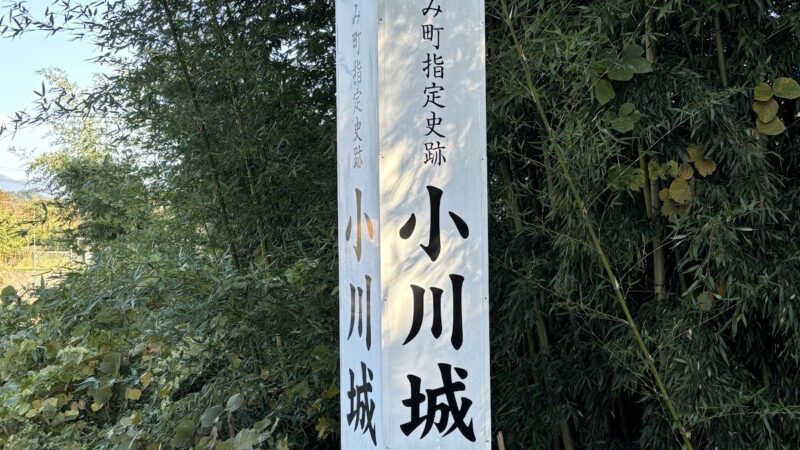
The main part of Kakioka Castle is now located on the grounds of Kakioka Elementary School. An information board is installed near the uphill slope leading to the school, explaining the castle’s history and structure. A stone monument marking the castle site stands in front of the school entrance, where visitors can take commemorative photos.
Since it is on school grounds, consideration must be given to avoiding disrupting classes during visits. Visiting on weekends or during long holidays is recommended, as students are at school on weekdays.
Traces of Earthworks and Dry Moats
Slight traces of earthworks and dry moats remain around Kakioka Elementary School and near the Kakioka Community Center. Although the original appearance has been lost due to modernization, the castle’s structure can still be discerned from the topography and elevation changes.
Walking around the perimeter of the elementary school grounds, in particular, allows you to experience the elevation differences of the terrace cliffs and appreciate the ingenuity of the castle’s construction, which utilized the natural terrain.
Walking along the periphery of the elementary school grounds allows you to truly appreciate the elevation differences of the terrace cliffs and experience the ingenuity of the castle’s construction, which made use of the natural terrain. ### Kakioka Community Center and Surrounding Environment
The Kakioka Community Center is built within the castle grounds, and this area is thought to have been one of the castle’s baileys. The area around the community center is relatively open, making it a suitable location for understanding the overall layout of the castle.
The townscape of Kakioka retains traces of its castle town past, allowing visitors to experience the atmosphere of the Edo period through a stroll.
Obtaining Castle Stamps
Kakioka Castle sells several types of castle stamps (some are no longer available). Castle stamps are popular collectible items among castle enthusiasts, and more and more people are acquiring them as souvenirs of their visit.
It is recommended to check with the Ishioka City Tourism Association or related facilities in advance regarding the sales locations and types of castle stamps. Limited editions and special designs are sometimes issued, so be sure to check for the latest information.
How to Access Kakioka Castle
Using Public Transportation
Using the JR Joban Line
The nearest station is Ishioka Station on the JR Joban Line. Kakioka Castle is approximately 10km from Ishioka Station, so you will need to take a bus or taxi from the station.
By Bus Take the Kantetsu Green Bus bound for “Kakioka Depot” from Ishioka Station and get off at the “Kakioka Elementary School” or “Kakioka” bus stop. The journey takes approximately 30 minutes. Kakioka Elementary School is a few minutes’ walk from the bus stop.
Since the number of buses is limited, it is recommended to check the timetable in advance.
By Taxi A taxi from Ishioka Station will get you to Kakioka Castle in approximately 20 minutes. The fare is approximately 3,000 yen.
By Car
From the Joban Expressway Approximately 15 minutes from the Joban Expressway “Chiyoda-Ishioka IC” or approximately 20 minutes from the “Tsuchiura-Kita IC”.
Parking Kakioka Elementary School has its own parking lot, but consideration is required when using it as it is school property. You can also use the parking lot at the Kakioka Community Center. It is recommended to check with Ishioka City Hall or Kakioka Community Center before visiting.
Car Navigation Settings
Searching for “2159-2 Kakioka, Ishioka City, Ibaraki Prefecture” or “Kakioka Elementary School” will take you to your destination.
Points to Note When Visiting Kakioka Castle
Estimated Visit Time
Visiting Kakioka Castle takes an average of about 20 minutes. Including checking the remains, reading the information boards, and taking photos, it’s best to allow 30 minutes to an hour. Exploring the surrounding townscape will take even longer.
Points to Note When Visiting
- Consideration for School Facilities: Since the castle site is within the grounds of Kakioka Elementary School, please visit quietly to ensure the safety of the children and avoid disrupting their classes.
- Best Time to Visit: Since classes are held on weekdays, visiting on weekends or during long holidays is preferable.
- Attire: Since you may need to walk on grassy areas and uneven terrain to examine the ruins, comfortable shoes and clothing are recommended.
- Photography: Please be considerate and avoid including school facilities or children in your photos.
Recommended Photo Spots
- Castle Ruins Monument in front of Kakioka Elementary School entrance
- Information board near the uphill slope to the elementary school
- Surrounding scenery showing the elevation difference of the terrace cliff
- Panoramic view from around Kakioka Community Center
Nearby Tourist Spots
Ishioka City
Ishioka City is a historic city where the capital of Hitachi Province was located. Around Ishioka Station, there are historical buildings and museums where you can learn about the history of Hitachi Province.
Hitachi Province Grand Shrine: A shrine that has long been revered as the grand shrine of Hitachi Province.
Ishioka City Local History Museum: A facility exhibiting the history and culture of Ishioka, which also houses materials related to Kakioka Castle.
Nearby Castles
Oda Castle (Tsukuba City): The residence of the Oda clan, a nationally designated historical site. It is also known as the castle to which Kajiwara Masakage, the lord of Kakioka Castle, moved.
Tsuchiura Castle (Tsuchiura City): A flatland castle developed as Kamejo Park, with restored turrets and gates.
Kasama Castle (Kasama City): A castle site with well-preserved remains of a mountain castle, featuring impressive stone walls and baileys.
Nature and Scenery
The area around Kakioka boasts a tranquil rural landscape. Enjoy walks along the Koise River and views of Mount Tsukuba.
Historical Value and Modern Significance of Kakioka Castle
Importance in Local History
Kakioka Castle functioned as a base for regional control of Hitachi Province for approximately 600 years, from the Kamakura period to the Edo period. The long-term rule of the Kakioka clan, descendants of Hatta Tomoie, is historically significant as an example of how local lords maintained their power during the medieval period.
Furthermore, during the Sengoku period, they had connections with powerful warlords such as Ota Sanrakusai and the Makabe clan, and during the Edo period, Inaba Masakatsu, son of Kasuga no Tsubone, served as the feudal lord, demonstrating their close ties to the power structures of each era.
Position in Castle Research
Kakioka Castle is noteworthy in castle research as a typical example of a flatland castle utilizing a river terrace. While the remains of flatland castles in the Kanto region are more easily lost compared to mountain castles and hilltop castles, traces of earthworks and dry moats remain at Kakioka Castle, making it a valuable resource for understanding the castle construction techniques of the time.
Connection with the Local Community
Currently, the Kakioka Castle site is used as an educational facility, serving as a place of learning for local children. The fact that the castle site is part of the school grounds provides an environment where children can regularly interact with history, and it also functions as a site for local history education.
In Ishioka City, the Kakioka Castle ruins have been designated a city historical site, and efforts are being made to preserve and utilize them. Historical preservation activities by local residents and efforts to utilize the site as a tourist resource are also underway.
To make your visit to Kakioka Castle more enjoyable
Recommended pre-visit learning
Before visiting Kakioka Castle, the following pre-visit learning will make your visit more fulfilling.
- Hitachi Province in the Kamakura Period: Learn about the relationship between Hatta Tomoie and Minamoto no Yoritomo, and the role of the Hitachi Shugo (military governor).
- Hitachi in the Sengoku Period: Learn about local Sengoku daimyo such as Ota Sanrakusai, the Makabe clan, and the Oda clan.
- Small Domains in the Edo Period: Research the Kakioka Domain’s rice yield, changes in lords, and domain administration.
- Castle Architecture: Understand the characteristics of flatland castles and the roles of earthworks and dry moats.
Obtaining Related Materials
Books
- “Castles of Ibaraki Prefecture” (a regional castle research book)
- “Medieval Samurai Groups of Hitachi Province” (a study of the Kakioka clan and surrounding samurai groups)
Websites
- Castle information sites such as Kojodan and Shirobito
- Cultural property information on the Ishioka City official website
Local Gourmet Food and Specialty Products
Ishioka City has a thriving agricultural industry, particularly famous for its rice and vegetable production. Around Kakioka, you can enjoy dishes made with local ingredients.
- Hitachi Aki Soba: A representative soba variety from Ibaraki Prefecture
- Local Sake: There are several sake breweries around Ishioka, where you can sample and purchase local sake.
- Agricultural Products Direct Sales Outlet: You can purchase fresh vegetables and fruits.
Summary: Rediscovering the Charm of Kakioka Castle
Kakioka Castle in Ishioka City, Ibaraki Prefecture, is a historical castle that functioned as a strategic point in Hitachi Province for approximately 600 years, from the Kamakura period to the Edo period. Currently, it is used as Kakioka Elementary School and Kakioka Community Center, but remains such as earthworks and dry moats remain, allowing you to imagine its former appearance.
Its history is deeply intertwined with the power structures of each era, beginning with the construction of the castle by Tokiie, son of Hatta Tomoie, followed by the long rule of the Kakioka clan, the rule of Kajiwara Masakage and the Makabe clan during the Sengoku period, and the appointment of Inaba Masakatsu, son of Kasuga no Tsubone, as feudal lord during the Edo period.
The ingenious layout, utilizing river terraces, is a valuable resource for understanding the construction techniques of flatland castles and holds an important position in castle research.
When visiting, please be considerate of school facilities and check visiting hours and parking in advance. Visiting the surrounding Ishioka town area and nearby castles will allow you to gain a deeper understanding of the history of Hitachi Province.
Kakioka Castle is not a large castle, but it is a valuable cultural heritage that tells the history of the region. Why not visit the castle ruins nestled in a quiet rural landscape and feel the romance of history that stretched from Kamakura to Edo?