Magome Castle (Gifu Prefecture) Complete Guide | A Mountain Castle on the Kiso Road Protected by the Ancestors of Shimazaki Toson
What is Magome Castle? Basic Information and Historical Background
Magome Castle was a mountain castle located in Magome, Nakatsugawa City, Gifu Prefecture. It was built on a hill called Maruyama, approximately 400 meters southwest of Magome-juku, a post town on the Nakasendo highway. The castle was a hill castle with an elevation of approximately 571 meters and a relative height of approximately 20 meters, situated in a strategically important location facing the Nakasendo highway.
The place name Magome was formerly part of Chikuma District in Shinano Province, but is now incorporated into Nakatsugawa City, Gifu Prefecture. This is due to the Heisei-era municipal mergers, where the former Yamaguchi Village in Kiso District, Nagano Prefecture, crossed the prefectural border and merged with Nakatsugawa City. Because of this historical background, Magome is a unique region that belongs to the Kiso Valley cultural sphere but is administratively part of Gifu Prefecture.
Location and Geographical Characteristics of Magome Castle
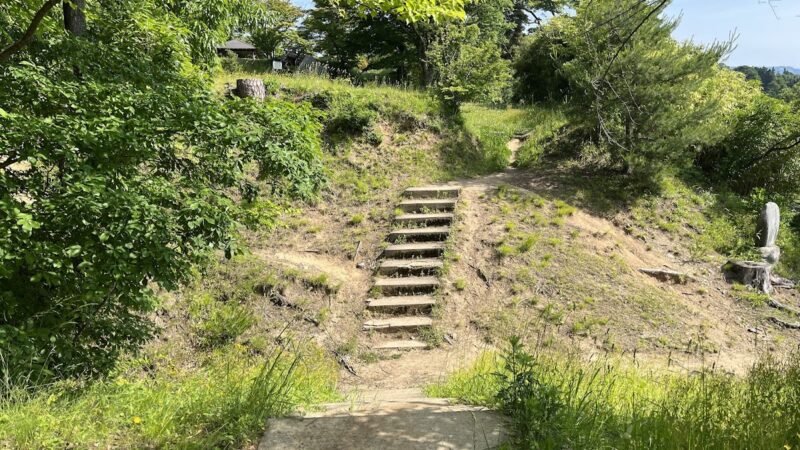
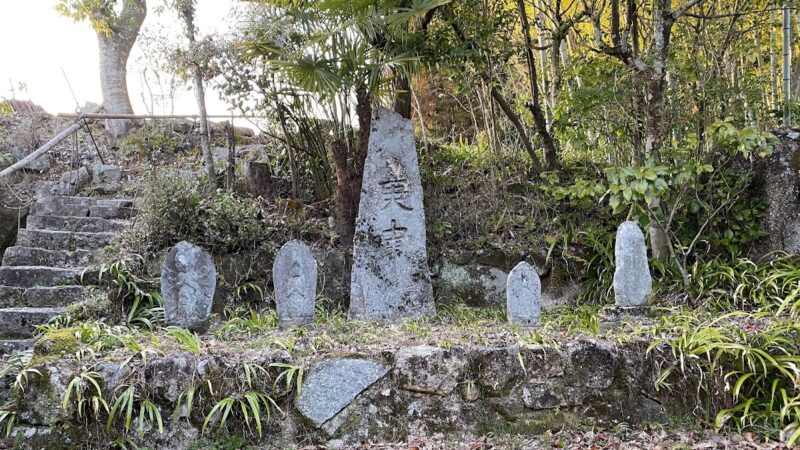
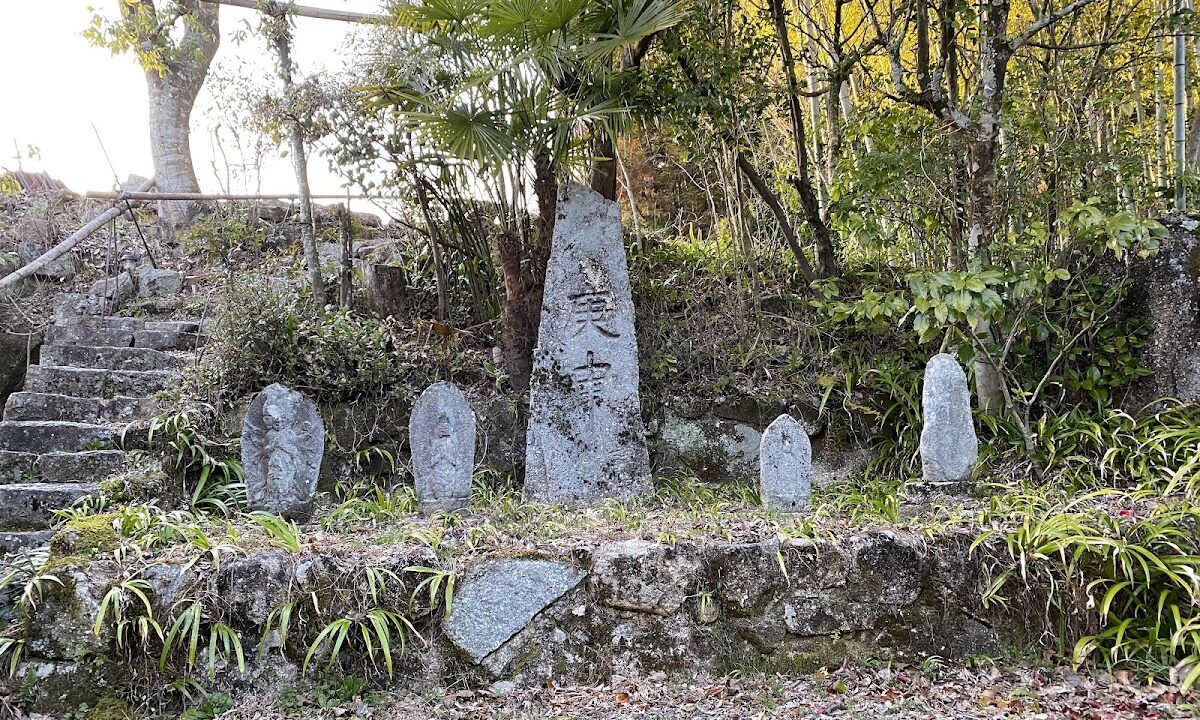
Magome Castle was built on Maruyama Hill, a prime location overlooking the Nakasendo Road, and functioned as a defensive stronghold on the Kiso Road. The castle ruins remain today on a small hill at the edge of the Aramachi settlement, with a path leading down to the base of the main enclosure. While the surrounding area is now bamboo groves and farmland, remnants of the castle, such as the remains of baileys and a stone monument of Toyokawa Shrine, are scattered throughout, conveying the atmosphere of the past.
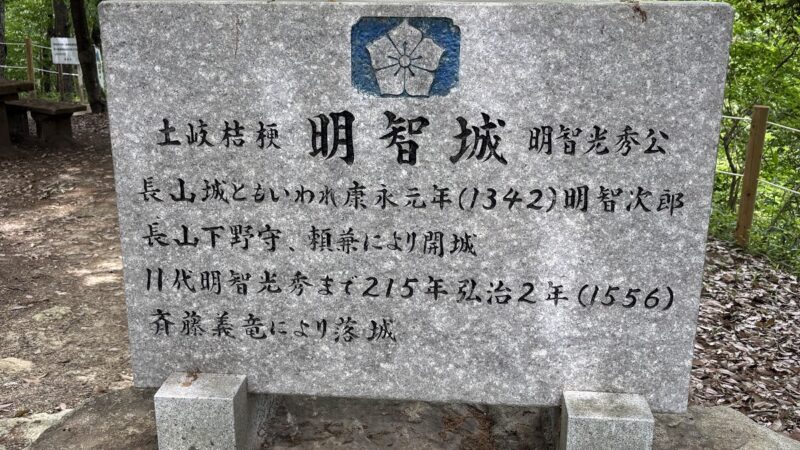
Due to its location on the Nakasendo, a major highway, it was highly valuable as a transportation hub and an important branch castle for the Toyama and Kiso clans. A stone monument and explanatory sign are installed at “Maruyama Hill” at the entrance to Magome-juku, conveying the castle’s history to visitors.
History of Magome Castle | From the Eighteen Branch Castles of the Toyama Clan to its Abandonment
The Era of the Toyama and Kiso Clan
The history of Magome Castle dates back to the late 15th century. In 1473 (Bunmei 5), Ogasawara Ienaga and Kiso Ietoyo invaded Toyama Manor from the Ina Valley and Kiso Valley, bringing the area around Magome under the control of the Kiso clan. From this period, Magome Castle became one of the eighteen branch castles of the Toyama clan, becoming an important base for protecting the Kiso clan’s sphere of influence.
The eighteen branch castles of the Toyama clan are a collective term for the group of branch castles positioned by the Toyama and Kiso clans from the Kiso Valley to the border of Mino Province. Magome Castle, located in a strategically important location along the Nakasendo road, played a frontline role in preparing for invasions from eastern Mino.
Shimazaki Shigemichi and the Magome Shimazaki Clan
The most well-known lord of Magome Castle is Shimazaki Shigemichi. Shimazaki Shigemichi was a retainer of the Kiso clan and is considered the ancestor of the Magome Shimazaki clan. A descendant of this Shimazaki clan was Shimazaki Toson, who later became one of Japan’s leading literary figures.
Shimazaki Toson was a literary figure of the Meiji and Taisho periods, known for works such as “Before the Dawn.” The fact that his ancestors defended Magome Castle during the Sengoku period is an intriguing episode where literary history and castle history intersect. Toson himself was born and raised in Magome-juku, and the history and culture of this area greatly influenced his literature.
Shimazaki Shigemichi served as a senior retainer of Kiso Yoshimasa, defending the Kiso Valley from Magome Castle. Kiso Yoshimasa was a Sengoku daimyo who tried to maintain the independence of the Kiso Valley by changing his allegiance between the Takeda, Oda, and Toyotomi clans, and Shimazaki Shigemichi was an important retainer who supported his policies.
The Battle of Komaki and Nagakute and the Siege of Magome Castle
Magome Castle first appears on the historical stage during the Battle of Komaki and Nagakute in 1584 (Tensho 12). This battle was a large-scale campaign fought between Hashiba Hideyoshi (later Toyotomi Hideyoshi) and Tokugawa Ieyasu over control of Japan after the Honnoji Incident.
Kiso Yoshimasa decided to side with Hideyoshi, entrusting Tsumago Castle to his retainer Yamamura Yoshikatsu and Magome Castle to Shimazaki Shigemichi. In response, the Tokugawa forces, led by Suganuma Sadatoshi, Hoshina Masanao, and Suwa Yoritada, launched an invasion of the Kiso region.
The Tokugawa attack was fierce, and Magome Castle came under siege. Shimazaki Shigemichi fought bravely to defend the castle, but the Tokugawa forces were overwhelming, and Magome Castle ultimately fell. Shigemichi narrowly escaped with his life to Tsumago Castle, and Magome Castle fell into Tokugawa hands.
Abandonment and Aftermath
After the fall of Magome Castle, the castle was left abandoned and became a ruined castle. Even after the Battle of Komaki and Nagakute ended with a peace agreement between Hideyoshi and Ieyasu, Magome Castle was never rebuilt. This is thought to be because, with the end of the Sengoku period, its military value as a mountain castle was lost.
Subsequently, Magome developed as a post town on the Nakasendo road. During the Edo period, it was developed as Magome-juku, becoming a vital transportation hub with many travelers passing through. The Shimazaki family shifted from being castle lords to influential figures in the post town, serving as the main innkeepers and wholesale merchants, and continued to reside in this area for generations.
Highlights and Remains of Magome Castle Ruins
Remains Visible on-site
The current Magome Castle site is mainly farmland and bamboo groves, but several remains and traces can be seen. Access to the castle ruins is relatively easy; the castle site is a small hill at the edge of the Aramachi settlement, approximately 400 meters southwest of the entrance to Magome-juku.
A stone monument and explanatory sign are installed at Maruyama Slope, where you can learn about the history and overview of Magome Castle. Climbing from the west side of this signpost will lead you to the remains of the baileys. While the baileys are currently used as fields, the topography allows for some degree of inference about the castle’s original structure.
A stone monument to Toyokawa Shrine is located within the bamboo grove, marking a corner of the castle ruins. The area believed to be the main bailey is on a small hill, offering panoramic views. On a clear day, you can see the Nakasendo road and the surrounding mountains, appreciating the strategic value of the castle’s location.
Deciphering the Castle’s Structure from the Topography
Magome Castle is a typical hill castle (flatland castle), with a layout that skillfully utilizes the natural terrain. While its relative height of approximately 20 meters is relatively small compared to large mountain castles, it was sufficient height for monitoring and defending the Nakasendo road.
The castle’s structure is presumed to have consisted of multiple baileys arranged around a central main bailey. Although much of the terrain has been altered, the elevation changes in the fields and the flat areas within the bamboo grove allow us to imagine the former layout of the baileys.
Notes and Access for Visitors
When visiting Magome Castle Ruins, please note the following:
- Much of the castle site is private property, so consideration is needed when entering.
- In areas with fields or bamboo groves, please be careful not to interfere with work.
- Some areas have uneven ground, so we recommend wearing comfortable shoes.
- While the areas around explanatory signs and monuments are relatively well-maintained, the deeper areas may be overgrown with vegetation.
It is accessible on foot from Magome-juku, and can be visited in conjunction with sightseeing. Magome-juku itself is a well-developed tourist destination, making parking and public transportation easily accessible.
Relationship between Magome-juku and the Castle Ruins
Development as a Post Town
After Magome Castle was abandoned, this area developed significantly as a post town on the Nakasendo road. During the Edo period, Magome-juku was located at the southernmost end of the eleven Kiso post towns and was an important post town close to the border with Mino Province.
Magome-juku was known as a post town on a hill, with inns and teahouses lining the cobblestone road. The Shimazaki family served as the main innkeepers and wholesale merchants for generations, playing a central role in the operation of the post town. Shimazaki Toson’s birthplace was also this main inn, now open to the public as the Toson Memorial Museum.
Relationship between the Castle Ruins and the Post Town
The Magome Castle ruins are located approximately 400 meters southwest of Magome-juku, on a hill overlooking the town. This location indicates that the castle played a role in protecting the Nakasendo road and the post town.
Currently, many tourists visiting Magome-juku enjoy the Edo-period post town scenery, but few know that there are castle ruins from the Sengoku period behind it. However, visiting both the post town and the castle ruins together allows for a more comprehensive understanding of the region’s history.
The Relationship Between Shimazaki Toson and Magome Castle
Historical Awareness in Toson’s Works
Shimazaki Toson was born in 1872 (Meiji 5) at the main inn of Magome-juku. His masterpiece, *Before the Dawn*, is a historical novel set in Magome, depicting the turbulent period from the end of the Edo period to the Meiji Restoration.
The protagonist of the work, Aoyama Hanzo, is modeled after Toson’s father, Shimazaki Masaki, and the history and culture of Magome are strongly reflected in the story. Toson himself was aware that his ancestors were lords of Magome Castle during the Sengoku period, and this historical background adds depth to the world of his works.
The Crossroads of Literature and History
The relationship between Magome Castle and Shimazaki Toson is an interesting example of the intersection of Japanese literary history and castle history. The fact that a descendant of a Sengoku period warlord became a leading Japanese literary figure several centuries later symbolizes the continuity and change of history.
A visit to the Fujimura Memorial Museum reveals exhibits on the Shimazaki family’s lineage and history. The Shimazaki family’s history, from castle lord to innkeeper of a post town and then to literary figure, provides valuable insights into understanding Japan’s transition from the early modern to the modern era from a personal history perspective.
Related Historical Sites and Tourist Information
Relationship with Tsumago Castle
When discussing Magome Castle, its relationship with the neighboring Tsumago Castle is essential. Tsumago Castle was also a branch castle of Kiso Yoshimasa, with Yamamura Yoshikatsu serving as its lord. During the Battle of Komaki and Nagakute, Magome Castle and Tsumago Castle attempted to cooperate against the Tokugawa invasion.
Currently, Tsumago-juku, along with Magome-juku, is preserved as a representative post town on the Nakasendo route, attracting many tourists. The distance from Magome-juku to Tsumago-juku is approximately 8 kilometers, making it a popular hiking course along the Nakasendo. Combining a castle ruin tour with a stroll through the post town allows for a comprehensive enjoyment of the history of the Kiso Road.
Main Tourist Attractions in Magome-juku
When visiting the Magome Castle Ruins, we recommend also visiting the following tourist attractions in Magome-juku:
Shimazaki Toson Memorial Museum: A memorial museum built on the site of Toson’s birthplace, featuring exhibits on Toson’s life, works, and the history of Magome.
Magome-juku Honjin Site: The site of the honjin (main inn) that the Shimazaki family served for generations, now a museum.
Stone-Paved Highway: A stone-paved slope that retains the atmosphere of the Edo period, lined with souvenir shops and restaurants on both sides.
Watermill: A restored watermill located at the bottom of Magome-juku, creating a tranquil landscape.
Access and Travel Time
Public Transportation: Approximately 30 minutes by Kita-Ena Kotsu bus from Nakatsugawa Station on the JR Chuo Main Line, alighting at the “Magome” bus stop.
Car: Approximately 20 minutes from Nakatsugawa IC on the Chuo Expressway. There are multiple parking lots in Magome-juku. Estimated Time Required: Allow 2-3 hours for exploring Magome-juku and 30 minutes to 1 hour for visiting the castle ruins.
Historical Significance and Modern Value of Magome Castle
Role as a Defensive Base on the Kiso Road
Magome Castle played a crucial role as a strategically important location on the border between the Kiso Valley and Mino Province. As one of the eighteen branch castles of the Toyama clan, it was a frontline base protecting the Kiso clan’s sphere of influence and functioned to monitor and defend the Nakasendo, a major highway.
The battles at Komaki and Nagakute demonstrate that this castle was not merely a small local fortress, but a vital base playing a key role in a battle that influenced the course of the nation. The fact that Tokugawa Ieyasu dispatched powerful generals to capture it also highlights its high strategic value.
Value in Regional History Research
Studying Magome Castle provides important clues for understanding the Sengoku period history of the Kiso region. This case study offers a valuable opportunity to examine the Sengoku period from a regional history perspective, considering the Kiso clan’s rule, their relationship with the Toyama clan, and their involvement with major powers such as the Takeda, Oda, Toyotomi, and Tokugawa clans.
Furthermore, the fact that a descendant of the castle lord later became a literary figure is a rare example that allows us to trace the major current of Japanese history—the transition from a samurai society to a modern society—in a concrete, individual way.
Potential as a Tourism Resource
Currently, Magome-juku is a popular tourist spot attracting many visitors annually, but the Magome Castle ruins are not yet widely known. However, the fact that it was the castle of the ancestors of the renowned literary figure Shimazaki Toson makes it an interesting topic not only for history buffs but also for literature fans.
By improving the castle ruins, enhancing the information boards, and incorporating it into Magome-juku’s tourist routes, its potential as a historical tourism resource can be further enhanced. A tourist plan combining the atmosphere of the post town with the history of the castle ruins would be an effective way to convey the multifaceted charm of the Kiso region.
Summary: The Significance of Visiting Magome Castle
Magome Castle is a mountain castle that defended the Kiso Road during the Sengoku period (Warring States period), and a historical site where the ancestors of Shimazaki Toson served as lords. It has a dramatic history, including the Battle of Komaki-Nagakute, and although it was later abandoned, the castle ruins remain in Magome today.
By visiting the castle ruins in conjunction with sightseeing in Magome-juku, you can simultaneously experience the atmosphere of an Edo-period post town and the history of the turbulent Sengoku period. Walking along the cobblestone slopes, you can imagine the warriors who once defended this land and reflect on the literary works created by their descendants—this multi-layered historical experience is a major attraction of Magome.
When visiting Magome in Nakatsugawa City, Gifu Prefecture, be sure to also visit the Magome Castle ruins. Beyond the well-maintained post town, standing on the small hill of Maruyama and looking down on the Nakasendo road, you will truly feel the depth and breadth of this place’s history.