Takeishi Castle (Chiba Prefecture) Complete Guide: The Headquarters of the Takeishi Clan, One of the Six Chiba Clans, and its Historical Background
What is Takeishi Castle?
Takeishi Castle is a medieval castle site located in Takeishi-cho, Hanamigawa-ku, Chiba City, Chiba Prefecture. It is said to have been built in 1171 by Takeishi Saburo Tanemori, the third son of Chiba Tsunetane, the third head of the Chiba clan. As the headquarters of the Takeishi clan, one of the Six Chiba Clans, it was an important base for the Chiba family in Shimosa Province.
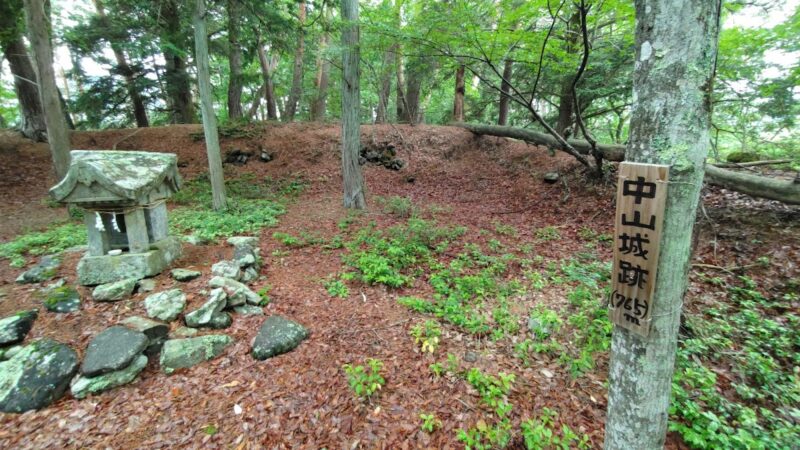
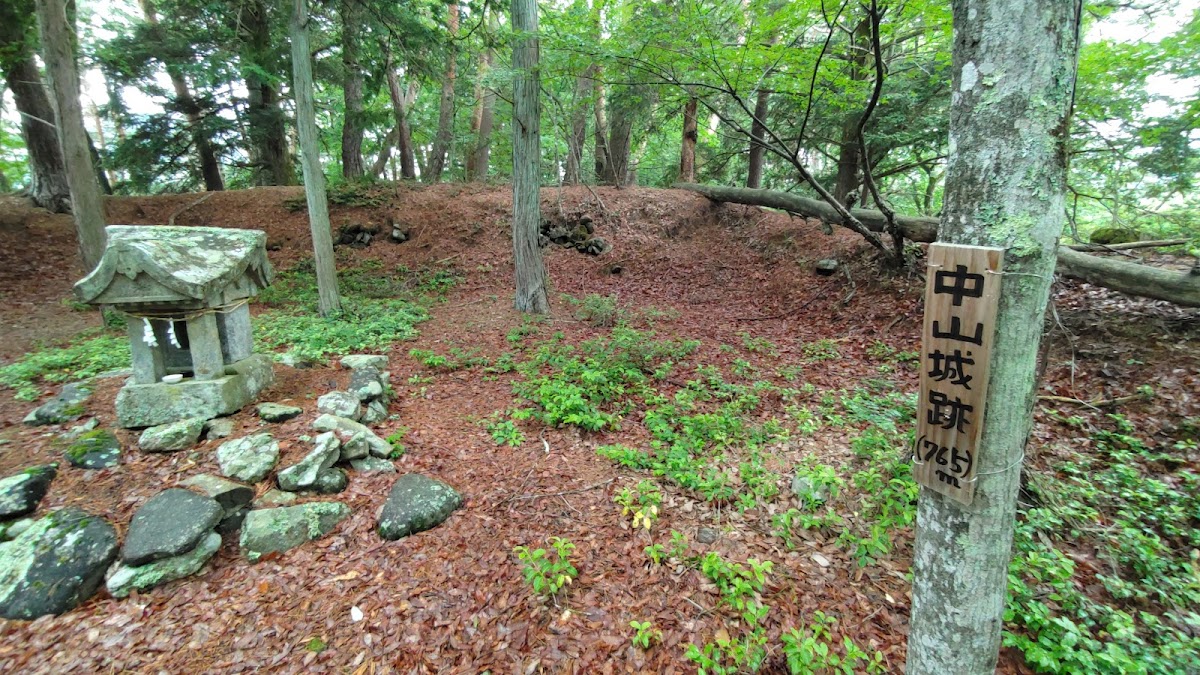
Currently, the castle site is the grounds of a temple called Shinzoin, and very few remains of the original structure can be seen. However, it is known as an important historical site that tells the history of the Takeishi clan.
History of Takeshi Castle
The Establishment of the Takeshi Clan and the Construction of Takeshi Castle
The Takeshi clan originated when Tanemori, the third son of Chiba Tsunetane, was granted the territory of Takeshi-go in Chiba County, Shimosa Province. In 1171, Tanemori established his residence in Takeshi-go and adopted the name Takeshi Saburo Tanemori. This is considered the origin of Takeshi Castle.
Chiba Tsunetane was a powerful retainer who made significant contributions during Minamoto no Yoritomo’s uprising, and his descendants, as the Chiba Six Clans, expanded their power mainly in Shimosa Province. The Takeshi clan played a part in this, and for generations, they ruled the Takeshi-go area with Takeshi Castle as their base.
The Takeshi Clan in the Kamakura Period
During the Kamakura period, the Takeshi clan continued to prosper as a branch of the Chiba clan. Within the grounds of Shinzoin Temple, a Musashi-style stone monument remains, said to have been erected during the Kamakura period by Takeshi Nagatane to commemorate his mother. This monument is a valuable artifact demonstrating that the Takeshi clan embraced Buddhist culture and possessed considerable economic power at the time.
The Takeshi clan served the main branch of the Chiba clan and acted as retainers of the Kamakura Shogunate. They managed their territory centered on Takeshi-go, and their descendants maintained their power for generations, with Takeshi Castle as their base.
The Sengoku Period and the Downfall of the Takeshi Clan
The fate of the Takeshi clan changed dramatically during the First Battle of Kōnodai (Tenbun 7, 1538) in the Sengoku period. This battle was a large-scale conflict fought in Shimōsa Province against the backdrop of the conflict between Ashikaga Haruuji, the Koga Shogun, and Ashikaga Yoshiaki, the Oyumi Shogun.
The head of the Takeshi clan at the time, Takeshi Tanechika, sided with the Oyumi Shogun. However, in this battle, the Oyumi Shogunate army was defeated by the combined forces of Hojo Ujitsuna and Ashikaga Haruuji, and Takeshi Tanechika was killed. This defeat is considered to have effectively led to the extinction of the Takeshi clan.
The extinction of the Takeshi clan in the First Battle of Kōnodai meant the loss of one of the six major Chiba clans, and contributed to a decline in the overall power of the Chiba family. The history of the Takeshi clan holds significant importance as an example of how many medieval powerful families disappeared amidst the chaos of the Sengoku period.
Structure and Layout of Takeshi Castle
Location Conditions
Takeshi Castle was built on a plateau in what is now Takeshi-cho, Hanamigawa-ku, Chiba City. The surrounding area is close to the plains of the Hanamigawa River basin, making it an important transportation hub. The castle is situated on a relatively gentle hill, overlooking the surrounding plains.
This is a typical location for a medieval powerful family residence, suggesting that the location was chosen with a balance between defense and habitability in mind.
Castle Scale and Remains
Currently, very few clear remains of Takeshi Castle can be confirmed. It is presumed that the main enclosure was located on a flat area beyond the cemetery of Shinzoin Temple, but this area has been altered by later land use.
Medieval powerful family residences were generally rectangular, surrounded by moats and earthworks, and Takeshi Castle may have had a similar structure. However, it is difficult to confirm clear traces of moats or earthworks at the site.
It is believed that the entire grounds of Shinzoin Temple were part of the castle area, and the temple grounds are thought to indicate the extent of the former residence. Further archaeological excavations may reveal more detailed information about the castle’s structure.
Related Sites in the Surrounding Area
Near Takeshi Castle is Takeshi Shrine, an important religious site associated with the Takeshi clan. Furthermore, the Musashi-style stone monument remaining at Shinzoin Temple is a valuable historical document showing the activities of the Takeshi clan during the Kamakura period.
Some archaeological excavations have been conducted at the Takeshi site, yielding medieval artifacts. These ruins and artifacts offer insights into the life and culture of the Takeshi clan.
Current Takeshi Castle Ruins (Shinzoin Temple)
About Shinzoin Temple
The Takeshi Castle ruins are now the grounds of Shinzoin Temple. Shinzoin is a temple beloved by the local community and situated in a tranquil environment.
The hill beyond the temple’s cemetery is believed to be the site of the former main keep. Information boards and explanatory signs about the Takeshi clan are installed on the temple grounds, allowing visitors to learn about the history of Takeshi Castle.
Musashi-style Stone Monument
Within the grounds of Shinzoin Temple, a Musashi-style stone monument from the Kamakura period is preserved. This monument is said to have been erected by Takeshi Nagatane in memory of his mother and is an important artifact demonstrating the faith and culture of the Takeshi clan.
The monument bears Sanskrit characters and a year inscription, providing clues to the stone carving culture and Buddhist beliefs of the time. It is recognized as a valuable medieval stone artifact within Chiba Prefecture. ### Highlights of the Castle Ruins
The highlights of visiting the Takeshi Castle Ruins are as follows:
- Flat Area of the Main Enclosure: The elevated area behind the cemetery is presumed to be the main enclosure.
- Musashi-style Stone Monument: A valuable stone artifact from the Kamakura period.
- Shinzoin Temple Grounds: A space where you can feel the former castle grounds.
- Takeshi Shrine: A shrine associated with the Takeshi clan (near the castle ruins).
Although the remains themselves no longer exist, you can imagine the history of the Takeshi clan, who once resided here and were active as one of the six Chiba clans.
The Position of the Takeshi Clan and the Six Chiba Clans
What are the Six Chiba Clans?
The Six Chiba Clans are a collective term for the Chiba clan, which began when the six sons of Chiba Tsunetane were each given territory and adopted their own clan names. Specifically, this refers to the following six clans:
- Chiba clan (main branch): Eldest son, Tanemasa
- Soma clan: Second son, Moritsune
- Takeshi clan: Third son, Tanemori
- Osuga clan: Fourth son, Tanenobu
- Kokubun clan: Fifth son, Tanemichi
- Higashi clan: Sixth son, Taneyori
These six clans expanded their power mainly in Shimosa Province and played an active role as powerful retainers of the Kamakura Shogunate.
The Role of the Takeshi Clan
The Takeshi clan, as the third son’s branch among the six Chiba clans, was based in Takeshi-go, Chiba County. As an important family supporting the main branch of the Chiba clan, they were active in both military and political affairs.
Takeshi-go was close to Chiba, the Chiba clan’s base, and it is thought that they had strong ties to the main branch. Throughout the Kamakura period, the Takeshi clan played a crucial role in supporting the unity of the Chiba clan.
Access Information
Location
Address: 1-chome, Takeshi-cho, Hanamigawa-ku, Chiba City, Chiba Prefecture 262-0031
Access by Public Transportation
Access from the nearest stations is as follows:
- Approximately 20 minutes on foot from JR Sobu Line “Shin-Kemigawa Station”
- Approximately 25 minutes on foot from Keisei Line “Kemigawa Station”
If using the bus, take a bus from Shin-Kemigawa Station, get off at the nearest bus stop, and it’s a few minutes’ walk from there.
Access by Car
- Approximately 5 minutes from the Keiyo Expressway “Takeshi IC”
- Parking: Parking is available for visitors to Shinzoin Temple (please confirm)
Points to Note When Visiting
Since Takeshi Castle Ruins are located within the grounds of Shinzoin Temple, please note the following when visiting:
- Respect the temple grounds and view quietly.
- When passing through the cemetery, please be considerate of other visitors.
- Take photographs within reasonable limits.
- Please take all your trash with you.
Related Historical Sites in the Surrounding Area
Castle Ruins Related to the Chiba Clan
The following castle ruins related to the Chiba clan are located around Takeshi Castle:
- Chiba Castle (Inohana Castle): The main base of the Chiba clan (Chuo Ward, Chiba City)
- Inohana Castle: An important base, also known as Chiba Castle
- Osuga Clan Residence Ruins: The residence of the Osuga clan, one of the six Chiba clans.
Visiting these castle ruins allows for a deeper understanding of the Chiba clan’s sphere of influence and activities.
Takeshi Shrine
Near the Takeshi Castle ruins is Takeshi Shrine, a place of worship associated with the Takeshi clan, which is deeply rooted in the local community. A visit to the shrine is recommended when visiting the castle ruins.
Historical Significance of Takeshi Castle
Importance in Chiba Clan Research
Takeshi Castle is an important historical site that demonstrates the expansion of the Chiba clan’s power and the formation of branch families. The existence of the Takeshi clan and Takeshi Castle is of great significance as a concrete example of Chiba Tsunetane’s strategy of granting territories to his six sons to foster family unity.
An Example of the Rise and Fall of a Medieval Powerful Family
The history of the Takeshi clan, from its prosperity in the Kamakura period to its downfall in the Sengoku period, illustrates the typical rise and fall of a medieval powerful family. The downfall of the Takeshi Castle, particularly in the First Battle of Kōnodai, illustrates a part of history in which many medieval powerful families disappeared amidst the political turmoil of the Sengoku period.
Position in Local History
Takeshi Castle occupies an important position in the local history of Hanamigawa Ward, Chiba City. The place name Takeshi-machi itself originates from the Takeshi clan and remains part of the region’s identity even today.
Current Status and Challenges of Takeshi Castle Research
Historical Documents
While historical documents concerning Takeshi Castle are limited, we can learn about some of the Takeshi clan’s activities from documents related to the Chiba clan and records from the Kamakura period such as the “Azuma Kagami.” In particular, the First Battle of Kōnodai is described in multiple documents, and the death of Takeshi Tanemichi is recorded.
Need for Archaeological Investigation
Currently, no full-scale archaeological excavations are being conducted at the Takeshi Castle site. While constrained by its location within the grounds of Shinzoin Temple, future archaeological investigations could potentially provide more detailed information about the castle’s structure and the lifestyle and culture of the Takeshi clan.
Preservation and Utilization
Because no clear remains of Takeshi Castle exist, preserving and utilizing it as a historical site presents challenges. However, efforts to convey its historical value, such as installing information boards and utilizing it for local history education, are important.
Summary
Takeshi Castle was a fortress built in 1171 by Takeshi Tanemori, the third son of Chiba Tsunetane, and served as the base of the Takeshi clan, one of the six Chiba clans. The Takeshi clan prospered throughout the Kamakura period, but their family was wiped out when Takeshi Tanechika was killed in the First Battle of Kōnodai during the Sengoku period.
Currently, the castle site is within the grounds of Shinzoin Temple, and no clear remains exist. However, artifacts such as Musashi-style stone steles and place names allow us to imagine the history of the Takeshi clan. The very name of Takeshi-cho, Hanamigawa-ku, Chiba City, conveys the existence of the Takeshi clan.
Takeshi Castle is a valuable historical site for regional history research, as it demonstrates the development of the Chiba clan and the rise and fall of a medieval powerful family. When you visit, why not reflect on the history of the Takeshi clan, who once ruled this land, in the tranquil grounds of Shinzoin Temple?