
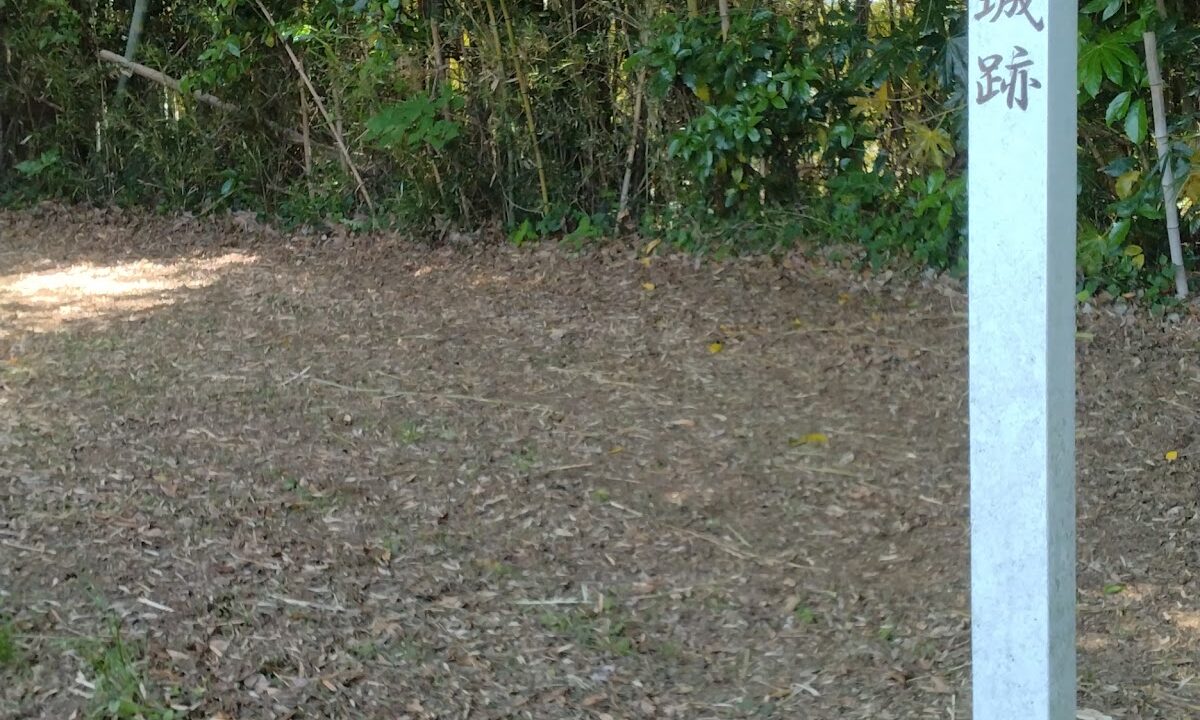
Yokaichiba Castle (Sosa City, Chiba Prefecture) Complete Guide | History, Highlights, and Access Information
Located in Sosa City, Chiba Prefecture, Yokaichiba Castle is a hilltop castle that served as the residence of the Oshida clan, a senior retainer of the Chiba clan, during the Sengoku period. Currently, it is maintained as Tenjin-yama Park, a place of relaxation for citizens, but the remains such as earthworks and dry moats are well-preserved, making it an attractive spot for castle enthusiasts. This article provides a detailed explanation of Yokaichiba Castle, from its historical background to its highlights and access methods.
History of Yokaichiba Castle
Construction and the Rise of the Oshida Clan
The exact construction date of Yokaichiba Castle is unknown, but it is believed to have been built during the Sengoku period by the Oshida clan, vassals of the Chiba clan. The Oshida clan, as senior retainers of the Chiba clan, played an important role in controlling the northern part of Shimosa Province.
Yokaichiba Castle, also known as “Shinjo” (New Castle), was built on a strategically important location at the southern end of a plateau north of Yokaichiba. This location offered excellent defensive capabilities, allowing for a clear view of the surrounding area, and it is presumed to have functioned as a base for protecting the Oshida clan’s sphere of influence.
Relationship between the Oshida and Chiba Clans
The Oshida clan served the Chiba clan as hereditary vassals for generations. The Chiba clan was a prestigious samurai family with power primarily in Shimosa Province, and the Oshida clan was entrusted with managing important branch castles. Yokaichiba Castle was indispensable for the Chiba clan’s maintenance of power in this region.
In the late Sengoku period, the Oshida clan, along with the Chiba clan, chose to become subordinate to the Hojo clan. This political choice would significantly influence the fate of Yokaichiba Castle.
The Siege of Odawara in 1590 and the Castle’s Demolition
In 1590 (Tensho 18), Toyotomi Hideyoshi launched the Siege of Odawara. At this time, Oshida Tanetsada followed his lord, Chiba Shigetane, and joined the campaign as reinforcements for Odawara Castle. However, the Hojo clan was defeated, and the Chiba clan, who followed them, also had their territories confiscated.
As a result of the Siege of Odawara, Yokaichiba Castle was abandoned. While details about the fate of the Oshida clan are unclear, it is believed that they disappeared from the historical stage along with the Chiba clan’s downfall. Although it was a short period of about 100 years since its construction, Yokaichiba Castle functioned as an important base in Shimosa Province during the Sengoku period.
Yokaichiba Castle’s Layout and Structure
Castle Location and Topography
Yokaichiba Castle is built on a plateau approximately 40 meters above sea level, located north of JR Yokaichiba Station. This plateau is about 30 meters higher than the surrounding area, and the south side has a steep slope, creating a defensive structure that skillfully utilizes the natural terrain.
The area around the current Tenjin-yama Park was once the castle grounds. Although it has been developed as a park, remnants of the castle can be seen throughout. Its location on the southern edge of the plateau was ideal, allowing for early detection of approaching enemies while being difficult to attack.
Main Enclosure and Asama Shrine
The main enclosure (honmaru) of Yokaichiba Castle is located where Asama Shrine currently stands. This main enclosure was the center of the castle, and it is believed to have housed the lord’s residence and other important facilities.
A monument to the war dead stands within the grounds of Asama Shrine. The area around this monument is elevated and is thought to be the site of a former watchtower base. Watchtower bases were important facilities for lookout and defense, suggesting that the surrounding area was monitored from here.
Remains of Earthworks and Dry Moats
The greatest highlight of Yokaichiba Castle is the well-preserved earthworks and dry moats. Traces of earthworks can be seen around the main enclosure, indicating that earthen walls surrounded the castle for defense.
The dry moats were defensive structures designed to prevent enemy intrusion, and traces of them can be seen throughout Tenjin-yama Park. Archaeological excavations have been conducted, and academic research into the castle’s structure is progressing. These remains are valuable historical materials that convey the castle construction techniques from the medieval to the Sengoku period.
Layout of the Enclosures
Yokaichiba Castle is believed to have consisted of multiple enclosures (kuruwa). With the main enclosure at the center, defensive lines such as the second and third enclosures were arranged, creating a structure that progressively hindered enemy intrusion.
Observing the current topography of Tenjin-yama Park, several flat areas can be identified, and these are considered highly likely to be the remains of the enclosures. While some alterations may have occurred during the park’s development, the basic layout is thought to retain its original form.
Highlights of Yokaichiba Castle
Development as Tenjin-yama Park
The Yokaichiba Castle ruins are now a popular park for locals, known as Tenjin-yama Park. Walking paths have been developed within the park, allowing visitors to enjoy the castle ruins while appreciating the changing seasons. In spring, cherry blossoms bloom, making it a popular spot for local cherry blossom viewing.
Signposts and explanatory signs marking the castle ruins are installed within the park, ensuring visitors can learn about history while exploring. The park offers a harmonious environment for historical walks, with castle remains and park facilities blending seamlessly.
View from the Observation Deck
An observation deck is located within Tenjin-yama Park, offering panoramic views of the city of Sōsa. It’s an excellent spot to imagine the castle lord and soldiers surveying the surrounding area from this vantage point.
On clear days, the view extends far into the distance, highlighting Yokaichiba Castle’s excellent location for monitoring the surrounding area. Imagining the landscape of the Sengoku period while comparing it to the modern cityscape is another way to enjoy the view. ### Visiting Asama Shrine
Asama Shrine, situated on the site of the main castle enclosure, is the center of local faith. Visiting the shrine in conjunction with exploring the castle ruins allows you to experience Japanese culture where history and faith are intertwined.
From the shrine grounds, you can sense the atmosphere of the castle ruins, and imagining that the former lords may have offered prayers to the gods and Buddhas here evokes a sense of historical romance.
Observation Points for Earthworks and Dry Moats
For castle enthusiasts, the biggest highlight is undoubtedly the remaining earthworks and dry moats. When strolling through the park, pay attention to the following points:
- Earthworks around the main enclosure: Elevations of earthworks remain around Asama Shrine.
- Traces of dry moats: By paying attention to depressions and elevation changes within the park, traces of dry moats can be found.
- Cut slopes: Steep, artificially carved slopes (cut slopes) can be seen along the edge of the plateau.
These remains are easier to find if you rely on the explanatory signs and markers. When taking photographs, taking angles that take into account the topography will give a better view of the remains.
Results of archaeological excavations
Archaeological excavations have been conducted at Yokaichiba Castle in the past, providing academic insights into the castle’s structure and the period of its use. The excavation results are sometimes published at local museums, so those who want to learn more about the castle’s history should visit them as well.
The excavations have uncovered fragments of pottery and postholes, gradually revealing aspects of life within the castle.
Access Information
Access by Train
The nearest station to Yokaichiba Castle is Yokaichiba Station on the JR Sobu Main Line.
- Approximately 15-20 minutes on foot from Yokaichiba Station on the JR Sobu Main Line
- Head north from the station, pass through the residential area, and aim for Tenjin-yama Park.
- It’s about 1 kilometer from the station.
The path from the station to the park is flat, but the park itself has some inclines, so we recommend wearing comfortable shoes. There are signs around the station, so you should be able to arrive relatively easily.
Access by Car
If you are visiting by private car, the following route is convenient:
- Approximately 30 minutes from the Daiei IC on the Higashi-Kanto Expressway
- Approximately 20 minutes from the Yokoshiba-Hikari IC on the Choshi Connector Road
- Take National Route 126 to the Sōsa city center.
Tenjin-yama Park has a dedicated parking lot, which is free to use. However, parking is limited, so it may get crowded on weekends and during cherry blossom season.
Address and Map Information
- Address: I, Yokaichiba, Sōsa City, Chiba Prefecture (Tenjin-yama Park)
- Phone Number: You can check tourist information at the Sōsa City Tourism Association (0479-73-0014)
Searching for “Tenjin-yama Park Sōsa City” on your smartphone’s map app will show the exact location. If using a car navigation system, searching for “Tenjin-yama Park” will also guide you.
Notes and Manners for Visitors
Visiting Hours and Seasons
Tenjin-yama Park is a public park and is generally open 24 hours a day. However, lighting is limited at night, so visiting during daylight hours is recommended.
- Recommended Season: Spring (cherry blossom season), Autumn (autumn foliage season)
- Estimated Visiting Time: Approximately 30 minutes to 1 hour
- Photography: Freely permitted, but please be considerate of other visitors.
Clothing and Items to Bring
The castle ruins are on an uneven terrain, and some walking is necessary to observe the earthworks and dry moats. We recommend the following:
- Comfortable Walking Shoes: Sneakers or trekking shoes are ideal
- Hat and Drinks: Take precautions against heatstroke, especially in summer when the sun is strong
- Insect Repellent: Particularly necessary in summer due to the abundance of greenery
- Camera: For documenting the ruins and taking photos of the scenery
Park Etiquette
Tenjin-yama Park is also a place of relaxation for local residents. Please observe the following etiquette when using the park.
- Always take your trash with you.
- Do not damage the ruins or chip away at the earthworks.
- Visit Asama Shrine in silence.
- Be considerate of other visitors.
Nearby Tourist Attractions
Historical Sites in Sōsa City
When visiting Yōkaichiba Castle, exploring the surrounding historical sites will give you a deeper understanding of the region’s history.
- Iitaka-ji Temple (Iitaka Danrin Ruins): A nationally designated historical site known as Japan’s oldest Buddhist university.
- Sōsa City Local History Museum: Exhibits local history and cultural assets.
- Other Castle Ruins: Several medieval castle ruins are scattered around Sōsa City.
Local Products and Cuisine of Sōsa City
After exploring the castle ruins, enjoying local cuisine is also recommended.
- Sōsa Rice: Known as a producer of high-quality rice.
- Village of Plants: Sōsa City is a major producer of plants.
- Local Farm Produce Direct Sales Outlet: You can purchase fresh vegetables and fruits.
About Castle Stamps
Currently, no castle stamps (commemorative stamps for visiting the castle) for Yōkaichiba Castle have been confirmed. However, as the sale of castle stamps is spreading nationwide, there is a possibility that they may be issued in the future.
For information on the sale of castle stamps, please inquire with the Sōsa City Tourism Association or local tourist facilities. Castle enthusiasts should check before visiting.
Historical Value of Yōkaichiba Castle
Position in Shimōsa Province
Yōkaichiba Castle is an important historical site for understanding the Chiba clan’s rule in northern Shimōsa Province. The Chiba clan, in order to control areas far from their base at Chiba Castle (present-day Chiba City), employed a system of entrusting branch castles to powerful vassals.
Yokaichiba Castle, ruled by the Oshida clan, functioned as part of this network of branch castles, contributing to regional stability and the maintenance of the Chiba clan’s authority. Though small in scale, it is a valuable historical site that illustrates the realities of regional governance during the Sengoku period.
Significance in Castle Research
Yokaichiba Castle is noteworthy in castle research as a typical example of a small to medium-sized castle from the Sengoku period. Unlike large-scale early modern castles, it is characterized by its construction as a practical defensive facility tailored to the local conditions.
It retains many characteristics of medieval castles, such as its layout primarily consisting of earthworks and dry moats, and its location utilizing the plateau terrain, making it a valuable resource for understanding the castle construction techniques of the time.
The Appeal of Visiting Yokaichiba Castle
A Historical Stroll in a Quiet Environment
The appeal of Yokaichiba Castle lies in its quiet environment, unspoiled by tourism, allowing for a thorough observation of the castle ruins. While it lacks the bustling atmosphere of famous tourist castles, this allows for a leisurely stroll at your own pace, imagining the atmosphere of the Sengoku period.
You can expect to interact with locals and feel the breath of history rooted in the region.
Value for Castle Enthusiasts
For castle enthusiasts who travel to castles all over Japan, Yokaichiba Castle is worth visiting as a “hidden gem.” While it lacks a keep and stone walls, it’s a valuable spot where you can fully appreciate the charm of an earthen castle.
The remains are well-preserved, and by observing the earthworks and dry moats, you can truly understand how a castle functioned during the Sengoku period. It’s also a great spot for photography, capturing a unique atmosphere where nature and history harmonize.
An Opportunity to Learn Local History
Visiting Yokaichiba Castle is a great opportunity to learn about the history of northeastern Chiba Prefecture. You can understand the major currents of Japanese history from a local perspective, such as the history of local samurai clans like the Chiba and Oshida clans, and the end of the Sengoku period with the Siege of Odawara.
Visiting local history museums and libraries to obtain more detailed information will lead to a deeper understanding.
Summary
Yokaichiba Castle is a valuable castle ruin from the Sengoku period (Warring States period) located in Sōsa City, Chiba Prefecture. Built as the residence of the Oshida clan, it was an important base supporting the Chiba clan’s rule, but it was abandoned after the Siege of Odawara in 1590.
Currently, it has been developed into Tenjin-yama Park, a historical site where visitors can observe remains such as earthworks and dry moats. It is easily accessible on foot from JR Yokaichiba Station, and parking is available, making it a convenient visit.
Unlike large-scale tourist castles, Yokaichiba Castle offers a quiet and peaceful atmosphere, allowing visitors to reflect on the regional history of the Sengoku period. It is a worthwhile spot to visit not only for castle enthusiasts, but also for those interested in history and local culture.
When visiting Sōsa City, be sure to visit Tenjin-yama Park and experience the history and remains of Yokaichiba Castle. You’ll have a valuable experience feeling the spirit of the Sengoku period amidst the changing seasons of nature.


.png)