Neto Castle (Abiko City, Chiba Prefecture) Complete Guide: History, Remains, and Access Information
What is Neto Castle?
Neto Castle is a medieval castle site located near Neto, Abiko City, Chiba Prefecture. It is the westernmost castle site in Abiko City and is a valuable historical site as the only remaining full-fledged castle ruin in the city. Although currently privately owned, the remains of the original castle, such as earthworks and dry moats, are well-preserved, making it an important historical site for understanding the structure of medieval castles.
While it is thought to be a castle from the Sengoku period (Warring States period), primary sources from that time are extremely scarce. There are multiple theories regarding the construction date and builder, and nothing can be definitively determined. The first document describing the castle is the “Tomise Village History,” published in 1920 (Taisho 9). Because no records exist before that, it is a castle shrouded in historical mystery and attracts attention among castle enthusiasts.
The History of Neto Castle and the Mystery of its Builder
The Theory of Soma Tanemitsu’s Construction
The most widely accepted theory regarding the construction of Neto Castle is that it was built by Soma Tanemitsu. According to this theory, Neto Saburo Tanemitsu, the third son of Soma Tanemura, built the castle in 1290 (Shoo 3), and thereafter adopted the name Neto. The Soma clan was a powerful samurai group based in Soma County, Shimosa Province, and the theory that a branch of this family established a base in Neto is geographically consistent.
The Soma clan was a branch of the Chiba clan and held considerable power in Shimosa Province from the Kamakura period to the Nanboku-cho period. If Neto Castle was built during this period, it may have functioned as a base for the Kamakura Shogunate’s retainers or as a base during the turbulent Nanboku-cho period.
The Theory of Ota Dokan’s Construction
On the other hand, there is a theory that the castle was built by Ota Dokan, a renowned general of the Kanto region. Ota Dokan was a samurai who was active in the late 15th century and is also known for building Edo Castle. Dokan served the Ogigayatsu Uesugi clan and fought in various battles throughout the Kanto region, building and renovating many castles.
However, there is currently no clear historical evidence that Ota Dokan built Neto Castle, and this theory is considered highly likely to be a later legend. However, the possibility that Dokan renovated an existing castle or that he had some kind of involvement during his time cannot be completely ruled out.
Estimated Construction Period
Judging from the form of the remains, some researchers believe that Neto Castle was likely developed during the Sengoku period (late 15th to 16th centuries). The high earthen ramparts surrounding the main enclosure and the deep dry moats are typical defensive structures of Sengoku period castles, indicating that it functioned not merely as a residence but as a full-fledged military base.
Even if we accept the theory that the castle was built in 1290 (Shoō 3), it is quite possible that large-scale renovations were carried out during the subsequent Sengoku period. Medieval castles generally underwent repeated renovations over time, and Neto Castle may be a complex structure that was developed over multiple periods.
Neto Castle’s Layout and Remains
Main Enclosure Structure
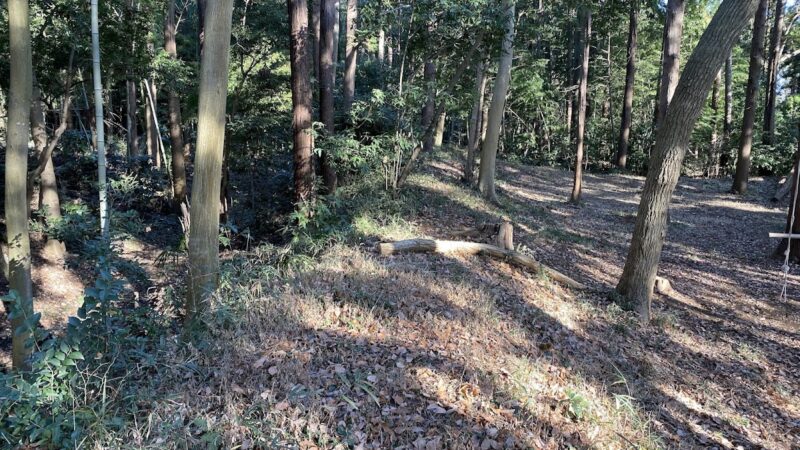
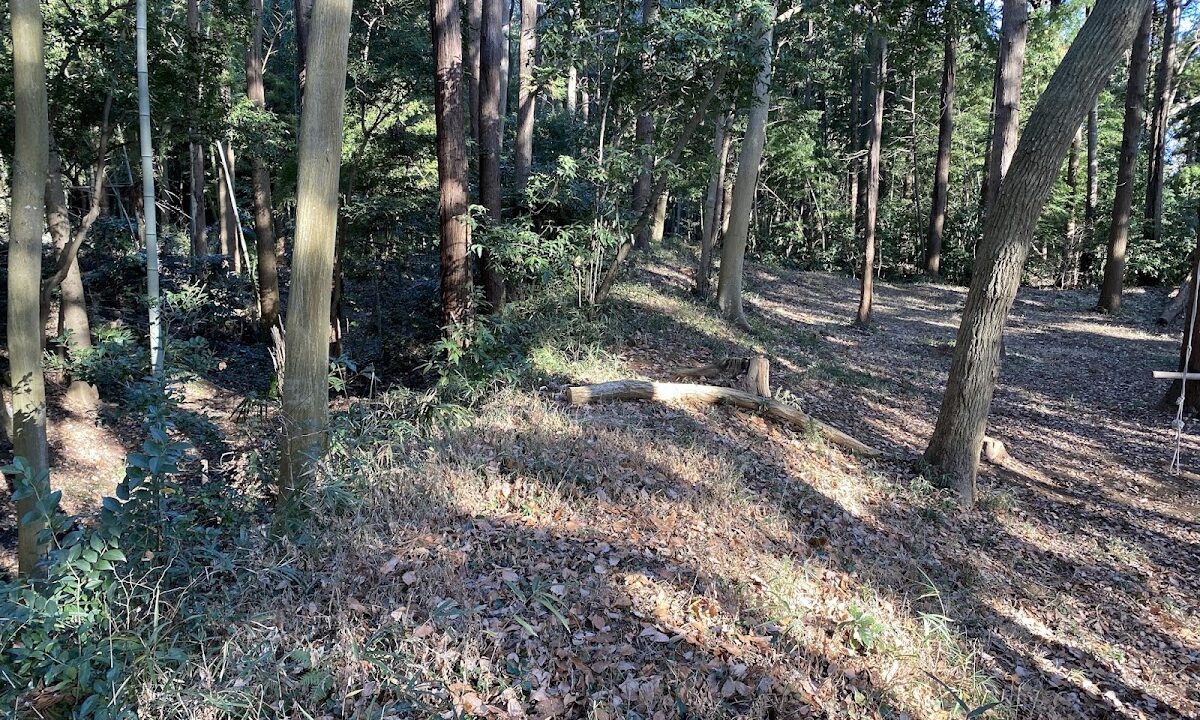
The greatest highlight of Neto Castle is the magnificent earthworks and dry moat surrounding the main enclosure (honmaru). Although the main enclosure is relatively small, it is surrounded by earthworks 3-4 meters high, creating a flat space inside. These earthworks are remarkably well-preserved and are considered to retain much of their original appearance.
Inside the main enclosure, there are traces of its use as a Boy Scout campsite, and an Inari shrine is enshrined there. The exact date of the shrine’s establishment is unknown, but it indicates that the castle site also functioned as a place of local worship.
Characteristics of the Earthworks
The earthworks of Neto Castle are particularly high on the west side, creating an overwhelming presence when viewed from inside the main enclosure. These earthworks are not simply piles of earth; they likely feature a carefully constructed rammed earth technique, allowing them to withstand prolonged exposure to wind and rain and remain standing to this day.
The upper part of the earthworks is relatively flat, suggesting it may have functioned as a warrior’s walkway. A warrior’s walkway is a passage built on top of an earthwork, used by soldiers for movement and archery during defense.
Structure of the Dry Moat
The dry moat surrounding the main enclosure is approximately 3-5 meters deep and quite wide. This dry moat is not simply dug; the excavated soil is piled up to form an earthwork, further increasing the relative elevation difference. This technique, known as “horikiri,” is a defensive structure designed to effectively prevent enemy intrusion.
The bottom of the dry moat is still clearly visible, and the fact that it hasn’t been significantly filled in indicates that the location was relatively dry. The use of a dry moat instead of a water moat is thought to be due to the topography and geological conditions of the region.
Arrangement of Enclosures
Regarding the existence of enclosures other than the main enclosure, there are no clear research reports, so details are unknown. However, judging from the general structure of medieval castles, it is possible that second and third enclosures were located around the main enclosure. Currently, due to dense vegetation, it is difficult to grasp the overall layout through surface observation alone.
Relationship with the Kanazuka Tumulus
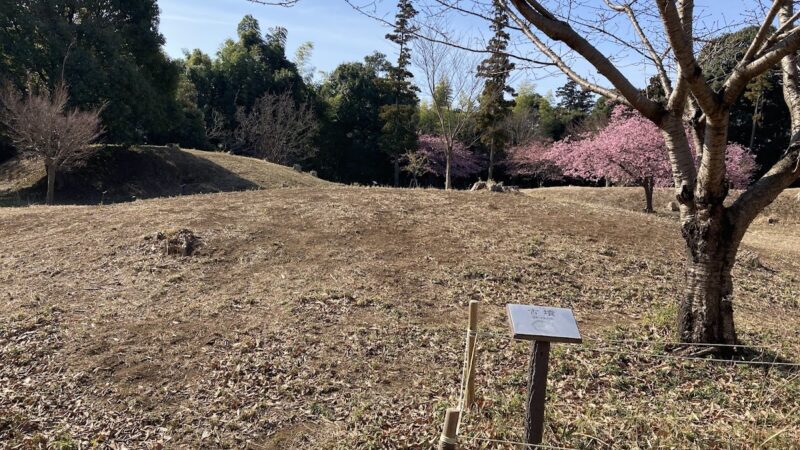
The Kanazuka Tumulus is located near the Neto Castle ruins. This tumulus is a keyhole-shaped burial mound estimated to have been constructed from the late 5th to early 6th century, a significantly different period from Neto Castle. However, it is possible that the topography of the tumulus was utilized in the construction of the castle, or that the existence of the tumulus indicates the historical importance of the region.
From ancient to medieval times, instances of burial mounds being reused as part of castle structures have been confirmed throughout Japan, and further research is expected regarding the relationship between Neto Castle and the Kanazuka burial mound.
Historical Background of Neto Castle
Medieval Period in Soma District, Shimosa Province
Soma District in Shimosa Province, where Neto Castle is located, was a region ruled by the Chiba clan and their relatives during the medieval period. The Chiba clan expanded their power from the late Heian period to the Kamakura period, bringing most of Shimosa Province under their control. The Soma clan was a branch of the Chiba clan and established their own power base in Soma District.
From the Kamakura period to the Nanboku-cho period, this region was greatly influenced by the political movements of the shogunate and the imperial court. Especially during the turbulent Nanboku-cho period, forces from the Northern and Southern Courts clashed and fought, resulting in the construction and renovation of many castles. Neto Castle may have also functioned as an important military base within this historical context.
Trends during the Sengoku Period
With the arrival of the Sengoku period (Warring States period), the situation in the Kanto region changed dramatically due to the expansion of the power of the Later Hojo clan (Odawara Hojo clan). The Hojo clan, based in Odawara in Sagami Province, extended their influence throughout Kanto, bringing many local lords under their control.
In Shimosa Province, the Hojo clan’s influence also grew stronger, forcing local samurai groups to choose between submitting to the Hojo or allying with opposing forces such as the Uesugi and Satomi clans. While the stance of the lord of Neto Castle is unclear, it is highly likely that the castle was renovated and strengthened during this period.
Date of Abandonment
There are no clear records regarding when Neto Castle was abandoned. Generally, many small to medium-sized castles in the Kanto region were abandoned after Toyotomi Hideyoshi’s conquest of Odawara in 1590, and it is possible that Neto Castle also lost its function as a military facility around this time.
During the Edo period, the Tokugawa shogunate’s “One Castle Per Province” decree led to the demolition of castles throughout the country. However, smaller castles like Neto Castle had already been abandoned, so it is believed they were not directly affected by this policy.
Current Status and Preservation of Neto Castle
Current Status as Private Land
The Neto Castle site is currently private land, and free entry is not permitted. There are signs prohibiting entry in some areas around the castle site, so caution is necessary when visiting. Entering private land without permission is prohibited by law, and even castle enthusiasts must respect the rights of private landowners.
Some sources suggest that visits may be possible with prior permission from the landowner, but this is not confirmed information. Those planning a visit are advised to inquire with the Abiko City Board of Education or local historical research groups.
Preservation Status of the Remains
Due to the restricted access, the remains are paradoxically well-preserved. Because it has escaped development and alteration, the earthworks and dry moats retain much of their original appearance from the time of construction. However, the overgrowth of trees and natural weathering are gradually progressing, and proper management is necessary for long-term preservation.
According to reports from visitors to the castle site, the earthworks around the main enclosure remain clearly defined in both height and shape, confirming them as valuable remains for understanding the structure of medieval castles. The western earthworks, in particular, are remarkably tall and well-preserved, leaving a strong impression on visitors.
Designation as a Cultural Property
Regarding whether the Neto Castle site has received any designation as a cultural property from Abiko City, public information is limited. Considering that it is the only full-fledged castle site in the city, there is a possibility that it may receive cultural property designation such as a city-designated historical site in the future.
Cultural property designation would allow for public preservation and management, potentially leading to appropriate maintenance and public access. However, there are currently many issues to resolve, such as the fact that it is privately owned land and the wishes of the landowners.
Access Information
Access by Train
The nearest station to Neto Castle is Kita-Kashiwa Station on the JR Joban Line. It’s about a 15-minute walk from Kita-Kashiwa Station to the castle ruins. Exit the station and head northwest; after passing through a residential area, you’ll reach the forest where the castle ruins are located.
From Tokyo, it takes about 30-40 minutes from Ueno Station to Kita-Kashiwa Station on the JR Joban Line. Express trains do not stop at Kita-Kashiwa Station, so you will need to use a local train. It is also possible to transfer at Abiko Station.
Access by Car
If visiting by car, the nearest exit is the Kashiwa Interchange on the Joban Expressway. From the interchange, it’s about a 10-minute drive via National Route 16 to the Neto area. However, there is no dedicated parking near the castle ruins, so it is recommended to use nearby coin parking or public transportation.
Nearby Facilities
Near Neto Castle ruins is the aforementioned Kanazuka Kofun (ancient burial mound). Furthermore, Abiko City has numerous tourist attractions, including Lake Teganuma and the Shirakaba Literary Museum. Visiting these facilities in conjunction with a visit to the castle ruins will enhance your historical exploration.
The Abiko City Board of Education provides information on the city’s historical heritage; detailed information can be obtained by contacting them in advance.
Points to Note During Your Visit
Respect for Private Property
The most important point to remember is that the castle ruins are on private property. If there are signs prohibiting entry, absolutely do not enter without permission. It is advisable to limit observation to a distance or photography within the visible area from public roads.
Respecting the lives and rights of landowners and observing proper etiquette during your visit is crucial for preserving this historical heritage for future generations.
Safety Precautions
The castle ruins are located in a forest, and some areas have uneven ground. When visiting, it is recommended to wear comfortable shoes and clothing that covers exposed skin, such as long-sleeved shirts and long pants. Especially during the summer, there are many insects such as mosquitoes and ticks, so using insect repellent spray is effective.
The earthworks and dry moats have elevation changes, and there is a risk of falling. When observing the ruins, please pay close attention to your footing and avoid taking unnecessary risks.
Best Time to Visit
The best time to visit the Neto Castle ruins is from late autumn, when the leaves have fallen from the trees, to early spring. During this time, the view is unobstructed, making it easier to grasp the overall layout of the ruins. Also, the temperature is mild and there are fewer insects, making for a comfortable visit.
Summer is best avoided because not only is the view obscured by dense trees, but the high temperature and humidity can easily exhaust you.
Neto Castle and Surrounding Castles
Castles in Abiko City
In addition to Neto Castle, there are several other castle ruins in Abiko City. Known castles include Kyuji Castle, Abiko Castle, Shibasaki Castle, Nakatoge Castle (Shibahara Castle), Shinki Castle, Hokkebo Manor (Hokabo Manor), Haguromae Manor, Ryugai Castle, and Fusa Castle.
These castles are all thought to have functioned as residences or military bases for local lords during the medieval period. However, few examples retain such clear remains as Neto Castle, highlighting its importance.
Castles of Shimosa Province
Many castles were built in Shimosa Province, including Chiba Castle (Chiba City), the base of the Chiba clan. Many large castles existed, such as Kogane Castle (Matsudo City), Sekiyado Castle (Noda City), and Sakura Castle (Sakura City). Neto Castle is positioned as a small to medium-sized base complementing these large castles.
Neto Castle’s location is near the western edge of the Shimosa Plateau, controlling a transportation route connecting Edo (Tokyo) and the interior of Shimosa Province. Therefore, it may have been a strategically important location.
Research on Neto Castle and Future Challenges
Lack of Historical Materials
The biggest challenge regarding Neto Castle is the absolute lack of historical materials. Even basic information such as the builder, construction date, changes in lords, and the time of abandonment remains undetermined. Future discoveries of new historical materials or archaeological excavations may reveal the true nature of Neto Castle.
In recent years, the digitization of medieval documents and the re-examination of local documents have progressed, potentially yielding new information from previously overlooked materials.
The Need for Archaeological Investigation
It appears that no full-scale archaeological excavations have been conducted at Neto Castle. Excavations could potentially reveal the construction period, usage period, and the lifestyle of the lords from unearthed artifacts.
However, due to the site being privately owned and the good state of preservation of the remains, careful consideration is needed before conducting an excavation. Non-destructive testing techniques have also advanced, and methods such as ground-penetrating radar surveys can be used to obtain information without damaging the remains. ### Balancing Preservation and Utilization
The future preservation and utilization of Neto Castle is a crucial issue. Ideally, it should be appropriately preserved as a cultural property while also being utilized as an educational and tourist resource. However, balancing the protection of the remains with public access, given that it is privately owned, presents a difficult challenge.
Other municipalities have examples of publicly acquiring castle remains and developing them into historical parks, or establishing agreements with landowners for limited public access. It is hoped that Abiko City will explore ways to preserve and utilize Neto Castle, drawing on these advanced examples.
Summary
Neto Castle is a valuable medieval castle ruin remaining in Abiko City, Chiba Prefecture. Many mysteries surround its builder and construction date, with several theories existing, including those attributed to Soma Tanemitsu and Ota Dokan. However, the high earthen ramparts surrounding the main enclosure and the deep dry moats are remarkably well-preserved, making it an extremely important historical site for understanding the structure of medieval castles.
Currently, it is private property and not open to the public, but as the only authentic castle ruins in Abiko City, its historical value is highly regarded. It is hoped that appropriate preservation and utilization will progress in the future, allowing more people to understand its value.
When visiting Neto Castle, please remember to be considerate of private property and take safety precautions. Why not reflect on the legacy built by medieval samurai while feeling the romance of history?
Frequently Asked Questions (FAQ)
Q1: Who built Neto Castle?
A1: The builder of Neto Castle is not definitively known. The most likely theory is that it was built in 1290 by Neto Saburo Tanemitsu, the third son of Soma Tanemura. There is also a theory that it was built by Ota Dokan, but no clear historical records have been confirmed.
Q2: Is Neto Castle open to the public?
A2: The Neto Castle ruins are currently private property, and there are signs prohibiting entry in some areas. Unauthorized entry should be avoided, and it is recommended to observe the site from a distance from the public road. If you wish to visit, it is recommended to contact the Abiko City Board of Education in advance.
Q3: How do I access Neto Castle?
A3: It’s about a 15-minute walk from Kita-Kashiwa Station on the JR Joban Line. Head northwest from the station, and after passing through a residential area, you will reach the forest where the castle ruins are located. By car, it’s about 10 minutes from the Kashiwa Interchange on the Joban Expressway, but there is no dedicated parking lot.
Q4: What are the highlights of Neto Castle?
A4: The main highlights are the earthen ramparts surrounding the main enclosure, which are 3-4 meters high, and the dry moats, which are 3-5 meters deep. The western rampart, in particular, is in excellent condition and is a valuable example of a typical defensive structure of a medieval castle.
Q5: When was Neto Castle abandoned?
A5: There are no clear records regarding the exact date of its abandonment. Generally, many small and medium-sized castles in the Kanto region were abandoned after Toyotomi Hideyoshi’s siege of Odawara in 1590, so it is highly likely that Neto Castle also lost its function as a military facility around this time.
Q6: Are there any other points of interest near Neto Castle?
A6: Near the Neto Castle ruins is the Kanazuka Kofun, a burial mound constructed in the late 5th to early 6th century. Abiko City also has other tourist attractions such as Lake Teganuma and the Shirakaba Literary Museum, which can be visited in conjunction with a historical walk.