Tokuyama Castle (Shunan City, Yamaguchi Prefecture) Complete Guide: The Mori Clan’s Residence, Rising from One of Japan’s Three Great Jinya (Fortified Residences) to Castle Lord Status
Located in the heart of Shunan City, Yamaguchi Prefecture, Tokuyama Castle is a historical site that flourished as the residence of the Mori clan, the lords of the Tokuyama Domain, during the Edo period. While currently known to citizens as the Shunan City Cultural Center and Tokuyama Zoo, it is a unique castle with a history that includes being one of Japan’s three great Jinya and later rising to castle lord status. This article provides a thorough explanation of Tokuyama Castle, including its detailed history, highlights, and access information.
History of Tokuyama Castle: From Kudamatsu Domain to Tokuyama Domain
The Establishment of the Domain and Mori Naritaka
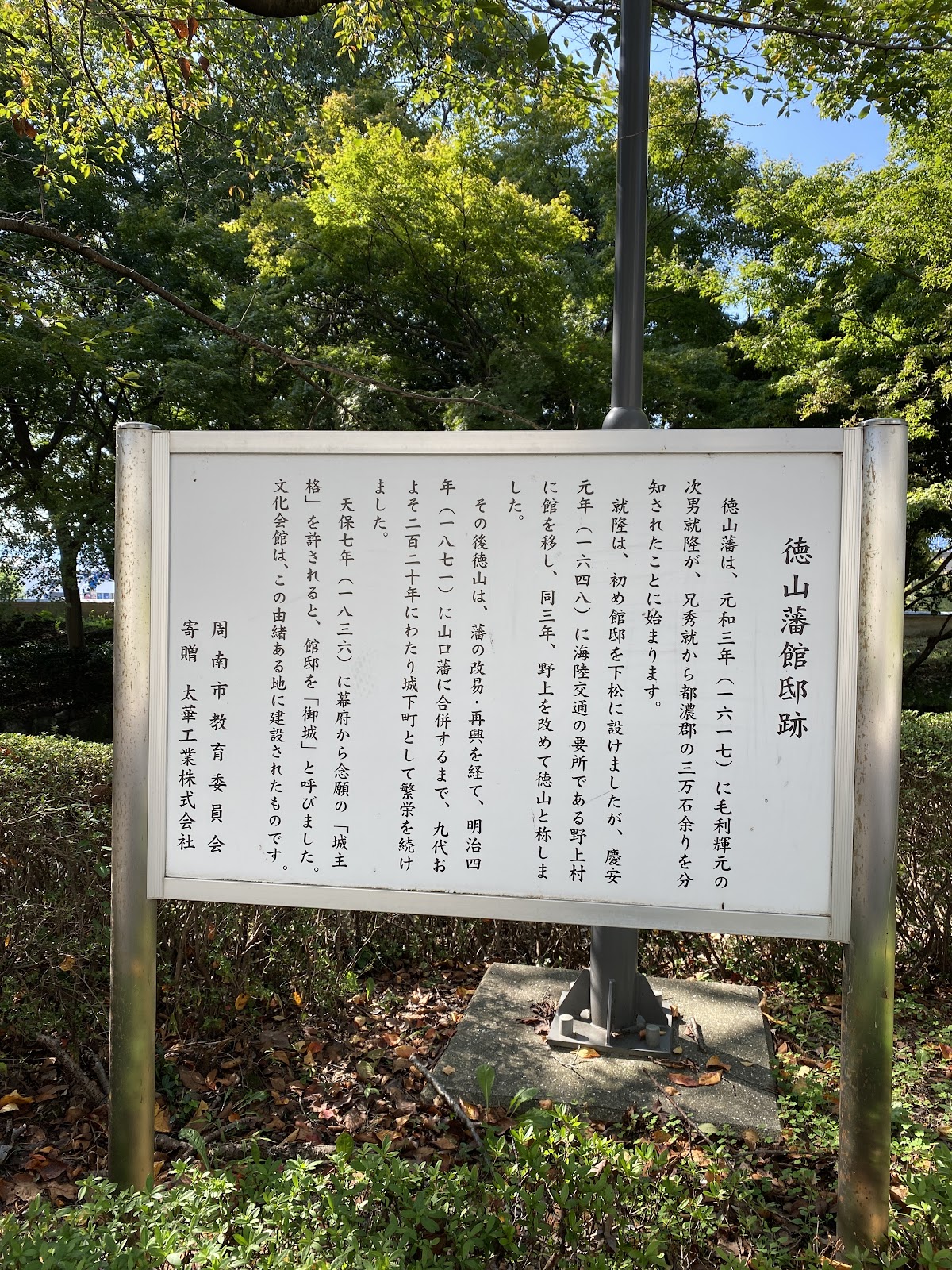
The history of the Tokuyama Domain begins with Mori Naritaka, the second son of Mori Terumoto. Initially, in 1617 (Genna 3), Mori Naritaka was granted 30,000 koku in Kudamatsu, establishing the Kudamatsu Domain as a branch domain of the Hagi Domain. At this point, it had not received formal recognition as a domain and was positioned as part of the Hagi Domain.
In 1634 (Kanei 11), it was officially recognized as a domain by the shogunate and became an independent domain. However, the location of Kudamatsu was not ideal from the perspective of transportation and domain administration.
Relocation to Tokuyama and the Origin of the Place Name
In 1648 (Keian 1), Mori Naritaka decided to relocate the domain office from Kudamatsu to Nogami Village (present-day Tokuyama district of Shunan City). Nogami Village faced the Seto Inland Sea and was conveniently located for both land and sea transportation. Two years after the relocation, in 1650 (Keian 3), the place name was changed to “Tokuyama.”
There are various theories about the origin of the place name “Tokuyama,” but it is believed to have been named with the Mori clan’s “Toku” (virtue) prefix, with the hope of the domain’s prestige and prosperity. From then on, this area developed as the center of the Tokuyama Domain.
Tokuyama Jinya: One of Japan’s Three Great Jinya
When the domain’s administrative office was first moved to Tokuyama, this facility was called “Tokuyama Jinya.” A Jinya refers to a facility where a daimyo with a domain of 10,000 koku or more resided, but which was not officially recognized as a castle. Tokuyama Jinya, along with Iino Jinya (Chiba Prefecture) and Tsuruga Jinya (Fukui Prefecture), was considered one of Japan’s Three Great Jinya, possessing both scale and prestige.
The Jinya included the lord’s residence (Goten), offices for the domain’s administration, and residences for retainers, fully functioning as a castle town. The current location of the Shunan City Cultural Center corresponds to the central area where the former Goten (Mitachi) stood.
Promotion to Castle Lord Status
A groundbreaking event for the Tokuyama domain occurred in 1836 (Tenpo 7). During the reign of the 9th lord of the domain, Mori Nariyuki, the Tokuyama domain was granted the status of a castle lord by the shogunate. As a result, the facility, previously known as “Tokuyama Jinya,” was officially renamed “Tokuyama Castle.”
The status of a castle lord meant that, even without actual castle structures such as a keep, the domain received the same treatment as a castle lord in terms of status. This was a significant event demonstrating the rise in the status of the Tokuyama domain, and the lord’s rank at Edo Castle also improved.
Meiji Restoration and Abolition of the Castle
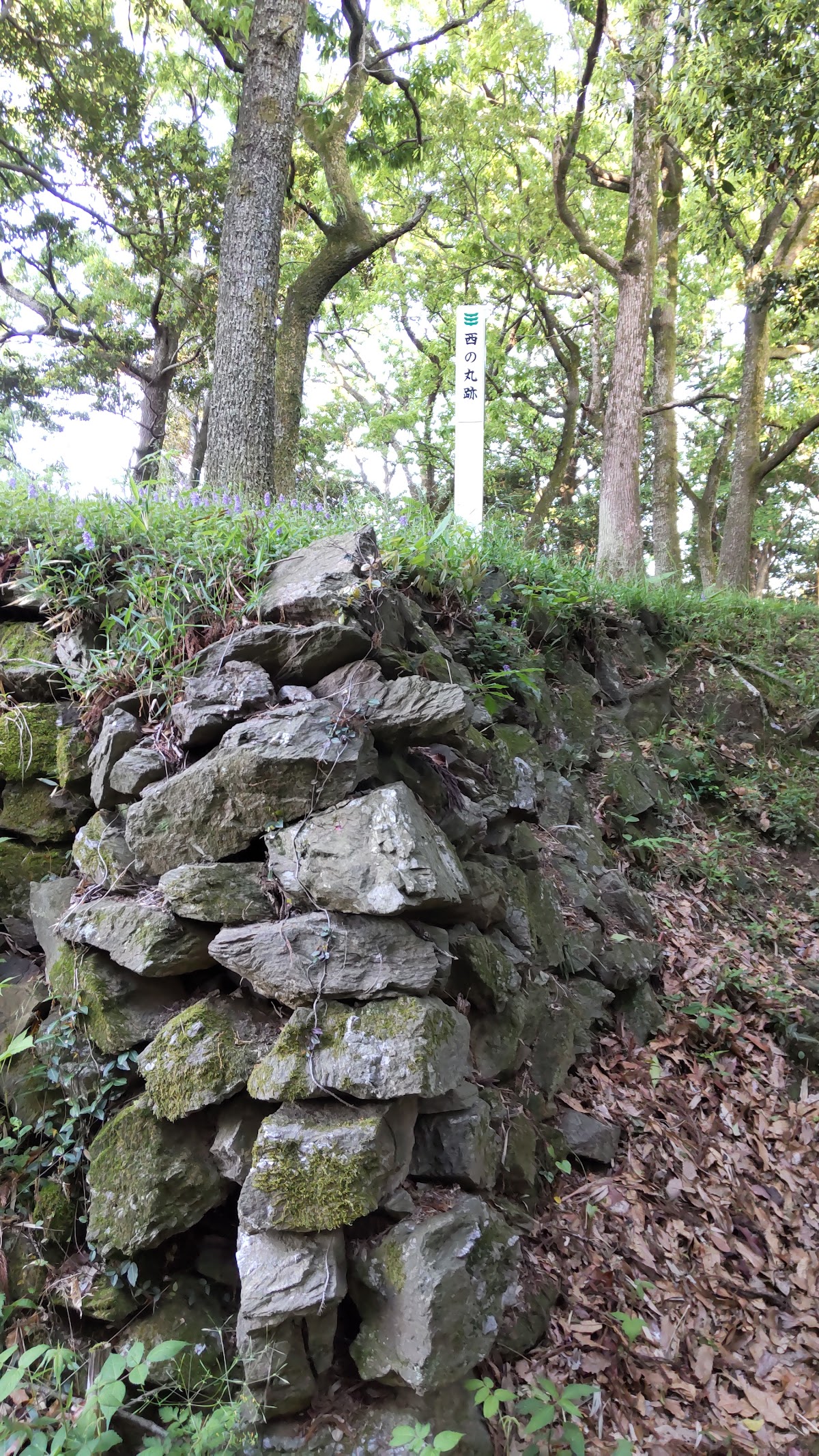
With the abolition of the feudal domains in 1871 (Meiji 4), the Tokuyama domain was abolished, and Tokuyama Castle ceased to function. Since the Meiji era, the castle site has gradually been developed into an urban area, and many of the former buildings have been lost. However, some remnants of the past, such as parts of the gardens and traces of stone walls, can still be seen today.
Structure and Characteristics of Tokuyama Castle
Transition from Jinya to Castle
Tokuyama Castle has characteristics that differ from typical early modern castles. Originally built as a jinya (fortified residence), it lacked military elements such as a keep, high stone walls, and complex layouts. However, even after gaining the status of a castle lord, no major renovations were undertaken, and it maintained the basic structure of its jinya era.
Layout of the Goten (Lord’s Residence)
The heart of Tokuyama Castle was the Goten (Lord’s Residence), where the feudal lord resided. The current site of the Shunan City Cultural Center corresponds to this. The Goten included not only the lord’s private living space, but also a hall for official ceremonies and audiences, and administrative functions for managing the domain’s affairs.
Characteristics of the Garden
One of the highlights of Tokuyama Castle is the garden attached to the Goten. Currently, a portion is preserved as the front garden of the Shunan City Cultural Center, allowing visitors to imagine its former appearance. This garden is said to have incorporated plantings that took advantage of the mild climate of the Seto Inland Sea, and the style of a pond-centered strolling garden with stone arrangements.
Although much of it was lost due to development after the Meiji era, the garden that remains today is a valuable space that allows you to feel the atmosphere of a daimyo garden from the Edo period.
Retainer Residences and Castle Town
Retainers’ residences were arranged around Tokuyama Castle. Senior retainers of the domain had residences closer to the castle, while lower-ranking samurai had residences further out, forming a castle town. Some remnants of this era remain in the current town layout of central Shunan City.
Tokuyama Castle Ruins Today: Highlights and Spot Guide
Shunan City Cultural Hall
The Shunan City Cultural Hall stands in the center of Tokuyama Castle, on the site of the former lord’s residence. Opened in 1963, this facility, equipped with a concert hall and exhibition rooms, serves as a hub for citizens’ cultural activities.
The grounds of the Cultural Center are dotted with historical remains and monuments related to Tokuyama Castle, making it an ideal starting point for exploring the castle ruins. While the building itself is modern, understanding the historical significance of its location allows for a deeper appreciation of Tokuyama’s history.
Kishida Ryusei Memorial Monument
Within the Cultural Center grounds stands a memorial to the renowned Western-style painter Kishida Ryusei. Kishida Ryusei was a leading painter of the Taisho era, known for his masterpiece, “Portrait of Reiko.” In 1929 (Showa 4), Kishida Ryusei passed away suddenly while visiting Tokuyama.
This memorial was erected in remembrance of the artist who met his end in Tokuyama. While not directly related to the Tokuyama Castle ruins, it demonstrates the rich cultural heritage of this area.
Remaining Stones from Osaka Castle Construction
Of particular note within the Cultural Center grounds are the remaining stones from the construction of Osaka Castle. This stone is said to have been left behind during the early Edo period, when the Tokugawa Shogunate rebuilt Osaka Castle after the fall of the Toyotomi clan. It was left behind by a daimyo from western Japan who was transporting building materials.
The Mori clan was also mobilized for the reconstruction of Osaka Castle and transported building materials via the Seto Inland Sea. This stone remaining in Tokuyama is a valuable artifact that tells the story of the relationship between the Mori clan and the Tokugawa Shogunate, and the history of maritime transport in the Seto Inland Sea.
Yusui Shrine
Yusui Shrine, located adjacent to the Tokuyama Castle ruins, is a shrine deeply connected to the Tokuyama Domain. It was established in 1811 (Bunka 8), with Mori Naritaka, the first lord of the Tokuyama Domain, as its enshrined deity.
The shrine’s name, “Yusui,” means “to help and protect,” reflecting reverence for the founder of the domain and a wish for the domain’s peace and prosperity. It continues to be revered as the local guardian deity, and many worshippers visit during the annual festival. From the shrine grounds, you can overlook the former castle town, making it a spot where you can feel the history of Tokuyama.
Shunan City Tokuyama Zoo
Located in a corner of the Tokuyama Castle ruins is the Shunan City Tokuyama Zoo. Opened in 1960, this zoo is the only full-fledged zoo in Yamaguchi Prefecture and is popular with many families.
The zoo grounds were once part of Tokuyama Castle. Strolling through the zoo and reflecting on the fact that this was once the residence of a feudal lord will be an interesting experience for history buffs. A visit combining the zoo and historical exploration is especially recommended for families.
Garden Ruins
As mentioned above, the garden in front of the Cultural Center is part of the former Tokuyama Castle garden. Although its scale has been reduced, the pond, stonework, and plantings give a sense of the atmosphere of an Edo-period daimyo garden.
Especially during the cherry blossom season in spring and the autumn foliage season, the garden’s beauty is outstanding, making it a popular place of relaxation for many citizens. It is a valuable space that combines historical value with the functionality of a modern urban park.
Genealogy of the Mori Clan, Lords of Tokuyama Domain
First Lord: Mori Naritaka
He was the first lord who laid the foundation of the Tokuyama Domain. Born as the second son of Mori Terumoto, he was granted 30,000 koku in Kudamatsu in 1617. In 1648, he moved the domain office to Tokuyama, establishing the foundation of the domain’s administration. In 1674, he founded Taisei-ji Temple as the family temple, establishing the spiritual pillar of the Mori family.
Reigns of Successive Lords
The Tokuyama Domain was ruled by the Mori clan for 13 generations until the end of the Edo period. Each lord strived to stabilize the domain’s administration, promote industry, and improve education within their limited stipends. In particular, the attainment of castle lord status during the reign of the 9th lord, Mori Naritaka, was the greatest honor in the domain’s history.
Taisei-ji Temple and the Lords’ Burial Grounds
The burial grounds of the first lord, Mori Naritaka, and successive lords and their families are located at Taisei-ji Temple. Founded by Naritaka in 1674, this temple played an important role as the family temple of the Tokuyama Mori clan.
The burial grounds are still maintained today and are an important historical site commemorating the history of the Tokuyama domain. From the tombstones and memorial towers, one can learn about the achievements of each lord and the religious beliefs of the time.
Access and Tourist Information
Access by Train
Access to Tokuyama Castle Ruins is very convenient. It can be reached on foot or by bus from JR Tokuyama Station, where the Sanyo Shinkansen and conventional lines stop.
- Walking from JR Tokuyama Station: Approximately 20 minutes
- Bus from JR Tokuyama Station: Take the Shunan City Community Bus “Shunan” and get off at “Bunka Kaikan-mae” or “Dobutsuen Iriguchi” (Zoo Entrance).
Shunan City operates a 100-yen loop bus service, making it very convenient for tourists. The fact that you can easily visit without a car is a major attraction of Tokuyama Castle Ruins.
Access by Car
- From Sanyo Expressway Tokuyama East IC: Approximately 10 minutes
- From Sanyo Expressway Tokuyama West IC: Approximately 15 minutes
Shunan City Cultural Hall and Tokuyama Zoo have ample parking, making access by car convenient.
Nearby Tourist Spots
When visiting Tokuyama Castle Ruins, we recommend also visiting the surrounding historical sites.
Sumisenji Temple Ruins (Site of Imprisonment and Sword Commitment of Kunishi Chikamasa)
This is the site of Sumisenji Temple, where Kunishi Chikamasa, one of the three chief retainers of the Choshu Domain, was imprisoned and committed seppuku (ritual suicide). A stone monument has been erected here as a historical site that tells the story of the internal conflicts within the Choshu Domain during the late Edo period.
Tokuyama Mori Jinya Ruins Monument
A stone monument marking the site of the Tokuyama Mori Jinya (fortified residence) stands within the city, allowing visitors to confirm the boundaries of the former castle town.
Tokuyama Port and Industrial Zone
Present-day Shunan City is an industrial city known for its petrochemical complex. Around Tokuyama Port, factories of major chemical manufacturers such as Tokuyama and Tosoh spread out, making it a popular spot for night views. It’s a place where you can feel the transition from an Edo-period castle town to a modern industrial city.
Best Season to Visit
While Tokuyama Castle Ruins can be visited year-round, there are certain seasons that are particularly recommended.
- Spring (late March to early April): Cherry blossom season. The cherry blossoms around the cultural center and within the zoo are in full bloom.
- Autumn (November): Autumn foliage season. The gardens are at their peak of autumn colors, and the weather is ideal for historical walks.
- Winter (December to February): A quiet time to experience history with fewer tourists.
Estimated Time Required
- Tokuyama Castle Ruins Only: Approximately 1 hour
- Tokuyama Castle Ruins + Zoo: 3-4 hours
- Tokuyama Castle Ruins + Tour of Surrounding Historical Sites: Half a day to a full day
Deeper Understanding of Tokuyama’s History and Culture
Shunan City Local History Museum
For those who want to learn more about the history of Tokuyama Castle and the Tokuyama Domain, the local history corner within the Shunan City Library is recommended. It displays and preserves ancient documents, maps, and photographs related to the Tokuyama Domain, and is accessible not only to researchers but also to general history enthusiasts.
The library’s website also features a “Local History Gallery,” a digital archive that can be accessed before your visit.
History of the Founding of Tokuyama
The Shunan City official website provides detailed information on the founding of Tokuyama. It explains the process from when Mori Naritaka moved the domain’s office to Nogami Village until the name was changed to Tokuyama, the development of the castle town, and the changes in industry, all accompanied by abundant historical materials.
Local Traditions and Folklore
Tokuyama still retains festivals and folk customs passed down from the feudal era. The annual festival of Yusui Shrine and other annual events held at local shrines and temples strongly reflect the culture of the Tokuyama domain. Participating in these events offers a living historical experience that goes beyond mere historical site visits.
Tokuyama Castle and Surrounding Fortresses
Kudamatsu Castle Ruins
Kudamatsu, where the Tokuyama domain was first established, is home to the ruins of Kudamatsu Castle. This was the first castle of Mori Naritaka. While few remains today, a stone monument stands there. When visiting Tokuyama Castle, visiting the ruins of Kudamatsu Castle, the origin of the domain, will provide a deeper understanding of its history.
Iwakuni Castle
Located about 40 minutes by car from Shunan City, Iwakuni Castle, along with Kintaikyo Bridge, is a representative tourist attraction of Yamaguchi Prefecture. The Iwakuni Domain was also a branch domain of the Mori clan, and it shared the same roots as the Tokuyama Domain, making them brother domains. Iwakuni Castle boasts a magnificent keep as a mountain castle, offering a contrasting castle style to Tokuyama Castle.
Hagi Castle Ruins
The ruins of Hagi Castle, the residence of the Hagi Domain (the main branch of the Tokuyama Domain), are also a must-see when visiting Yamaguchi Prefecture. Hagi Castle, built by Mori Terumoto, was the stage for 260 years of Choshu Domain history. Since the Tokuyama Domain started as a branch domain of the Hagi Domain, visiting both castles will provide a comprehensive understanding of the Mori clan’s lineage and history.
Points to Note and Manners When Visiting Tokuyama Castle
Opening Hours of the Cultural Center and Zoo
Since the main part of the Tokuyama Castle site is a public facility, please check the opening hours of each facility before visiting.
- Shunan City Cultural Center: Facility use is by reservation only. The exterior and gardens are always open for viewing.
- Tokuyama Zoo: Opening hours 9:00-16:30 (last entry at 16:00), closed Tuesdays (or the following day if Tuesday is a public holiday)
Cooperation in Historical Site Preservation
Historical sites such as garden remains and remaining stones are valuable cultural assets. Please note the following points when visiting:
- Do not climb on or touch the stone walls or monuments.
- Do not damage the plants in the gardens.
- Always take your trash with you.
- Photography is permitted, but please be considerate of other visitors.
Consideration for the Community
The area around the Tokuyama Castle site is an urban area and a residential area for local residents. Please avoid actions that may disturb local residents, such as making noise or parking illegally on the street.
Summary: The Charm and Historical Value of Tokuyama Castle
Tokuyama Castle is a unique castle with a history that began as a fortified residence without a keep and later attained the status of a castle lord. While currently enjoyed by citizens as a cultural center and zoo, it still conveys the history of Edo-period feudal rule through its garden remains, monuments, and surrounding historical sites.
As one of Japan’s three major fortified residences and an important historical site telling the history of a branch domain of the Mori clan, Tokuyama Castle is indispensable for understanding the history of Yamaguchi Prefecture. Its easy accessibility and the diverse ways to enjoy it, including the zoo and cultural facilities, are also major attractions.
When visiting Yamaguchi Prefecture, be sure to visit the Tokuyama Castle ruins and experience the history of the castle town ruled by the Mori clan and the atmosphere of the place that formed the foundation of the development of present-day Shunan City. Its location, easily accessible from Tokuyama Station, a Shinkansen stop, makes it easy to incorporate into your travel plans.
For history enthusiasts, families, and tourists alike, Tokuyama Castle Ruins is a valuable spot to experience the history and culture of Yamaguchi Prefecture, making it well worth a visit.