Tominaga Castle (Tohaku District, Tottori Prefecture) Complete Guide | History and Highlights of a Sengoku Period Mountain Castle in Hoki Province
What is Tominaga Castle? | A Sengoku Period Mountain Castle in Hoki Province Remaining in Daisen Town, Tohaku District, Tottori Prefecture
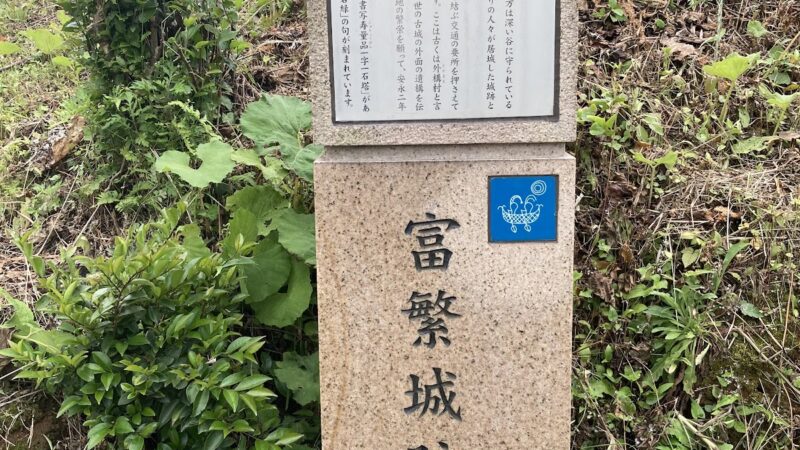
Tominaga Castle is the site of a Sengoku period mountain castle located in Tominaga, Daisen Town, Saihaku District, Tottori Prefecture. Built around the present-day Tominaga Shrine, this castle functioned as an important military base in Hoki Province.
Classified as a flatland castle, Tominaga Castle was built on low ground at an altitude of approximately 26 meters, utilizing the relatively flat terrain with a relative height difference of approximately 20 meters. During the Sengoku period in Hoki Province, many castles were built in border areas with Inaba Province and at strategic transportation points, and Tominaga Castle was one of them, playing a central role in regional control.
Currently designated as a town historical site, the remains of earthworks, baileys, and moats are well-preserved. While Tottori Prefecture boasts famous castle ruins such as Tottori Castle and Yonago Castle, the ruins of local powerful families like Tominaga Castle are extremely valuable historical sites for understanding regional society during the Sengoku period (Warring States period).
History of Tominaga Castle | As the Residence of the Aramatsu and Fukuyori Clans
Background of Construction and Hoki Province during the Sengoku Period
Although there are no clear records of when Tominaga Castle was built, it is believed to have been constructed during the mid-to-late Sengoku period by a local powerful family that ruled the region. Hoki Province, as a strategic point in the San’in region, had long been militarily important.
During the Sengoku period, Hoki Province was under the influence of powerful forces such as the Amago, Mori, and Oda clans. Local smaller families needed to maintain relations with these forces while protecting their own territories. Tominaga Castle functioned as a base for regional defense within this historical context.
The Rule of the Aramatsu and Fukuyori Clans
The Aramatsu and Fukuyori clans are recorded as the lords of Tominaga Castle. These families were local powerful families in Hoki Province, ruling over the region.
The Aramatsu clan were local lords with considerable influence within Hoki Province, establishing their control over the Tominaga area. Later, the Fukuyori clan became the castle lords and are believed to have used Tominaga Castle as their base until the end of the Sengoku period.
During the turbulent Sengoku period, the Fukuyori clan sought to preserve their territory, sometimes subservient to the Amago clan and sometimes to the Mori clan. The actions of these local powerful families illustrate the reality of regional society during the Sengoku period, where individuals struggled to survive amidst powerful forces.
Changes After the Tensho Era
In the Tensho era (1573-1593), Oda Nobunaga’s influence began to extend to the San’in region. In particular, the attack on Tottori Castle by Hashiba Hideyoshi in 1580, the so-called “starvation of Tottori,” had a significant impact on the entire provinces of Hoki and Inaba.
While there are no clear records of the role of Tominaga Castle during this period, it is believed that, like many small castles in Hoki Province, it lost its military function with the end of the Sengoku period.
In the Edo period, many castles were abandoned due to the “One Castle Per Province” decree of the Genna era. Tominaga Castle was also abandoned during this period, and since then, the site has been the grounds of Tominaga Shrine.
Tominaga Castle’s Layout and Structure | Characteristics as a Flatland Castle
Basic Structure of the Castle
Tominaga Castle is classified as a flatland castle, but it is not built on completely flat ground; it also possesses elements of a hilltop castle, utilizing a slight difference in elevation. Its location, at an altitude of 26 meters and a relative height difference of 20 meters, suggests a balance between defensiveness and habitability.
The castle’s central enclosure (shukuro) was surrounded by multiple smaller enclosures (kuruwa). Each enclosure was enclosed by earthen ramparts and demarcated by moats, a typical layout for the Sengoku period (Warring States period).
Structure and Characteristics of Earthen Ramparts
The most striking feature of Tominaga Castle is its well-preserved earthen ramparts. These ramparts served as defensive structures for the castle, preventing enemy intrusion and shielding the enclosures from the outside.
The existing ramparts are approximately 2-3 meters high and 5-7 meters wide at the base, a standard size for a regional castle of the Sengoku period. The top of the ramparts is somewhat flat, suggesting the possibility of fences or walls.
The construction method of the ramparts is believed to have utilized the “rammed earth” technique, where soil excavated from the natural ground and soil brought in from the surrounding area were piled alternately. This construction method enhanced the strength and durability of the ramparts.
Arrangement of Moats and Entrances
Multiple moats demarcating the enclosures have been identified at Tominaga Castle. These moats, primarily constructed as dry moats, were approximately 3-5 meters wide and 2-3 meters deep, serving to physically hinder enemy incursions.
Of particular note is the presence of the lateral moats. These moats were constructed to defend the sides of the castle, making it difficult for enemies to bypass it. The lateral moats of Tominaga Castle are skillfully positioned, utilizing the terrain and demonstrating the high level of skill of the castle builder.
The koguchi (gate) is the entrance to the castle and the area requiring the strongest defense. It is believed that Tominaga Castle employed a “earthen rampart koguchi” system, where the koguchi was surrounded by an earthen rampart. This allowed for attacks on invading enemies from the flank.
Arrangement and Function of the Enclosures
Multiple enclosures have been identified at Tominaga Castle, each presumably having a different function. The main enclosure (shukuruwa) was the central space where the lord’s residence and command post were located, possessing the highest level of defense.
Surrounding the main enclosure were secondary enclosures such as the second and third enclosures, which are thought to have housed the residences of retainers, soldiers’ quarters, and armories. Each enclosure was demarcated by earthworks and moats, functioning as an independent defensive unit.
The size of the enclosures is estimated to be approximately 50 meters square for the main enclosure. This is a standard size for a local powerful family’s castle during the Sengoku period, and it is thought to have been large enough to accommodate several dozen to one hundred soldiers.
Remains of Tominaga Castle | Traces of the Sengoku Period that can be seen today
Current state of the earthworks
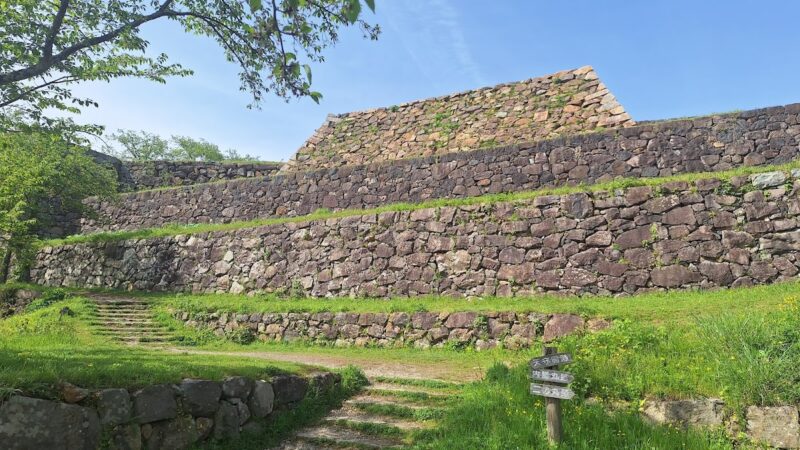
At the current Tominaga Castle site, the earthworks are the best-preserved remains. In the area that is now the grounds of Tominaga Shrine, earthworks approximately 2 meters high can be clearly seen, conveying the appearance of a Sengoku period castle.
Although the surface of the earthworks has been eroded by years of wind and rain, the basic shape is well preserved. Walking along the earthworks allows you to experience the scale and structure of the castle at that time.
Of particular note are the curves in the earthworks. The arrangement of the earthworks, which are not straight but moderately curved, demonstrates the castle-building techniques of the Sengoku period, reducing blind spots and enabling flanking attacks.
Confirmation of Moat Remains
While the moat remains are not as clear as those of the earthworks, the locations where moats once existed can be identified by observing the topography. Especially at the boundaries between enclosures, traces of the moats remain as slight depressions.
Many parts of the moats, which were constructed as dry moats, have been filled in by years of sediment accumulation, but it is possible to estimate their former depth and width by observing their cross-sections.
The traces of the horizontal moats remain relatively clear on the east and west sides of the castle, providing important clues to understanding the overall defensive lines of the castle.
Topography of the Enclosures
The flat area considered to be the main enclosure overlaps with the current location of the Tominaga Shrine. This flat area is clearly artificially constructed and is elevated above the surrounding area.
The areas corresponding to the second and third baileys also remain as slight elevation differences in the terrain, allowing us to imagine the castle’s structure in its heyday. While some of these baileys are now farmland or residential areas, their extent can be estimated by observing the microtopography.
Traces of the Gate
The exact location of the gate cannot be determined definitively because no archaeological excavation has been conducted, but several locations can be estimated from topographical observations. In particular, a break in the earthworks can be observed in what is thought to be the access route to the main bailey, making it highly probable that this was the gate.
Relationship between Tominaga Shrine and Tominaga Castle | Shrine on the Castle Site
History of Tominaga Shrine
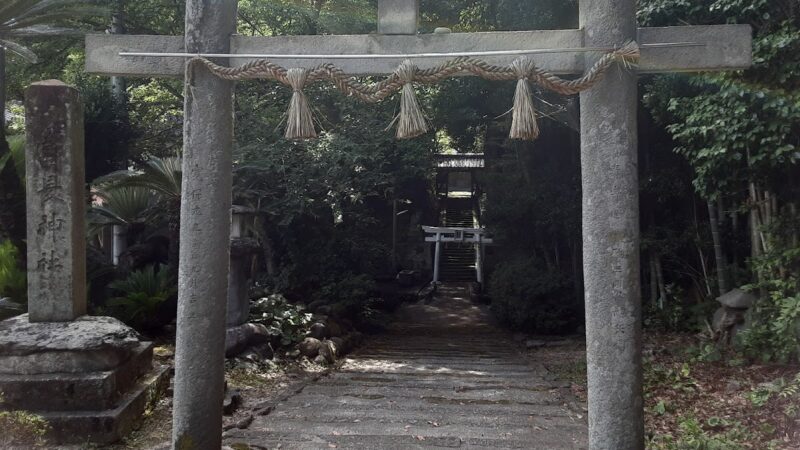
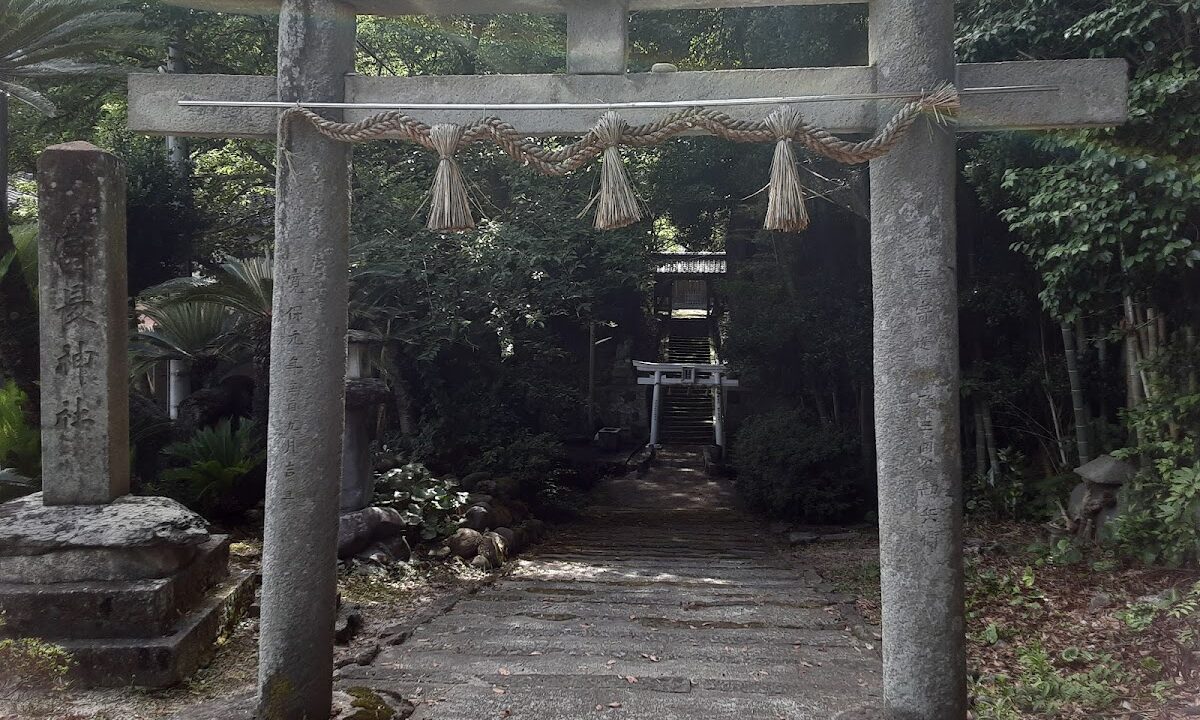
Tominaga Shrine currently stands in the center of the Tominaga Castle site. Tominaga Shrine has long been revered as the local guardian deity and plays an important role in the preservation of the castle site.
The exact founding date of the shrine is unclear, but it is possible that it was built after Tominaga Castle was abandoned, to protect the castle ruins as a sacred area. This practice of building shrines on castle sites is common throughout Japan and ultimately contributes to the preservation of the castle ruins.
Remaining Castle Structures on the Shrine Grounds
The grounds of Tominaga Shrine retain well-preserved castle structures. The earthen ramparts surrounding the shrine buildings are thought to be the original ramparts of the former castle.
The layout of the approach to the shrine may also follow the former access route to the castle, allowing visitors to enjoy both shrine worship and castle ruin exploration simultaneously.
A careful observation of the topography within the shrine grounds reveals the basic structure of a castle: a flat main enclosure, surrounding earthen ramparts, and a lower outer enclosure.
Access and Visiting Information for Tominaga Castle
Location and Transportation Access
Location: Tominaga, Daisen-cho, Saihaku-gun, Tottori Prefecture (Tominaga Shrine)
Access by Car: – Approximately 15 minutes from the Yonago Expressway “Mizoguchi IC”
- Accessible via Prefectural Road from National Route 9
- Parking available near Tominaga Shrine (a few cars)
Access by Public Transportation: – Approximately 10 minutes by taxi from JR San’in Main Line “Nawa Station”
- Access by car is recommended due to limited bus service.
Precautions When Visiting
Since the Tominaga Castle ruins are located within the grounds of Tominaga Shrine, it is important to observe proper shrine etiquette when visiting. Please note the following:
- Respect for the Shrine: Remember that this is shrine grounds and be considerate so as not to disturb worshippers.
- Protection of Historical Remains: Act carefully to avoid damaging earthworks and moat remains.
- Respect for Private Property: Areas outside the shrine grounds may be private property; do not trespass.
- Ensure Safety: Exercise extreme caution in areas with unstable footing, such as on top of earthworks.
- Take Your Trash Home: To maintain the beauty of the historical site, please be sure to take all your trash with you.
Estimated Visiting Time
It is recommended to allow 30 minutes to 1 hour for a visit to the Tominaga Castle Ruins. 1 hour is appropriate if you want to observe the main remains and take photographs.
If you wish to observe the remains in detail or investigate the surrounding topography, we recommend allocating about 2 hours.
Best Time to Visit and Attire
Best Time to Visit:
- Spring (April-May) and Autumn (October-November) are the most comfortable times.
- In summer, vegetation can make it difficult to see the ruins.
- In winter, snow can make visiting difficult.
Recommended Attire:
- Comfortable walking shoes (sneakers or trekking shoes)
- Long-sleeved shirt and long pants (to protect from vegetation and insects)
- Hat (for sun protection)
- Rain gear (to prepare for changing weather)
Castle Ruins Around Tominaga Castle | Hoki Province Castle Network
Kukonomimaki Castle
Near Tominaga Castle is Kukonomimaki Castle. Located in Kukonomimaki, Hoki-cho, Saihaku-gun, Tottori Prefecture, this castle is a hill castle at an altitude of 125 meters with a relative height difference of 20 meters, and the remains of earthworks and baileys remain.
Mimaki Castle in Hisago, like Tominaga Castle, was a residence of a local powerful family in Hoki Province, and it is believed that both castles formed part of a regional defense network.
Major Castles of Hoki Province
Besides Tominaga Castle, there are many other castle ruins in Hoki Province:
- Yonago Castle: A central castle in Hoki Province, and the residence of the Yonago Domain during the Edo period.
- Hagoromoishi Castle: A mountain castle from the Sengoku period, known as the residence of the Nanjo clan.
- Odaka Castle: One of the important strongholds during the Sengoku period.
By visiting these castles, one can understand the history of castle development in Hoki Province from the Sengoku period to the Edo period.
Castle Culture of Tottori Prefecture | Famous Castles of Inaba and Hoki
Tottori Castle and Castles of Inaba Province
In Inaba Province, in eastern Tottori Prefecture, lies Tottori Castle, a famous castle representative of the prefecture. Tottori Castle, built on Mount Hisamatsu (263 meters above sea level), originated as a mountain castle during the Sengoku period and was a formidable fortress praised as “one of Japan’s most magnificent mountain castles.”
It is historically famous as the site of the siege of Tottori in 1580, known as the “starvation siege of Tottori” by Hashiba Hideyoshi. Oda Nobunaga also praised Tottori Castle as a “sturdy and magnificent castle.” It is a complex castle complex consisting of a mountain castle section on the summit and a residential section at the foot of the mountain, with well-preserved remains such as stone walls and the castle tower base.
During the Edo period, it became the residence of the Tottori Domain, with a 320,000 koku (unit of rice production) yield, and flourished as the center of a large domain boasting the 12th largest rice yield in Japan. Currently, it is designated as a National Historic Site, “Tottori Castle Ruins with Taikogahira,” and is also selected as one of Japan’s Top 100 Castles.
Characteristics of Castles in Hoki Province
Compared to castles in Inaba Province, castles in Hoki Province have the following characteristics:
- Many castles of local powerful families: Numerous castles existed built by small to medium-sized powerful families who controlled the region, such as Tominaga Castle.
- Mixed mountain and flatland castles: Depending on the terrain, castles of various forms, including mountain castles, hill castles, and flatland castles, were constructed.
- Earthly constructed castles: Few castles used stone walls; structures primarily based on earthworks and moats were common.
- Emphasis on defense: Many castles were built during the turbulent Sengoku period, and are characterized by layouts that prioritized defense.
The San’in Region in the Sengoku Period as Seen Through Castles
The castles of Tottori Prefecture reflect the complex political situation in the San’in region during the Sengoku period. Caught between the powerful forces of the Amago, Mori, and Oda clans, local powerful families built castles to survive, sometimes forming alliances, and sometimes clashing with each other.
Castles like Tominaga Castle, the residences of local powerful families, are valuable historical sites that tell the story of the Sengoku period at the “grassroots level.” These castle ruins possess a different kind of charm than the large, famous castles with their massive stone walls and keeps.
Preservation of Tominaga Castle and Future Challenges
Designation as a Town Historic Site
Tominaga Castle is designated as a town historic site of Oyama Town and is recognized as an important cultural asset of the region. This designation ensures the protection and proper management of the remains.
While town historic site designations are less well-known than national or prefectural historic sites, they are a system for protecting historical sites that are important for understanding local history. In the case of Tominaga Castle, local residents are also engaged in preservation activities, contributing to maintenance such as mowing and cleaning.
Current Status and Challenges of Preserving the Historical Remains
While the remains of Tominaga Castle are relatively well-preserved, the following challenges exist:
- Natural Erosion: Earthworks and moat traces are gradually eroding due to natural wind and rain.
- Vegetation Management: There are times when the remains are difficult to see due to the overgrowth of vegetation.
- Surrounding Development: There is a possibility that parts of the castle site may be altered due to residential development and agricultural land development.
- Increasing Awareness: Awareness is low among people other than local residents and castle enthusiasts.
Future Utilization and Development
The following are possibilities for utilizing local castles like Tominaga Castle:
Educational Use: By using it as teaching material for local history in local schools, it can serve as an opportunity for children to become interested in local history.
Tourism Resource Development: By establishing a “castle tour route” that combines it with major castles such as Tottori Castle and Yonago Castle, visits by history enthusiasts can be promoted.
Academic Research: Detailed surveys and partial archaeological excavations can clarify the structure and history of the castle.
Information Board Installation: Installing detailed explanatory boards at the site can deepen visitors’ understanding.
Advice for Castle Enthusiasts Visiting Tominaga Castle
How to Enjoy Exploring Castle Ruins
When visiting regional castles like Tominaga Castle, keeping the following points in mind will enhance your enjoyment:
Prior Study: Researching the history of Hoki Province during the Sengoku period, and the Aramatsu and Fukuyori clans, before your visit will deepen your understanding at the site.
Topographical Observation: At castle ruins, it’s important to observe the overall topography, not just the earthworks and moats. Walking while considering how the terrain was used to enhance defenses will reveal the intentions of the castle builder.
Photography: When taking photos of the ruins, including people or objects in the shot will help convey a sense of scale and make the photos easier to understand when you look back at them later.
Keep a Record: Recording the date and time of your visit, the weather, and any observed ruins will be helpful when comparing it with other castle ruins.
Nearby Attractions
When visiting Tominaga Castle, we recommend also visiting the surrounding tourist spots:
Mt. Daisen: Mt. Daisen (1,729 meters above sea level), the highest peak in the Chugoku region, is about a 30-minute drive from Tominaga Castle. You can enjoy mountain climbing and hiking.
Daisen-ji Temple: An ancient temple founded during the Nara period, it flourished as a center of Daisen worship. You can see historical buildings and Buddhist statues.
Nawa Shrine: A shrine dedicated to Nawa Nagatoshi, a samurai from the Nanboku-cho period, it is an interesting spot for history buffs.
Coastal Area: You can enjoy fresh seafood along the coastline facing the Sea of Japan.
Model Castle Tour Courses
1-Day Course:
Morning: Visit Tominaga Castle (1 hour) → Visit Kugo no Mimaki Castle (1 hour)
Lunch: Local cuisine at a local restaurant
Afternoon: Visit Daisen-ji Temple → Stroll around Daisen
2-Day Course:
Day 1: Castle Tour of Hoki Province (Tominaga Castle, Kugo no Mimaki Castle, Hagoromoishi Castle, etc.)
Day 2: Castle Tour of Inaba Province (Tottori Castle, Wakasa Onigajo Castle, etc.)
Summary | Hoki Province in the Sengoku Period as Told by Tominaga Castle
Tominaga Castle is a valuable castle ruin from the Sengoku period located in Tominaga, Daisen-cho, Saihaku-gun, Tottori Prefecture. This castle, which functioned as the residence of local powerful families such as the Aramatsu and Fukuyori clans, retains well-preserved remains such as earthworks, baileys, moats, gates, and lateral moats, conveying the reality of local castles in the Sengoku period.
Located at an altitude of 26 meters with a relative height difference of 20 meters, Tominaga Castle’s site strikes a balance between defense and habitability. While possessing characteristics of a flatland castle, it features a layout that skillfully utilizes the terrain. Currently, it is part of the grounds of Tominaga Shrine, allowing visitors to enjoy both shrine worship and castle ruins simultaneously.
Compared to famous castles like Tottori Castle, it is smaller in scale, but regional castles like Tominaga Castle are important historical sites that tell the story of regional society during the Sengoku period (Warring States period). The remains of earthworks and moats offer a glimpse into the lives of local powerful families who survived amidst the clashes of great forces.
Protected as a town historical site, Tominaga Castle is expected to continue to be preserved and utilized as a valuable cultural asset of the region. We encourage castle enthusiasts and history buffs to visit and reflect on the Sengoku period in Hoki Province.
Stand on the earthworks of Tominaga Castle in the tranquil environment surrounded by the mountains of Hoki Province, and feel the spirit of the warriors who once ruled this land. It will be an encounter with stories from the Sengoku period that are not found in history textbooks, but which certainly existed.