Magome Castle (Ota Ward, Tokyo) Complete Guide | Exploring the History of a Sengoku Period Castle and the Kajiwara Clan
Magome Castle, located in Minami-Magome, Ota Ward, Tokyo, was a medieval castle ruled by a vassal of the Later Hojo clan during the Sengoku period. While very few remains today, it is known as an important historical site indispensable to understanding the history of Ota Ward. This article provides a detailed explanation of this valuable castle site, from its historical background and structure to its current estimated location, access methods, and surrounding attractions.
What is Magome Castle? | A Medieval Castle in Ota Ward, Tokyo
Magome Castle was a castle from the Sengoku period located in the Minami-Magome area of Ota Ward, Tokyo. It cleverly utilized the topography of a tongue-shaped plateau, functioning as a natural stronghold surrounded by steep cliffs and swamps. It is estimated that the castle grounds encompassed a vast area spanning the present-day Minami-Magome and Naka-Magome regions.
Magome Castle, a medieval castle, possessed the typical form of a flatland castle and was one of the important strongholds indicating the sphere of influence of the Later Hojo clan in Musashi Province. As one of the few remaining medieval castle ruins in the heart of Tokyo, it is a historical site of great historical value.
Location and Topographical Characteristics of Magome Castle
Magome Castle was built on the tip of a tongue-shaped plateau located at the southern end of the Musashino Plateau. This terrain was extremely advantageous for defense, surrounded on three sides by steep cliffs, with a marshland at the bottom of the valley. It was a natural fortress, effectively blocking enemy invasions with its natural terrain.
From the plateau, one could survey the surrounding area, serving as a lookout point to detect enemy movements early. This topographical advantage is one of the reasons why Magome Castle functioned as an important base throughout the Sengoku period (Warring States period).
History of Magome Castle | The Era of Kajiwara Sukegoro and the Later Hojo Clan
About the Castle Lord, Kajiwara Sukegoro Mikawa-no-kami
The lord of Magome Castle is known as Kajiwara Sukegoro Mikawa-no-kami. The Kajiwara clan claimed descent from Kajiwara Kagetoki, a powerful retainer during the Kamakura period, and served the Later Hojo clan during the Sengoku period.
According to the Hojo clan’s land register, Kajiwara Sukegoro’s fiefdom was 32 kan 60 mon. This was a medium-sized territory among the Later Hojo clan’s retainers, but given that he was entrusted with an important area close to Edo Castle, it is thought that he enjoyed the Hojo clan’s trust.
Magome Village under the Rule of the Later Hojo Clan
Magome Village belonged to the Edo Castle territory, but in the late Sengoku period, Hojo Ujimasa directly controlled the Edo Castle territory. Therefore, records show that the villagers of Magome Village were sometimes sent to distant Odawara and Hakone for labor.
During this period, Magome played a crucial military and administrative role as one of the important bases within the sphere of influence of the Later Hojo clan. Located along the road connecting Edo Castle and Odawara Castle, it is believed to have also functioned as a vital transportation hub.
Magome Castle After the Fall of the Hojo Clan
In 1590 (Tensho 18), with the fall of the Later Hojo clan following Toyotomi Hideyoshi’s siege of Odawara, Magome Castle ceased to function. After Tokugawa Ieyasu’s entry into Edo, this area developed as a suburb of Edo.
After losing its function as a castle, the plateau of Magome was gradually converted into farmland and residential areas. Throughout the Edo period, traces of the former castle gradually disappeared.
Magome Castle Grounds and Structure | A Medieval Castle on a Vast Plateau
Estimated Extent of the Castle Grounds
According to official information from Ota Ward, the grounds of Magome Castle were vast, extending as follows:
- East: Up to Kitano Shrine (Minami-Magome 2-chome)
- West: Up to Yudono Shrine (Minami-Magome 5-chome)
- South: Up to Usuda-zaka-shita (Chuo 1-chome, Chuo 4-chome)
- North: Up to Ota City Magome Library (Naka-Magome 2-chome)
This area spanned approximately 800 meters east-west and 600 meters north-south, indicating that it was a considerably large medieval castle. In terms of current addresses, the castle grounds covered a wide area from Minami-Magome to Naka-Magome.
Castle Defense Structure
The defenses of Magome Castle primarily utilized the natural terrain:
- Steep Cliffs: Steep cliffs surrounding the plateau physically hindered enemy incursions.
- Marshland at the Bottom of the Valley: Marshes were strategically placed in the valleys below the cliffs, forming an additional defensive line.
- Watchtower on the Plateau: The elevated position allowed for wide-area surveillance.
- Limited Access Routes: Limiting access routes to the plateau allowed for concentrated defense.
Through these multi-layered defensive structures, Magome Castle possessed strong resistance against enemy invasions.
Existing Remains
Unfortunately, the area around Magome is now entirely residential, and no clear castle remains have been identified. Typical castle structures such as moats, earthworks, and baileys have been lost.
However, the topography itself hasn’t changed significantly, and walking along the edge of the plateau, you can still sense the remnants of the former steep cliffs. Furthermore, it’s possible to discern topographical features from the castle era, such as slopes and valleys.
Estimated Site of Magome Castle | Yudono Shrine, Manpuku-ji Temple, Yudono Park
Yudono Shrine (Minami-Magome 5-chome)
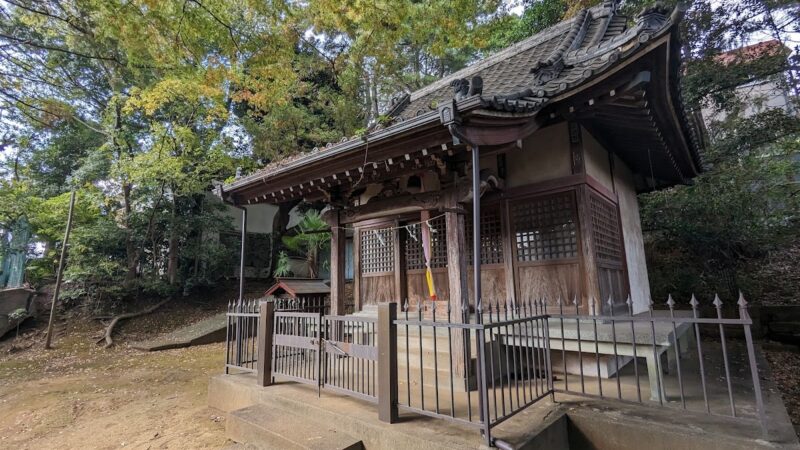
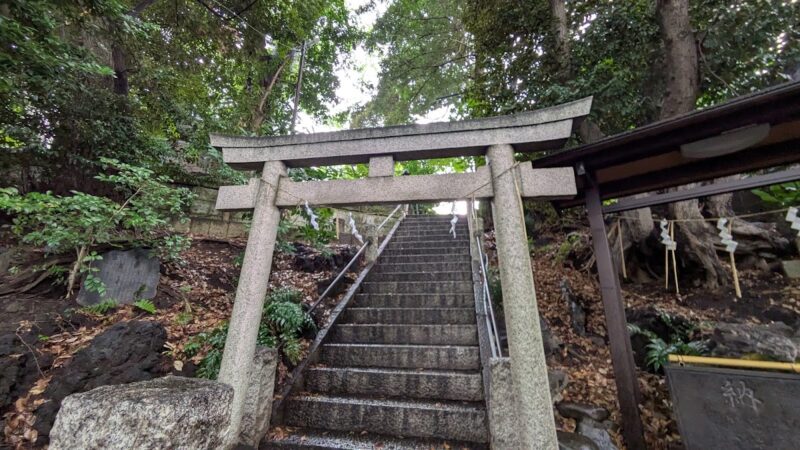
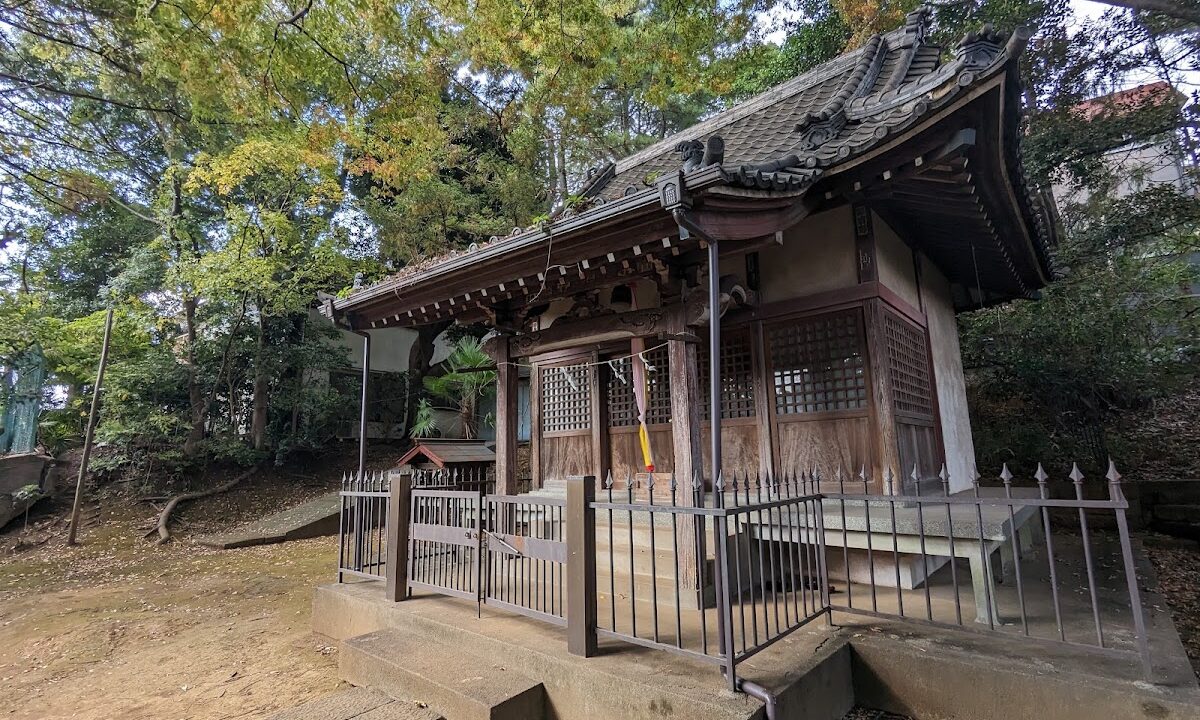
The most likely candidate for the estimated site of Magome Castle is Yudono Shrine, located in Minami-Magome 5-chome. This shrine is situated at the western edge of the plateau and is thought to have been an important location within the castle grounds.
The grounds and surrounding area of Yudono Shrine are highly likely to have been the central part of the former castle, making it a popular destination for castle researchers and history enthusiasts. The shrine itself is a historical site and remains a cherished center of local faith.
Yudono Park
Yudono Park, adjacent to Yudono Shrine, is also one of the estimated sites of Magome Castle. Located just a 7-minute walk from Nishi-Magome Station on the Toei Asakusa Line, this is an ideal starting point for exploring the castle ruins.
The park is lush with greenery, allowing visitors to stroll while appreciating the plateau’s topography. Benches are provided, creating a space where you can relax and reflect on history.
Manpuku-ji Temple
Manpuku-ji Temple is also considered one of the estimated locations of Magome Castle. This temple, situated on a plateau, may have been an important location during the castle’s era.
While the exact location of the castle ruins hasn’t been determined, it’s certain that Yudono Shrine, Manpuku-ji Temple, and the surrounding area formed the core of Magome Castle.
Kitano Shrine (Minami-Magome 2-chome)
Kitano Shrine, believed to be located at the eastern edge of the castle grounds, is also an important point for understanding Magome Castle. This shrine serves as a landmark marking the eastern boundary of the plateau, allowing visitors to truly appreciate the extent of the castle’s territory.
Access to Magome Castle | Transportation and Surrounding Information
Access by Train
The most convenient way to reach the Magome Castle ruins (estimated location) is by using the Toei Asakusa Line:
- Nishi-Magome Station: Approximately 7 minutes on foot to Yudono Park and Yudono Shrine
- Magome Station: Convenient access to Naka-Magome area, approximately 5-10 minutes on foot
The Toei Asakusa Line is a convenient line that provides direct access to central Tokyo business districts, with travel times of approximately 6 minutes to Gotanda Station, 18 minutes to Shimbashi Station, and 24 minutes to Nihonbashi Station.
Access by Bus
From JR Keihin-Tohoku Line Omori Station, you can also use Tokyu Bus:
- Omori Station Sanno Exit: Take the Tokyu Bus bound for Ebara-machi Station and get off at the “Magomebashi” bus stop. It’s about a 1-minute walk towards Ota City Magome Library.
Using the bus allows you to approach the castle grounds from the north side, allowing you to observe the topography of Magome from a different angle.
Parking Information
There is no dedicated parking lot around Magome Castle Ruins. If you visit by car, you will need to use coin parking lots around Nishi-Magome Station. However, parking spaces are limited due to it being a residential area, so using public transportation is recommended.
Map and Location Confirmation
When visiting Magome Castle Ruins, it is recommended to check the location on a map beforehand. Marking major points such as Yudono Shrine, Manpuku-ji Temple, Kitano Shrine, and Ota City Magome Library on the map will allow you to appreciate the vastness of the castle grounds while exploring.
Using a smartphone map app to check the relationship between your current location and the estimated castle grounds while walking will allow you to experience the history of Magome Castle more deeply.
Attractions around Magome | A Stroll to Experience History and Culture
Ota City Local History Museum
For those who want to learn more about Magome Castle, we recommend visiting the Ota City Local History Museum. It has exhibits on the history of Ota City, and you can find materials and information about Magome Castle.
At the museum, you can learn about the history of Ota City from the medieval to the early modern period, and the changes in the Magome area. Visiting before visiting the Magome Castle ruins will allow you to explore the historical site with a deeper understanding.
History of the Magome Literary Village
The Magome area is also known as the “Magome Literary Village,” where many writers and artists lived from the Taisho to Showa periods. Writers who left their mark on the history of Japanese literature, such as Shiro Ozaki, Sakutaro Hagiwara, and Saisei Muroo, resided in this area.
Even today, a cultural atmosphere permeates the entire town, creating a modern yet charming mood. Along with exploring the castle ruins, you can also enjoy a stroll searching for traces of the former writers’ village.
Ota City Magome Library
Located at the northern edge of the castle grounds, the Ota City Magome Library (Nakamagome 2-chome) functions as a local cultural hub. The library collects materials related to local history, allowing you to research the history of Magome Castle and Magome.
Usuda Slope and Surrounding Slopes
Around the bottom of Usuda Slope, considered the southern edge of the castle grounds, steep slopes connecting the plateau and valley still remain. Walking these slopes allows you to experience the steep terrain that once surrounded the castle.
The plateau viewed from the slopes, and the valley viewed from the slopes, provide valuable clues to understanding the defensive structure of Magome Castle.
Historical Significance of Magome Castle | Medieval Castle Ruins Remaining in Central Tokyo
Valuable Medieval Ruins in Central Tokyo
Many historical sites have been lost in central Tokyo due to development. Among them, the Magome Castle ruins, although no remains exist, are a valuable historical site that conveys the existence of a medieval castle.
Located in Ota Ward, a highly urbanized area, it plays an important role in local history education and cultural activities as a place where one can feel the history of the Sengoku period.
Importance in the Study of the Later Hojo Clan
Magome Castle is an important case study for studying the castle layout within the sphere of influence of the Later Hojo clan. It provides clues to understanding the Hojo clan’s system of rule around Edo Castle, the arrangement of their retainers, and the actual state of their territorial management.
What role did a medium-sized retainer like Kajiwara Sukegoro play, and how did he manage his territory? Research on Magome Castle is important material for approaching the true nature of regional society during the Sengoku period.
As a Core of Local Identity
For the residents of the Magome area, the history of Magome Castle is an integral part of their local identity. Learning about and taking pride in local history is a crucial element in strengthening community bonds.
In recent years, there has been a movement to re-examine local history and utilize it in urban development. The Magome Castle ruins hold the potential to become a core element of such regional revitalization.
Points to Note When Visiting Magome Castle Ruins
Preparation and Information Gathering
Before visiting the Magome Castle ruins, it is recommended to check information on the Ota Ward website and the local history museum. Since there are no clear signs or remains at the site, prior knowledge will allow for a deeper and more enjoyable experience.
Marking the locations of Yudono Shrine, Manpuku-ji Temple, Kitano Shrine, and Magome Library on a map app will allow you to explore while appreciating the vastness of the castle grounds.
Recommended Walking Route
- Start at Nishi-Magome Station: Walk from Nishi-Magome Station on the Toei Asakusa Line to Yudono Park and Yudono Shrine.
- Visit Yudono Shrine: Visit the central area of the estimated castle site.
- Walk along the edge of the plateau: Stroll around the area, observing the slopes and cliff topography.
- Towards Kitano Shrine: Confirm the eastern end of the castle grounds.
- Towards Magome Library: Visit the northern end of the castle grounds.
- Towards Usuda Slope: Confirm the southern end of the castle grounds.
Walking this route will give you a comprehensive overview of the vast castle grounds. The estimated time required is 2-3 hours at a leisurely pace.
Photography Tips
Although no remains exist, you can capture the atmosphere of Magome Castle by taking photos like the following:
- The grounds of Yudono Shrine and the surrounding topography
- The valley topography viewed from the edge of the plateau
- Steep slopes (remnants of a former cliff)
- The surrounding scenery viewed from the plateau
- Estimated locations of Kitano Shrine and Manpuku-ji Temple
Summary | Experiencing Medieval History at Magome Castle Ruins
Magome Castle was a medieval castle from the Sengoku period located in Minami-Magome, Ota Ward, Tokyo. Ruled by Kajiwara Sukegoro Mikawa-no-kami, a vassal of the Later Hojo clan, this castle was a natural stronghold that skillfully utilized the topography of a tongue-shaped plateau.
Although no remains exist today, you can imagine the vast castle grounds by visiting the estimated locations of Yudono Shrine and Manpuku-ji Temple. Accessible from Nishi-Magome Station and Magome Station on the Toei Asakusa Line, it is a valuable historical site where you can feel the history of the Middle Ages while in the heart of Tokyo.
By gathering information beforehand at the Ota City Local History Museum and walking around the castle grounds with a map in hand, you can gain a deeper understanding of Magome Castle’s history. Why not experience the layered history from the Sengoku period to the modern era in this area, where traces of the Magome Literary Village still remain?
As one of the few remaining medieval castle ruins in central Tokyo, Magome Castle is a place worth visiting not only for history enthusiasts but for anyone interested in local history.