The History and Present of Arai-juku Castle (Ota Ward, Tokyo) | A Complete Guide to Visiting the Castle Ruins of the Kajiwara Clan
Arai-juku Castle, nestled in a residential area of Ota Ward, Tokyo, is a valuable castle ruin that conveys the history of the Sengoku period (Warring States period). Currently remaining as a small hill on which Zenkei-ji Temple and Kumano Shrine stand, the castle is believed to have been built by the Kajiwara clan, vassals of the Hojo clan. This article comprehensively explains the history of Arai-juku Castle, basic information, access methods, and surrounding attractions, providing useful information for visitors to the castle ruins.
Basic Information on Arai-juku Castle
Arai-juku Castle is a medieval flatland castle located in the central part of Ota Ward, Tokyo. It is located approximately 700 meters southwest of the current Omori Station, and even in modern times, with its advanced urbanization, a slight difference in elevation remains.
Castle Overview
Location: Chuo 4-chome, Ota-ku, Tokyo (around Zenkei-ji Temple and Kumano Shrine)
Former Province: Musashi Province
Classification/Structure: Hilltop Castle
Builder: Kajiwara Clan
Year of Construction: Sengoku period (details unknown)
Lord: Kajiwara Clan (vassals of the Hojo clan)
Renovator: No record
Keep Structure: None (No keep existed as it is a medieval castle)
Remains: Almost completely gone (only slight topographical undulations remain)
Designated Cultural Property: None
Common Name/Alternate Name: None in particular
History and Explanation of Arai-juku Castle
Background of Construction and the Kajiwara Clan
Arai-juku Castle was built in the southern part of Musashi Province, which was within the sphere of influence of the Later Hojo clan, during the Sengoku period. The Kajiwara clan, believed to be the builders of the castle, were one of the vassal groups that served the Hojo clan, based in Sagami Province. While the Kajiwara clan is thought to be related to the family of Kajiwara Kagetoki, a powerful gokenin (vassal) of the Kamakura period, historical records are scarce regarding their direct lineage to the Kajiwara clan of the Sengoku period, and details remain unclear.
The Hojo clan, based in Odawara, expanded their power throughout the Kanto region, establishing branch castles in various locations and entrusting their governance to their vassals. Arai-juku Castle is thought to have been one of these castles, playing a key role in controlling a strategic location in southern Musashi Province.
Castle Location and Strategic Significance
Arai-juku Castle was built on a plateau west of the current Omori Station. This area is located at the eastern edge of the Musashino Plateau, bordering the lowlands facing Tokyo Bay. Although the elevation difference is slight, the small hill offering panoramic views was a suitable terrain for building a medieval castle.
To the southwest of the castle ran the Ikegami Road (present-day Ikegami Street), an important transportation route connecting Edo with Kawasaki and Kamakura. Furthermore, the Rokugo Canal flowed through this area, providing ample water resources, making it a suitable environment for developing a castle town.
The Fall of the Hojo Clan and the Castle’s End
While detailed historical records of Arai-juku Castle are scarce, it is believed that the rule of the Kajiwara clan, vassals of the Hojo clan, ended with the Hojo clan’s downfall in 1590 during Toyotomi Hideyoshi’s Odawara campaign. After Tokugawa Ieyasu’s arrival in the Kanto region, the area developed as a suburb of Edo, and the castle lost its function.
The Current Site of Arai-juku Castle
Zenkei-ji Temple and Kumano Shrine
Currently, the site of Arai-juku Castle is believed to be the area around Zenkei-ji Temple and Kumano Shrine behind it. Zenkei-ji Temple is a Jodo sect temple and is cherished by the local people. Following the path from the shrine grounds, you’ll find a staircase leading to Kumano Shrine.
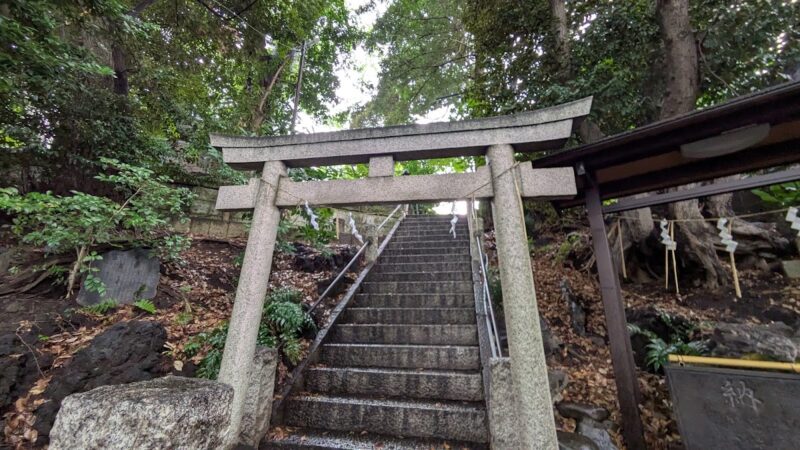
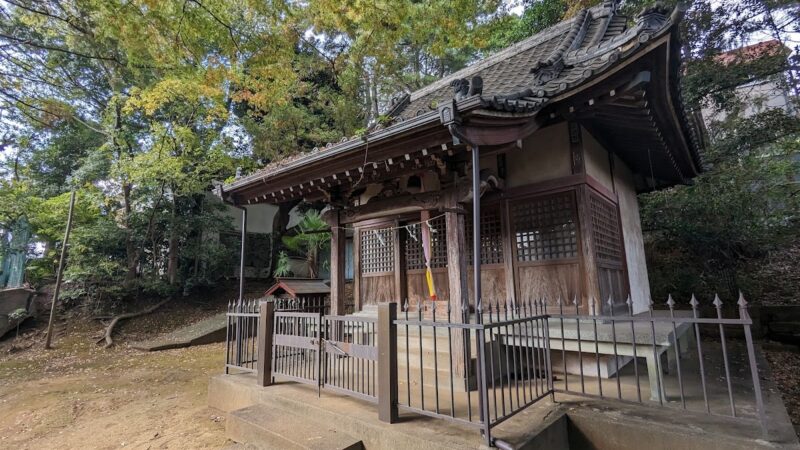
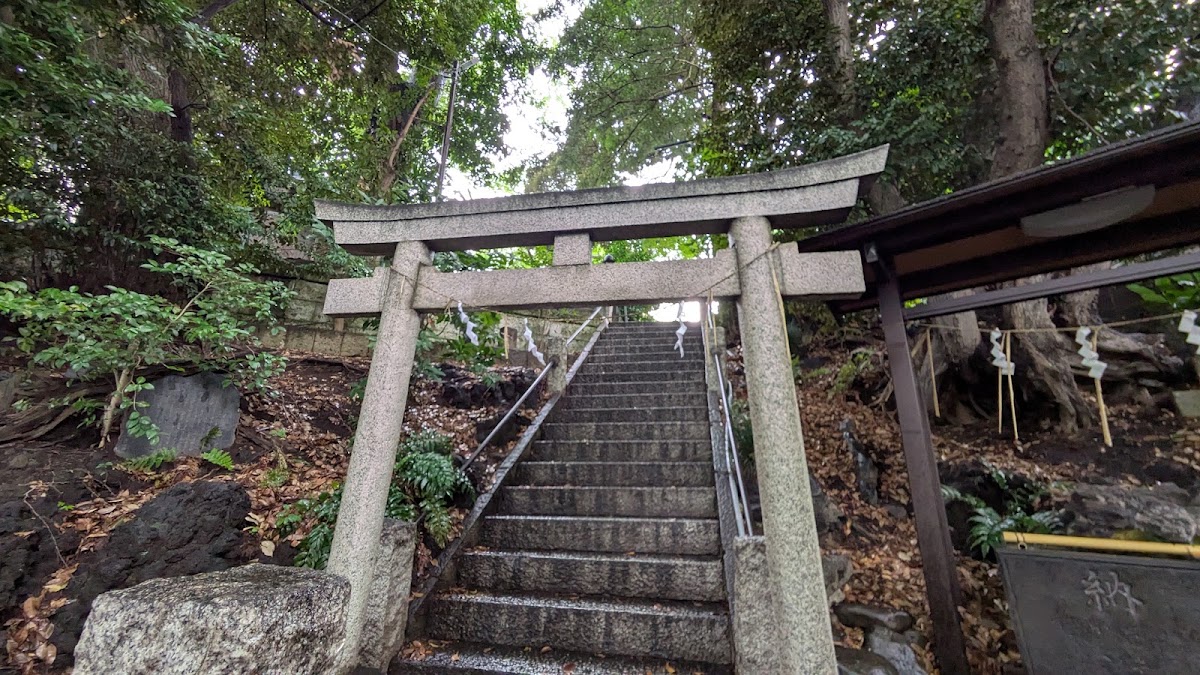
Kumano Shrine sits atop a small hill about 15 meters high, and you can clearly feel its elevated position compared to the surrounding residential area. This difference in elevation is likely a remnant of the castle that once stood here. Passing through the shrine’s torii gate and climbing the stairs, you’ll find a small shrine building.
Status of Remains
Unfortunately, very few clear castle remains remain at Arai-juku Castle. Traces of earthworks, moats, and baileys have disappeared due to years of urbanization. However, the topography of the hill where Kumano Shrine stands, and the slight undulations of the surrounding area, offer a glimpse of the former castle.
When visiting castle ruins, pay attention to the surrounding topography. Even within a residential area, you might find topographical features suggesting the presence of a medieval castle in slightly elevated areas or road gradients.
Access and Detailed Map
Access by Train
Nearest Station: JR Keihin-Tohoku Line “Omori Station” West Exit
Approximately a 10-minute walk from Omori Station West Exit. Exit the station and head towards Ikegami-dori Street, then proceed southwest.
Access by Bus
From JR Omori Station West Exit, take the Tokyu Bus bound for “Ikegami” and get off at the “Ota Bunka no Mori” bus stop. It’s approximately a 3-minute walk from there. From the bus stop, walk back a short distance along Ikegami-dori Street, following the signs for Zenkei-ji Temple.
Walking Route
After exiting Omori Station West Exit, head south along the railway tracks, cross Kurayamizaka Hill, and reach Ikegami-dori Street. Proceed along Ikegami-dori Street towards Yokohama (southwest), turn right into the residential area, and you will find Zenkei-ji Temple. After passing through the grounds of Zenkei-ji Temple, you will find the path to Kumano Shrine.
Location Details
Zenkei-ji Temple: 4-chome, Chuo, Ota-ku, Tokyo
Kumano Shrine: Behind Zenkei-ji Temple (also 4-chome, Chuo)
The surrounding area is a central hub, with public facilities such as the Arai-juku Special Branch Office (1-21-6 Chuo, Ota-ku) and the Arai-juku Community Center (4-31-14 Chuo, Ota-ku) nearby.
Nearby Castle Ruins and Historical Spots
When visiting Arai-juku Castle, visiting other castle ruins in Ota-ku will give you a deeper understanding of the medieval history of this region.
Magome Castle
Located approximately 2 kilometers southwest of Arai-juku Castle, Magome Castle was also built by a retainer of the Hojo clan. Although now a residential area, a monument marking the site of Magome Castle stands there. It is considered to have been a relatively large castle within Ota-ku, and visiting it together with Arai-juku Castle will give you a real sense of the Hojo clan’s rule in this region.
Gotenyama Castle
It is believed that a castle once stood in the Gotenyama area, near the border with Shinagawa Ward. While the current Gotenyama was leveled during the late Edo period for the construction of a fort, it is known as a site with a history predating the Edo period.
Kasuga Shrine
Kasuga Shrine, the guardian shrine of the Arai-juku district, is located along Ikegami Street and tells the history of the area. While its direct connection to Arai-juku Castle is unclear, it is worth visiting for understanding the history of this region.
Place Name and History of Arai-juku
The place name “Arai-juku” is a historical name that has existed since the Edo period. During the Meiji era, it existed as Arai-juku 1-chome to 6-chome, and after passing through the Omori Ward era, it was integrated into the current Ota Ward.
The Hirama Road (former Ikegami Road) and the former Rokugo Canal run parallel through the center of the district, with temples, shrines, and old buildings scattered along the roadside. Some areas suffered relatively little damage from the war, and some places still retain the appearance of pre-war townscapes.
Arai-juku, located south of Yamizaka near Omori Station, has developed as a residential area since the Meiji era. Even today, it remains a quiet residential area, cherished by local residents.
Points to Note When Visiting Arai-juku Castle
Tips for Visiting
The Arai-juku Castle ruins are located within a residential area, and there are no clear signs or explanatory plaques. It’s best to aim for Zenkei-ji Temple and Kumano Shrine. The shrine is a place of local worship, so please observe proper etiquette when visiting.
Photo Spots
The torii gate and stairs of Kumano Shrine are photo spots that capture the atmosphere of the castle ruins. The view from the shrine also allows you to appreciate its elevated position. However, since it is a residential area, please be mindful of privacy when taking photos.
Best Time to Visit
While the castle ruins themselves can be visited year-round, the cherry blossom season in spring and the autumn foliage season offer particularly enjoyable opportunities for exploring the surrounding area. Furthermore, events such as the shrine’s annual festival offer a great opportunity to experience local culture.
Estimated Time Required
A visit to the Arai-juku Castle ruins themselves only takes about 30 minutes. However, if you plan to combine it with a historical walk in the surrounding area or visits to other castle ruins, it’s best to allow about half a day.
Exploring Castle Ruins and History in Ota Ward
Besides Arai-juku Castle, Ota Ward has several other medieval castle ruins scattered throughout the area. While none of these castle ruins have clearly surviving structures, their traces remain in the topography and place names.
Visiting castle ruins is not simply about viewing historical sites; it’s about discovering layers of history buried within the modern urban landscape. Even with a small castle ruin like Arai-juku Castle, standing on the site and observing the surrounding topography allows you to imagine how people in the Sengoku period used and defended this land.
Historical Value of Arai-juku Castle
Arai-juku Castle was not a large-scale castle, nor was it the site of any famous battles. However, the existence of this castle is one of the important pieces of evidence regarding the Hojo clan’s rule over southern Musashi Province during the Sengoku period.
How did the Hojo clan, based in Odawara, govern the vast Kanto region? One answer is that they strategically placed small branch castles like Arai-juku Castle throughout the area and entrusted their governance to their vassals. These castles are thought to have functioned as regional bases and monitoring points along major roads.
Many such medieval castle ruins are buried in the heart of modern Tokyo. Visiting Arai-juku Castle would be a valuable experience, tracing the traces of history that are being lost due to urbanization.
Summary
Arai-juku Castle is the site of a medieval castle quietly standing in a residential area of Ota Ward, Tokyo. Built by the Kajiwara clan, vassals of the Hojo clan, only traces of the castle remain today as a small hill where Zenkei-ji Temple and Kumano Shrine stand, but it is a valuable historical site that tells the history of southern Musashi Province during the Sengoku period.
Although no clear remains are left, the topography of the small hill where Kumano Shrine now stands gives a glimpse of the former castle. Conveniently located within walking distance of JR Omori Station, it’s an ideal spot for a historical stroll in the heart of Tokyo.
When visiting Arai-juku Castle, combining it with visits to other nearby castle ruins such as Magome Castle will allow you to gain a deeper understanding of Ota Ward’s medieval history. Embark on a journey to discover layers of history buried within the modern urban landscape.