Shimura Castle (Itabashi Ward, Tokyo) Complete Guide | History, Remains, Access, and Highlights Explained in Detail
Shimura Castle, located in Shimura 2-chome and 3-chome, Itabashi Ward, Tokyo, was a flatland castle (cliffside castle) that functioned as a strategic point in Musashi Province from the Muromachi period to the Sengoku period. Although it is now a residential area, Shimura Elementary School, and Shiroyama Kumano Shrine, the remaining earthworks and moat traces allow us to imagine its former glory.
This article comprehensively covers everything you need to know about Shimura Castle, from its detailed history and castle structure to the remaining remains, access methods, and surrounding attractions.
What is Shimura Castle? | Basic Information and Overview
Shimura Castle is a medieval castle built on a cliff overlooking the Arakawa lowlands at the eastern edge of the Musashino Plateau. It is also known as Chiba Castle, Itabashi Castle, and Shinoda Castle, reflecting the history of multiple forces controlling this area.
Basic Castle Data
- Location: Shimura 2-chome & 3-chome, Itabashi-ku, Tokyo
- Castle Structure: Hilltop Castle (Cliffside Castle)
- Construction Period: Unknown (Estimated to be early Muromachi period)
- Builder: Shimura clan (a branch of the Toshima clan)
- Main Lords: Shimura clan, Chiba Nobutane, Hojo clan
- Year of Abandonment: Around 1590 (Tensho 18)
- Remains: Earthworks, moat remains (partial)
- Cultural Property Designation: None
Shimura Castle is believed to have been built by the Shimura clan, a branch of the Toshima clan, a powerful local family in Musashi Province. Taking advantage of its geographical location on the edge of the Musashino Plateau, it played a role in monitoring and defending the lowlands to the east.
History of Shimura Castle | From Construction to Abandonment
Construction Period: Rule by the Toshima Clan
The exact construction date of Shimura Castle is unclear due to a lack of definitive records, but it is believed to have been built by the Shimura clan, a branch of the Toshima clan, during the early to mid-Muromachi period.
The Toshima clan was a powerful local family that ruled the northern part of Musashi Province, with bases at castles such as Shakujii Castle and Nerima Castle. The Shimura clan, as a branch of this family, established this castle as a subsidiary castle of Akatsuka Castle, and it is presumed that their duties included monitoring the transportation routes and lowlands along the Arakawa River basin.
The Kyōtoku Rebellion and the Chiba Clan’s Entry
The history of Shimura Castle becomes clearer in Kōshō 1 (1455), during the Kyōtoku Rebellion.
The Kyōtoku Rebellion was a large-scale civil war that began with a conflict between the Kamakura Shogun Ashikaga Shigeuji and the Kantō Kanrei Uesugi clan, and it engulfed the entire Kantō region. Taking advantage of this chaos, the Makari clan rose in rebellion in Shimosa Province (present-day Chiba Prefecture) and attacked the Chiba main family.
Driven from their castle, the Chiba main family fled to Musashi Province, establishing Akatsuka Castle as their base. At this time, Chiba Nobutane, a member of the Chiba main family, entered Shimura Castle, which became an important subsidiary castle supporting Akatsuka Castle.
During this period, Shimura Castle came under the control of the Chiba clan, and it is believed that the alternative name “Chiba Castle” originated from this event.
The Invasion and Fall of Shimura Castle by Hojo Ujitsuna
The greatest turning point in the history of Shimura Castle occurred in 1524 (Daiei 4).
Hojo Ujitsuna, the second head of the Later Hojo clan based in Sagami Province (present-day Kanagawa Prefecture), intensified his invasion of Musashi Province. After capturing Edo Castle, he advanced further north and attacked Shimura Castle.
The extent of Shimura Castle’s defensive capabilities at the time is unknown, but it fell to a fierce attack by Hojo Ujitsuna and subsequently came under the control of the Later Hojo clan. This battle led to the Chiba clan’s retreat from Musashi Province, and Shimura Castle became a key base for the Hojo clan’s northern defenses.
Later Hojo Era and Abandonment
It is believed that Shimura Castle, under Hojo control, continued to be maintained as an important base in northern Musashi Province. However, historical records are scarce regarding the castle’s size and detailed usage, so nothing is clear.
In 1590 (Tensho 18), when the Later Hojo clan was destroyed in Toyotomi Hideyoshi’s siege of Odawara, it is presumed that Shimura Castle also ceased to exist and was abandoned. Afterward, the castle site became farmland and settlements, and gradually urbanized throughout the Edo period.
Structure and Layout of Shimura Castle
A Cliffside Castle Utilizing the Topography
Shimura Castle is a cliffside castle built on a cliff line with an elevation difference of approximately 20 meters at the eastern edge of the Musashino Plateau. This topographical feature was the castle’s greatest defensive strength.
The eastern side is a steep cliff overlooking the Arakawa lowlands, making it a natural stronghold. Since the plateau continues to the west, it is thought that the main defensive structures (moats and earthworks) were concentrated on this side.
Estimated Castle Area
Based on the current topography, remaining structures, and place names, the estimated area of Shimura Castle is as follows:
Honmaru: Near the current Shimura Elementary School. Located at the highest point, it is thought to have been the central part of the castle.
Ninokuruwa: The location of the current Shiroyama Kumano Shrine. Located north of the Honmaru, this legend is also recorded on the information board.
Third Bailey: Estimated to be the area west and south of Shimura Elementary School, but no clear remains exist.
The overall size of the castle grounds is estimated to be approximately 200 meters east-west and 300 meters north-south, but the exact extent is unknown due to insufficient archaeological excavation.
Defensive Structures
As typical defensive structures of medieval castles, Shimura Castle is thought to have had the following structures:
- Earthworks: Partially existing within the grounds of Shiroyama Kumano Shrine
- Dry Moats: Estimated to have had multiple moats in the past, but now almost completely filled in
- Baileys: Sections such as the main bailey, second bailey, and third bailey
- Gate Entrance: Entrance to the castle (location unknown)
Unfortunately, due to urbanization, most of the remains have been lost, making it difficult to completely reconstruct its original appearance.
Remaining Ruins and Points of Interest
Shiroyama Kumano Shrine | Second Bailey Site
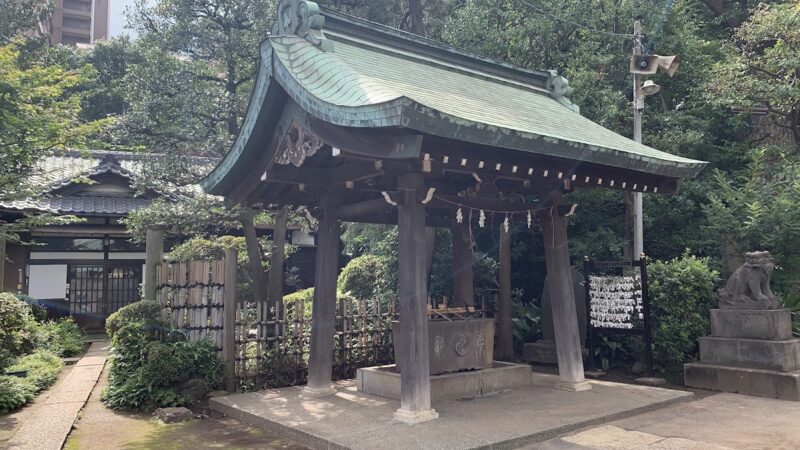
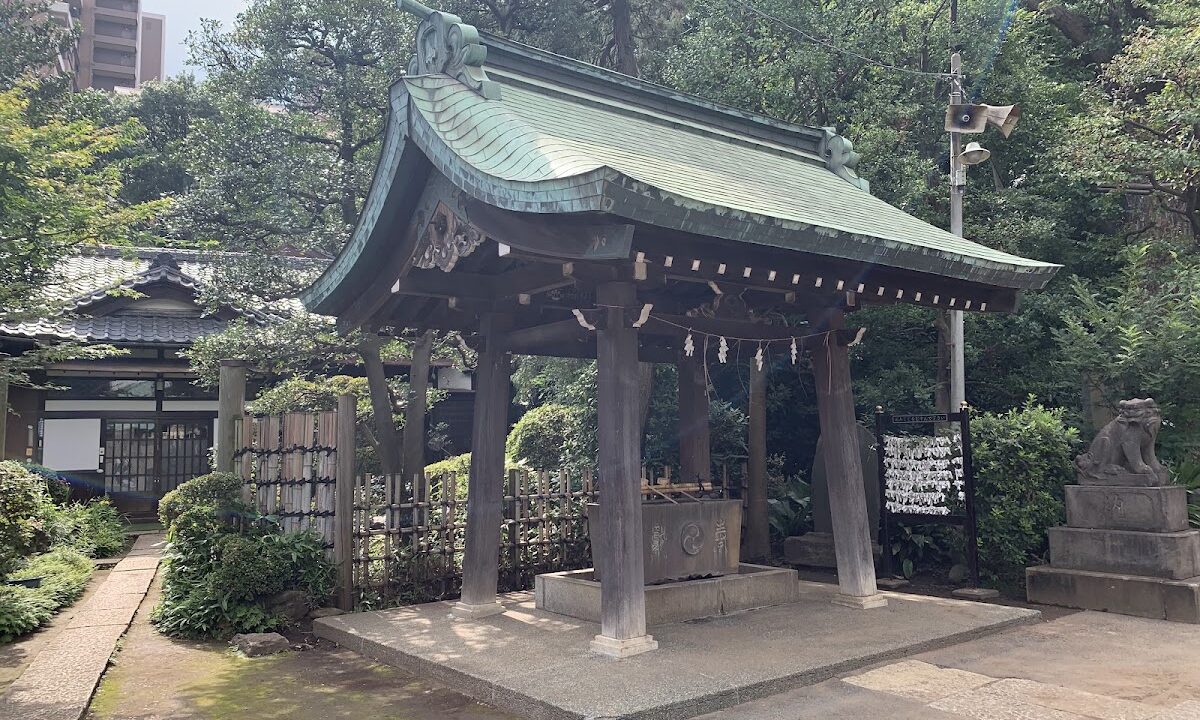
The biggest highlight when visiting Shimura Castle is Shiroyama Kumano Shrine. This shrine is built on the site of the second bailey of Shimura Castle, and an information board indicating the castle site is installed within the shrine grounds.
Location: 2-19-1 Shimura, Itabashi-ku, Tokyo
Within the shrine grounds, traces of earthworks remain, allowing visitors to feel the atmosphere of the castle in its heyday. Careful observation around the shrine building reveals areas where artificially piled-up earth can be seen.
Shiroyama Kumano Shrine continues to be revered as the local guardian shrine, and it is a place where one can reflect on history in a quiet atmosphere. The name of the shrine, “Shiroyama” (Castle Mountain), also indicates that this area was once a castle site.
Around Shimura Elementary School | Estimated Site of the Main Enclosure
The grounds of Itabashi Municipal Shimura Elementary School (2-17-14 Shimura, Itabashi-ku) are estimated to be the site of the main enclosure. While free entry is not permitted due to it being school grounds, observing the surrounding terrain reveals a slight elevation.
Looking towards Shiroyama Kumano Shrine from near the school’s main gate, one can visualize the former castle layout.
Topography and Views
The cliff-line topography, the most distinctive feature of Shimura Castle, remains remarkably well-preserved. Looking down at the lowlands to the east from around Shimura-Sakaue Station, one can appreciate the elevation difference and understand why the castle was built in this location.
Especially looking east from Shiroyama Kumano Shrine, one can see the expanse of the Arakawa lowlands and even as far as Saitama Prefecture, experiencing its value as a strategically important military location.
Access | How to get to Shimura Castle
Access by Train
Public transportation is the most convenient way to access Shimura Castle ruins.
Nearest Stations:
- Shimura-Sakaue Station (Toei Mita Line)
- Approximately 5 minutes on foot from Exit A1
- Closest to Shiroyama Kumano Shrine
- Shimura-Sanchome Station (Toei Mita Line)
- Approximately 5 minutes on foot from the South Exit
- Convenient when approaching from the Shimura Elementary School side
Examples of Access from the City Center:
- From Tokyo Station: Take the JR Yamanote Line to Sugamo Station, then transfer to the Toei Mita Line to Shimura-Sakaue Station (approximately 35 minutes)
- From Shinjuku Station: Take the Toei Shinjuku Line to Jimbocho Station, then transfer to the Toei Mita Line to Shimura-Sakaue Station (approximately 30 minutes)
- From Shibuya Station: Take the Tokyu Toyoko Line to Meguro Station, then transfer to the Toei Mita Line to Shimura-Sakaue Station (approximately 35 minutes)
Access by Car
Using the Metropolitan Expressway:
- Approximately 5 minutes from the Nakadai Exit of the Metropolitan Expressway Route 5 Ikebukuro Line
- Approximately 10 minutes from the Itabashi-Honcho exit of the Metropolitan Expressway Central Circular Route.
Parking: Shiroyama Kumano Shrine does not have its own parking lot. Please use nearby coin-operated parking lots. Several coin-operated parking lots are located around Shimura-Sakaue Station.
Walking Route
Recommended Walking Course (Estimated Time: Approx. 30 minutes):
- Exit Shimura-Sakaue Station, Exit A1
- Walk approximately 200 meters north along Nakasendo Road (National Route 17)
- Turn right at Shimura Ginza Shopping Street
- Arrive at Shiroyama Kumano Shrine (5-minute walk from the station)
- View the remains such as earthworks within the shrine grounds
- Walk approximately 100 meters south from the shrine and view Shimura Elementary School (site of the main keep) from the outside
- Return to the station while observing the surrounding terrain
Nearby Attractions | Historical Sites to Visit Together
Akatsuka Castle Ruins
Akatsuka Castle, considered the main castle of Shimura Castle, is located in Akatsuka 5-chome, Itabashi-ku. It is approximately 2.5 kilometers from Shimura Castle and was also built by the Toshima clan.
Access: Approximately 15 minutes on foot from Takashimadaira Station on the Toei Mita Line
Akatsuka Castle has better-preserved remains than Shimura Castle, and parts of the earthworks and dry moats can be seen. Akatsuka Castle Ruins Park has been developed at the site, and information boards are plentiful. Visiting both Shimura Castle and Akatsuka Castle will give you a deeper understanding of the castle network of the Toshima clan.
Shimura Ichirizuka
The remains of an ichirizuka (milepost) erected on the Nakasendo road during the Edo period remain near Shimura-Sakaue Station. Although it is from a different era than the castle ruins, it is a historical site indicating that this area was an important transportation hub from ancient times.
Location: 1-chome, Shimura, Itabashi-ku
Itabashi City Local History Museum
This museum allows you to learn about the history of Itabashi Ward, and also has exhibits on castles within the ward, including Shimura Castle. Visiting before your castle visit will give you a deeper understanding of the castle ruins.
Location: 5-35-25 Akatsuka, Itabashi-ku
Opening Hours: 9:30-17:00 (Last entry at 16:30)
Closed: Mondays (or the following day if Monday is a public holiday), New Year holidays
Admission Fee: Free
Access: Approximately 13 minutes on foot from Nishitakashimadaira Station on the Toei Mita Line
Shakujii Castle Ruins
Shakujii Castle, the base of the Toshima clan, is located in 1-chome, Shakujiidai, Nerima-ku. It is approximately 8 kilometers from Shimura Castle and is an important historical site for understanding the Toshima clan’s sphere of influence.
Access: Approximately 15 minutes on foot from Shakujii-koen Station on the Seibu Ikebukuro Line
The Shakujii Castle ruins are located within Shakujii Park, and remnants such as earthworks remain around Sanpoji Pond. Because it is maintained as a park, it is easy to stroll around, and there are information boards where you can learn about the history of the Toshima clan.
Points to Note and Etiquette When Visiting
Notes for Visiting
- No Entry to Shimura Elementary School: Shimura Elementary School, located on the estimated site of the main keep, is an educational facility. Entry to the grounds is prohibited. Please observe the terrain only from the perimeter.
- Etiquette for Visiting Shiroyama Kumano Shrine: Shrines are places of worship. Please be considerate of other visitors and observe quietly.
- Consideration in Residential Areas: The area around the castle ruins is a residential area. When taking photographs, please be careful not to include houses in your shots, and refrain from loud conversations.
- Protection of Remains: Please do not touch or climb on remaining earthworks or other remains.
Best Time to Visit
Shimura Castle Ruins are open year-round, but the following times are especially recommended:
- Spring (late March-April): The cherry blossoms at Shiroyama Kumano Shrine are at their most beautiful.
- Autumn (November): The autumn foliage and pleasant weather.
- Weekday mornings: A quiet and peaceful visit.
Summer is too sunny, and winter is too cold, so spring and autumn are the most comfortable times to visit.
Estimated Time Required
Please allow the following time for visiting Shimura Castle Ruins:
- Shiroyama Kumano Shrine only: 15-20 minutes
- Including observation of the surrounding terrain: 30-40 minutes
- Including surrounding historical sites such as Akatsuka Castle: Half a day to a full day
Historical Significance of Shimura Castle
Characteristics of Medieval Castles in Musashi Province
Shimura Castle is an important historical site that exhibits typical characteristics of medieval castles in Musashi Province. Shimura Castle, with its location as a cliffside castle built on the edge of a plateau, its construction by a powerful local clan, and the changes in its lords due to power struggles during the Sengoku period, is a valuable example for understanding the medieval history of the Kanto region.
The Toshima Clan’s Castle Network
Shimura Castle played a part in the castle network built by the Toshima clan in northern Musashi Province. With Shakujii Castle as its base, and branch castles such as Nerima Castle, Akatsuka Castle, and Shimura Castle strategically located, it is clear that they efficiently controlled a vast area.
This castle network is an important example illustrating the realities of regional control during the Sengoku period, and Shimura Castle is indispensable for understanding it.
The Chiba Clan’s Relationship with Musashi Province
After the Kyōtoku Rebellion, the Chiba clan, a powerful local clan in Shimōsa Province, advanced into Musashi Province and established Shimura Castle as one of their bases, illustrating the complexity of power relations in the Kanto region at the time. The Chiba clan’s entry into Shimura Castle gave rise to the alternative name “Chiba Castle,” suggesting that this area was an important base for the Chiba clan. ### The Hojo Clan’s Rule over Musashi Province
The capture of Shimura Castle by Hojo Ujitsuna in 1524 (Daiei 4) was a crucial step in the Later Hojo clan’s expansion into Musashi Province. With the fall of the castle, southern Musashi Province came completely under the control of the Hojo clan, establishing their rule for approximately 70 years.
The history of Shimura Castle holds historical significance as an event symbolizing the shifts in the power dynamics of the Kanto region during the Sengoku period.
Materials and Research on Shimura Castle
Major Documentary Sources
While historical materials on Shimura Castle are limited, it is mentioned in the following documents:
- “Shinpen Musashi Fudoki-ko”: A geographical record compiled in the late Edo period. It describes the outline of Shimura Castle.
- “Chiba Sanetane Den”: A historical document recording the genealogy of the Chiba clan. It mentions Chiba Nobutane’s entry into Shimura Castle.
- Itabashi Ward History: A local history compiled by Itabashi Ward. It provides a detailed explanation of the history of Shimura Castle.
- Medieval Castles and Fortifications of Tokyo: A comprehensive research book covering medieval castles within Tokyo. It includes information on the layout and remains of Shimura Castle.
Archaeological Survey
While large-scale excavations have not been conducted at Shimura Castle, small-scale surveys accompanying surrounding development have yielded medieval artifacts (such as pottery fragments). However, no definitive discoveries that would clarify the castle’s structure have been made.
In the future, if opportunities arise, such as during the reconstruction of Shimura Elementary School, full-scale excavations may be conducted, and new discoveries are anticipated.
Origin of the Place Name Shimura
The place name “Shimura,” which is the origin of the name of Shimura Castle, is thought to originate from the Shimura clan, who are considered to be the castle’s builders. The Shimura clan was a branch of the Toshima clan, and it is believed they adopted the surname “Shimura” after ruling this land. The place name “Shimura” has been used since ancient times, and it flourished as a post town on the Nakasendo road during the Edo period. It remains a place name in Itabashi Ward today and is also used for the names of stations on the Toei Mita Line (Shimura-Sakaue Station and Shimura-Sanchome Station).
The place name “Shimura,” along with the castle ruins, can be considered an important cultural heritage that conveys the history of this area to the present day.
Voices of Visitors to Shimura Castle
Castle enthusiasts and history buffs have shared the following impressions:
“A valuable place where you can feel the atmosphere of a medieval castle ruin despite its proximity to the city center. The earthworks of the Shiroyama Kumano Shrine are a must-see.”
“Although there are few remains, observing the topography reveals the ingenuity of the castle’s location. The view from the cliff is magnificent.”
“It’s interesting that Shimura Elementary School is located on the site of the main keep. I wonder if the children attending the school know they are learning on top of a castle ruin.”
“Visiting it together with Akatsuka Castle gives a fascinating sense of the Toshima clan’s castle network.”
According to data from Kojodan (a castle-visiting website), the average visitor time is approximately 25 minutes, and the rating is 2.50 out of 5. The rating is modest due to the limited number of remains, but it is a historical site that is thoroughly satisfying to visit with an understanding of its historical value.
Summary | The Charm and Value of Shimura Castle
Shimura Castle, located in Itabashi Ward, Tokyo, is an important historical site essential for understanding the medieval history of Musashi Province, despite the limited remaining structures.
The history of Shimura Castle, with its rapid changes in lords over approximately 100 years—from its construction by the Toshima clan, to its entry by the Chiba clan during the Kyotoku Rebellion, and finally its conquest by Hojo Ujitsuna—can be seen as a microcosm of the power struggles in the Kanto region during the Sengoku period.
Although much of its original appearance has been lost due to urbanization, traces of the medieval castle can still be felt from the earthworks remaining at the Shiroyama Kumano Shrine and the topographical features of its plateau edge. Easily accessible via the Toei Mita Line and offering a short visit, it’s a place you should definitely visit as part of a tour of medieval historical sites in Tokyo.
Starting from Shimura Castle, visiting other castles associated with the Toshima clan, such as Akatsuka Castle and Shakujii Castle, will provide a deeper understanding of the medieval history of Musashi Province. Though it’s a small castle ruin buried in a modern residential area, the spirit of the people who lived during the Sengoku period (Warring States period) certainly remains there.
Why not visit Shimura Castle, the stage of history, and reflect on what the Kanto region was like more than 500 years ago?