Niu Castle (Naka District, Tokushima Prefecture) Complete Guide: History, Castle Ruins Highlights, and Access Information
What is Niu Castle?
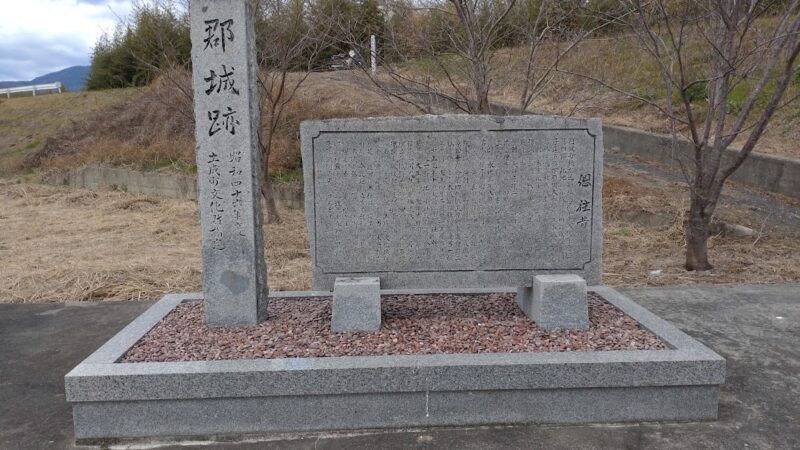
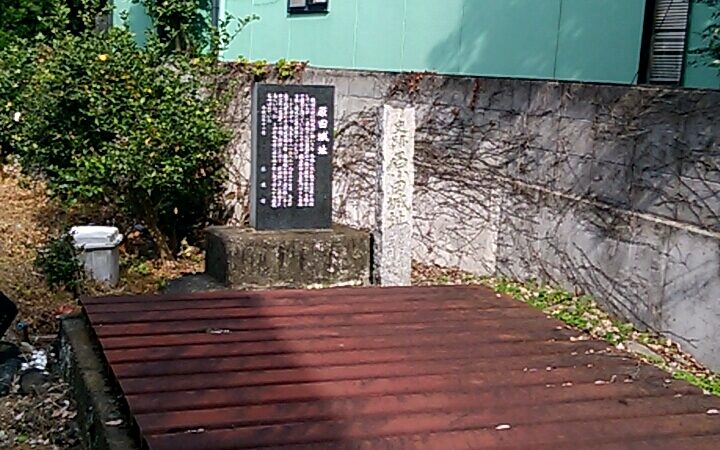
Niu Castle (Niu-jo) is a mountain castle located in the Niu/Wajiki district of Naka-cho, Naka-gun, Tokushima Prefecture, dating from the medieval to early modern period. Also known as Wajiki Castle and Niuyama Castle, it played a crucial role as a strategic base controlling a key point in the middle reaches of the Naka River.
The castle ruins are built on a cliff overlooking the clear waters of the Naka River, and are characterized by a robust structure that utilizes the natural fortifications. The current Naka-cho, Naka-gun, Tokushima Prefecture, is a region blessed with the natural beauty of the Tsurugisan Quasi-National Park, and the Niu Castle ruins stand quietly amidst this rich natural environment.
History of Niu Castle
The Yuasa Clan and Their Relationship with the Chosokabe Clan
The most important figure in the history of Niu Castle is Yuasa Tsushima-no-kami (also known as Fujiwara Kanetoki or Kanetomo). The Yuasa clan were local powerful families in Awa Province who controlled the Niu Valley region.
During the Tensho era (1573-1592), Chosokabe Motochika was expanding his power in Shikoku. Initially, Yuasa Tsushima-no-kami, along with Tojo Sekinohyo, the lord of Kuwano Castle, opposed the Chosokabe clan. However, as the Chosokabe clan’s power grew, he changed his stance and concluded a peace treaty. Furthermore, it is believed that he strengthened his relationship with the Chosokabe clan through marriage alliances.
Until Tensho 13 (1585), Yuasa Tsushima-no-kami ruled the Niu Valley region from Niu Castle, and existed as an important power in the Nakagawa River basin.
Hachisuka Iemasa’s Entry into Awa Province and the Role of Niu Castle
In 1585, after Toyotomi Hideyoshi’s conquest of Shikoku, Hachisuka Iemasa entered Awa Province as the lord of a 176,000-koku domain. This significantly altered the system of governance in Awa Province, changing the positions of local lords such as the Yuasa clan.
Hachisuka Iemasa established nine branch castles, known as the Nine Castles of Awa, to govern Awa Province. Niu Castle was chosen as one of these nine castles and positioned as an important base controlling the middle reaches of the Naka River. The Nine Castles of Awa, centered around Tokushima Castle, were strategically located at key points throughout Awa Province, including Kawashima Castle, Ushiki Castle, Ichinomiya Castle, and Niu Castle, forming a military network supporting the Hachisuka clan’s rule.
Yamada Muneshige and the Suppression of the Niu Rebellion
After the Hachisuka clan’s entry, some local lords resisted the new system. In the Niu region, an uprising occurred, led by the Yuasa clan.
Yamada Hachiroemon Muneshige (Yamada Muneshige), a senior retainer of the Hachisuka clan, distinguished himself in suppressing this Niu uprising. For this service, Muneshige was granted Niu Castle (also known as Ko-Niu Castle). However, it is believed that Muneshige soon built a new castle and moved there. This new castle is sometimes called Niuyama Castle (O-Niu Castle), and because the name Niu Castle can refer to multiple castle sites, there is debate among researchers regarding the exact location of the castle site.
Yamada Muneshige’s placement of Niu Castle was an important measure for the Hachisuka clan to establish control over the Nakagawa River basin. It is also thought that controlling this religiously important area, at the foot of Tairyuji Temple (the 21st temple of the Shikoku 88 Temple Pilgrimage), aimed to stabilize the governance of the local population.
The One Castle Per Province Decree and Castle Abolition
In 1615 (Keicho 20), the Edo Shogunate issued the One Castle Per Province Decree. This decree mandated that each domain retain only one castle, and all other branch castles be abolished.
As a result of this decree, in Awa Province, only Tokushima Castle remained, and all other castles, including the nine castles of Awa, were abandoned. Niu Castle was also abandoned at this time, ending its role as a military facility. Since then, the castle ruins have gradually returned to nature, remaining so to this day.
Structure and Characteristics of Niu Castle
Location and Topography
The most distinctive feature of Niu Castle lies in its location. The northern side of the castle ruins is a shallow cliff washed by the clear waters of the Naka River, which functioned as a natural moat. This topographical advantage made attacks from the north extremely difficult, and the structure allowed for defense even with a small force.
The castle is a hilltop castle built on a hill, characterized by a layout that takes advantage of the surrounding mountainous terrain. Located in a position overlooking the Nakagawa River basin, it is thought to have also served the function of monitoring and controlling the roads along the river.
Castle Structure
Niu Castle has the structure of a typical medieval mountain castle. Multiple baileys are arranged around the main bailey, and defenses were reinforced by moats and earthworks.
Even today, traces of the flat surfaces of the baileys and earthworks remain at the castle site, allowing us to imagine the castle’s structure in its heyday. However, since more than 400 years have passed since the castle was abandoned, much of the remains have been buried by nature, and only a limited portion can be clearly identified.
Relationship with Ebisu Shrine
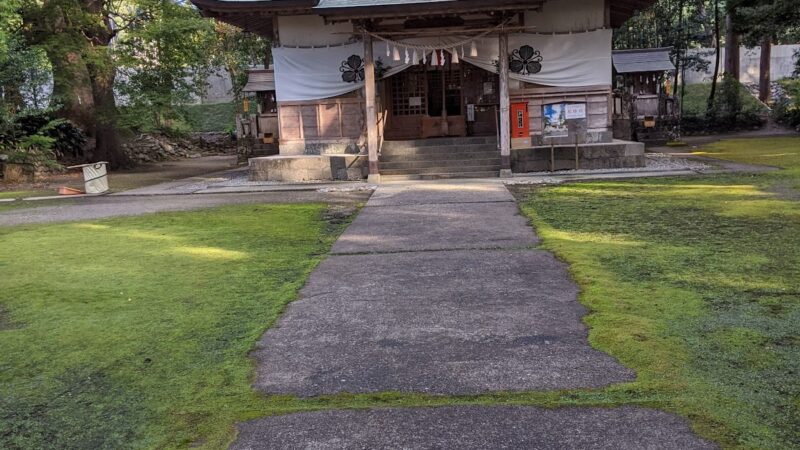
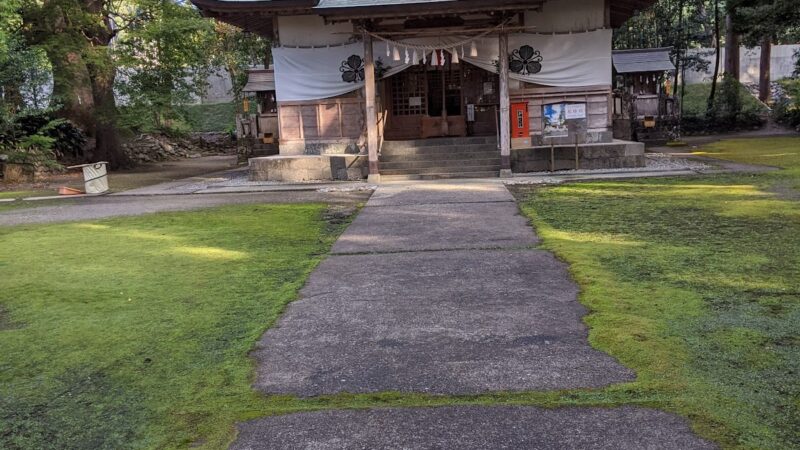
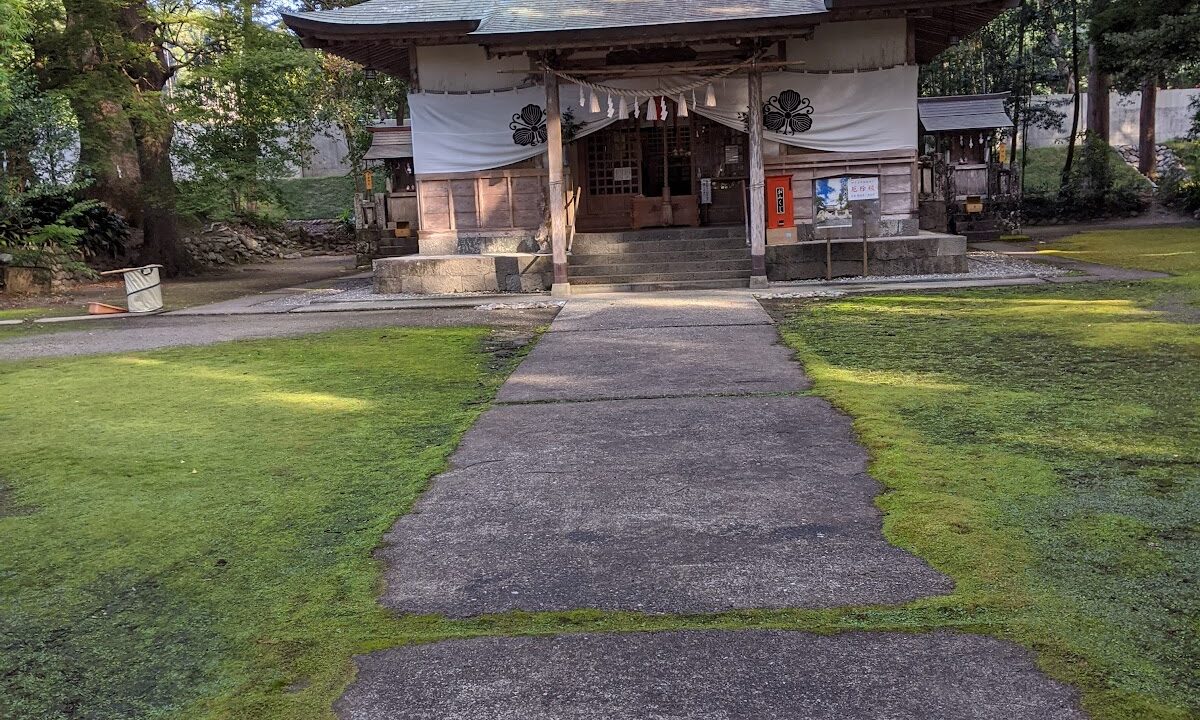
Ebisu Shrine is located near the Niu Castle ruins and is a center of local faith. The relationship between castles and shrines is common in medieval castles; castle lords and samurai worshipped at shrines and prayed for victory in battle. It is presumed that Ebisu Shrine also had a deep connection with Niu Castle.
Current Status and Highlights of Niu Castle Ruins
Preservation Status of the Castle Ruins
Niu Castle Ruins are currently located in a mountainous area of Naka-cho, Naka-gun. Because a long time has passed since the castle was abandoned due to the “One Castle Per Province” decree, no significant remains such as stone walls remain. However, the structure of the castle can be understood from the topography and the arrangement of the baileys.
Access to the castle ruins is not easy, and preparation for hiking is necessary for a visit. However, this also means that the atmosphere of the mountain castle in its heyday remains strongly, making it an attractive spot for castle enthusiasts.
View of the Naka River
One of the greatest attractions of visiting Niu Castle Ruins is the beautiful view of the Naka River. The view of the clear waters of the Naka River and the surrounding mountains from the castle ruins is breathtaking, and you can truly understand why a castle was built in this location.
The view of the Nakagawa River from the sheer cliffs clearly demonstrates the natural fortifications of the area, offering a glimpse into the wisdom of medieval castle site selection.
Nearby Historical Spots
There are several other historical spots scattered around the Niu Castle ruins.
Tairyuji Temple (the 21st temple on the pilgrimage route) is an ancient temple located at the foot of Niu Castle and is known as a temple associated with Kobo Daishi Kukai. It was a center of mountain worship, and even in modern times, with access by ropeway, one can still feel its sacred atmosphere.
Furthermore, Naka Town has several other medieval castle ruins, making it an important area for understanding the Sengoku period history of Awa Province.
Regional Information for Niu, Naka-cho, Naka-gun, Tokushima Prefecture
Location and Postal Code
The postal code for Niu, Naka-cho, Naka-gun, Tokushima Prefecture, where the Niu Castle ruins are located, is 〒771-5208. The reading of “仁宇” is “niu“, and the area is divided into several sub-districts.
Overview of Naka Town
Naka Town is located in the southern part of Tokushima Prefecture and belongs to Naka District. It was formed in 2005 through the merger of five towns and villages: Aioi Town, Kaminaka Town, Kizawa Village, Kito Village, and Washiki Town.
The majority of the town area is covered in forests, and it is characterized by its rich natural environment, including part of the Tsurugisan Quasi-National Park. There are many spots where you can enjoy the magnificent natural scenery, such as Takanose Gorge and the Tsurugisan Super Forest Road, and it is also known as a habitat for valuable wild animals and plants.
Forestry is a thriving industry, and timber produced in Naka Town is highly regarded for its quality. In recent years, the town has also been focusing on the use of natural energy, and initiatives such as small-scale hydroelectric power generation are underway.
Access
The following methods are available to access the Niu district of Naka Town.
Access by Car:
- Approximately 1 hour 30 minutes from central Tokushima City via National Route 55 and National Route 195
- Approximately 1 hour 30 minutes from Tokushima IC on the Tokushima Expressway
Public Transportation:
- Approximately 1 hour by Naka Town bus from Anan Station on the JR Mugi Line
- However, there is no direct public transportation to the castle ruins, and access is required on foot from the nearest bus stop.
When visiting the Niu Castle ruins, access by car is the most practical option. However, since it is necessary to climb a mountain path to reach the castle ruins, mountain climbing equipment and a map are essential. It is recommended to check information with the local tourist association or Naka Town Hall before visiting.
Niu Castle and the Sengoku History of Awa Province
Strategic Significance of the Nine Castles of Awa
The Nine Castles of Awa established by Hachisuka Iemasa were strategic bases crucial to the governance of Awa Province. The castles were arranged as follows:
- Tokushima Castle (Main Castle, Tokushima City)
- Kawashima Castle (Middle Reaches of the Yoshino River)
- Ushiki Castle (Anan City)
- Ichinomiya Castle (Ichinomiya-cho, Tokushima City)
- Niu Castle (Naka-cho, Naka-gun)
- Other Branch Castles
These castles were located along the major rivers (Yoshino River, Naka River, etc.) and roads of Awa Province, controlling transportation and logistics within the territory, and forming a defense network against uprisings and external enemies.
Niu Castle played a particularly important role in governing the Naka River basin, and is thought to have functioned in monitoring the distribution of goods from mountainous areas to coastal areas.
The Role of Fujiwara Kanetoki (Yuasa Tsushima-no-kami)
Fujiwara Kanetoki (Yuasa Tsushima-no-kami) is an indispensable figure in the history of Niu Castle. The Yuasa clan, a local powerful family deeply rooted in the region, skillfully navigated diplomacy between the two major powers: the Chosokabe and Hachisuka clans.
Although initially resisting the Chosokabe clan’s attempts to unify Shikoku, the Yuasa clan’s strategy of assessing the situation, making peace, and forming marital alliances to ensure their survival is a typical survival strategy for local powerful families during the Sengoku period.
However, the fact that they are believed to have staged an uprising after the Hachisuka clan’s arrival suggests that they had difficulty adapting to the new regime. Following the suppression of this uprising, the Niu region came completely under the control of the Hachisuka clan, and a new governing system under Yamada Muneshige was established.
Current Status and Challenges of Niu Castle Research
Issues Regarding the Identified Castle Site
There is debate among researchers regarding the identified castle site for Niu Castle. Multiple names such as “Niu Castle,” “Ko-Niu Castle,” “Niuyama Castle,” and “O-Niu Castle” appear in historical records, and there is no clear conclusion as to whether these refer to the same castle or separate castle ruins.
According to one theory, Niu Castle (Ko-Niu Castle), the residence of the Yuasa clan, and Niuyama Castle (O-Niu Castle), newly built by Yamada Muneshige, were located in different places. It is hoped that further field surveys and archaeological excavations will reveal more detailed information about the castle structure and construction period.
Future Research Prospects
Research on Niu Castle is of great importance in understanding the Sengoku period history of Awa Province. Further research is particularly desired on the following points:
- Details of the relationship between the Yuasa and Hachisuka clans
- The reality of the Niu Rebellion and the process of its suppression
- Specific methods of Yamada Muneshige’s rule over Niu
- Specific role of Niu Castle among the nine castles of Awa
- Detailed investigation of the castle’s structure
Continued research by local historians and archaeologists is expected to further clarify the historical value of Niu Castle.
Summary
Located in Naka-cho, Naka-gun, Tokushima Prefecture, Niu Castle is a mountain castle that played an important role from the medieval to the early modern period as a strategic point controlling the Naka River basin.
It began as the residence of Yuasa Tsushima-no-kami (Fujiwara Kanetoki), and after Hachisuka Iemasa’s entry into Awa Province, it became one of the nine castles of Awa and a center of governance for the middle reaches of the Naka River. After Yamada Muneshige suppressed the Niu Rebellion, the Hachisuka clan’s rule was established, but the castle was abandoned due to the “One Castle Per Province” decree, ending its role.
Currently, the castle ruins stand quietly in the mountainous forests of Naka Town, preserving the natural fortifications of the cliffs along the Naka River. While preparation is necessary for a visit, it’s a valuable spot where you can experience the atmosphere of a Sengoku period mountain castle.
The history of Niu Castle provides important clues to understanding the Sengoku period history of Awa Province and the regional history of Tokushima Prefecture. When visiting Naka Town, why not take a look at these historical castle ruins?