Harada Castle (Awa City, Tokushima Prefecture): History and Current Status – Complete Guide to the Castle Ruins, Location, Remains, and Access
What is Harada Castle? – An Overview of a Medieval Castle Remaining in Awa City
Harada Castle was a medieval mountain castle located in Donari-cho, Awa City, Tokushima Prefecture. It was built in the area known as “Kitamon,” south of the current Donari Interchange. This castle is believed to have functioned as a base for a local powerful family in Awa Province, and is an important historical site in understanding the region’s history.
The castle ruins were once covered in bamboo groves and were commonly known locally as “Shiroyabu” (castle grove). This name indicates that the castle’s remains were buried in the bamboo grove for many years, and is evidence that the castle’s existence was passed down as a memory among local residents.
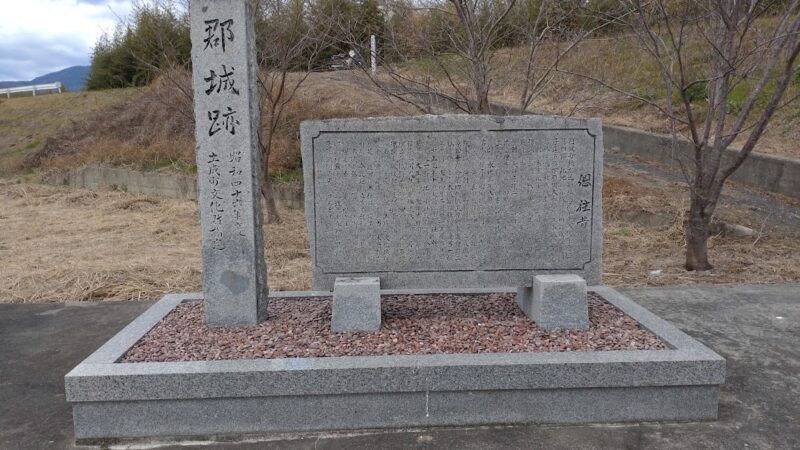
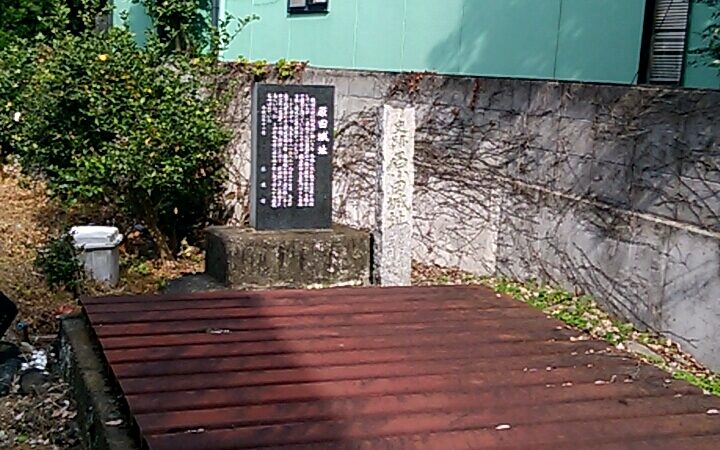
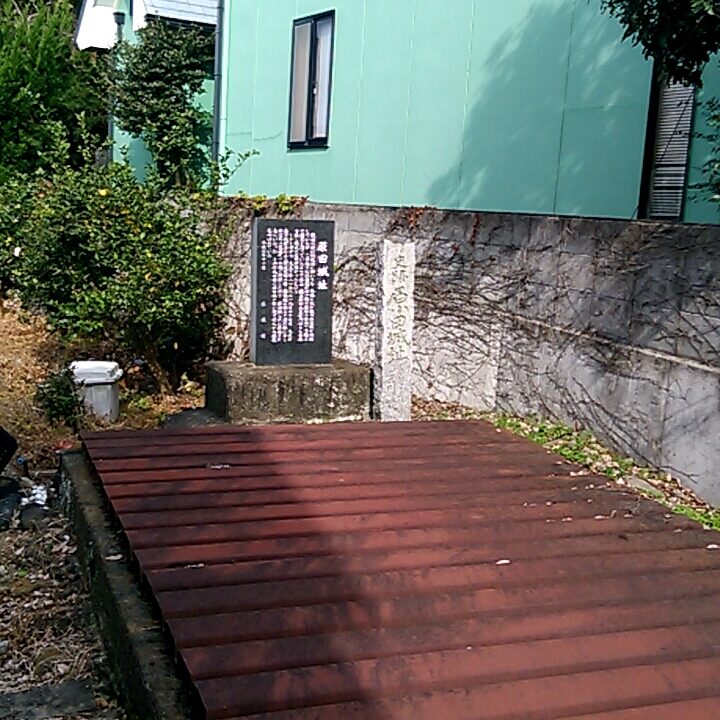
Unfortunately, due to residential development and other factors, most of the castle’s remains have been lost, making it difficult to imagine its former appearance. However, a stone monument and an information plaque stand in a corner of the residential area, commemorating the former existence of a castle on this site.
Historical Background of Harada Castle
Positioning as a Medieval Castle in Awa Province
Awa Province (present-day Tokushima Prefecture), where Harada Castle was built, was a region where powerful warlords, including the Miyoshi clan, vied for supremacy during the medieval period. Numerous mountain castles and flatland castles were built within Awa Province, functioning as regional power centers.
Harada Castle is presumed to have been one of these medieval castles, built by a powerful local figure. The Donari area is located on the north bank of the Yoshino River and was a strategically important location for transportation to Sanuki (Kagawa Prefecture), making it militarily and economically significant.
Regarding the Lord and Construction Period
Regarding the specific lord and construction period of Harada Castle, there is a lack of clear historical records, and many details remain unknown. Judging from the castle’s name, it is highly probable that the castle lord was a samurai with the surname “Harada.”
In Awa Province, there were many local powerful families who served under the Hosokawa and Miyoshi clans, and it is presumed that the Harada clan was one such local force. During the Sengoku period, these small castles played an important role as bases for regional control.
Castle Function and Role
Considering its size, Harada Castle is thought to have primarily functioned as a regional administrative center and emergency refuge rather than a military base capable of handling large-scale battles. Medieval regional castles generally functioned as the lord’s residence in peacetime and as defensive facilities to accommodate surrounding residents during wartime.
Considering the geographical characteristics of the Donari region, Harada Castle may have played a role in managing agricultural production areas in the Yoshino River basin and preparing for invasions from the Sanuki region.
Current Status and Remains of Harada Castle Ruins
From “Castle Grove” to Residential Area – The Transformation of the Castle Ruins
For a long time, the Harada Castle ruins were preserved covered in a bamboo grove. The local name, “Castle Grove,” describes this bamboo grove. The bamboo grove acted as a natural barrier, preventing human access and thus protecting the castle ruins.
However, due to development since the period of rapid economic growth, most of the castle ruins have been converted into residential areas. Currently, with houses and roads in place, it is difficult to find any trace of the former castle. Typical castle remains such as earthworks, moats, and baileys cannot be confirmed.
About the Stone Monument and Information Stone
Even after the castle ruins were lost, local volunteers erected a stone monument and information stone to pass on to future generations the fact that a castle once stood on this site. These monuments are located in a corner of the residential area and are the only physical evidence of the historical existence of Harada Castle.
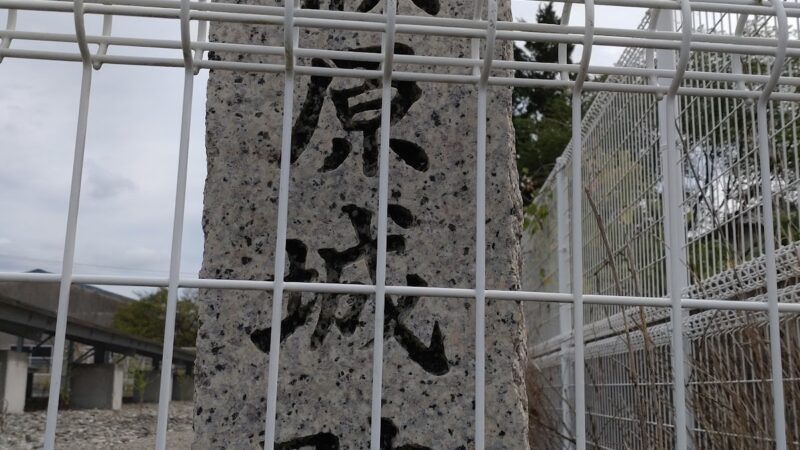
The stone monument is inscribed with “Harada Castle Ruins,” and the information plaque provides a brief history and location information for the castle. For castle enthusiasts and history buffs, these monuments serve as important landmarks when visiting Harada Castle.
Surrounding Topography and Castle Location
The current topography reveals the strategic importance of the location where Harada Castle was built. The area around the Donari Interchange is where the plains on the north bank of the Yoshino River meet the hilly area at the southern foot of the Sanuki Mountains.
This location offers excellent views overlooking the plains and defensive capabilities due to the mountains behind, fulfilling ideal conditions for a medieval castle. Although the area is now flat, slight undulations allow us to imagine the topography of the time.
How to Access Harada Castle
Access by Car
The most convenient way to access Harada Castle Ruins is by car. It is located approximately 1 km south of the Donari Interchange on the Tokushima Expressway, about a 3-minute drive away. After exiting the interchange, proceed towards National Route 318 and follow the signs to reach the vicinity of the castle ruins.
There is no dedicated parking lot, but the roads around the monument are relatively wide, and short-term street parking is possible. However, since it is a residential area, consideration should be given to avoid disturbing nearby residents.
Access by Public Transportation
If using public transportation, the nearest station is Kamojima Station on the JR Tokushima Line. From the station, take a Tokushima Bus bound for Donari and get off at the “Donari” bus stop. From there, it’s about a 15-minute walk to the castle ruins.
However, the number of buses is limited, so it is recommended to check the timetable in advance. Also, since the walking distance is somewhat long, renting a bicycle and combining it with a historical walk is another option.
Visiting Other Historical Spots in the Area
When visiting Harada Castle Ruins, visiting other historical spots in Awa City in conjunction will make for a more fulfilling historical exploration. Awa City boasts numerous attractions, including the “Awa Earth Pillars,” one of the world’s three largest earth pillar formations, and Kirihata-ji Temple, one of the 88 temples of the Shikoku Pilgrimage.
The area around the Donari region, in particular, is dotted with the remains of medieval castles, making it an interesting area for castle enthusiasts.
About Awa City – The Region that Nurtured Harada Castle
Geography and Natural Environment of Awa City
Awa City is located in the northern part of Tokushima Prefecture, blessed with water and greenery, backed by the Sanuki Mountains and overlooking the Yoshino River. It was formed in 2005 through the merger of four towns: Yoshino, Donari, Ichiba, and Awa. Its total area is approximately 191 square kilometers, and its population is approximately 35,000 (as of 2024).
Agriculture thrives, taking advantage of the warm climate and fertile land, and the city boasts one of the highest production volumes of vegetables and fruits in the prefecture. Awa City’s agricultural production ranks first in the prefecture for a wide variety of crops, making it a vital region supporting Tokushima Prefecture’s food supply.
History and Culture
The Awa City area has been inhabited since ancient times, and many ancient burial mounds and ruins have been discovered. In the Middle Ages, numerous castles, including Harada Castle, were built, and during the Sengoku period, it became the stage for the politics and military of Awa Province.
During the Edo period, it came under the control of the Tokushima Domain and developed as a center for the collection and distribution of goods using the Yoshino River’s water transport. Indigo production also flourished, becoming a nationally known specialty product known as Awa indigo.
Modern Awa City
Modern Awa City, while maintaining agriculture as its core industry, has also developed as a residential area thanks to improved transportation access following the opening of the Tokushima Expressway. Being within commuting distance of Tokushima City, it also functions as a bedroom community.
In terms of tourism, the “Awa Earth Pillars” are designated as a national natural monument, attracting many tourists as a globally rare geological formation. Furthermore, it is home to Kirihata-ji Temple, the tenth temple of the Shikoku 88 Temple Pilgrimage, making it a center of pilgrimage culture.
Population and Household Trends
The population of Awa City has been gradually declining from approximately 40,000 at the time of the merger to approximately 35,000 currently. This reflects the nationwide trend of population decline and an aging society.
On the other hand, the number of households has remained relatively stable at approximately 14,000, indicating an increase in nuclear families and single-person households. The city is actively implementing measures to promote permanent residency and support child-rearing, striving to curb population decline.
Points to Note When Visiting Harada Castle Ruins
Visitor Etiquette
Harada Castle Ruins are currently located within a residential area. Please note the following points when visiting:
- No Trespassing on Private Property: Except for the area around the stone monument, the land is private property. Please refrain from trespassing.
- Consideration for Noise: As this is a residential area, please avoid loud conversations and visits in the early morning or late at night.
- Take Your Trash Home: Please be sure to take your trash home with you after your visit.
- Parking Manners: Please avoid parking for extended periods or parking in areas that obstruct traffic.
Photography
Photography of the stone monuments and information plaques is permitted, but please be considerate and avoid including surrounding houses and residents in your photos. In particular, avoid taking photos from angles that include windows or entrances of houses.
Best Time to Visit
Harada Castle Ruins is an outdoor historical site and is generally open for viewing throughout the year. However, the following times are recommended:
- Spring (March-May): The weather is mild and suitable for strolling.
- Autumn (September-November): It is cool, and the surrounding scenery is beautiful.
Summer is hot and humid, so heatstroke prevention measures are necessary. Winters are generally mild, but it can get cold in mountainous areas.
Attractions around Harada Castle Ruins
Awa Earth Pillars
Located about 10 minutes by car from Harada Castle Ruins, the “Awa Earth Pillars” are a unique natural monument designated by the Japanese government. The landscape of towering earth pillars, formed over long periods of time, is a rare sight found only in three locations worldwide: the Rocky Mountains in the United States, the Tyrol region of Italy, and Awa.
The Earth Pillar Breeze Plaza features an observation deck and walking paths, allowing visitors to experience the impressive scale of the earth pillars up close.
Kirihata-ji Temple (Temple No. 10)
Kirihata-ji Temple, the tenth temple of the Shikoku 88 Temple Pilgrimage, is located about 15 minutes by car from Harada Castle Ruins. The temple grounds contain a large pagoda, a nationally important cultural property, and a magnificent view awaits at the top of the 333 stone steps.
In spring, the cherry blossoms are beautiful, and in autumn, the autumn leaves are stunning, attracting many tourists other than pilgrims.
Donari Historical Museum & Donari Library
This facility allows you to learn about the history and culture of the Donari region. It exhibits materials related to local castles, including Harada Castle, as well as folk materials from Donari. Visiting before visiting the Harada Castle ruins will provide a deeper understanding.
Summary – The History of Awa as Told by Harada Castle
Although most of the remains of Harada Castle have been lost, it is an important historical site that tells the story of the medieval history of Awa City, Tokushima Prefecture. This castle, which has remained in the memory of the region as a “castle grove,” conveys the reality of regional rule by local powerful families.
Currently, only a stone monument and an information plaque remain in this quiet residential area, but standing here, you can imagine the figures of the samurai who once operated from this base. When you visit Awa City, be sure to visit the Harada Castle ruins and reflect on the history of the region.
The surrounding area boasts numerous attractive tourist spots, including the Awa Earth Pillars and Kirihata-ji Temple. Start your journey from Harada Castle Ruins and enjoy the rich history and natural beauty of Awa City.