Niuyama Castle (Naka District, Tokushima Prefecture): A Complete Guide to its History and Highlights | An Important Base of the Nine Castles of Awa
What is Niuyama Castle?
Niuyama Castle is a flatland castle located in Wajiki, Naka-cho, Naka-gun, Tokushima Prefecture. Also known as Wajiki Castle, it was an important branch castle of the Tokushima Domain and one of the nine castles of Awa. Built by Yamada Hachiroemon Muneshige, a senior retainer of the Hachisuka clan, it is a historically important castle that functioned as a governing center for the Niu Valley region.
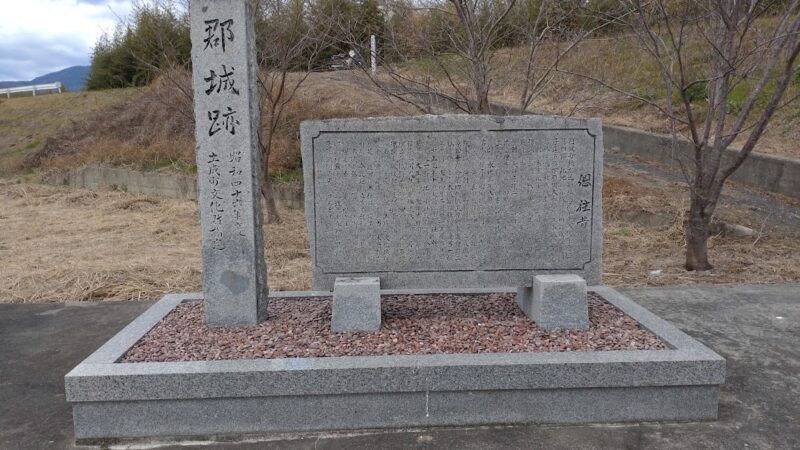
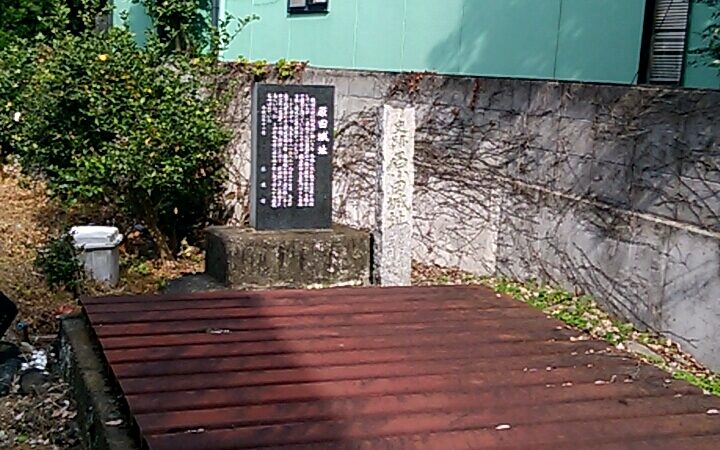
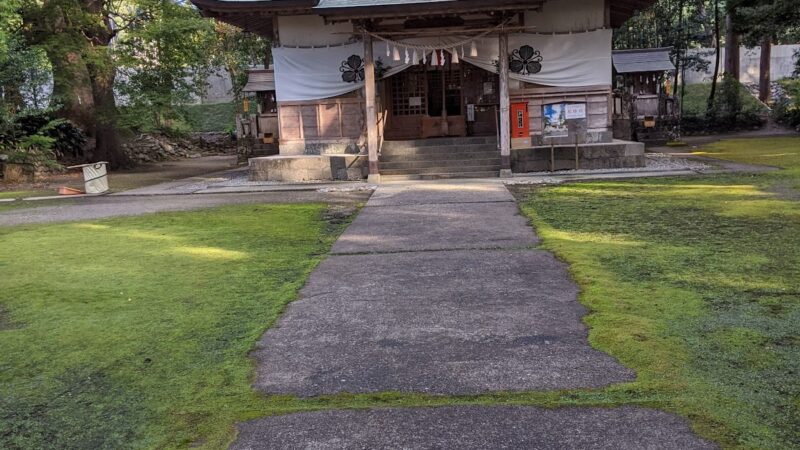
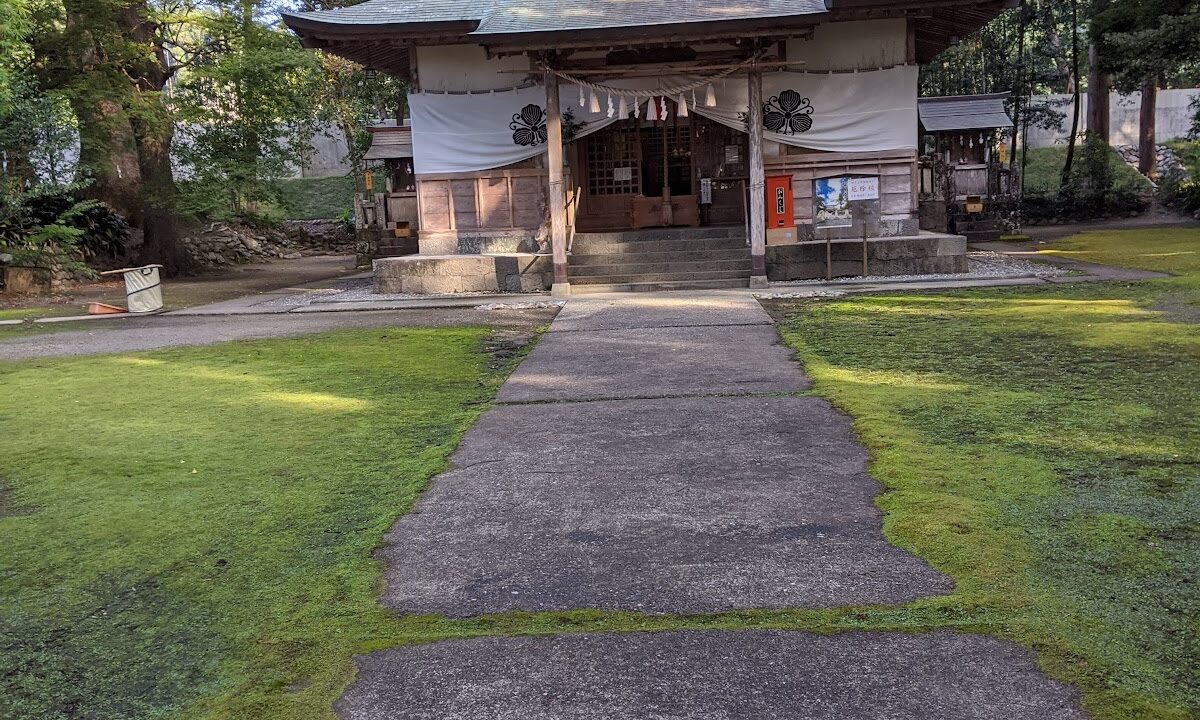
Currently, the castle site is within the grounds of Ebisu Shrine, and remains such as earthworks and watchtower bases are well preserved. Furthermore, a monument inscribed with “Niuyama Castle Ruins” stands at Washiki Elementary School, and the site is carefully preserved as a local historical heritage.
History of Niuyama Castle
The Niu Valley Region Before Castle Construction
During the Tensho era (1573-1593), the Niu Valley region was ruled by Yuasa Tsushima-no-kami (also known as Fujiwara Kanetoki or Yuasa Kanetomo). The Yuasa clan had Koniu Castle (Niu Castle) as their base and wielded considerable power as a powerful local lord in the region.
Initially, the Yuasa clan, along with Tojo Sekinohyo, the lord of Kuwano Castle, resisted Chosokabe Motochika’s invasion of Awa Province. However, as the Chosokabe clan’s power grew, they concluded a peace treaty and maintained their sphere of influence by forming marital alliances. During this period, Niu Valley functioned as an important transportation and economic hub in southern Awa Province.
The Niu Valley Rebellion and the Activities of Yamada Muneshige
In 1585 (Tensho 13), Hashiba Hideyoshi completed the pacification of Shikoku, and Hachisuka Iemasa was appointed to Awa Province. Under this new regime, the local lords of Niutani, whose privileges as local magnates were denied, grew deeply dissatisfied.
Immediately after the Hachisuka clan’s arrival, the Niutani rebels, led by the Yuasa clan, staged an uprising. This Niutani rebellion became a significant event in Awa Province as a resistance to the new ruling system.
Hachisuka Iemasa ordered his senior retainer, Yamada Hachiroemon Muneshige, to suppress the rebellion. Yamada Muneshige succeeded in suppressing the rebellion through skillful tactics and powerful military force. For this achievement, Muneshige was granted Koniu Castle by Iemasa and became the castle lord with a territory of 5,000 koku.
Construction and Development of Niuyama Castle
Although Yamada Muneshige was granted Koniu Castle, he quickly determined that it was insufficient in terms of defense and administration. Therefore, Muneshige decided to build a new castle in a more strategically advantageous location. That was Niuyama Castle.
Niuyama Castle was built in the Washoku area, not far from Koniu Castle. It is believed to have been constructed within a few years of 1585 (Tensho 13). This castle was developed as one of the nine castles of Awa Province and played an important role as a governing center for the Niu Valley region.
Yamada Muneshige served as the castle lord of Niuyama Castle, governing a considerable territory of 5,000 koku. This was an exceptionally high stipend for a castle lord of a subsidiary castle, demonstrating how highly his achievements in suppressing the Niu Valley Rebellion were valued.
Survival and Abolition After the One Castle Per Province Decree
After the Battle of Sekigahara in 1600 (Keicho 5), the Tokugawa Shogunate issued the One Castle Per Province Decree to all daimyo throughout the country. This decree required each domain to abolish castles other than its main castle.
However, Niuyama Castle received exceptional treatment. Recognized as an important branch castle of the Awa domain, and despite the “One Castle Per Province” decree of 1615, it was permitted to remain. This demonstrates the strategic importance of the Niutani region and the high regard for the Yamada clan’s governing abilities.
Niutani Castle was officially abandoned in 1638. This was due to the stabilization of the Tokugawa shogunate’s rule and the decline in the military necessity of branch castles throughout the region.
The Yamada Clan and the Washoku Residence After the Castle’s Abandonment
Even after the castle’s abandonment, the Yamada clan continued to govern the Niutani region. Although it lost its function as a castle, the grounds were maintained as the Yamada clan’s residence, the “Washoku Residence,” and continued to function as their base throughout the Edo period.
As important retainers of the Tokushima domain, the Yamada clan played a crucial role in the domain’s administration for generations, and the Washoku area remained the Yamada clan’s base until the Meiji Restoration.
Structure and Remains of Niuyama Castle
Castle Location and Layout
Niuyama Castle is a flatland castle built on a plain along the Washoku River, a tributary of the Naka River. Located in a valley surrounded by mountains, it occupies a strategic position controlling north-south transportation routes.
The castle’s layout is relatively simple, but the strategic placement of earthworks and watchtower bases created an efficient defensive system. While possessing the characteristics of a flatland castle, its design skillfully utilizes the surrounding terrain.
Existing Remains
Currently, the site of Niuyama Castle is within the grounds of Ebisu Shrine, but the following remains can be observed:
Earthworks
Earthworks remain in good condition, mainly on the northeast side. They are approximately 1.5 to 2 meters high, clearly indicating the castle’s defensive line. The structure of the earthworks suggests the high level of technology at the time of its construction.
Watchtower Bases
Multiple watchtower base sites have been identified. These are thought to have been strategically placed within the castle grounds, serving as bases for monitoring and defense of the surrounding area. The scale of the watchtower bases suggests that considerably large watchtowers once stood here.
Enclosure Sites
Several enclosure traces remain in the terrain, centered around the main enclosure. The arrangement of the flat areas allows us to imagine the functional divisions of the castle.
Castle Site Monument
A magnificent castle site monument inscribed with “Niuyama Castle Ruins” stands on the grounds of Washiki Elementary School. This monument was erected by local residents to pass on the castle’s history to future generations, demonstrating that Niuyama Castle is cherished as a source of local pride.
Relationship between Niuyama Castle and Koniu Castle
Understanding the relationship between Niuyama Castle and Koniu Castle is crucial for understanding Niuyama Castle.
Overview of Koniu Castle
Koniu Castle was located in the Gakuhara district of Niu, Naka-cho, and is known as the residence of Yuasa Tsushima-no-kami Kanetomo. It was a stronghold during the Niu Valley Rebellion and was the first castle granted to Yamada Muneshige after the rebellion was suppressed.
Currently, a monument inscribed with “Awa Nine Castles: Niu Castle Ruins” stands at the site of Koniu Castle, but very few clear remains are left. Only the monument stands on the now-empty site.
Why Did Yamada Muneshige Move the Castle?
There are several theories as to why Yamada Muneshige moved from Koniu Castle to Niuyama Castle.
Defensive Reasons
Koniu Castle was a stronghold during the rebellion and a symbol of resistance for the local residents. It is thought that he needed to build a new castle in a more suitable location as a new center of governance.
Convenience of Administration
The location of Niuyama Castle in Washoku was closer to the center of the Niu Valley region and was also a transportation hub. Considering its function as an administrative center, Washoku was more suitable.
Scale and Function of the Castle
As a residence for a castle lord governing a 5,000-koku territory, Koniu Castle may have been insufficient in terms of scale and function. It is thought that Niuyama Castle was built as a larger and more functional castle.
The Position of Niuyama Castle in the Nine Castles of Awa
The Nine Castles of Awa refer to the nine important branch castles located within Awa Province by the Tokushima Domain. Niuyama Castle was one of them, playing a crucial role in the domain’s military and administrative system.
Composition of the Nine Castles of Awa
There are various theories regarding the Nine Castles of Awa, but generally, the following castles are considered to be included.
- Ichinomiya Castle (Ichinomiya-cho, Tokushima City)
- Kawashima Castle (Kawashima-cho, Yoshinogawa City)
- Ushiki Castle (Nakagawa-cho, Anan City)
- Kaifu Castle (Kaiyo-cho, Kaifu District)
- Niuyama Castle (Naka-cho, Naka District)
- Other candidates include Kuwano Castle and Muyō Castle.
These castles formed a defensive network centered around Tokushima Castle, strategically positioned to control key locations within Awa Province.
Strategic Importance of Niuyama Castle
Niuyama Castle was an important base controlling the mountainous region of southern Awa Province. The Nakagawa River basin was a source of timber and forest products, making it an economically important area. It was also close to the transportation route to Tosa Province, giving it a military surveillance function.
Its assessed yield of 5,000 koku was considerable even among the nine castles of Awa, illustrating the importance of Niuyama Castle.
Access and Visiting Guide to Niuyama Castle
Location
Address: Washokugo, Naka-cho, Naka-gun, Tokushima Prefecture
Current Status of Castle Site: Ebisu Shrine grounds (remains exist), Washiki Elementary School (castle site monument)
Transportation Access
Access by Car
- Approximately 50km, about 1 hour and 15 minutes, from Tokushima IC on the Tokushima Expressway via National Route 55 and National Route 195
- Parking: Parking spaces available around Ebisu Shrine (confirmation required)
Access by Public Transportation
- Approximately 50 minutes by Anan Bus bound for Washoku from JR Mugi Line Anan Station, get off at Washoku bus stop, and walk for about 5 minutes
- *Since the number of buses is limited, it is necessary to check the timetable in advance.
Points to Note When Visiting
Points to See
- The grounds of Ebisu Shrine are the main viewing area. Please observe proper etiquette when visiting a shrine.
- The earthworks and watchtower bases are concentrated on the northeast side, so it is recommended to focus your observation there.
- The castle ruins monument at Washiki Elementary School is located on the school grounds, so please limit your viewing to what can be seen from the outside.
Best Time to Visit
- Spring to autumn is the best time to visit.
- In winter, be aware of the possibility of snow and icy roads.
Estimated Time Required
- Allow 30 minutes to 1 hour to visit the castle ruins.
- If visiting Koniu Castle as well, please allow an additional 30 minutes.
Nearby Tourist Spots and Related Historical Sites
Koniu Castle Ruins
This castle was the predecessor of Niuyama Castle. Located in the Gakuhara district of Niu, Naka-cho, a monument to “Awa Nine Castles Niu Castle Ruins” has been erected. Visiting this site in conjunction with Niuyama Castle will allow you to gain a deeper understanding of Yamada Muneshige’s castle strategy.
Michi-no-Eki Washinosato
This roadside station is located in the center of Naka Town and offers local specialties and agricultural products for sale. It’s about a 10-minute drive from Niuyama Castle, making it convenient for breaks and meals.
Naka River
A first-class river flowing through southern Tokushima Prefecture, known for its clear waters. It was also an important waterway that supported the economy of the Niu Valley region. Beautiful natural scenery unfolds in the surrounding area.
Kuwano Castle Ruins
A castle located in Kuwano, Naka Town, known as the residence of Tojo Sekinobei. It has a history of opposing the Chosokabe clan alongside the Yuasa clan and is deeply intertwined with the history of Niuyama Castle.
Reference Information for Learning About Niuyama Castle
Related Books
- *History of Tokushima Prefecture* (Yamakawa Publishing) – A general history of Tokushima Prefecture, covering the history of castles in Awa Province, including Niuyama Castle.
- *Comprehensive Survey of Japanese Castles*, Volume 15 – Contains a detailed description of Niuyama Castle.
- *Castles of Awa Province* – Comprehensively introduces castles within Tokushima Prefecture.
Museums and Historical Sites
Tokushima Prefectural Museum
Located in Tokushima City, this prefectural museum features exhibits on the history of Awa Province. You can see materials related to the rule of the Hachisuka clan and the nine castles of Awa.
Naka Town Historical and Folk Museum
This museum introduces the history and culture of Naka Town, and you can also learn about the history of the Niuyama area.
Historical Significance of Niuyama Castle
Niuyama Castle is an important historical site that illustrates the nature of regional governance from the Sengoku period to the early Edo period.
Suppression of the Rebellion and Establishment of a New System
The suppression of the Niutani Rebellion and the subsequent construction of Niuyama Castle symbolized the process by which the Hachisuka clan established their rule over Awa Province. The method of suppressing resistance from local lords by force and constructing a new castle to serve as a governing base is a typical example of daimyo rule during this period.
Survival as an Exception to the One Castle Per Province Decree
Despite the One Castle Per Province Decree of 1615, Niuyama Castle’s survival until 1638 is noteworthy. This indicates that the necessity of a castle for governing the Niutani region was recognized between the shogunate and the Tokushima domain.
Function as a Center for Regional Governance
Niuyama Castle was not merely a military base, but also an administrative center governing a 5,000-koku territory. The castle lord, the Yamada clan, used this castle as their base to oversee civil administration, economy, and judiciary in the Niutani region. The existence of such a multi-functional subsidiary castle is an important example for understanding the administration of a feudal domain during the Edo period.
Summary
Niuyama Castle is an important historical site remaining in Naka-cho, Naka-gun, Tokushima Prefecture. Built as an important base for the Hachisuka clan’s rule of Awa Province, it played a crucial role from suppressing the Niuya Rebellion to regional governance in the early Edo period.
Even today, remnants such as earthworks and watchtower bases remain well within the grounds of the Ebisu Shrine, allowing us to imagine the appearance of the castle at that time. As one of the nine castles of Awa Province, and as a historical site that conveys the achievements of Yamada Muneshige, Niuyama Castle is an indispensable part of the history of castles in Tokushima Prefecture.
When visiting Naka-cho, be sure to visit the Niuyama Castle ruins and reflect on the history of Awa Province from the Sengoku period to the Edo period. The castle ruins remaining in a quiet mountainous area convey to the present day the lives of the people who lived through turbulent times.