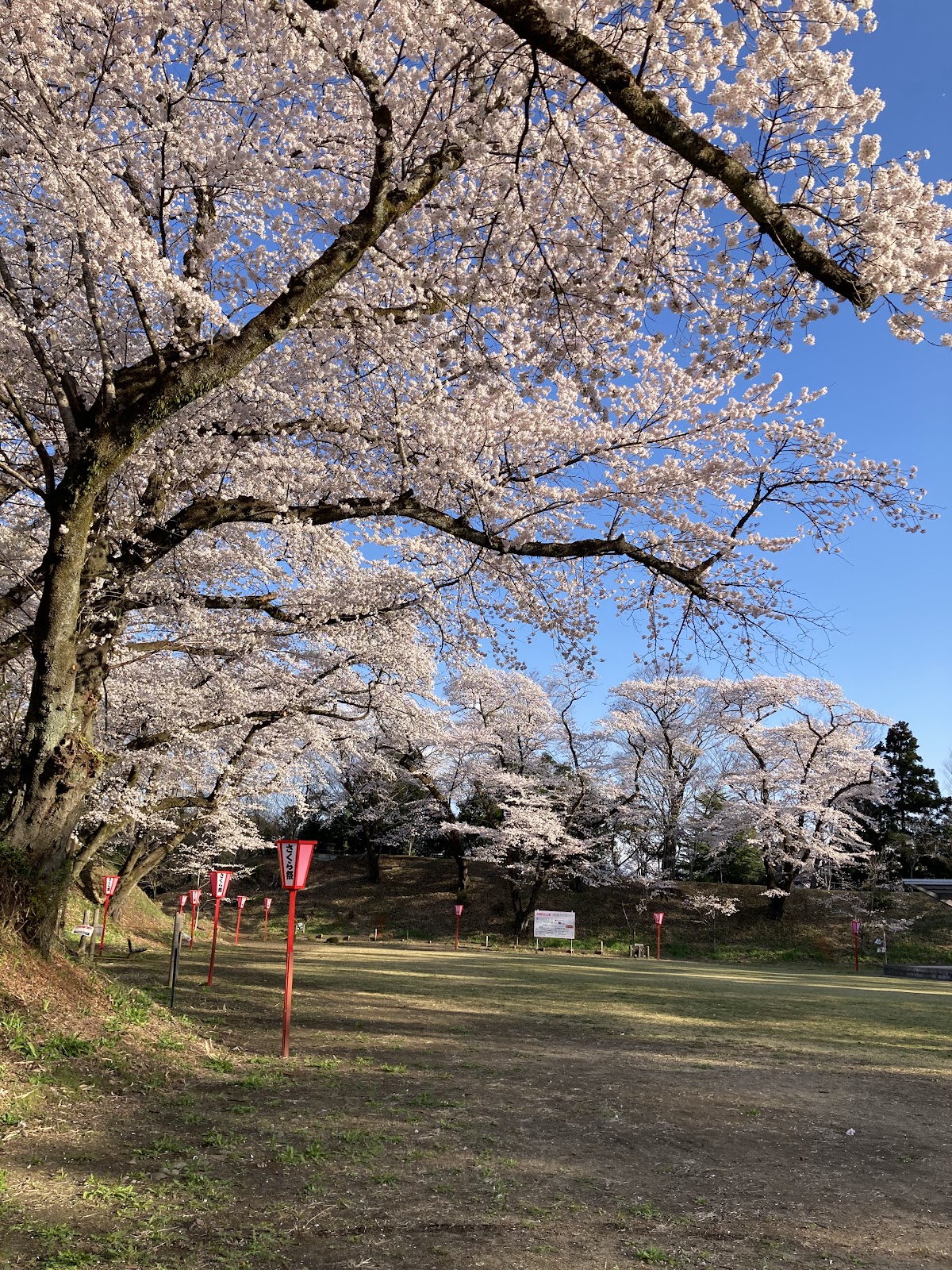
A Thorough Explanation of the History and Remains of Hatogamori Castle (Tochigi Prefecture) – A Crucial Base of the Medieval Utsunomiya Clan
What is Hatogamori Castle?
Hatogamori Castle was a medieval mountain castle located in Utsunomiya City, Tochigi Prefecture. It functioned as an important military base within the territory controlled by the Utsunomiya clan and is one of the essential castles for understanding the political situation in Shimotsuke Province during the Sengoku period.
Although many of the remains have been lost, traces remain in the topography and place names, attracting attention from local history researchers and castle enthusiasts. This article will provide a detailed explanation of Hatogamori Castle, from its historical background to its structure and current state.
Historical Background of Hatogamori Castle
Construction Period and Builder
There is a lack of reliable historical records regarding the construction period of Hatogamori Castle, and various theories exist, but it is generally believed to have been built during the mid-to-late Muromachi period. The castle’s builder is believed to have been a member or retainer of the Utsunomiya clan, and it is presumed to have functioned as part of the defensive line of Utsunomiya Castle.
The Utsunomiya clan was a prominent family representing Shimotsuke Province, and they ruled the region from the Heian period to the Sengoku period. Numerous branch castles were built within their sphere of influence, and Hatogamori Castle is considered one of them.
Role in the Sengoku Period
During the Sengoku period, Shimotsuke Province became a battleground for the power struggles of surrounding daimyo such as the Hojo, Uesugi, and Satake clans. In order to maintain their independent power amidst this situation, the Utsunomiya clan established branch castles throughout their territory and developed a defensive system.
Hatogamori Castle is located north or east of Utsunomiya Castle (depending on the traditional location), and is thought to have functioned as a forward base to prepare for invasions by enemy forces. It is particularly believed to have played a crucial role as a military stronghold during periods of intense conflict with the Satake clan.
Period of Abandonment
While there are no clear records regarding the exact period of abandonment of Hatogamori Castle, it is presumed that, like many medieval castles, it was abandoned between the Tensho era (1573-1592) and the Keicho era (1596-1615).
Especially after the Utsunomiya clan was dispossessed in 1597, it is believed that the castle completely lost its function in the early Edo period and was converted into farmland and residential land.
Castle Structure and Characteristics
Location
Hatogamori Castle is believed to have been a flatland castle built on a hill or plateau. It is presumed to have combined the natural fortifications of the surrounding terrain with artificial defensive structures.
The castle’s location controlled a strategic transportation hub, and it is thought to have also served economic and military functions such as monitoring roads and securing transportation routes for goods.
Castle Layout and Remains
Due to the limited existing historical materials and remains, a complete understanding of the detailed layout (castle design) of Hatogamori Castle is difficult. However, based on the general structure of medieval mountain castles, it is believed to have possessed the following elements:
Main Enclosure (Honmaru): The central section of the castle, where the lord’s residence and command post were located. It is presumed to have been the most heavily fortified area, surrounded by earthworks and moats.
Second and Third Enclosures (Ninmaru and Sanmaru): Sections surrounding the main enclosure, used as garrisons for soldiers and storage of supplies.
Moats and Vertical Moats: Defensive structures built to block ridges or slopes, serving to prevent enemy incursions.
Earthworks: Defensive walls constructed by piling up earth, dividing the castle into different sections and protecting against enemy attacks.
Defensive System
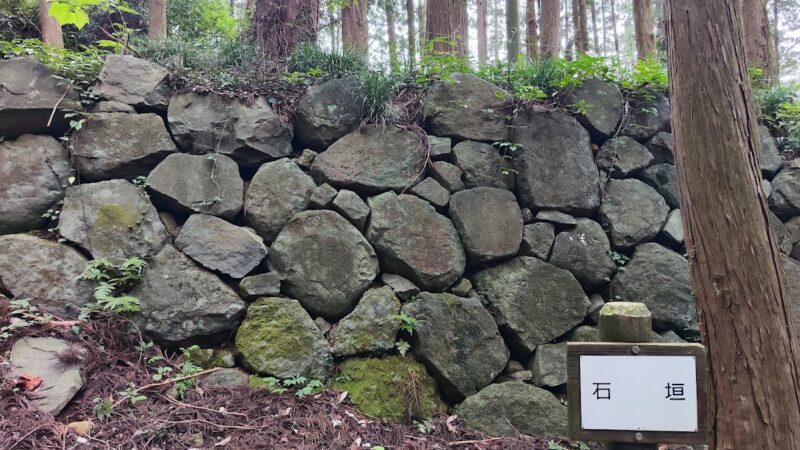
Hatogamori Castle, a medieval mountain castle, is believed to have been constructed primarily of earth and wood, lacking stone walls or a keep. Defense was achieved through a multi-layered defensive system utilizing the elevation differences of the terrain, including the arrangement of baileys and a moat and earthworks.
It is presumed that key defensive points were strategically placed with koguchi (gateways) to limit enemy incursions, allowing for effective defense even with a small force.
Relationship between Hatogamori Castle and the Utsunomiya Clan
Utsunomiya Clan’s Territory
The Utsunomiya clan was a prominent family descended from Fujiwara no Hidesato, rising to prominence as a powerful samurai group in Shimotsuke Province from the late Heian period. During the Kamakura period, they served the shogunate as gokenin (vassals), and in the Muromachi period, they expanded their power as important retainers of the Uesugi clan, the Kanto Kanrei (governor of the Kanto region).
Centered around Utsunomiya Castle, the Utsunomiya clan’s base, numerous branch castles were built in the surrounding area, forming a network for controlling their territory. Hatogamori Castle also functioned as part of this network, serving as a base for maintaining local security and mobilizing military forces.
Vassal System and Castle Layout
The Utsunomiya clan possessed a powerful group of vassals, and they managed their territory by entrusting them with the management of branch castles. It is believed that a member of the Utsunomiya clan or a senior retainer was stationed as the lord of Hatogamori Castle, overseeing the governance of the surrounding area.
This network of branch castles functioned as an administrative center in peacetime and a defensive line in wartime, representing a typical form of governance in the medieval feudal system.
Present State of Hatogamori Castle
Preservation Status of Remains
Currently, most of the remains of Hatogamori Castle have been lost, and only limited topography clearly identifiable as castle remains remain. Due to years of development and conversion of land to farmland, it is difficult to imagine its former appearance.
However, investigations by local historians and castle researchers have allowed for estimations of the castle’s location and size based on the remaining topographical features and oral traditions of the elderly.
Surrounding Historical Sites
Near Hatogamori Castle, numerous historical sites related to the Utsunomiya clan are scattered. These include the ruins of Utsunomiya Castle (now developed as Utsunomiya Castle Ruins Park), Taki Castle, and Tobiyama Castle, among others, all castle ruins that tell the story of medieval Shimotsuke Province.
Visiting these historical sites allows for a deeper understanding of the Utsunomiya clan’s sphere of influence during the Sengoku period and the political situation of the time.
Local Perception
Among local residents, the place name “Hatogamori” and related legends remain, preserving the memory of a castle that once stood on this site. The history of Hatogamori Castle is passed down through local festivals and local history research groups.
In recent years, as part of regional revitalization and tourism promotion, the historical value of medieval castles has been re-evaluated, and new research and information dissemination regarding Hatogamori Castle are anticipated.
Access and Visiting Information
Location
The estimated location of Hatogamori Castle is within Utsunomiya City, Tochigi Prefecture, but there are multiple theories regarding its exact location, and it has not been definitively determined. While it is possible to visit the estimated site based on local history research and local traditions, clear signposts are often not installed.
Transportation Access
Public Transportation: Take a bus from JR Utsunomiya Station or Tobu Utsunomiya Station and walk from the nearest bus stop. However, since the exact location has not been determined, it is recommended to check information from local history materials beforehand.
By Car: From the Tohoku Expressway Utsunomiya IC, head towards the city center. Since the castle ruins are often not registered in car navigation systems, you will need to set nearby landmarks when visiting.
Precautions During Visits
Hatogamori Castle ruins are likely not developed as a park or similar facility, and may be on private property. Please note the following points when visiting.
- Avoid trespassing on private land and obtain permission from the landowner.
- To protect the remains, any actions that damage the topography are strictly prohibited.
- Always take your trash with you and protect the natural environment.
- Prioritize safety and avoid acting alone.
Current Status and Challenges of Hatogamori Castle Research
Limitations of Historical Sources
Primary sources (documents and records from the time) concerning Hatogamori Castle are extremely limited, making it difficult to unravel the detailed history of the castle. Much of the information is based on later geographical records and legends, requiring verification with historical facts.
It is hoped that the true nature of Hatogamori Castle will be revealed through the discovery of new historical materials and the progress of archaeological investigations.
The Need for Archaeological Investigations
To unravel the reality of Hatogamori Castle, archaeological approaches such as excavation are essential. However, with ongoing residential and agricultural development, large-scale investigations are difficult.
It is important to gradually accumulate information through emergency investigations related to development and academic trial excavations.
Position in Local History Research
Hatogamori Castle is an important site for understanding the local history of Shimotsuke Province during the medieval period, as part of the Utsunomiya clan’s network of branch castles. Understanding it not only as a standalone castle but also in relation to the surrounding castle complex provides a clearer picture of the political and military situation at the time.
Continued research and investigation by local history research societies and municipal cultural property departments are key challenges for the future.
Other Medieval Castles in Utsunomiya City
Knowing about other medieval castles in Utsunomiya City is also beneficial for understanding Hatogamori Castle.
Utsunomiya Castle
This was the base of the Utsunomiya clan, a flatland castle used from the late Heian period to the early Edo period. Currently, it is maintained as Utsunomiya Castle Ruins Park, with restored earthworks, Seimeidai (a hilltop), and Fujimi-yagura (a watchtower).
Taki Castle
This mountain castle, located in Tashimo-cho, Utsunomiya City, was one of the important branch castles of the Utsunomiya clan. The remains of moats and baileys are relatively well-preserved, making it a popular hiking destination.
Tobiyama Castle
Located in Takeshita-cho, Utsunomiya City, this flatland castle was the residence of the Haga clan, a branch of the Utsunomiya clan. Currently, it is maintained as Tobiyama Castle Historical Park, where visitors can see remains such as earthworks and moats.
Visiting these castles together provides a deeper understanding of the Utsunomiya clan’s sphere of influence and the characteristics of medieval castles.
Characteristics of Medieval Castles and Hatogamori Castle
Structure of Mountain Castles
Medieval mountain castles were predominantly earthen structures without stone walls or keeps. Hatogamori Castle is similarly thought to have had defensive facilities primarily consisting of earthworks and moats.
The advantages of mountain castles lie in their high defensive capabilities utilizing the elevation differences of the terrain and their low construction costs. On the other hand, they were unsuitable for long-term sieges, with water supply and material replenishment being major challenges.
Branch Castle Network
Daimyo (feudal lords) of the Sengoku period (Warring States period) established numerous branch castles around their main castle to govern their territories. These castles functioned as a system for rapid communication and military mobilization, coordinating with each other.
Hatogamori Castle is believed to have been part of this system as part of the Utsunomiya clan’s branch castle network.
Castle Tactics of the Sengoku Period
In the Sengoku period, not only field battles but also castle sieges were a crucial element of warfare. The attacking side employed tactics such as encirclement, forceful assault, and stratagem, while the defending side typically employed tactics of siege warfare to buy time and await reinforcements.
While it is unknown what battles Hatogamori Castle experienced, it is certain that it was always prepared for battle amidst the tense atmosphere of the Sengoku period.
Significance of Visiting Hatogamori Castle
Experiencing Historical Romance
Although the remains of Hatogamori Castle are gone, standing on the site allows one to imagine the history of the castle, the people who lived and fought here. The absence of visible remains offers the pleasure of using your imagination.
Learning about Local History
Through Hatogamori Castle, you can learn a great deal about the medieval history of Utsunomiya City, the history of the Utsunomiya clan, and the situation in Shimotsuke Province during the Sengoku period. Knowing local history deepens your understanding of the land and fosters a sense of attachment.
Contribution to Castle Research
Visiting and documenting lesser-known castles like Hatogamori Castle contributes to the development of castle research. New discoveries may be made through photography, topographical observation, and interviews with locals.
Summary
Hatogamori Castle was a medieval mountain castle located in Utsunomiya City, Tochigi Prefecture, and played an important role as a branch castle of the Utsunomiya clan. Although many remains have been lost, it remains a valuable historical site that tells the story of the region and is a subject of local history research.
Many aspects of its detailed history and structure remain unclear, and further investigation and research are anticipated. When visiting Utsunomiya City, why not visit the estimated site of Hatogamori Castle, along with other historical sites such as Utsunomiya Castle and Taki Castle?
For those interested in the history of medieval castles, those who want to trace the footsteps of the Utsunomiya clan, and those who want to learn more about the local history, Hatogamori Castle is a historical site well worth visiting. Because there are few remaining structures, you can use your imagination and feel the romance of history.
Besides Hatogamori Castle, Tochigi Prefecture has many other medieval castles. By visiting and comparing each castle, you can deepen your understanding of the castle culture of the Sengoku period and the local history. We encourage you to experience the profound depth of Japanese history through a castle tour.
--765x450.png)