Complete Guide to Otawara Castle (Tochigi Prefecture): The History and Highlights of the 326-Year-Old Residence of the Otawara Clan
Located in the heart of Otawara City, Tochigi Prefecture, Otawara Castle is a hilltop castle that served as the residence of the Otawara clan for 326 years, from the Sengoku period to the Meiji Restoration. Currently, it is maintained as Ryujo Park and is also known as a famous cherry blossom viewing spot. This article provides a detailed explanation of Otawara Castle’s history, structure, highlights, and access methods.
Overview and Basic Information of Otawara Castle
Otawara Castle (Ōtawara-jō) is a Japanese castle located in Shiroyama 2-chome, Ōtawara City, Shimotsuke Province (present-day Tochigi Prefecture). Also known as Ryūjō or Ryūtai-jō, it is a hilltop castle built on Mt. Ryūtai on the west bank of the Jabio River.
Basic Data
- Location: 2-chome, Shiroyama, Otawara City, Tochigi Prefecture
- Castle Structure: Hilltop Castle
- Year of Construction: 1543 (Tenbun 12) or 1545 (Tenbun 14)
- Builder: Otawara Sukekiyo
- Relative Height: Approximately 25 meters
- Site Area: Approximately 210m east-west, approximately 327m north-south, total area approximately 9.1 hectares
- Year of Abandonment: 1871 (Meiji 4)
- Designation: Otawara City Designated Historic Site
- Current Status: Developed as Ryujo Park
History of Otawara Castle
The Castle’s Construction and Otawara Sukekiyo
There are two theories regarding the construction year of Otawara Castle: one suggests it was built in 1543 (Tenbun 12) and the other in 1545 (Tenbun 14). In any case, it is certain that it was built in the mid-Sengoku period by Otawara Sukekiyo.
The Otawara clan were powerful vassals of the Nasu clan, and Sukekiyo moved his castle from the Mizuguchi residence in Machijima, which had been his base, to Ryutaiyama, a location more suitable for defense. This area is located in the central part of the Nasu Hills and was a strategically important point, utilizing the Jabio River as a natural moat.
The Otawara Clan in the Sengoku Period
The Otawara clan, while vassals of the Nasu clan, skillfully navigated the complex political situation of the Sengoku period. Particularly important is their submission to Toyotomi Hideyoshi.
During the Siege of Odawara in 1590, while many daimyo from eastern Japan sided with Toyotomi Hideyoshi, the Otawara clan also submitted to Hideyoshi, securing their territory. This decision formed the foundation for the Otawara clan’s survival throughout the Edo period.
The Otawara Domain in the Edo Period
In the Edo period, the Otawara clan was officially recognized as the lords of the Otawara Domain. Although it was a small domain with a rice yield of just over 11,000 koku, the fact that the same family ruled for 326 years is a rare example nationwide.
As a fudai daimyo (hereditary vassal) of the shogunate, the Otawara Domain maintained stable rule throughout the Edo period. A castle town was developed, and Otawara flourished as the political and economic center of the Nasu region.
The Boshin War and Otawara Castle
During the turbulent period at the end of the Edo period, the Otawara Domain played a crucial role. During the Boshin War of 1868 (Keio 4), the Otawara Domain sided with the new government forces and participated in the attack against Aizu.
By acting as a member of the new government forces, the Otawara Domain was able to transition to the new system relatively smoothly after the Meiji Restoration. However, with the abolition of the feudal domains and establishment of prefectures in 1871 (Meiji 4), the Otawara Domain was abolished, bringing to an end its 326-year history as the residence of the Otawara clan.
Changes after the Meiji Restoration
After the abolition of the feudal domains and establishment of prefectures, the structures of Otawara Castle gradually disappeared. Major buildings such as the keep, turrets, and palace were dismantled, and today only remnants such as earthworks and parts of the moat remain.
In the Showa era, the castle site was developed into Ryujo Park, becoming a place of relaxation for citizens. It became particularly known as a cherry blossom viewing spot, attracting many visitors in the spring.
Structure and Layout of Otawara Castle
Characteristics as a Hilltop Castle
Otawara Castle is a hilltop castle built on Mt. Ryutai, with a relative height of approximately 25 meters. A hilltop castle is a castle built on a hill or plateau in a flat area, possessing characteristics intermediate between a mountain castle (rather than a mountain castle) and a flatland castle (rather than a plain castle).
This location allowed Otawara Castle to achieve a balance between defensiveness and habitability. It utilized the Jabio River as a natural moat while also being easily accessible from the castle town.
Layout Composition
The layout of Otawara Castle was composed as follows:
Honmaru: The central part of the castle, where the lord’s residence and government offices were located. Currently, it is maintained as a plaza.
Ninokuruwa: Located surrounding the Honmaru, it housed the residences of senior retainers and important facilities.
Third Bailey: This area extended further outwards, forming the residences of the retainers and samurai quarters.
Total Enclosure: It is believed that the entire castle town was surrounded by a total enclosure structure of moats and earthworks.
Defensive Facilities
The following defensive facilities of Otawara Castle have been confirmed:
Earthworks: Some parts still remain today, allowing us to imagine the scale of the castle at the time. Earthworks are defensive walls made by piling up earth, preventing enemy intrusion and enhancing defensive capabilities by allowing fences and walls to be built on top.
Moats: In addition to using the Jabio River as an outer moat, dry moats and water moats were also located within the castle. Although many parts have been filled in, some places retain traces of their original appearance.
Tiger’s Moat: The tiger’s mouth, the entrance to the castle, had a complex structure as a strategically important defensive point.
Structures
During the Edo period, Otawara Castle had the following structures:
Palace: This was the residence of the feudal lord and the place where official duties were conducted.
Watchtowers: These were strategically placed within the castle grounds, serving as bases for surveillance and defense.
Gates: Highly defensive gates, such as watchtower gates and Korean-style gates, were built at the entrances to each enclosure.
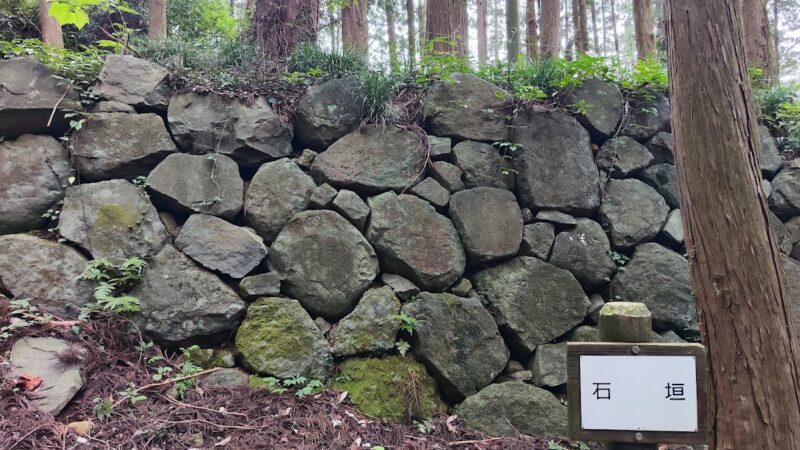
Unfortunately, these structures were lost after the Meiji era, and only remains today.
Highlights of Otawara Castle
Main Enclosure Site
The main enclosure site, located in the center of the current Ryujo Park, has been developed into a plaza. From here, you can enjoy a panoramic view of Otawara city, a view that the former feudal lords likely also enjoyed.
An information board is installed at the main enclosure site, where you can learn about the history and structure of Otawara Castle. In spring, cherry blossoms bloom here, making it a popular spot for cherry blossom viewing.
Remains of Earthworks and Moats
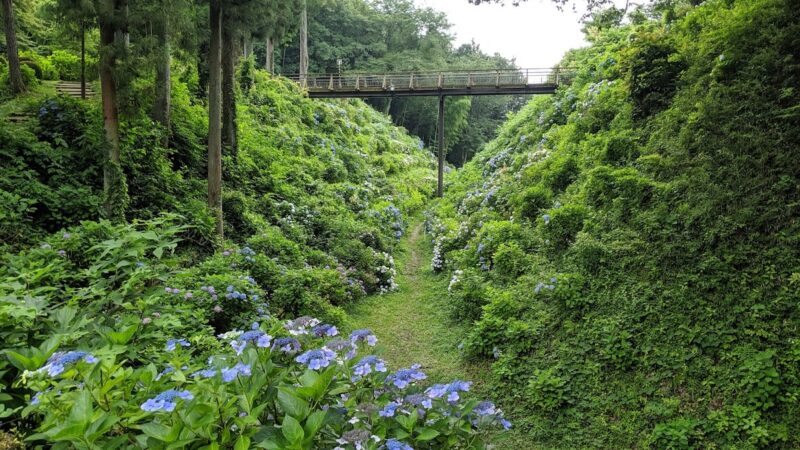
Within Ryujo Park, parts of the earthworks and moats from that time remain. These remains provide valuable clues to understanding the scale and structure of Otawara Castle.
The earthworks, in particular, are important remains that demonstrate the castle-building techniques from the Sengoku period to the Edo period. Their height and shape allow us to understand the defensive thinking of the time.
Cherry Blossoms at Ryujo Park
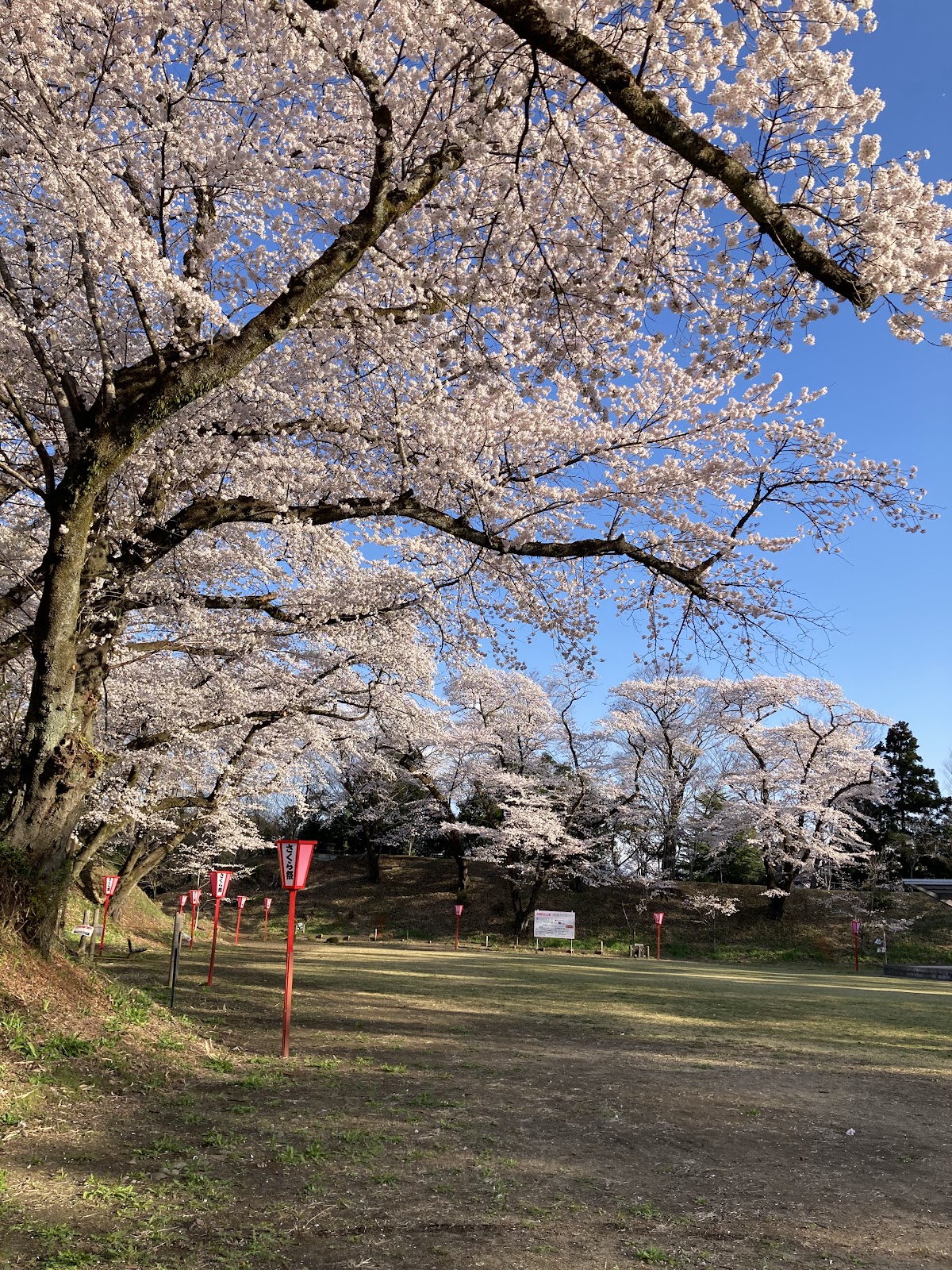
The Otawara Castle ruins have been developed into “Ryujo Park,” known as one of Tochigi Prefecture’s leading cherry blossom viewing spots. In spring, approximately 500 cherry trees, mainly Somei Yoshino varieties, bloom, attracting many visitors.
At night, the trees are illuminated, allowing visitors to enjoy the magical sight of cherry blossoms after dark. The “Ryujo Cherry Blossom Festival” is held during the cherry blossom season, featuring various events.
Stone Monuments and Information Boards
Within the park, there are stone monuments and information boards that tell the history of Otawara Castle and the Otawara clan. Visiting these sites will allow you to gain a deeper understanding of the castle’s history and structure.
In particular, the monument commemorating the achievements of Otawara Sukekiyo and the information board detailing the role of the Otawara Domain in the Boshin War are of great interest to history enthusiasts.
Traces of the Castle Town
Around Otawara Castle, there are areas that retain the atmosphere of the former castle town. Strolling around and searching for remnants of samurai residences and merchant districts is one of the pleasures of visiting Otawara Castle.
Especially south of the castle, the grid-like town layout remains, allowing you to understand the structure of a castle town from the Edo period.
Visitor Guide: Access and Sightseeing Information
Access Methods
Access by Train
- Approximately 30 minutes by local bus from JR Tohoku Main Line “Nishinasuno Station,” get off at “Otawara City Hall,” then approximately 10 minutes on foot.
- Approximately 20 minutes by taxi from JR Tohoku Shinkansen “Nasu-Shiobara Station.”
Access by Car
- Approximately 15 minutes from Tohoku Expressway “Nishinasuno-Shiobara IC” via National Route 400.
- Approximately 30 minutes from Tohoku Expressway “Yaita IC” via National Routes 4 and 461.
Parking
- Free parking is available at Ryujo Park (approximately 50 cars).
- During peak seasons such as cherry blossom season, you may need to use temporary parking lots in the surrounding area.
Visiting Information
- Opening Hours: Always open (as a park)
- Admission Fee: Free
- Estimated Time Required: Approximately 30 minutes to 1 hour
- Best Season: The cherry blossom season (early to mid-April) is the most popular time, but the scenery is also beautiful during the fresh green season and the autumn foliage season.
Nearby Tourist Attractions
Nasu Shrine: An ancient shrine located in Otawara City, associated with the Nasu clan. Approximately 15 minutes by car from Otawara Castle.
Kurobane Castle Ruins: The ruins of the castle of the Kurobane clan, a branch of the Otawara clan. Approximately 20 minutes by car from Otawara Castle.
Nasu Yoichi Museum: A facility exhibiting materials related to Nasu Yoichi, who played an active role in the Genpei War. Approximately 20 minutes by car.
Otawara City Historical and Folk Museum: A facility where you can learn about the history and culture of Otawara. There are also exhibits related to Otawara Castle.
Sightseeing Tips
When visiting Otawara Castle, keeping the following points in mind will make your visit more fulfilling:
- Read the information boards carefully: The information boards in the park contain detailed information about the castle’s history and structure.
- Search for the remains: Walking around and searching for the few remaining remains, such as earthworks and moat traces, will allow you to imagine what the castle looked like in its heyday.
- Enjoy the view from the main keep: From the main keep site, you can enjoy a panoramic view of Otawara city, appreciating the castle’s excellent location.
- Choose your season: While cherry blossom season is particularly beautiful, if you want to avoid crowds, the seasons of fresh greenery or autumn leaves are also recommended.
- Explore the surrounding castle town: If you have time, take a walk around the surrounding area, which still retains the atmosphere of a castle town.
Cultural Value of Otawara Castle
Importance in Local History
Otawara Castle is an indispensable part of the history of the Nasu region. The fact that the same family ruled for 326 years significantly contributed to the stability and development of this region.
Under the rule of the Otawara clan, the castle town flourished as a center of commerce and culture, forming the foundation of present-day Otawara City.
Position in Castle History
Otawara Castle holds an important position in castle history as a typical example of a flatland castle from the Sengoku period to the Edo period. In particular, it is considered to have high research value as a castle that, despite its small size, continued to function for a long period.
Preservation and Utilization
Currently, the Otawara Castle ruins are protected as a city-designated historical site. While open to the public as Ryujo Park, management is carried out with consideration for the preservation of the remains.
In recent years, efforts to enhance its value as a cultural property have been made, including the development of information boards and investigations of the remains. It is also used as a place for local history education, and is used for social studies field trips for elementary and junior high school students.
Anecdotes Related to Otawara Castle
Origin of the Name “Ryujo” (Dragon Castle)
There are several theories as to why Otawara Castle came to be called “Ryujo.” One theory is that it derives from the name of Mount Ryutai, where the castle was built. Another theory is that the castle’s layout resembled the shape of a dragon.
In any case, it is thought that by using the auspicious character “Ryu” (dragon) as an alternative name for the castle, they wished for the castle’s dignity and the prosperity of the domain.
The Decision of Otawara Sukekiyo
Otawara Sukekiyo, the castle’s builder, decided to relocate from his previous base, the Mizuguchi residence, to Mount Ryutai. This decision stemmed from the need for a more defensible base amidst the chaos of the Sengoku period (Warring States period).
This relocation solidified the Otawara clan’s power in the Nasu region and laid the foundation for their subsequent prosperity.
Choices in the Boshin War
During the Boshin War at the end of the Edo period, the Otawara Domain’s decision to side with the new government forces was a crucial one for its survival. While many surrounding domains sided with the former shogunate, its early participation in the new government forces allowed it to maintain a relatively advantageous position even after the Meiji Restoration.
This decision can be seen as a manifestation of the political acumen cultivated by the Otawara clan since the Sengoku period.
Otawara Castle and Cherry Blossom Festival
Ryujo Cherry Blossom Festival
The “Ryujo Cherry Blossom Festival,” held every spring, is a spring tradition in Otawara City. With approximately 500 cherry trees in full bloom, various events are held, attracting many tourists and local residents.
Festival Highlights
Nighttime Cherry Blossom Illumination: After sunset, the cherry blossoms are illuminated, creating a magical atmosphere.
Stalls: Numerous stalls will be set up during the festival, offering local gourmet food and specialty products.
Stage Events: Stage events, including musical performances and dance shows, will be held mainly on weekends.
Summary: The Charm of Otawara Castle
Otawara Castle (Tochigi Prefecture) is a historic castle that served as the residence of the Otawara clan for 326 years, from the Tenbun era to the 4th year of the Meiji era. Although no buildings remain today, the remnants such as earthworks and moats, along with the beautiful environment of Ryujo Park, captivate visitors.
Having experienced the turbulent times from its construction during the Sengoku period to the stable Edo period and the Meiji Restoration, Otawara Castle is a valuable historical site embodying Japanese history. Especially during the cherry blossom season in spring, you can enjoy a magnificent landscape where history and natural beauty blend together.
When visiting Tochigi Prefecture, be sure to visit Otawara Castle Ruins (Ryujo Park) and experience the history and culture of the Nasu region. Spending time in this tranquil park, reflecting on the history of the Otawara clan who once ruled this land, will surely be a memorable experience.
--765x450.png)