
Karasuyama Castle (Setagaya Ward) Complete Guide | History, Location, and Current State of Remains
Karasuyama Castle, believed to have existed in the northwestern part of Setagaya Ward, Tokyo, near the present-day Chitose-Karasuyama Station, is a medieval castle built by a vassal of the Hojo clan during the Sengoku period. This article provides a detailed explanation of Karasuyama Castle, from its historical background to its current location and the state of its remains.
Basic Information on Karasuyama Castle
Karasuyama Castle is the site of a medieval castle believed to have existed in Minami-Karasuyama, Setagaya Ward, Tokyo. Currently, very few remains exist, and there are several theories regarding its exact location.
Common Names and Alternate Names
Karasuyama Castle is also known by the following alternative names:
- Karasuyama Fort
- Karasuyama Fort
These alternative names suggest that it may have been a small-scale military facility, such as a fort or fort, rather than a full-fledged “castle.”
Location
Location: Around Minami-Karasuyama 2-chome, Setagaya-ku, Tokyo
There are differing opinions among researchers regarding the exact location of Karasuyama Castle. The main proposed locations are as follows:
- Around Karasuyama Shrine (2-21 Minami-Karasuyama, Setagaya-ku)
- A location often cited as a possible site in works such as “The Complete Guide to Japanese Castles”
- The plateau next to the shrine is considered to be the castle site.
- Near Utena Headquarters Building (2-31-26 Minami-Karasuyama, Setagaya-ku)
- Located east of Karasuyama Shrine
- Pointed out as a possible site by some castle researchers.
- The area from Roka Park Housing Complex to Setagaya Literary Museum
- Designated as the site of the medieval castle “Karasuyama Castle (Fortress)” in the “Tokyo Metropolitan Archaeological Site Map”
- A wider area is assumed to be the castle grounds.
Former Provincial Name
Former Provincial Name: Musashi Province
The area where Karasuyama Castle existed belonged to Musashi Province before the Edo period. Musashi Province was a vast region encompassing parts of present-day Tokyo, Saitama, and Kanagawa prefectures, and was the central area of the Kanto region.
Classification and Structure
Classification: Hilltop Castle
Structure: Earthworks, Dry Moat (estimated)
Karasuyama Castle is classified as a hilltop castle located at the southern end of the Musashino Plateau. A hilltop castle refers to a castle built on a small hill or plateau in a plain.
Keep Structure
Keep Structure: None
As it is a medieval castle, it did not have a keep like early modern castles. It is thought to have had simple defensive structures using earthworks and dry moats.
Builder
Builder: Takahashi Clan
Construction Period: Sengoku Period (estimated around the 16th century)
Karasuyama Castle is believed to have been built by the Takahashi clan, vassals of the Later Hojo clan (Odawara Hojo clan). The Takahashi family is believed to have been a branch of the Hojo clan’s retainers entrusted with governing this region.
Historical Background of Karasuyama Castle
Musashi Province and the Hojo Clan in the Sengoku Period
In the 16th century, southern Musashi Province was within the sphere of influence of the Later Hojo clan, whose base was in Sagami Province (present-day Kanagawa Prefecture). To gain hegemony over the Kanto region, the Hojo clan built branch castles and forts throughout the area, granting territories to their retainers for governance.
Karasuyama Castle is thought to have been built as part of this Hojo clan’s system of control. Setagaya Castle (the residence of the Kira clan), also related to the Hojo clan, exists within Setagaya Ward, indicating that this region was an important base for the Hojo clan.
The Role of the Takahashi Family and Karasuyama Castle
Regarding the Takahashi family, who are believed to be the builders of the castle, there are few detailed records, and many aspects remain unclear. However, it is considered certain that they governed the Karasuyama area as retainers of the Hojo clan.
The following functions are considered to have served Karasuyama Castle:
- Regional Control Base: An administrative and military base for governing the surrounding area.
- Road Monitoring: Monitoring and defending major roads such as the Koshu Kaido.
- Branch Castle of Setagaya Castle: Functioning as a subsidiary castle complementing the larger Setagaya Castle.
Toyotomi Hideyoshi’s Odawara Campaign and the End of Karasuyama Castle
In 1590 (Tensho 18), Toyotomi Hideyoshi launched the Odawara Campaign, leading to the downfall of the Hojo clan. This battle resulted in the fall or abandonment of numerous castles in the Kanto region that had been under Hojo control.
Karasuyama Castle is believed to have been abandoned around the same time. Subsequently, Tokugawa Ieyasu entered the Kanto region, and throughout the Edo period, the Karasuyama area developed as an agricultural region.
Current Status of Karasuyama Castle Ruins
Remaining Structures
Unfortunately, very few clear remains of Karasuyama Castle are left today.
Current Status of Remains:
- Earthworks: Not confirmed
- Dry Moat: Not confirmed
- Enclosures (Kuruwa): Traces of the terrain are unclear
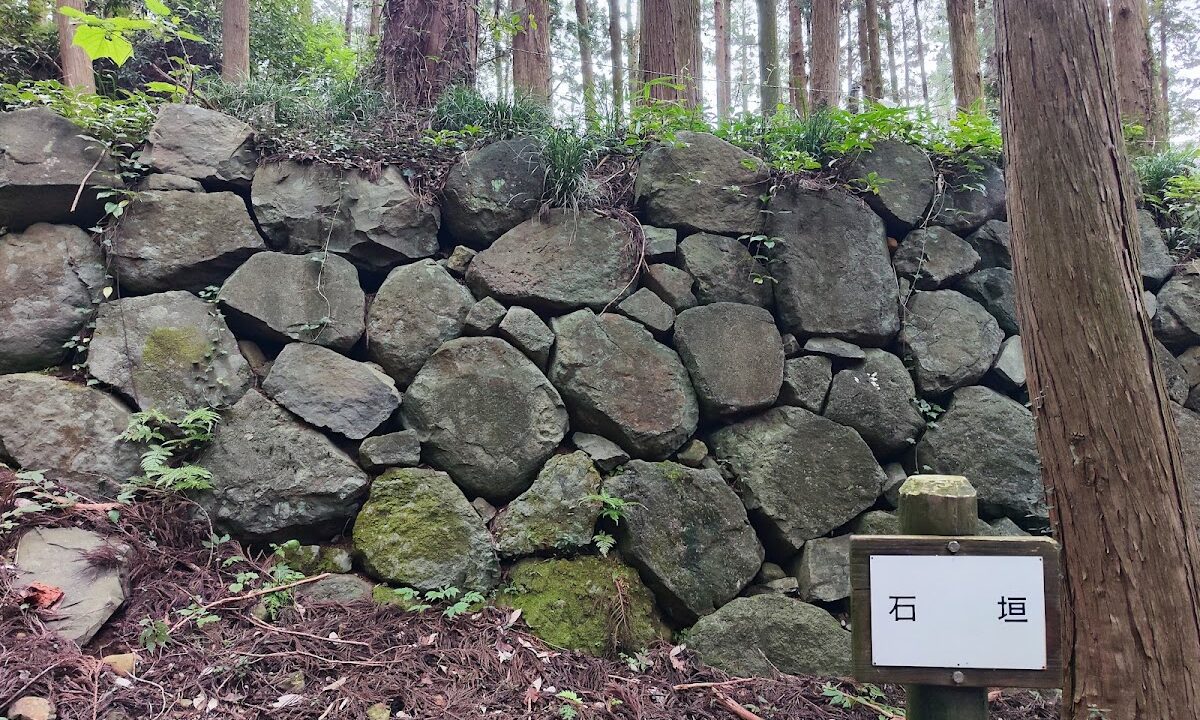
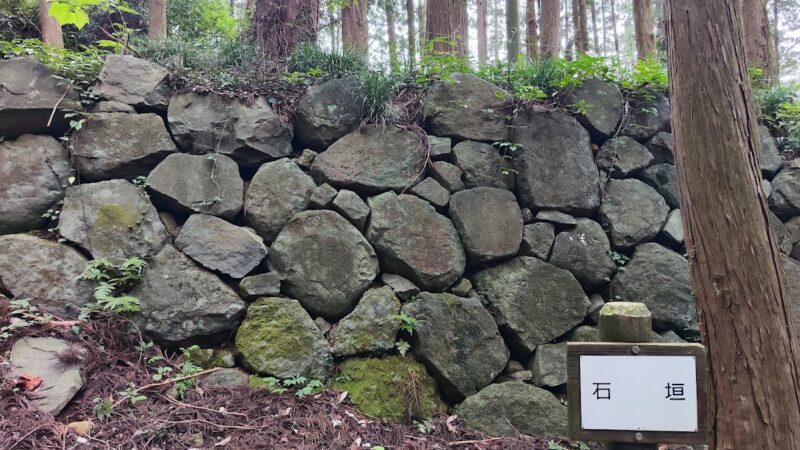
- Stone Walls: None (Originally an earthen castle)
The area has become a residential and commercial area in Setagaya Ward, which has undergone significant urbanization, making it difficult to imagine its former appearance. Since there are no explanatory signs or information boards, it would be difficult for visitors to recognize that it is a castle site.
Relationship between Karasuyama Shrine and the Castle Ruins
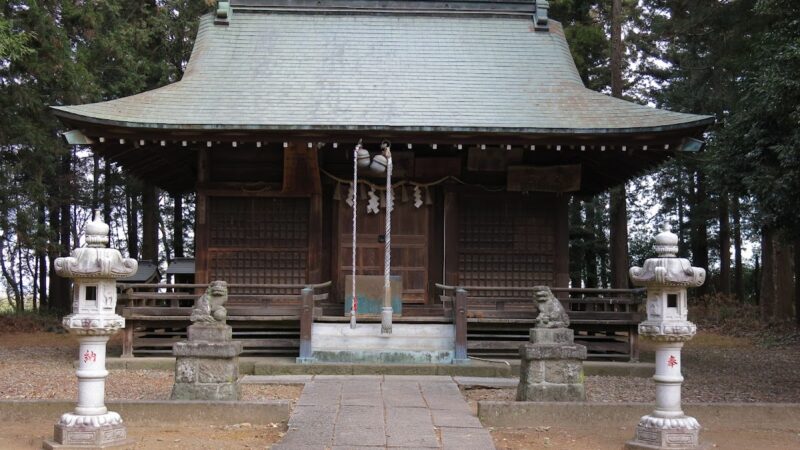
Karasuyama Shrine (2-21 Minami-Karasuyama, Setagaya Ward) is considered one of the presumed locations of Karasuyama Castle. It has been suggested that the shrine grounds and surrounding area may have been the central part of the castle, but the shrine itself does not have any historical site designation or explanatory signs indicating the castle site.
Karasuyama Shrine remains a revered local shrine and a place of relaxation for residents.
Access Information
Nearest Station: Keio Line, Chitose-Karasuyama Station
- Approximately 5-10 minutes on foot from Chitose-Karasuyama Station
- Located on the east side of the station
- It’s easiest to aim for Karasuyama Shrine
Address: 2-21 Minami-Karasuyama, Setagaya-ku, Tokyo (Karasuyama Shrine)
Map: Residential and commercial area around Chitose-Karasuyama Station
While access by car is possible, the surrounding area is densely populated with houses, so using public transportation is recommended.
History and Present of the Karasuyama Area
Geographical Characteristics of the Karasuyama Area
The Karasuyama area is located in the northwestern part of Setagaya Ward, at the southern edge of the Musashino Plateau. It is a relatively flat plateau, and this topography is thought to have been suitable for the construction of castles and fortifications in the medieval period.
Area Scope:
- Kita-Karasuyama (1-chome to 9-chome)
- Minami-Karasuyama (1-chome to 6-chome)
- Kyuden (1-chome to 5-chome)
Adjacent Municipalities:
- Suginami Ward
- Mitaka City
- Chofu City
Karasuyama from the Edo Period to the Modern Era
During the Edo period, Karasuyama primarily developed as an agricultural area. It functioned as a supplier of vegetables to Edo (present-day central Tokyo), with particularly thriving production of radishes.
Even after the Meiji era, it maintained its agricultural character for a long time, but urbanization progressed in the Showa era. In particular, the opening and extension of the Keio Line improved access to central Tokyo, leading to rapid development as a residential area.
The Modern Karasuyama Area
The current Karasuyama area has developed as a commuter town primarily for families.
Features:
- The Keio Line runs east-west, providing excellent access to Shinjuku and other areas.
- The area around Chitose-Karasuyama Station is a bustling commercial district.
- While residential areas are widespread, community gardens and harvest experience farms remain.
- It combines a lush green environment with a tranquil atmosphere.
The Karasuyama area consists of three districts: Karasuyama, Kamikitazawa, and Kamizoshigaya, each engaged in community development activities that leverage its unique characteristics.
Other Castle Ruins in Setagaya Ward
Besides Karasuyama Castle, there are several other medieval castle ruins in Setagaya Ward.
Setagaya Castle Ruins (Tokyo Metropolitan Government Designated Historic Site)
Location: Around 2-14 Gotokuji, Setagaya Ward
Designation: Designated as a Tokyo Metropolitan Government Historic Site in October 1919 (Taisho 8)
Setagaya Castle is known as the residence of the Kira clan and was a larger and more important castle than Karasuyama Castle. The site is now maintained as Setagaya Castle Ruins Park, and parts of the earthworks and dry moats are well preserved.
Setagaya Castle, like Karasuyama Castle, was within the sphere of influence of the Hojo clan, and it is believed that the two castles were closely related.
Other Castle Sites
There are several other sites in Setagaya Ward that are said to be medieval castle sites, but like Karasuyama Castle, most of the remains have been lost.
Points to Note When Visiting Karasuyama Castle
Precautions for Visiting
- Almost No Remains Remain: Expecting clear castle ruins may lead to disappointment.
- No Information Boards: There are no information boards or guide signs at the site.
- Residential and Commercial Area: The surrounding area is lined with ordinary houses and commercial facilities.
- Caution Regarding Private Property: Much of the estimated site is private property, so caution is required when entering.
Recommended Ways to Visit
When visiting the Karasuyama Castle ruins, the following ways to enjoy the site are recommended:
- Visit Karasuyama Shrine: Visit Karasuyama Shrine, one of the estimated sites.
- Observe the Topography: Stroll around the area while being mindful of the topography of the Musashino Plateau.
- Visit Together with Setagaya Castle Ruins: Comparing it with the Setagaya Castle Ruins, where remains remain, will deepen your understanding of medieval castles.
- Stroll Around Chitose-Karasuyama Station: Enjoy the atmosphere of the modern Karasuyama area.
Nearby Attractions
The following facilities and tourist spots are located around the Karasuyama Castle ruins:
Setagaya Literary Museum
- Location: 1-chome, Minami-Karasuyama, Setagaya-ku
- Holds exhibitions of literary materials and special exhibitions
- Area included in the Karasuyama Castle ruins site area on the “Tokyo Metropolitan Archaeological Site Map”
Roka Park
- A metropolitan park centered around the former residence of Tokutomi Roka
- A lush green walking spot
Chitose-Karasuyama Station Area Shopping Street
- A lively commercial district
- Abundant restaurants and shops
Current Status and Challenges of Karasuyama Castle Research
Limitations of Historical Materials
Historical materials concerning Karasuyama Castle are extremely limited. Regarding the Takahashi clan, the castle’s builders, there are almost no detailed genealogies or activity records remaining, and currently, much of the specific structure and historical role of the castle must be relied upon speculation.
The Need for Archaeological Investigation
To date, no full-scale archaeological excavation has been conducted at the Karasuyama Castle ruins. While urbanization has likely caused the loss of many remains, there is a possibility that some remains or artifacts still exist underground.
Future archaeological excavations, such as those conducted during redevelopment projects, could lead to a deeper understanding of Karasuyama Castle.
Position in Local History Research
Karasuyama Castle is one of the important archaeological sites for understanding the medieval history of Setagaya Ward. Many research questions remain, including the Hojo clan’s rule, its relationship with Setagaya Castle, and the activities of local samurai groups.
Continued investigations and research by local history enthusiasts and researchers of local history are hoped for.
Summary
Karasuyama Castle was a medieval castle located in Minami-Karasuyama, Setagaya Ward, Tokyo, and is believed to have been built by the Takahashi clan, vassals of the Hojo clan. Currently, very few remains exist, and several locations have been suggested as possible sites, including the area around Karasuyama Shrine, near the Utena headquarters building, and the area from Roka Park housing complex to the Setagaya Literary Museum.
While accessible on foot from Chitose-Karasuyama Station on the Keio Line, the site lacks explanatory signs, making it difficult to imagine its former glory. However, it is an important historical site for understanding the region’s history under the rule of the Hojo clan during the Sengoku period, and is worth visiting for anyone interested in the medieval history of Setagaya Ward.
When visiting Karasuyama Castle ruins, visiting Setagaya Castle ruins, where the remains are well-preserved, in conjunction will provide a deeper understanding of medieval castles and fortifications in Setagaya Ward. Although the modern Karasuyama area has developed as a residential and commercial district, exploring it with the awareness that medieval history lies beneath the surface will offer a different kind of enjoyment.
--765x450.png)
.png)