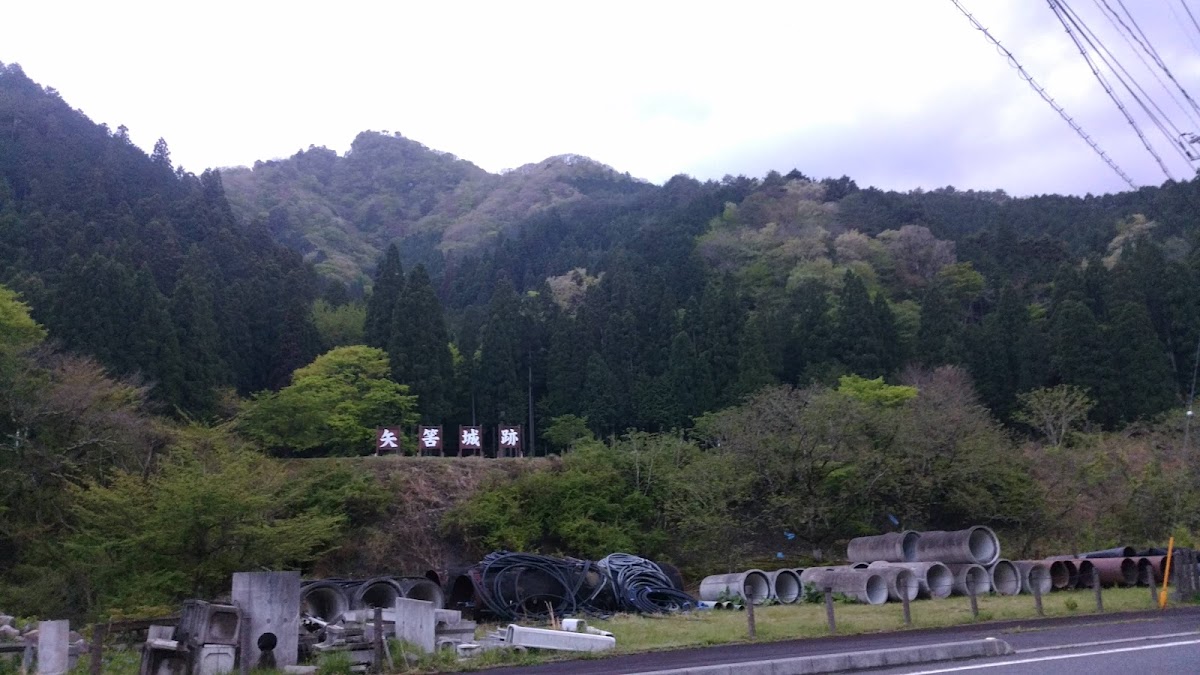
Yahazu Castle (Tsuyama City) Complete Guide | History and Highlights of Okayama Prefecture’s Largest Medieval Mountain Castle
Yahazu Castle, built on Mount Yahazu in Kamo-cho, Tsuyama City, Okayama Prefecture, is one of the largest medieval mountain castles in the prefecture, boasting a magnificent scale of 1.6 km east-west and 500 m north-south. Built on a steep mountaintop at an altitude of 756 m, this castle was constructed by Kusakari Koretsugu between 1532 and 1533, and is known as an impregnable fortress that never fell for approximately 50 years. This article thoroughly explains the charm of this magnificent mountain castle, from its history and remains to how to access it.
Basic Information on Yahazu Castle
Location and Geographical Characteristics
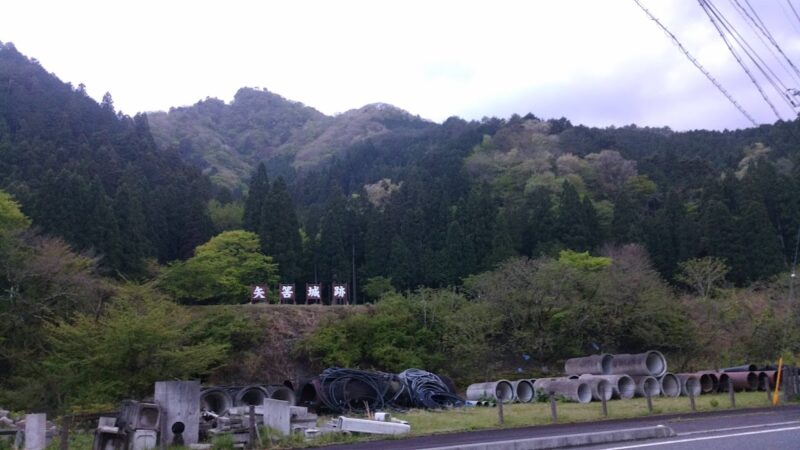
Yahazu Castle is located on Mount Yahazu, spanning from Yamashita to Chiwa in Kamo-cho, Tsuyama City, Okayama Prefecture. Built on a mountaintop at an altitude of 756m, the castle boasts a rugged location with a relative elevation of over 400m from the foot of the mountain. This geographical advantage was a crucial factor in enhancing the castle’s defensive capabilities.
Basic Data:
- Location: Yamashita Yahazuyama, Kamo-cho, Tsuyama City, Okayama Prefecture
- Alternate Names: Takayama Castle, Takayama South Castle, Kusakari Castle
- Elevation: 756m
- Relative Height: Approximately 400m or more
- Castle Size: 1,600m east-west, 500m north-south
- Designation: Okayama Prefecture Designated Historic Site
- Construction Period: 1532-1533
- Builder: Kusakari Koretsugu
- Lords: Kusakari Koretsugu, Kusakari Kagetsugu
About the Name of Yahazu Castle
Yahazu Castle has several alternative names. The names “Takayama Castle” and “Takayama South Castle” originate from Takayama, an alternative name for Yahazuyama. The name “Kusakari Castle” is derived from the name of the castle’s lord, the Kusakari clan. However, the most commonly used name is “Yahazu Castle,” which is said to have been named because the shape of the mountain resembles the nock of a bow and arrow (the part where the bowstring is attached).
History of Yahazu Castle
Background of Construction and the History of the Kusakari Clan
The construction of Yahazu Castle is closely related to the power struggles in the Chugoku region during the Sengoku period. The builder, Kusakari Hiratsugu, was originally a powerful local lord based at Yodoyama Castle in Inaba Province (present-day Tottori Prefecture).
The Kusakari clan followed the Amago clan into Mimasaka Province (present-day northern Okayama Prefecture) and expanded their power in this area. Between 1532 and 1533, Kusakari Hiratsugu built a magnificent mountain castle on Mount Yahazu as a base to govern his sphere of influence spanning both Mimasaka and Inaba Provinces.
Relationship with the Amago Clan
The background to the Kusakari clan’s construction of Yahazu Castle lies in the existence of the Amago clan, based in Izumo Province (present-day Shimane Prefecture). The Amago clan was a powerful daimyo family that vied with the Mori clan for supremacy in the Chugoku region during the Sengoku period. The Kusakari clan served as a vassal of the Amago clan, playing a crucial role as an important base for the Amago forces in Mimasaka Province, and Yahazu Castle functioned as a strategic military stronghold.
In the Amago clan’s expansionist policies, Mimasaka Province was a vital transit point for their advance into Inaba and Bizen Provinces. Yahazu Castle’s location was ideal for controlling transportation routes within Mimasaka Province and exerting military influence over surrounding areas.
History as an Impregnable Castle
The most noteworthy historical fact about Yahazu Castle is that it remained uncaptured for approximately 50 years until the Kusakari clan abandoned it in 1584. This fact speaks to the castle’s strong defenses and the Kusakari clan’s governing abilities.
During the Sengoku period, Mimasaka Province was a fierce battleground where the forces of the Amago, Mori, and Ukita clans intersected. Especially after the decline of the Amago clan, Yahazu Castle maintained its independence through its strong defenses, despite pressure from the Mori and Ukita clans. Built on a high elevation of 756 meters, the castle was an extremely difficult target for attackers, and its topographical advantage supported its impregnability.
Departure and the Castle’s End
In 1584 (Tensho 12), the Kusakari clan left Yahazu Castle. This period coincided with Toyotomi Hideyoshi’s conquest of the Chugoku region. With the Amago clan already destroyed and the Mori clan subservient to the Toyotomi regime, it is believed that the Kusakari clan also left Yahazu Castle in accordance with the changing times.
After the castle was abandoned, Yahazu Castle was left in ruins and never used again. However, its magnificent remains have been preserved in good condition to this day and are recognized for their historical value as a representative medieval mountain castle of Okayama Prefecture.
Yahazu Castle’s Layout and Structure
Structure of the Two Castles (East and West)
The most distinctive feature of Yahazu Castle is its castle structure, which boasts one of the largest scales in Okayama Prefecture, measuring 1,600m east-west and 500m north-south. The castle is broadly divided into two areas, the West Castle and the East Castle, each with its own independent defensive functions, yet together they form one massive castle complex.
The West Castle is located on the western ridge of Mount Yahazu and is thought to have housed the main living space and administrative functions. Multiple enclosures (kuruwa) are arranged in a stepped pattern, each demarcated by earthworks and moats.
The East Castle is located along the eastern ridge and has a more defensive structure. It is positioned to prepare for attacks from the east, and multiple moats are provided to cut across the ridge. This two-castle structure created a tactical advantage: even if the attacking side captured one, they would be vulnerable to counterattacks from the other. Furthermore, the vast castle grounds could accommodate a large number of troops, making it suitable for prolonged sieges.
Major Remains
Yahazu Castle retains well-preserved typical remains of a medieval mountain castle.
Enclosures (Kuruwa)
Dozens of enclosures, both large and small, have been identified within the castle grounds. The main enclosure is located on the mountaintop, forming a flat area surrounded by earthen ramparts. From the main enclosure, one can see the surrounding mountains, indicating its military surveillance function.
Each enclosure is skillfully arranged according to the terrain, forming a stepped structure along the ridgeline. The size of the enclosures varies; the larger ones cover several hundred square meters, while smaller ones are thought to have been used as watchtowers or armories.
Earthworks
The earthworks of Yahazu Castle surround the castle’s enclosures, with some sections reaching a height of 2-3 meters. These earthworks served to protect against enemy arrows and firearms, as well as clearly defining the boundaries of the enclosures.
The earthworks around the main enclosure, in particular, were large in scale and functioned as a defensive line protecting the lord’s residence and important facilities. Passages were constructed inside the earthworks, allowing soldiers to move during defensive operations.
Moats
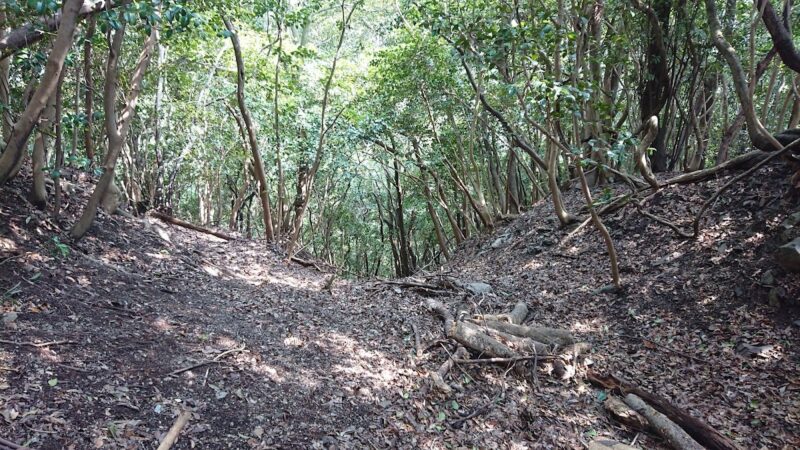
Moats, constructed to cut across the ridgeline, are a core feature of Yahazu Castle’s defensive system. Multiple moats have been identified within the castle grounds, some reaching depths of 5-10 meters.
Moats not only hindered enemy advances but also divided the castle grounds, creating multiple defensive lines. A series of moats, especially along the ridgeline towards the east, formed a strong defensive line against attacks from the east.
Stone Walls
At Yahazu Castle, some remains of stone walls have been confirmed. While earthworks were the norm for medieval mountain castles, stone walls were used in important locations. The stone walls of Yahazu Castle were constructed using the nozurazumi technique (a method of stacking natural stones as they are), making them valuable remains demonstrating the stone wall construction techniques of the Sengoku period.
The stone walls are mainly found on the edges of the enclosures and around the koguchi (entrances), and were combined with earthworks to enhance defensive capabilities.
Well Remains
Securing a water source was a matter of life and death for mountain castles. Well remains have been confirmed within Yahazu Castle, showing ingenuity in securing a water source in preparation for a long siege. Digging a well at an altitude of over 700m on a mountaintop was technically difficult, but the existence of this well is important evidence of the castle’s self-sufficiency.
Highlights and Walking Points of Yahazu Castle
Climbing Route and Required Time
Climbing Yahazu Castle is a mountain castle walk requiring proper mountaineering equipment. The climb from the foot of the mountain to the summit requires ascending over 400 meters in elevation, and the round trip should take approximately 3-4 hours.
There are several routes to the castle, but the most common is the approach from the Yamashita side of Kamo Town. While some sections of the trail are well-maintained, there are also steep slopes and rocky areas, so appropriate equipment such as trekking shoes is recommended.
View from the Main Enclosure
From the main enclosure, at an elevation of 756 meters, a magnificent panoramic view of the mountains of Mimasaka Province unfolds. On clear days, the Chugoku Mountains can be seen to the north, and the Tsuyama Basin to the south, allowing one to appreciate why the Kusakari clan chose this location for their castle.
This view not only offers scenic beauty but also served a military surveillance function. It allowed for an overview of surrounding roads and settlements, enabling early detection of enemy movements.
How to Enjoy Exploring the Ruins
When exploring the ruins of Yahazu Castle, paying attention to the following points will allow for a deeper understanding of the castle’s structure. 1. Continuous Arrangement of Moats: The continuous moats along the ridge towards Higashijo are an excellent example of medieval mountain castle defensive techniques. Observe how each moat forms a defensive line.
- Arrangement of Enclosures and Circulation: By observing how each enclosure is arranged and how they are connected by circulation routes, you can understand the functional division of the castle.
- Structure of Earthworks: By observing the height, thickness, and construction methods of the earthworks, you can learn about the level of civil engineering technology at the time.
- Wall Construction: Observe how the rough-hewn stone walls were constructed, paying attention to the selection and stacking of stones.
Seasonal Charms
Yahazu Castle displays different charms throughout the four seasons. In spring, the fresh greenery is beautiful, providing relief from the fatigue of the climb. In summer, the trees are lush, providing shade for the ruins. Autumn is a time when the mountain castle is adorned with colorful autumn leaves, and the view from the main enclosure is particularly spectacular. Winter is ideal for understanding the castle’s structure, as the fallen leaves make the entire ruins easier to see.
Access and Visiting Information for Yahazu Castle
Transportation Access
Access by Car:
- Approximately 30 minutes from Tsuyama IC on the Chugoku Expressway via National Route 53
- Parking: Several spaces available near the trailhead (unpaved)
Public Transportation:
- Approximately 15 minutes by taxi from Mimasaka-Kamo Station on the JR Kishin Line
- Access by public transportation is inconvenient; using a car is recommended.
Precautions for Visiting
- Clothing and Equipment: Hiking boots, long-sleeved shirt and long pants, a hat, gloves, and other hiking equipment are necessary.
- Water and Food: There are no shops at the summit, so please bring plenty of water and snacks.
- Time Allocation: Plan for approximately 3-4 hours round trip, aiming to descend before sunset.
- Weather Check: Climbing the castle in rain or snow is dangerous. Please check the weather beforehand.
- Avoid Solo Activities: Climbing in groups is highly recommended.
- Protection of Historical Remains: Please be careful not to damage the stone walls or earthworks, and do not climb on the remains.
- Take Your Trash Home: Please take all your trash with you and do not leave any behind on the mountain.
Visiting Hours and Fees
- Visiting Hours: No specific restrictions (however, descending before sunset is recommended)
- Admission Fee: Free
- Closed Days: None (however, refrain from climbing the castle in bad weather)
Related Historical Sites in the Surrounding Area
The area around Yahazu Castle is dotted with historical sites related to the Kusakari clan and the history of Mimasaka Province.
Nakayama Shrine
Nakayama Shrine, located in Ichinomiya, Tsuyama City, has long been revered as the Ichinomiya (first-ranked shrine) of Mimasaka Province. It is believed that the Kusakari clan also visited this shrine to pray for victory in battle. The main hall, a nationally designated Important Cultural Property, is a Muromachi period building and an important cultural asset that conveys the history of Mimasaka Province.
Konoe-dono
Konoe-dono, located in Kagamino Town, is a historical site that played an important role in the history of Mimasaka Province. Its connection to Yahazu Castle has also been pointed out, and visiting both together deepens understanding of the medieval history of Mimasaka Province.
Uchigamae Residence
Located approximately 1.4 km in a straight line from Yahazu Castle, Uchigamae Residence is thought to be the site of a residence related to the Kusakari clan. While Yahazu Castle was a mountain castle, it is possible that this residence was used as a residence during peacetime.
Historical Value and Preservation Activities of Yahazu Castle
Value as an Okayama Prefecture Designated Historic Site
Yahazu Castle has been officially recognized as an Okayama Prefecture Designated Historic Site, with its historical and academic value officially acknowledged. As one of the largest medieval mountain castles in the prefecture, it is highly regarded for the following reasons:
- Grand Scale: Its scale, measuring 1,600m east-west and 500m north-south, is outstanding even among mountain castles in the prefecture.
- Preservation of Remains: Remains such as stone walls, earthworks, and moats are well-preserved.
- Historical Importance: It played an important role as a base for the Amago clan’s power in Mimasaka Province during the Sengoku period.
- Technical Value: It is a valuable example of medieval mountain castle construction techniques.
Challenges of Preservation and Utilization
There are several challenges in preserving Yahazu Castle. These include the difficulty of access and daily management due to its mountain castle nature, the ongoing weathering of the remains due to the natural environment, and the need to ensure the safety of visitors.
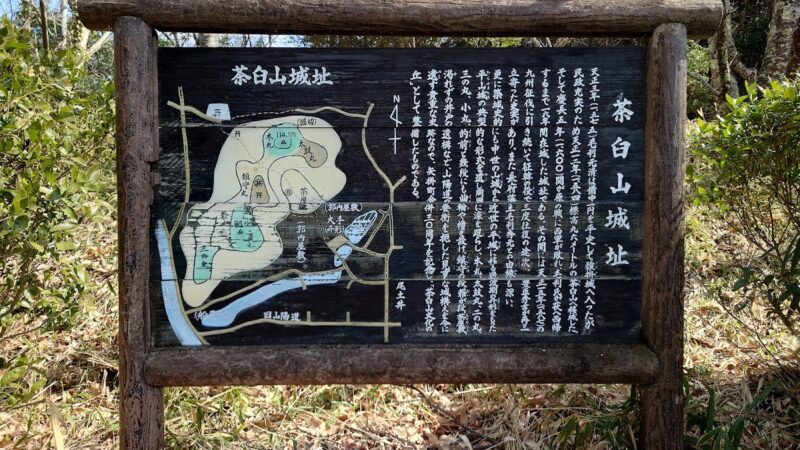
On the other hand, efforts are underway to utilize it as a regional historical asset. Local history enthusiasts regularly conduct guided tours, cleaning activities, and install information boards, continuing their efforts to pass on the value of Yahazu Castle to future generations.
Things to Know Before Visiting Yahazu Castle
Understanding the Historical Background
To understand Yahazu Castle more deeply, it’s helpful to have some basic knowledge of the situation in the Chugoku region during the Sengoku period, especially the conflict between the Amago and Mori clans. Understanding how the Kusakari clan entered Mimasaka Province as subordinates of the Amago clan, and the relationship between the rise and fall of the Amago clan and Yahazu Castle, will make the castle’s historical significance clearer.
Basics of Visiting Mountain Castles
Yahazu Castle is a full-fledged mountain castle, requiring different preparations than typical tourist destinations. It is recommended to learn basic mountaineering knowledge and skills, map reading, and emergency procedures beforehand. Also, understanding the basic meanings of castle terminology (such as baileys, earthworks, and moats) will make observing the remains more enjoyable.
Photography Tips
When photographing Yahazu Castle, it’s important to convey the scale of the remains. When photographing moats and earthworks, including people in the shot is effective in creating a sense of scale. Also, using a wide-angle lens to capture the magnificent view from the main enclosure is a great way to photograph the scenery. The combination of the changing seasons and the ruins also makes for a captivating subject.
Summary: Experience the Charm of Yahazu Castle
Yahazu Castle in Tsuyama City, Okayama Prefecture, is one of the largest medieval mountain castles in the prefecture, built on Mount Yahazu at an altitude of 756m. Its magnificent scale (1,600m east-west, 500m north-south), its history of being impregnable for approximately 50 years without ever falling, and the well-preserved remains of stone walls, earthworks, and moats are major attractions of this castle.
Built by Kusakari Koretsugu between 1532 and 1533, this castle left a significant mark on the history of Mimasaka Province as an important base under the Amago clan. The castle’s structure, divided into two parts (West Castle and East Castle), multiple defensive lines created by several trenches, and a well at the summit, showcases the pinnacle of Sengoku period castle construction technology, making it an unmissable sight for castle enthusiasts.
Climbing the castle requires proper mountaineering equipment and 3-4 hours of time, but the rewards are well worth the effort. From the main enclosure, you can enjoy panoramic views of the mountains of Mimasaka Province, admire the grandeur of the ruins along the ridge, and feel the historical romance of the Sengoku period firsthand.
Protected as a designated historical site of Okayama Prefecture, Yahazu Castle is a valuable historical asset of the region. With appropriate equipment and preparation, and prioritizing safety, be sure to experience the charm of this magnificent mountain castle. A stroll around Yahazu Castle will be more than just a historical site visit; it will be a valuable experience where you can enjoy both the history of the Sengoku period and nature simultaneously.