Ugasaki Castle (Iwanuma City, Miyagi Prefecture) Complete Guide: A Thorough Explanation of History, Remains, and Access
What is Ugasaki Castle?
Ugasaki Castle (Ugasaki-jo) was a flatland castle located in Iwanuma City, Miyagi Prefecture. It was also known as Takekuma-yakata, Iwanuma Castle, and Iwanuma Fortress. Located in the northern part of the lower Abukuma River basin, along the Pacific coast, this castle served as an important base in Mutsu Province from the mid-Heian period to the Edo period.
Currently, the castle site is maintained as Ugasaki Park, boasting excellent accessibility, being approximately a 5-minute walk from JR Iwanuma Station. Although little remains of its former glory, traces of the castle can still be seen, such as the slightly elevated terrain and some earthworks.
Basic Information about the Castle
- Location: 1-chome, Sakaemachi, Iwanuma City, Miyagi Prefecture
- Former Province: Mutsu Province
- Castle Type: Hilltop Castle
- Construction Period: Mid-Heian Period (Tradition)
- Main Lords: Minamoto no Shigeyuki, Izumida Shigemitsu, Furuchi clan, etc.
- Remains: Remains of baileys, part of earthworks
- Designated Cultural Property: None
History of Ugasaki Castle
Heian Period: Legend of Construction by Minamoto no Shigeyuki
According to tradition, Ugasaki Castle’s origins are attributed to the mid-Heian period poet Minamoto no Shigeyuki, who first built a castle in this area. It is said that Minamoto no Shigeyuki later moved to Mutsu Province and established his base in this Takekuma area.
Takekuma has long been known as a place of poetic significance, and the “Takekuma Pine” has been celebrated by many poets. Minamoto no Shigeyuki is also said to have left many waka poems in this area, suggesting it also possessed characteristics of a cultural center.
However, no formal records of the castle from this period remain, and archaeological evidence is limited. While several warlords are believed to have used this area from the Heian to the Kamakura period, many details remain unclear.
Sengoku Period: Full-scale Castle Development by Date Clan Retainers
Ugasaki Castle clearly appears in historical records from the Eiroku era (1558-1570) onwards. During this period, Izumida Akinokami Shigemitsu, a retainer of the Date clan, entered the castle as its lord with a stipend of 8,000 koku, and it was developed into a full-fledged castle.
Izumida Shigemitsu, as a senior retainer of the Date clan, was entrusted with the governance of this area. According to the Iwanuma Furuchi family succession records, the size of the castle at that time was as follows:
- North-South: 150 ken (approximately 273 meters)
- East-West: 66 ken (approximately 120 meters)
- Total Area: 9,900 tsubo (approximately 32,727 square meters)
This size indicates that Ugasaki Castle was not merely a residence, but a fortress with considerable defensive capabilities.
Frequent Changes in Castle Lords
After Izumida Shigemitsu, the lords of Ugasaki Castle changed frequently. The main castle lords, listed chronologically, are as follows:
- Izumida Aki-no-kami Shigemitsu (Eiroku era)
- Ishida Muneaki (Ishida clan)
- Oki clan
- Endo Hyobu (Endo clan)
- Yashiro Kageyori (Yashiro clan)
- Saito clan
- Akutsu clan
- Okuyama clan
- Furuchi Shuzen Shigehiro (Furuchi clan)
This frequent change of castle lords is thought to have been part of the Date clan’s personnel policy in managing their territory. In particular, during the time of Date Masamune, it was necessary to place trustworthy vassals in strategically important locations, and Ugasaki Castle was one such target.
Date Masamune and Ugasaki Castle
At the end of the Sengoku period, with the rise of Date Masamune, Ugasaki Castle increased in importance as a key point in the southern defense of the Date territory. The fact that Furuuchi Shuzen Shigehiro, the son of Masamune’s uncle Kokubun Morishige and Masamune’s cousin, became the castle lord speaks to its strategic importance.
Its location near the mouth of the Abukuma River made it a crucial point for water transport and important for controlling the transportation routes along the Pacific coast. It is also thought to have functioned as a defensive base against invasions from the south.
Edo Period: As the Iwanuma Fortress of the Sendai Domain
In the Edo period, the Tokugawa shogunate issued the One Castle Per Province decree. This decree required each domain to, in principle, abolish castles other than its main residence. However, the Sendai Domain adopted its own unique system of fortress system, allowing it to maintain important strongholds as “fortresses.”
Ugasaki Castle was designated as one of the 21 fortified strongholds within the Sendai Domain, known as the Iwanuma Fortress. While this reduced its function as a castle, it continued to serve as a military and administrative center.
The Short Establishment of the Iwanuma Domain
During the mid-Edo period, the Iwanuma Domain was established in this area for approximately 20 years, from 1660 (Manji 3) to 1681 (Enpo 9)**.
Tamura Muneyoshi, the third son of the second lord, Date Tadamune, established the Iwanuma Domain by reviving the Tamura family, the family of his grandmother, Megohime. During this period, the castle was called “Iwanuma Castle” or “Iwanumaya”.
Megohime was the principal wife of Date Masamune, and the Tamura family was a prestigious family during the Sengoku period. The fact that Muneyoshi, who inherited that lineage, established his base in Iwanuma demonstrates the high status of the area.
However, the Iwanuma Domain was short-lived, and after 1681, it reverted to being a fortified stronghold directly controlled by the Sendai Domain.
Meiji Era: Disappearance of the Castle Due to Railway Construction
With the arrival of the Meiji era, the wave of modernization swept over Ugasaki Castle. A particularly significant turning point was the construction of the Tohoku Main Line.
Hiroyuki Furuchi, the 13th head of the Furuchi family, believed that trains would contribute to the town’s development and decided to establish a station in the town center. Therefore, he leveled Shiroyama Hill to provide land for the railway.
As a result of this decision, when the Tohoku Main Line opened between Ueno, Sendai, and Shiogama in 1887 (Meiji 20), Iwanuma Station, along with Shiroishi, Ogawara, Sendai, and Shiogama stations, became one of the first stations in Miyagi Prefecture.
Subsequently, the construction of the Joban Line and the double-tracking project further reduced the size of Shiroyama Hill, and today only a small remnant of the castle can be seen south of the rotary at the west exit of Iwanuma Station.
Layout and Structure of Ugasaki Castle
Location and Topography of the Castle
Ugasaki Castle is a flatland castle built on a hilly area located on the north bank of the lower reaches of the Abukuma River. It utilized the terrain, which was higher than the surrounding plains, and its layout took advantage of natural defensive features.
The east side of the castle was close to the Pacific Ocean, and the west side faced the riverbed of the Abukuma River. This location allowed for the transportation of goods using water transport and the use of the river as a natural moat.
Arrangement of Enclosures
Based on the scale described in the Iwanuma Furuchi Family Succession Record, it is believed that Ugasaki Castle had a structure with multiple enclosures arranged around the main enclosure.
The castle’s long, north-south layout followed the hilly terrain, suggesting a highly likely multi-bailey structure utilizing the ridgeline. The east-west direction was relatively narrow, making it well-suited for defense.
Defensive Structures
While surviving remains are limited, archaeological excavations and topographical observations suggest the following defensive structures existed:
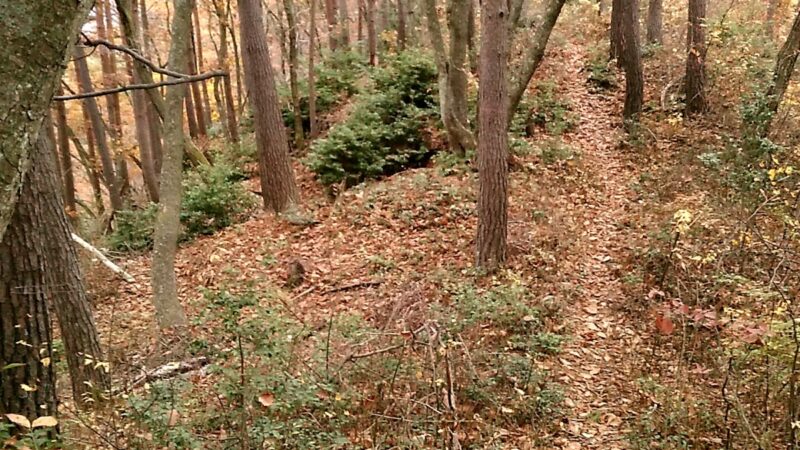
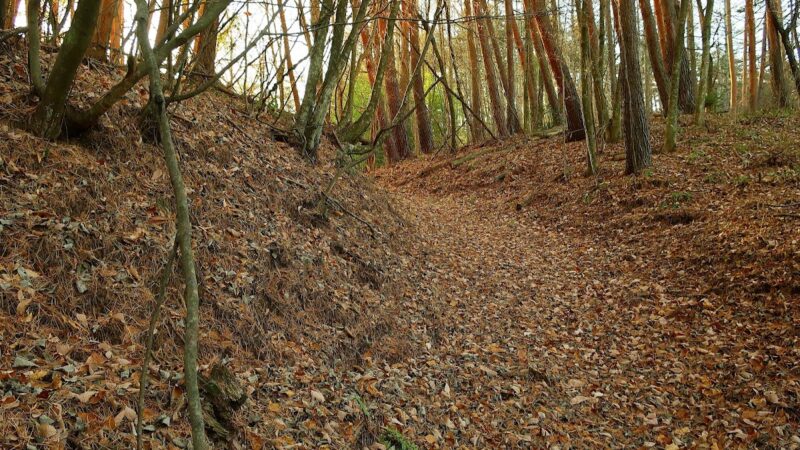
- Earthworks: Earthwork-like elevations can still be seen near the highest point of Ugasaki Park.
- Moats: It is believed that a moat surrounded the castle, but it is now buried.
- Gate Entrances: It is presumed that defensive measures were implemented at the entrances.
Formation of the Castle Town
During the Edo period, when Iwanuma was a fortress, a castle town formed around the castle. Samurai residences and merchant districts were developed, and Iwanuma flourished as the economic and cultural center of the region.
The foundation of the current Iwanuma city area originates from the town layout of this castle town, and some historical street patterns remain. ## Archaeological Survey of Ugasaki Castle
Overview of Excavation Surveys
Several archaeological excavations have been conducted at the Ugasaki Castle site. The main surveys are as follows:
- 4th Survey: Survey conducted in conjunction with residential land development (Iwanuma City Board of Education)
- 9th Survey: Academic survey by Tohoku Fukushi University
These surveys have yielded valuable information regarding the castle’s structure and period of use.
Excavated Artifacts
The following artifacts have been unearthed during the excavations:
- Ceramics: Everyday items from the Sengoku period to the Edo period
- Roof Tiles: Roof tiles used on buildings
- Iron Products: Fragments of weapons and tools
- Stone Structures: Parts of stone walls and foundation stones
These artifacts provide insights into the castle’s period of use and the lifestyle of its inhabitants.
Survey Report
The survey results have been published as the Iwanuma City Cultural Property Survey Report and the Tohoku Fukushi University report, and are used as specialized research materials. These reports can be viewed in the National Archaeological Site Report Directory, etc.
Current Ugasaki Castle Site: Ugasaki Park
Park Development
Currently, the Ugasaki Castle site has been developed as Ugasaki Park, serving as a place of relaxation for citizens. The park contains the following facilities and points of interest:
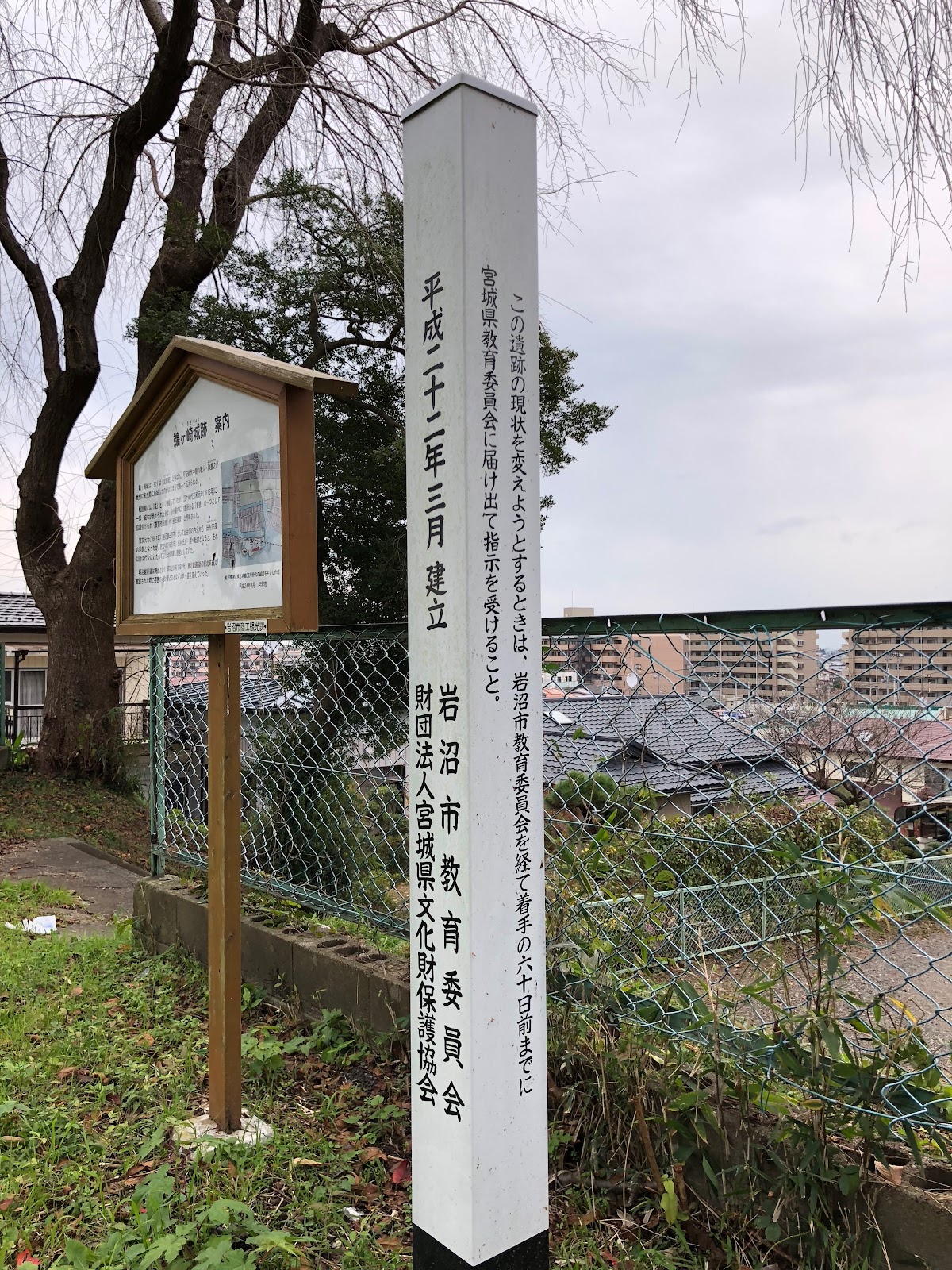
- Castle Site Marker: A marker indicating “Ugasaki Castle Site” stands near the main enclosure.
- Earthwork Remains: An earthwork-like elevation remains near the highest point of the park.
- Observation Space: There is a place where you can overlook the surrounding area and imagine the view in its heyday.
- Walking Path: You can stroll through the park via well-maintained walking paths.
Current Status of the Remains
Due to railway construction and urban development since the Meiji era, most of the castle has been lost. However, upon careful observation, the following traces can be found:
- Topographical Undulations: The terrain is slightly higher than the surrounding area, indicating the extent of the castle’s former boundaries.
- Remnants of Earthworks: Earthwork-like elevations can be seen in part of the park.
- Traces of Stonework: There are areas where stonework is partially exposed.
Surrounding Historical Landscape
The area surrounding Ugasaki Castle Ruins has the following historical points of interest:
- Takekoma Shrine: An ancient shrine considered one of Japan’s three major Inari shrines, revered as the guardian shrine of Iwanuma.
- Takekuma Pine: A famous spot known as a poetic place name, said to have been mentioned in a poem by Minamoto no Shigeyuki.
- Around Iwanuma Station: The area in front of the station, built by leveling the castle hill, bears the marks of modernization.
Access to Ugasaki Castle
Access by Public Transportation
Ugasaki Castle Ruins (Ugasaki Park) is easily accessible by public transportation.
If using the JR Tohoku Main Line:
- Get off at JR Iwanuma Station, approximately 5 minutes on foot from the West Exit
- Approximately 20 minutes by rapid train from Sendai Station to Iwanuma Station
- Approximately 1 hour from Fukushima Station to Iwanuma Station
If using the JR Joban Line:
- Get off at JR Iwanuma Station, approximately 5 minutes on foot from the West Exit
- Transfers to the Sendai Airport Access Line are also possible
Access by Car
If using the expressway:
- Approximately 5 minutes from the Sendai Eastern Expressway “Iwanuma IC”
- Approximately 30 minutes from the Tohoku Expressway “Murata IC” via National Route 4
If using general roads:
- From National Route 4 towards Iwanuma city center
- Accessible from Prefectural Road 10 (Shiogama-Watari Line)
Parking:
There is no dedicated parking lot for Ugasaki Park, but there are paid parking lots around Iwanuma Station.
Address and Map Information
- Address: 1-chome, Sakaemachi, Iwanuma City, Miyagi Prefecture 989-2432
- Nearest Station: JR Iwanuma Station (Tohoku Main Line/Joban Line)
Ugasaki Castle and Surrounding Castles
Castle Network in Southern Miyagi Prefecture
Ugasaki Castle played a part in the castle network of southern Miyagi Prefecture. Understanding its relationship with the major surrounding castles will allow you to gain a deeper understanding of the history of this region.
Major Castles in the Surrounding Area:
- Shiraishi Castle: The southern stronghold of the Sendai Domain, the residence of the Katakura clan
- Watari Castle: The residence of the Watari Date clan, a strategic point on the Pacific coast
- Kakuda Castle: The residence of the Ishikawa clan, a base in the middle reaches of the Abukuma River
- Shimotsuke-go Manor Site: Another medieval castle site within Iwanuma City
Positioning within the Sendai Domain’s Fortification System
The Sendai Domain established 21 fortifications under the One Castle Per Province Decree. Iwanuma Fortress held a crucial position within the region and played the following roles:
- Southern Defense: A defensive base protecting the south of Sendai Castle
- Transportation Hub: Management of the intersection of the Oshu Kaido and Hama Kaido roads
- Economic Hub: A center for the collection and distribution of goods utilizing the Abukuma River’s water transport
- Administrative Functions: A governing center for the surrounding area
Points to Note When Visiting Ugasaki Castle
Best Season for Visiting
Ugasaki Park is open year-round, but the following seasons are especially recommended:
- Spring (Late March to April): Cherry blossom season, when the park’s cherry trees are in full bloom
- Autumn (October to November): Beautiful autumn foliage, and ideal weather for strolling
- Winter (December to February): Fewer tourists, allowing for thorough observation of the ruins
Time Required
Please allow the following time for visiting Ugasaki Park:
- Short Visit: Approximately 30 minutes
- In-depth Observation: Approximately 1 hour
- Including Nearby Historical Sites: 2-3 hours
Visiting Nearby Tourist Spots
When visiting Ugasaki Castle Ruins, we recommend visiting the following nearby spots as well:
Takekoma Shrine (Approx. 15-minute walk)
- An ancient shrine considered one of Japan’s three major Inari shrines
- Many worshippers visit during the New Year’s pilgrimage
- There is also a horse museum on the grounds
Takekuma Pine (Approx. 10-minute walk)
- A famous spot known as a poetic place name
- Matsuo Basho also visited it in “The Narrow Road to the Deep North”
Iwanuma City Library (Approx. 10-minute walk)
- You can learn about the history of Iwanuma in the local history corner
- Materials related to Ugasaki Castle are also available for viewing
Photography Tips
Recommended points when photographing Ugasaki Castle Ruins:
- Castle Site Marker: A classic spot for commemorative photos
- Earthwork Remains: A valuable opportunity to take photos showing the remains
- View from the Park: Allows you to understand the relationship between the surrounding townscape and the castle ruins
- Towards Iwanuma Station: Shows the relationship with the station, which was built by leveling the castle hill
Summary: Historical Significance of Ugasaki Castle
Ugasaki Castle functioned as an important base in southern Mutsu Province for approximately 800 years, from the Heian period to the Edo period. Beginning with the legend of the poet Minamoto no Shigeyuki, it was defended by retainers of the Date clan during the Sengoku period and maintained as a stronghold of the Sendai Domain during the Edo period.
Although most of the castle was lost due to modernization in the Meiji era, this was a wise decision by the Furuchi family to provide the castle for the development of the region. This decision made Iwanuma one of the first towns in Miyagi Prefecture to have a railway station, marking the beginning of its path to becoming a modern city.
The castle ruins, now developed as Ugasaki Park, retain only a few remnants, but they still convey the long history etched into this land. Taking advantage of its excellent accessibility—just a 5-minute walk from Iwanuma Station—it has become a place where many people visit to reflect on history.
The history of Ugasaki Castle is a prime example of the transformation of regional strongholds in the history of Japanese castles, and a valuable case study showing how historical heritage was transformed during the process of modernization. When visiting Iwanuma, be sure to visit this historical site and take a stroll while imagining its former glory.