Funaoka Castle (Miyagi Prefecture) Complete Guide: The Charm of its History as the Stage of the Date Rebellion and its Cherry Blossom Spot
What is Funaoka Castle?: An Overview of the Mountain Castle Remaining in Shibata Town, Miyagi Prefecture
Funaoka Castle (Funaoka-jo) was a Japanese mountain castle that once existed in Funaoka, Shibata-cho, Shibata-gun, Miyagi Prefecture. It was also known as “Shihotate,” “Shibata Castle,” “Shibata Castle,” and “Funaoka Fortress,” and is designated as a historical site by Shibata Town as “Shihotate Ruins (Funaoka Castle Site).” A second-order triangulation point, “Funaoka,” is located at the site of the main keep, at an elevation of 135.86 meters.
Currently, it is maintained as Funaoka Castle Ruins Park and is known as one of Tohoku’s leading cherry blossom viewing spots, with approximately 1,000 to 1,300 cherry trees planted there. Along with the “One Thousand Cherry Trees at a Glance” along the adjacent Shiraishi River embankment, this is the only place in Miyagi Prefecture selected as one of “Japan’s Top 100 Cherry Blossom Viewing Spots,” attracting many tourists in the spring.
At the summit stands the 24-meter-tall Funaoka Peace Kannon statue, a beloved symbol of Shibata Town. While few remains of the castle itself exist, it is gaining attention as a tourist spot where historical value and natural beauty are harmoniously combined.
History of Funaoka Castle: From the Kamakura Period to the Meiji Restoration
Construction and Early History in the Kamakura Period
The history of Funaoka Castle is ancient, dating back to the early Kamakura period. The “Azuma Kagami” records that in 1200 (Shoji 2), Shibata Jiro was attacked by Miyagi Shiro Ienari, a retainer of Minamoto no Yoriie. From this record, it is believed that the castle existed at least by the end of the 12th century.
Initially known as “Shihokan,” it functioned as the residence of a powerful local clan that ruled the region. Throughout the Kamakura period, it developed as an important base in Shibata District, Mutsu Province.
Sengoku Period: The Shiho Clan and Subordination to the Date Family
During the Tenbun era of the Sengoku period (1532-1554), the castle was rebuilt and improved by Shiho Sadatomo, who was a vassal of the Date family. The Shiho clan were important retainers of the Date family and were entrusted with governing this region.
After Shiho Sadatomo, Shibata Sadatomo and Yashiro Kageyori successively served as lords of the castle, playing an important role in the Date family’s system of rule. In the 16th century, the Shiho clan began to use it as their main residence, strengthening its function as a mountain castle.
The Harada Clan Era and the Date Disturbance (Kanbun Incident)
The most famous period in the history of Funaoka Castle is the era of the Harada clan. Harada Munesuke, a retainer of Date Masamune, became the lord of the castle, and his eldest son was Harada Kai (also known as Harada Munesuke), who later became a central figure in the Kanbun Incident, also known as the “Date Disturbance.”
The Kanbun Incident (Date Disturbance), which occurred in 1671, was a major incident involving a succession dispute within the Date family of the Sendai domain and conflicts among their retainers. This incident escalated to a sword fight within Edo Castle, where Harada Kai killed Date Aki Muneshige before being killed himself.
This incident later became the subject of the historical drama “Momi no Ki wa Nokotta” (The Fir Tree Remained), and Harada Kai’s loyalty and tragedy became widely known. After the incident, all of the Harada family’s buildings were destroyed by order of the shogunate, and the castle lost its function. Therefore, very few remains of the original structure exist today.
The Shibata Clan’s Re-entry into the Castle and the Meiji Restoration
After the Kanbun Incident, the Shibata clan (descended from the Shiho clan) once again resided in Funaoka. The Shibata clan maintained their residence there until the Meiji Restoration, continuing to govern the region. Throughout the Edo period, Funaoka enjoyed a peaceful era as the Shibata clan’s residence and developed into a regional center.
After the Meiji Restoration, the castle ruins were developed into a park, transforming into the current Funaoka Castle Ruins Park.
Structure and Layout of Funaoka Castle
Characteristics as a Mountain Castle
Funaoka Castle is a typical mountain castle built on Shihoyama (Tateyama), which is 135.86 meters above sea level. Its structure emphasized defensive capabilities as a mountain castle, utilizing the steep slopes as a natural stronghold.
The castle had a tiered structure, with the main keep located at the summit, the second keep and main gate on the mountainside, and the remains of the third keep in a plaza at the foot of the mountain. This layout was designed to prevent enemy incursions in stages.
Layout of the Main Bailey, Second Bailey, and Third Bailey
The Main Bailey was located on the mountaintop and functioned as the lord’s residence and command post. Currently, a second-order triangulation point is located here, and the Funaoka Peace Kannon statue stands on the site. From the Main Bailey, one could see the surrounding area, making it a strategically important location.
The Second Bailey was located on the mountainside and, along with the main gate, formed the castle’s main defensive line. It is believed that the residences of retainers and barracks were located here.
The Third Bailey was located in a plaza at the foot of the mountain and functioned as a point of contact with the castle town. The current park area corresponds to the site of the Third Bailey.
Existing Remains and Traces
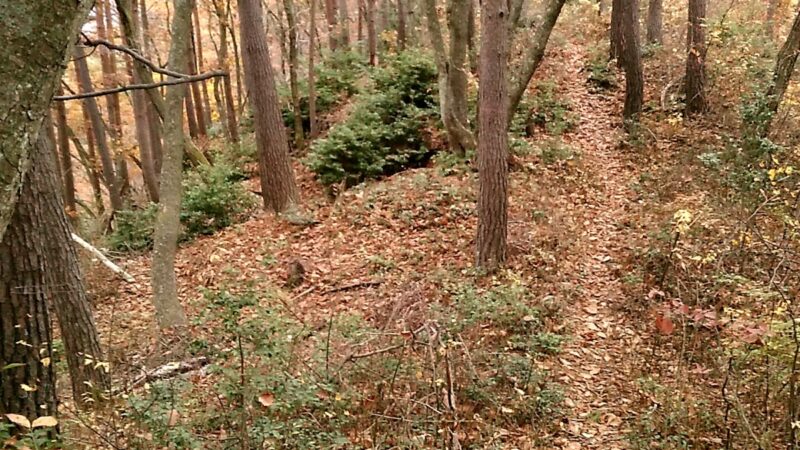
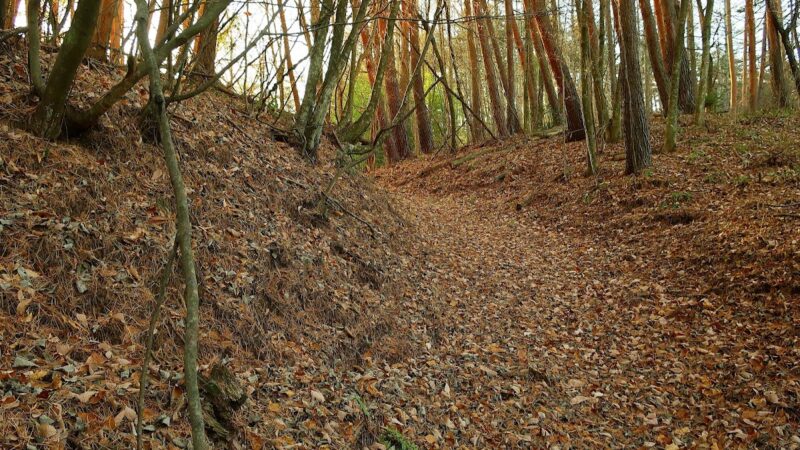
Unfortunately, since all buildings were destroyed after the Kanbun Incident, very few clear castle remains remain. However, by observing the topography, traces of baileys and cliffs can be identified.
Walking along the mountain paths, one can sense the remnants of the former defensive structures, making it a place that stimulates the imagination of castle enthusiasts. Furthermore, artifacts unearthed during archaeological excavations are preserved as historical materials by Shibata Town.
Funaoka Castle Ruins Park: One of Tohoku’s Leading Cherry Blossom Spots
The Charm of Japan’s Top 100 Cherry Blossom Spots
Funaoka Castle Ruins Park, along with the adjacent “Ichimoku Senbonzakura” (One Thousand Cherry Trees at a Glance) along the Shiraishi River embankment, is the only location in Miyagi Prefecture selected as one of Japan’s Top 100 Cherry Blossom Spots. In 2023, Ichimoku Senbonzakura celebrated its 100th anniversary, and commemorative events were held.
The park is home to approximately 1,000 to 1,300 cherry trees, with various varieties, primarily Somei Yoshino, announcing the arrival of spring. The sight of the entire mountain covered in cherry blossoms is breathtaking, making it one of the most renowned cherry blossom spots in the Tohoku region.
Best Time to See Cherry Blossoms and the Shibata Cherry Blossom Festival
The best time to see the cherry blossoms is usually from early to mid-April. During this time, the Shibata Cherry Blossom Festival is held, attracting many tourists. The trees are also illuminated at night, allowing visitors to enjoy the magical sight of cherry blossoms after dark.
The view from the mountaintop is particularly magnificent. The breathtaking scenery of the thousand cherry trees along the Shiraishi River and the cherry blossoms at Funaoka Castle Ruins Park captivates visitors. On clear days, the Zao mountain range can be seen as a backdrop to the cherry blossoms, making it an excellent photo spot.
The Beauty of Nature Through the Seasons
The charm of Funaoka Castle Ruins Park isn’t limited to cherry blossoms. In early summer, the fresh greenery is beautiful, and from June to July, hydrangeas adorn the park. Especially during hydrangea season, the kaleidoscope of colorful flowers delights visitors.
In autumn, the mountains are painted in vibrant colors, and in winter, the snow-covered landscape displays a serene beauty. This park, where you can enjoy the changing seasons throughout the year, is beloved by locals.
Funaoka Peace Kannon Statue: A Symbol of Shibata Town
The Construction and Significance of the Kannon Statue
On the summit of Funaoka Castle Ruins Park stands the 24-meter-tall Funaoka Peace Kannon Statue, erected in 1975 (Showa 50). This statue was built to commemorate those who died in World War II and to pray for world peace.
The white Kannon statue is conspicuous even from afar and is widely recognized as a symbol of Shibata Town. From the base of the statue, you can see the town of Shibata, the Shiraishi River, and even the Zao mountain range in the distance, making it a spectacular viewpoint.
View from the Kannon Statue
The view from the mountaintop where the Kannon statue stands is a 360-degree panoramic view, and especially during cherry blossom season, you can look down on a sea of cherry blossoms stretching out below. On a clear day, the view is magnificent, offering panoramic views of the rural landscape of southern Miyagi Prefecture and distant mountains.
At dusk, the Kannon statue, illuminated by the setting sun, shines divinely, creating a photogenic scene. Many photography enthusiasts visit to capture this moment.
Slope Car: Comfortable Access to the Mountaintop
Overview of the Slope Car
One of the features of Funaoka Castle Ruins Park is the slope car that connects the parking lot at the foot of the mountain to near the summit. This slope car, which ascends a 305-meter slope in about 4 minutes, is popular as a convenient facility that allows you to reach near the summit without having to climb a steep slope.
The slope car operates especially during cherry blossom season, and the experience of ascending the mountain while viewing the cherry blossoms up close from the windows captivates visitors. This makes barrier-free sightseeing accessible to the elderly and families with young children.
How to Use and Fares
The slope car usually operates mainly during the cherry blossom festival. You can use it by purchasing a one-way or round-trip ticket, and the fares are relatively reasonable. For details on operating hours and fares, we recommend checking the Shibata Town tourist information before your visit.
The view from the slope car is exceptional, giving you the feeling of traveling through a tunnel of cherry blossoms. It’s also ideal for photography, and many tourists can be seen with cameras and smartphones.
“The Fir Tree Remained” and the Stage of the Date Disturbance
Taiga Drama and Harada Kai
Funaoka Castle gained national attention thanks to Shugoro Yamamoto’s novel “The Fir Tree Remained” and the Taiga drama based on it. This work is based on the Kanbun Incident (Date Disturbance) and features Harada Kai as the protagonist.
Traditionally, Harada Kai has often been portrayed as a traitor, but Shugoro Yamamoto reimagined him as a loyal retainer who fought a lonely battle to protect the Sendai domain. This interpretation garnered significant attention and increased interest in Harada Kai and Funaoka Castle.
The Truth Behind the Date Disturbance (Kanbun Incident)
The Date Disturbance, which occurred in 1671 (Kanbun 11), stemmed from a conflict over the succession of the Sendai domain and domain reforms. After Lord Date Tsunamune was forced into retirement at a young age, the young Kamechiyo (later Tsunamura) became lord, and the retainers split over who would over his guardianship.
On one side was the conservative faction centered around Date Aki Muneshige, and on the other side were forces advocating for reform. Harada Kai acted amidst this complex political situation. Ultimately, the conflict escalated into a sword fight within Edo Castle, where Harada Kai killed Date Aki before being killed himself.
There are various theories regarding the truth of this incident, and whether Harada Kai was truly a traitor or whether his actions were an attempt to save the domain remains a subject of ongoing debate among historians.
The Legend of the Fir Tree
The title, “The Fir Tree Remained,” originates from a large fir tree that stood on the Harada family’s estate. Legend says that even after the Harada family’s downfall, this fir tree alone remained. This fir tree is passed down as a symbol of Harada Kai’s loyalty and tragedy.
Currently, a monument and explanatory plaque about the fir tree are erected in Funaoka Castle Ruins Park, conveying this historical episode to visitors.
Access: How to get to Funaoka Castle Ruins Park
Access by Public Transportation
By Train
- Approximately 15-20 minutes on foot from JR Tohoku Main Line “Funaoka Station”
- The park entrance is a bit of a distance from the station, but you can reach it by following the signs.
- During cherry blossom season, the path from the station to the park is lined with cherry trees, allowing you to enjoy a pleasant stroll.
Access from Sendai Station
- Approximately 40 minutes on the JR Tohoku Main Line, get off at Funaoka Station.
- Rapid trains also stop here, making access relatively convenient.
Access by Car
By Expressway
- Approximately 15 minutes from Tohoku Expressway “Murata IC”
- Approximately 20 minutes from Tohoku Expressway “Shiroishi IC”
From Sendai City
- Approximately 40 minutes via National Route 4
Parking Information
Funaoka Castle Ruins Park has its own parking lot. It is usually free, but may be charged during the cherry blossom festival. The area becomes extremely crowded during cherry blossom season, so we recommend visiting early in the morning or using public transportation. While temporary parking lots may be set up nearby, they often fill up, so it’s essential to plan your visit with plenty of time to spare. ### Access to Nearby Tourist Attractions
- Shiraishi River Embankment: A Thousand Cherry Trees at a Glance: Within walking distance (approx. 10-15 minutes)
- Taiyo no Mura (Sun Village): Approx. 10 minutes by car
- Shiraishi Castle: Approx. 15 minutes by car
Visitor Guide: How to Enjoy Funaoka Castle Ruins Park
Recommended Sightseeing Route
- Parking and Entrance Area: Get an overview of the park using the information boards
- San-no-maru Ruins (Plaza): Experience the atmosphere of the former castle
- Slope Car Station: Recommended during cherry blossom season
- Nin-no-maru Ruins and Otemon Gate Ruins: Visit historical sites on the mountainside
- Honmaru Ruins and Funaoka Peace Kannon Statue: Enjoy the spectacular view from the mountaintop
- Walking Trail: Walk along the trail that circles the mountain
The estimated time required is 1-2 hours. Allow 2-3 hours for a leisurely stroll.
Photo Spots
- View from the Summit: A panoramic view of the Shiraishi River and the Hitome Senbonzakura (One Thousand Cherry Trees at a Glance)
- Collaboration of the Kannon Statue and Cherry Blossoms: A spectacular view only available in spring
- View from the Slope Car: A tunnel of cherry blossoms
- Nighttime Cherry Blossom Illumination: A magical atmosphere
Seasonal Highlights
Spring (April): Peak cherry blossom season, Shibata Cherry Blossom Festival held
Early Summer (May-June): Fresh greenery and hydrangeas
Summer (July-August): Lush forest bathing
Autumn (October-November): The beauty of autumn leaves
Winter (December-February): Snowscape and tranquility
Notes and Manners
- The mountain path has some steep sections, so comfortable shoes are recommended.
- It gets very crowded during cherry blossom season, so early morning visits are recommended.
- Please take all your trash with you.
- Please respect the historical site and be careful not to damage the remains.
- Please visit the area around the Kannon statue with respect, as it is a sacred place.
Nearby Tourist Attractions
Shiraishi River Embankment: A Thousand Cherry Trees at a Glance
A famous cherry blossom viewing spot, alongside Funaoka Castle Ruins Park, approximately 1,200 cherry trees are planted along the Shiraishi River embankment for about 8 kilometers. Planting began in 1923 (Taisho 12), and the 100th anniversary was celebrated in 2023. Visiting both Shiraishi River Embankment and Funaoka Castle Ruins Park will enhance your cherry blossom viewing experience.
Shiraishi Castle
Shiraishi Castle, known as the residence of Katakura Kojuro, is about a 15-minute drive from Funaoka Castle. The castle tower, reconstructed in wood in 1995 (Heisei 7), is noteworthy as a valuable wooden reconstructed castle tower in the Tohoku region. Visiting both Shiraishi Castle and Funaoka Castle is recommended as part of a castle tour of the Sennan region.
Taiyo no Mura (Sun Village)
A leisure facility located in Shibata Town, featuring a campsite, athletic facilities, and an animal interaction area. Ideal for family visits, this park offers a full day of enjoyment when combined with a visit to Funaoka Castle Ruins Park.
Zao Mountain Range
The Zao Mountain Range, visible to the west from Funaoka Castle Ruins Park, is a popular tourist destination offering various activities such as hiking, skiing, and hot springs. It’s approximately a one-hour drive from Funaoka.
Cultural Value of Funaoka Castle
Significance as a Shibata Town Designated Historic Site
Funaoka Castle Ruins (Shihokan Ruins) are protected as a designated historic site of Shibata Town. Although no buildings remain, the topography and layout provide valuable insights into the mountain castle from the Sengoku period to the early Edo period.
As a Place for Historical Education
Funaoka Castle Ruins Park is also used as a place for local historical education. Local elementary and junior high school students visit the park as part of their local history studies, learning about the Date Rebellion and local history.
Explanatory boards and information signs are installed throughout the park to help visitors understand the history.
Utilization as a Tourism Resource
While its aspect as a famous cherry blossom viewing spot is often emphasized, its value as a comprehensive tourism resource, including its historical background, is being re-evaluated. Shibata Town is promoting initiatives to showcase the castle ruins’ appeal, such as training historical guides and conducting guided tours.
Materials and Research on Funaoka Castle
Major Historical Materials
Records of Funaoka Castle can be found in various sources, including descriptions in the *Azuma Kagami*, Edo period domain administration documents, and historical materials related to the Kanbun Incident. In particular, much research has been conducted on the Date Incident, exploring the truth of the incident from various angles.
Archaeological Excavations and Excavated Artifacts
Past archaeological excavations have yielded artifacts such as ceramics and roof tiles. These artifacts are stored in Shibata Town, and some are occasionally exhibited.
Related Books
- Shugoro Yamamoto’s “The Fir Tree Remained”: A historical novel based on the Date Incident.
- Various Castle-Related Books: Funaoka Castle is featured in books introducing Japanese castles and mountain castles in Tohoku.
- Regional History Research Books: Detailed descriptions can be found in the Shibata Town History and Miyagi Prefecture history books.
Summary: To Fully Enjoy the Charms of Funaoka Castle
Funaoka Castle (Shibata Town, Miyagi Prefecture) has a long history dating back to the Kamakura period and is a historically important mountain castle, particularly as the setting for the Date Incident (Kanbun Incident). Known as the residence of Harada Kai, it gained nationwide attention through the historical drama “The Fir Tree Remained.”
Currently, it is maintained as Funaoka Castle Ruins Park and is one of Tohoku’s leading cherry blossom viewing spots, selected as one of “Japan’s Top 100 Cherry Blossom Viewing Spots.” The spring scenery, with over 1,000 cherry trees in full bloom, is breathtaking and well worth visiting, especially in conjunction with the “One Thousand Cherry Trees at a Glance” along the adjacent Shiraishi River embankment.
The view from the Funaoka Peace Kannon statue at the summit is magnificent, and you can comfortably access the top using the slope car. It’s worth visiting year-round, not just during cherry blossom season, as you can enjoy the natural beauty of each season.
It’s easily accessible, about a 20-minute walk from JR Funaoka Station and about a 15-minute drive from the Murata Interchange on the Tohoku Expressway. When you visit Miyagi Prefecture, be sure to visit Funaoka Castle Ruins Park, where history and nature blend seamlessly. Combining it with other nearby tourist spots such as Shiroishi Castle will make for a more fulfilling trip to the Sennan region.