Complete Guide to Odate Castle (Marumori Town, Miyagi Prefecture) | History, Highlights, and Access Information
What is Odate Castle?
Odate Castle is a mountain castle located in Kohara-se Higashi, Tateyama Yamada, Marumori Town, Igu District, Miyagi Prefecture. Also known as “Odate Castle,” it was built on a strategic location overlooking the Abukuma River. It is a historical castle that played an important role as a base of control for this region from the late Heian period to the Sengoku period.
Currently, Atago Shrine is enshrined there, and the castle ruins have been developed into Tateyama Park. Marumori Town, in southern Miyagi Prefecture, is located at the southernmost tip of the prefecture and is known as a town along the Abukuma River, close to the border with Fukushima Prefecture.
History of Odate Castle
Construction in the Late Heian Period
The history of Odate Castle dates back to the late Heian period. It is said that the castle was built by Igu Juro Nagahira, who ruled this area during the height of the Oshu Fujiwara clan’s power. The Igu clan, after whom Igu County is named, was a powerful local family that controlled the Abukuma River basin.
The Abukuma River was an important waterway running north-south through Mutsu Province (present-day Miyagi and Fukushima prefectures), and Otate Castle was built in a strategic location to control this vital transportation hub. Its adoption as a mountain castle provided a highly defensible base with a panoramic view of the surrounding area.
The Turmoil of the Sengoku Period
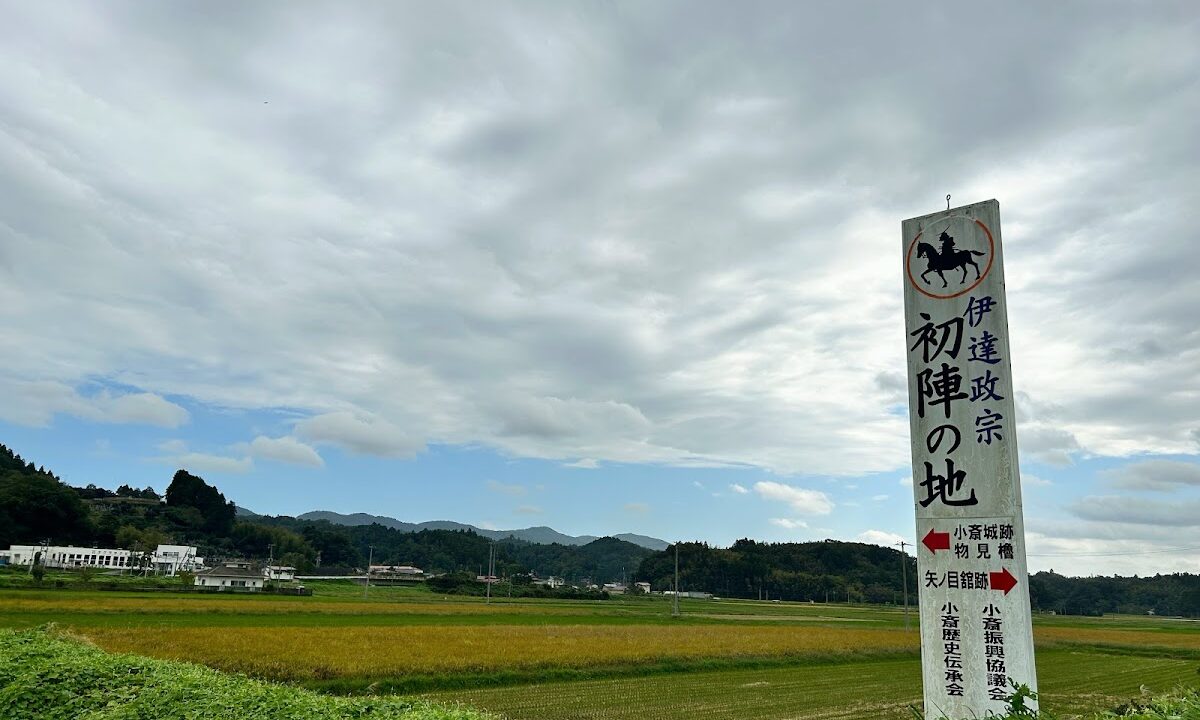
During the Sengoku period (Warring States period), Otate Castle became a battleground for the struggle for supremacy in the Tohoku region. One of the castle’s lords from this period is Hosome Shuri-no-suke. The Hosome clan were vassals of the Date clan and were entrusted with governing this region.
Of particular note is its connection to the Tenbun Rebellion (1542-1548). This civil war was a succession dispute between Date Tanemune and his son Harumune, and it became a large-scale conflict that engulfed the entire Tohoku region. Records indicate that a castle in Marumori Town was where the defeated Tanemune retired, and it is believed that Otate Castle was also affected by this turmoil.
Disputed Territory between the Date and Soma Clans
After the Tenbun Rebellion, the Marumori region, including Otate Castle, became a border area between the Date and Soma clans, and a struggle for control ensued between the two forces. There was a period when Tate Munemoto, a member of the Date family, served as the castle lord, and it functioned as a base for the Date clan’s southern defense.
The battles over the natural boundary of the Abukuma River were fierce, and Otate Castle, located on the front lines, was a place of constant military tension. The control of this region fluctuated over time, eventually stabilizing under the rule of the Date clan.
From the Early Modern Period Onward
With the arrival of the Edo period, Otate Castle ceased to function as a military base and was abandoned. In this peaceful era, Atago Shrine was built on the castle site, taking on a new role as a place of worship for the community. To this day, the site has been carefully preserved as the shrine grounds.
Castle Structure and Layout
Location and Topography
Otate Castle was built as a mountain castle, with a relative height (height from the base) of approximately 40 meters. Located on a hill overlooking the Abukuma River, its layout takes advantage of the topography, offering a wide view of the surrounding plains.
The mountain castle style was common in the Tohoku region from the late Heian period to the Sengoku period. It had the advantage of achieving high defensive capabilities with minimal effort by making maximum use of the natural terrain.
Current Status of the Remains
The main remains that can be confirmed today are as follows:
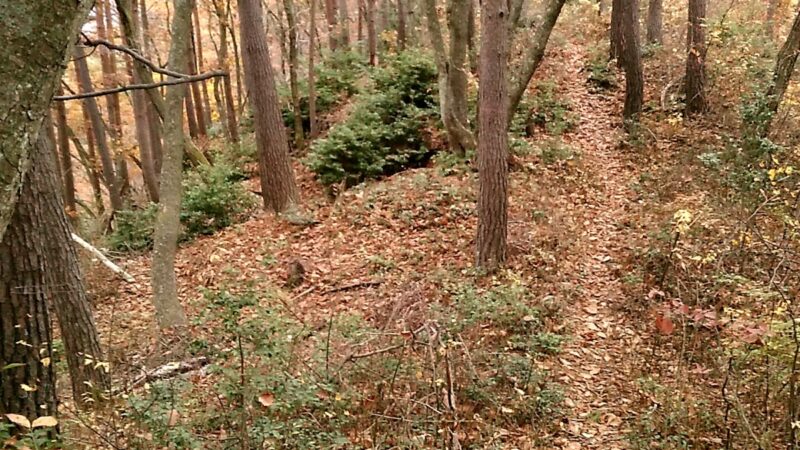
Kuruwa (Enclosures): Several enclosures remain in the central part of the castle. A kuruwa is a flat area within the castle, used for building structures and stationing soldiers. The area that is now the grounds of Atago Shrine is thought to be the main enclosure (honmaru).
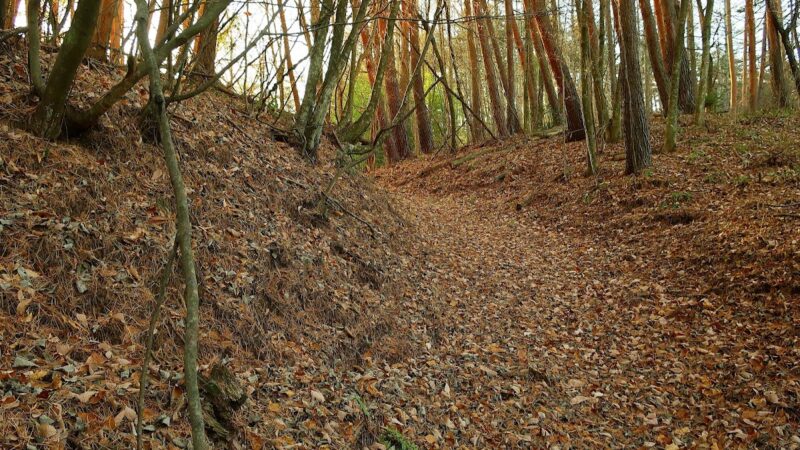
Kirigishi (Cut Slopes): Steep, artificially carved slopes can be seen around the enclosures; these are defensive structures called kirigishi. They served to make enemy intrusion difficult.
Shrine Approach: The current approach to Atago Shrine may be the former path leading to the castle. This is an important clue to understanding the structure of the mountain castle.
Traces of Earthworks and Moats: Although not clearly visible, the topography suggests the possibility of earthworks and moats. However, the landscape has changed significantly over many years due to the development of the shrine.
Highlights of Odate Castle
Atago Shrine
Atago Shrine, built on the castle ruins, is a central spot when visiting Odate Castle. The shrine grounds correspond to the castle’s main enclosure, allowing visitors to feel the historical atmosphere while offering prayers. The view from the shrine is also magnificent, offering a panoramic view of the Abukuma River and the town of Marumori.
As you pass through the torii gate and ascend the approach to the shrine, imagine the samurai warriors of the past who walked this path to the castle. You can feel the remnants of the castle in the stone steps and the structure of the approach.
Tateyama Park
The area around Atago Shrine has been developed as Tateyama Park, a place of relaxation for local residents. While strolling through the park, you can observe the layout of the castle’s enclosures and the elevation differences of the terrain.
Although temporary housing was once installed there during disasters, it has now regained its function as a park. It is also a popular spot for cherry blossom viewing during the cherry blossom season. ### View of the Abukuma River
From the castle ruins, you can look down on the majestic flow of the Abukuma River. This view allows you to truly appreciate that this river was an important transportation route from ancient times to the early modern period, and that Otate Castle was built for its monitoring and defense.
The Marumori Bridge spans the river, playing an important role as a modern transportation route. This landscape, where ancient and modern times intersect, is a unique charm of Otate Castle.
A Topography that evokes History
You can experience firsthand the defensive structure that utilizes the natural terrain, a characteristic of mountain castles. The steep slopes, flat baileys, and open areas allow you to feel the ingenuity of castle design from the Sengoku period – a major pleasure of visiting the castle ruins.
Access Information
Access by Train
Nearest Station: Abukuma Express Line “Marumori Station”
The distance from Marumori Station to Otate Castle Ruins is approximately 2.5 kilometers. It takes about 30 minutes on foot.
Rental Bicycle Use: Free rental bicycles (with electric assist) are available at Marumori Station. Using an electric bicycle allows you to reach the vicinity of the castle ruins in about 5 minutes, making it very convenient. However, since the number of bicycles is limited, it is recommended to check with the Marumori Town Tourist Information Center (Tel: 0224-72-6663) in advance.
Access by Car
From the Tohoku Expressway:
- Approximately 30 minutes from Shiroishi IC via National Route 113
- Approximately 40 minutes from Fukushima Iizaka IC via National Route 113
Parking: There are a few parking spaces near the torii gate of Atago Shrine. However, this is not a dedicated parking area, so please be considerate of shrine visitors and local residents.
Points to Note When Visiting
- Condition of the Approach Path: Some parts of the approach path are unpaved and can be slippery depending on the weather. It is recommended to wear comfortable walking shoes.
- Sunset Time: Due to its mountainous location, the approach to the castle becomes dark after sunset. Please plan your visit during daylight hours.
- Season: The scenery is especially beautiful during the cherry blossom season in spring and the autumn foliage season.
- Insect Repellent: There are many insects in the summer, so it’s a good idea to bring insect repellent spray.
Nearby Tourist Attractions
Attractions of Marumori Town
When visiting Otate Castle, we recommend enjoying other tourist attractions in Marumori Town as well.
Abukuma River Boat Cruise: A popular activity where you can enjoy the beauty of the Abukuma River gorge from a boat. The scenery is especially beautiful during the fresh green season in spring and the autumn foliage season.
Sairi Residence: A residence of a wealthy merchant that has existed since the Edo period, and is designated as a National Important Cultural Property. It is a valuable facility where you can learn about the lifestyle of merchants at that time.
Marumori Town Tourist Products Center: A facility where you can purchase local specialties and crafts. Marumori Town is known for its thriving brewing industry, producing miso and soy sauce, and its traditionally made condiments are very popular.
Nearby Castles
For castle enthusiasts, why not visit other castle ruins in the surrounding area?
Maruyama Castle: A mountain castle located approximately 2.1 kilometers from Otate Castle. As a castle of Mutsu Province, it shares a historical connection with Otate Castle.
Kanayama Castle: Another castle ruin within Marumori Town, involved in the conflict between the Date and Soma clans.
Visiting these castle ruins will give you a deeper understanding of the strategic importance of the Marumori region during the Sengoku period.
Historical Background of Marumori Town
Geographical Characteristics
Marumori Town is located at the southernmost tip of Miyagi Prefecture, jutting out into Fukushima Prefecture. Approximately 70% of the town area is covered in forests, and the Abukuma River flows through the northern part of the town from southwest to northeast. This topography held significant military and economic importance from ancient times to the early modern period.
Boundary between the Date and Soma Clans
During the Sengoku period (Warring States period), the Marumori region was located on the border between the spheres of influence of the Date clan (Miyagi Prefecture side) and the Soma clan (Fukushima Prefecture side). Both clans were powerful daimyo in the Tohoku region and vied for supremacy, resulting in constant tension in the area.
The castles of Marumori, including Otate Castle, played a crucial role in defending this border. The battles surrounding the natural boundary of the Abukuma River are a significant theme in the Sengoku period history of the Tohoku region.
Castle Research and Preservation Status
Research Status
Although detailed archaeological excavations have not been conducted on Otate Castle, its historical value is becoming clear through historical documents and the creation of castle layout maps. In particular, the changes from the late Heian period to the Sengoku period are a valuable case study for understanding the history of castles in the Tohoku region.
Preservation Challenges
Currently, the castle ruins are managed as part of the Atago Shrine grounds, and preservation as a religious facility takes priority. Therefore, preservation and development of the castle ruins themselves are limited.
On the other hand, recognition as a local historical heritage site is growing, and its use as a tourist resource for Marumori Town is being considered. Visits from history enthusiasts and castle fans are increasing, making the balance between preservation and utilization a challenge for the future.
Best Season for Visiting
Spring (Late March to May)
The cherry blossom season at Tateyama Park is particularly beautiful, making it ideal for a visit to the castle ruins combined with cherry blossom viewing. The fresh green season is also refreshing and enjoyable for a hike.
Autumn (October to November)
The scenery along the Abukuma River during the autumn foliage season is magnificent, and the view from the castle ruins is exceptional. The weather is mild, making it suitable for a stroll.
Winter (December-February)
While snow may accumulate, the castle ruins in winter scenery have a unique charm. However, the approach to the castle can become slippery, so caution is necessary when visiting.
Summer (June-August)
The lush greenery and rich natural atmosphere are enjoyable, but precautions against heat and insects are necessary. Visiting in the early morning or evening is recommended.
Points for Enjoying Otate Castle
Preparation
- Historical Study: Having basic knowledge of the history of the Tohoku region from the Heian period to the Sengoku period, especially the relationship between the Date and Soma clans, will make your visit more fulfilling.
- Map Check: Checking the terrain around the castle ruins beforehand will deepen your understanding of the castle’s layout.
- Equipment: Please prepare comfortable walking shoes, drinks, and clothing appropriate for the season.
How to Enjoy the Site
- Topographical Observation: Experience the structure of the mountain castle by actually walking around, noting the layout of the baileys, the angle of the cliffs, and the views.
- Photography: There are plenty of photo opportunities, such as the view of the Abukuma River, the torii gate of Atago Shrine, and the scenery of the approach to the shrine.
- Quiet Time: On weekday mornings, there are fewer visitors, allowing you to quietly reflect on history.
Manners and Precautions
- Atago Shrine is an active religious facility. Please observe proper etiquette when visiting.
- Please be careful not to trespass on private property.
- Please take your trash with you and cherish the natural environment.
- Please do not damage the ruins or collect plants.
Summary
Odate Castle is a historical mountain castle that protected a strategic point in the Abukuma River basin from the late Heian period to the Sengoku period. From its construction by Igu Juro Nagahira to the conflicts between the Date and Soma clans during the Sengoku period, and continuing to the present-day Atago Shrine, the long history of Otate Castle is a valuable legacy that tells the story of medieval history in the Tohoku region.
Near the naturally rich environment of Marumori Town, Miyagi Prefecture, Otate Castle quietly tells its history. Currently, remains such as baileys and cliffs remain, conveying the structure of a mountain castle. It is easily accessible from Marumori Station on the Abukuma Express Line, and can be easily visited by rental bicycle.
The view of the Abukuma River from the castle ruins is magnificent, allowing you to relive the scenery seen by the samurai who once ruled this land. The beauty of the four seasons, from cherry blossoms in spring to autumn leaves, is also a major attraction.
Otate Castle is recommended not only for history buffs but also for those who enjoy hiking and nature walks. Visiting it in conjunction with other tourist spots in Marumori Town will make for a more fulfilling trip. As a hidden historical spot in southern Miyagi Prefecture, be sure to visit it at least once.