Misaki Castle (Miura City, Kanagawa Prefecture) Complete Guide: From the Miura Clan’s Base to the Hojo Clan’s Naval Base
What is Misaki Castle?
Misaki Castle is a hilltop castle located in Shiroyama-cho, Miura City, Kanagawa Prefecture. Also known as Miura Castle, Hojo-yama Castle, and Hozoji Castle, it played a crucial role as a strategic point in the southern part of the Miura Peninsula. It served as the base of the Sagami Miura clan and later developed into a naval base under the control of the Later Hojo clan, making it a historically significant castle.
The area encompassing the current Miura City Hall, Miura Elementary School, and the former Miura Junior High School (the site of the current Miura City Gymnasium) is the castle grounds, built on a hill overlooking Misaki Port. Its location, with Jogashima Island directly in front of it, indicates its strategic importance as a key point for controlling maritime traffic.
Basic Information on Misaki Castle
Common Names/Alternate Names: Miura Castle, Hojoyama Castle, Hozoji Castle, Arai Castle (Some theories suggest it’s a different castle from Arai Castle)
Location: Shiroyama-cho, Miura City, Kanagawa Prefecture
Former Province: Sagami Province
Classification/Structure: Hilltop Castle
Builder: Miura Clan (Details Unknown)
Year of Construction: Unknown (Estimated to be from the late Kamakura period to the Nanboku-cho period)
- *Main Renovators:* Later Hojo Clan
*Main Lords:* Miura Clan, Later Hojo Clan (Hojo Ujinori, etc.)
*Year of Abandonment:* Around 1590 (Tensho 18)
*Keep Structure:* None (No keep was built as it was a hilltop castle)
*Remains:* Earthworks, bailey remains, moat remains, earthen bridge remains
*Access:* From Keikyu Misakiguchi Station, take a bus to Misaki Higashioka bus stop, then a 5-minute walk.
History of Misaki Castle
Construction and Development by the Miura Clan
The exact construction date of Misaki Castle is unclear, but the prevailing theory is that it was built by Sahara Moritoki, who founded the Sagami Miura clan in the late Kamakura period. After the fall of the main Miura family in the Kamakura period, the Sahara clan inherited the Miura surname and built their power base in the southern part of the Miura Peninsula.
The Miura clan ruled this region for generations, using Misaki Castle as their base and governing the entire Miura Peninsula. Leveraging its location with Misaki Port, it flourished as a crucial hub for maritime traffic. In particular, they organized a naval force and wielded significant influence in the sea area stretching from Sagami Bay to the Boso Peninsula.
Conflict with Hojo Soun
The most important turning point in the history of Misaki Castle was the attack by Hojo Soun (Ise Moritoki) in Eisho 15 (1518). During this period, Miura Yoshitomo (Dosun), the head of the Miura clan, was in fierce conflict with Hojo Soun, who was seeking to expand his power in Sagami Province.
Soun attacked Misaki Castle and Arai Castle simultaneously to weaken the Miura clan. Miura Yoshitomo prepared for a fierce resistance, but after a long siege, the castles finally fell. This battle marked the end of the Sagami Miura clan’s rule, which had continued since the Kamakura period.
Rule and Renovation by the Later Hojo Clan
The Later Hojo clan, having acquired Misaki Castle, considered it a crucial administrative base for the southern part of the Miura Peninsula. Especially during the time of Hojo Ujiyasu, conflict with the Satomi clan of Awa Province intensified, and Misaki Castle functioned as a frontline military stronghold.
The Satomi clan repeatedly invaded the southern part of the Miura Peninsula, and for a period, they controlled the area, including Misaki Castle, as part of their territory. However, Hojo Ujiyasu recaptured it and appointed his son, Hojo Ujinori, as the lord of Misaki Castle. Ujinori focused on developing the navy, transforming Misaki Castle into a vital hub for maritime traffic.
The Later Hojo clan undertook extensive renovations to enhance the castle’s defenses, including strengthening earthworks and moats, and revising the layout of the baileys. These renovations shaped Misaki Castle into a typical flatland castle of the Sengoku period.
Toyotomi Hideyoshi’s Siege of Odawara and the Abandonment of Misaki Castle
In 1590, when Toyotomi Hideyoshi began his siege of Odawara, Misaki Castle was also caught in the flames of war. While Odawara Castle, the main stronghold of the Later Hojo clan, was under siege, Misaki Castle was also attacked by the Toyotomi forces.
After Odawara Castle surrendered, the Later Hojo clan was destroyed, and Misaki Castle was abandoned. Later, when Tokugawa Ieyasu entered the Kanto region, the Miura Peninsula became a direct territory of the Tokugawa clan, and the military role of Misaki Castle came to a complete end.
Layout and Structure of Misaki Castle
Scope of the Castle Area
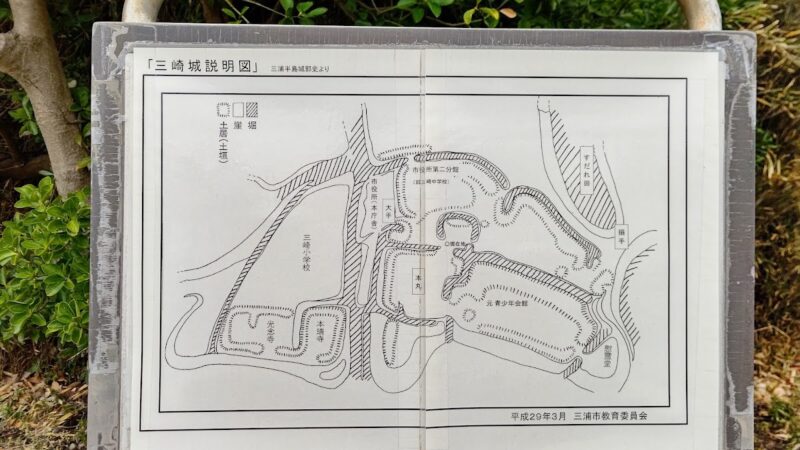
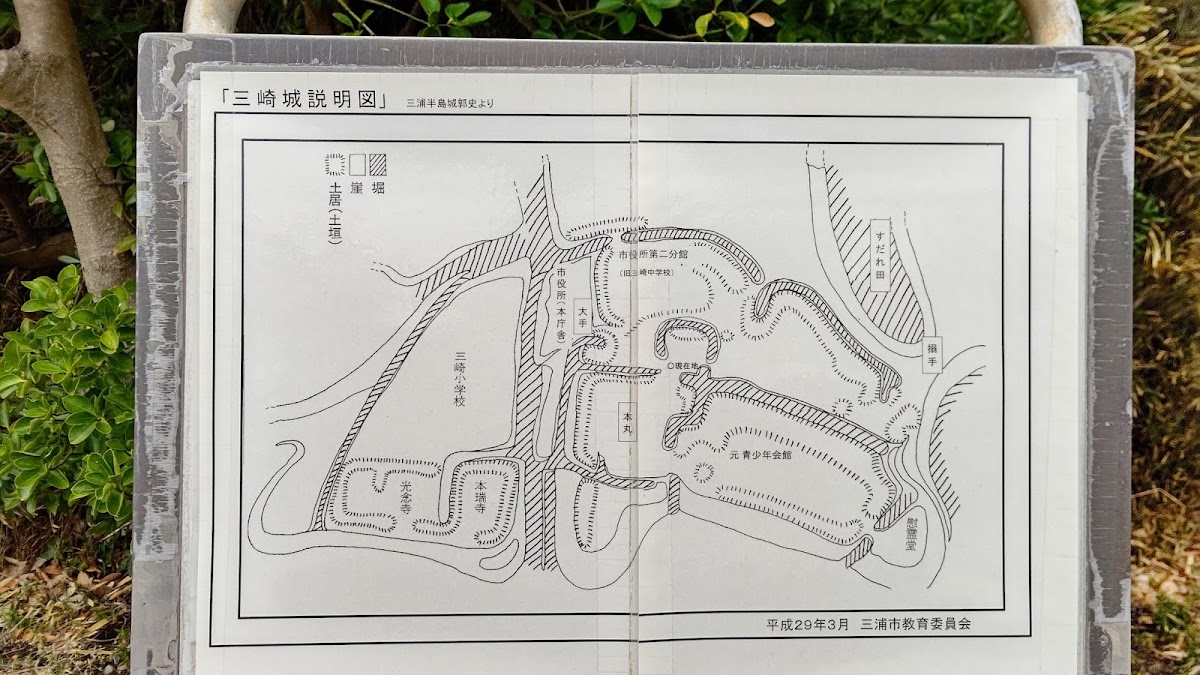
The layout of Misaki Castle extended across the hilly area centered around the current Miura City Hall. There are various theories regarding the location of the main enclosure (honmaru), but the most likely theory is that it was located on the site where the former Miura City Gymnasium stood. There is also a theory that the main enclosure was the bailey on the cliff where the former Youth Center and Miura City Memorial Hall now stand.
The castle grounds were located on a cliff facing Hojo Bay, with the south side facing the sea, making it a natural stronghold. It is believed to have had a concentric, multi-bailey structure, utilizing the long, narrow hilly terrain running east to west.
Bailey Arrangement
Misaki Castle had multiple baileys arranged in a stepped pattern. The main enclosure was at the center, with the second and third baileys, each demarcated by earthworks and moats. Each bailey skillfully utilized the terrain, creating a defensive system that took advantage of the elevation differences.
The area around the current Miura Elementary School was also part of the castle grounds, and it is presumed that an important bailey was located here. Remnants of the original topography can still be seen along the slope east of the city hall.
Defensive Structures
Earthworks, moats, and earthen bridges have been identified as defensive structures of Misaki Castle. Earthen ramparts, in particular, were built throughout the castle grounds and played a crucial role in preventing enemy intrusion.
Moats were constructed between baileys, restricting enemy movement. Earthen bridges served as passages across moats and, being defensively vulnerable, were likely heavily guarded.
The side facing the sea was a steep cliff, functioning as a natural fortification. This topographical feature gave Misaki Castle a high degree of defense against land attacks.
Remains of Misaki Castle
Existing Remains
Many of the remains of Misaki Castle have been lost due to urbanization, but several important remains can still be seen today.
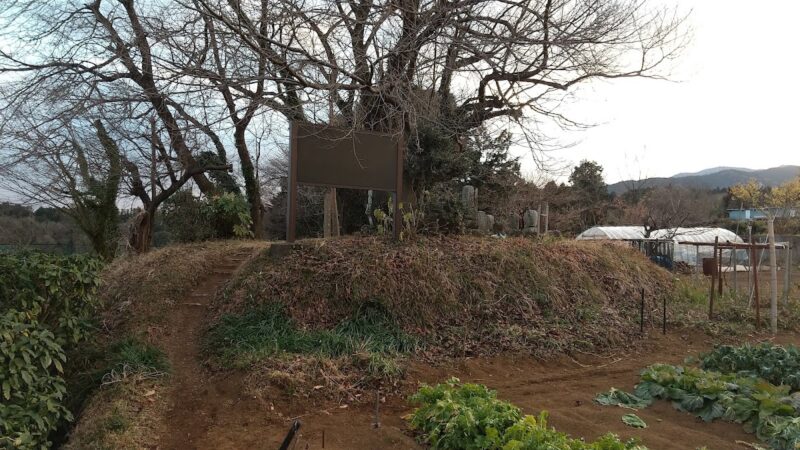
Earthen Ramparts: Traces of earthen ramparts remain in parts of the castle grounds. In particular, slight elevations of earthen ramparts can be seen around the Miura City Hall.
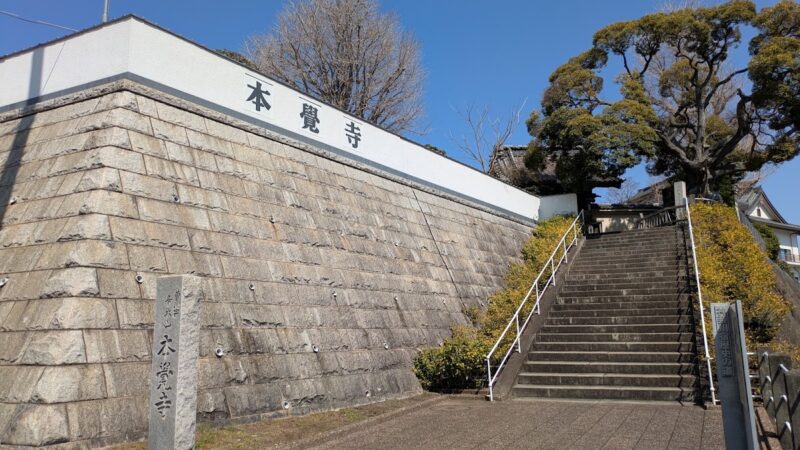
Bailey Sites: Flat areas such as the former city hall, elementary school, and gymnasium sites are remnants of former baileys. By observing the topography, we can imagine the castle’s structure at the time.
Remains of Moats: Traces of moats remain along some roads and property boundaries. Although currently filled in, their original form can be inferred from the topography’s undulations.
Remains of Earthen Bridges: Traces of passages connecting the baileys can also be seen in some places.
Information Board and Stone Monument
East of Miura City Hall, along the road at the top of the slope, there is an information board and stone monument explaining Misaki Castle. This information board provides detailed explanations of Misaki Castle’s history and structure, making it an important source of information for visitors to the castle ruins.
The stone monument is inscribed with “Misaki Castle Ruins,” conveying that this area was once an important castle. Visitors can use this information board and monument as a starting point to explore the castle grounds.
Highlights of Misaki Castle
Views from the Castle Ruins
The greatest highlight of Misaki Castle Ruins is the view from the hilltop. Located overlooking Hojo Bay, it offers a panoramic view of Misaki Port and Jogashima Island. This view truly makes you understand why the castle was built in this location.
The views from around the city hall and the memorial hall are particularly magnificent, and on a clear day, you can even see the Boso Peninsula. The former lords of the castle likely monitored maritime traffic while gazing at this view.
Observing the Topography
When visiting Misaki Castle Ruins, observing the topography is important. The undulations of the hills, the shape of the cliffs, and the arrangement of flat areas allow you to imagine the castle’s structure at the time.
Walking the path from the city hall to the elementary school allows you to experience the former movement routes between the castle’s baileys. Furthermore, the steep slope towards the sea provides clues to understanding its function as a natural fortress.
Nearby Historical Sites
Near the Misaki Castle Ruins, several related historical sites are scattered. The Arai Castle Ruins (the castle where Miura Yoshitomo held out until the end) are located close to Misaki Castle, and visiting both together will provide a deeper understanding of the Miura clan’s history.
Furthermore, the area around Misaki Port retains its old townscape, allowing visitors to experience the atmosphere of a castle town. Hainan Shrine is also a historically important site, deeply connected to the history of Misaki Castle.
Access and Visiting Information for Misaki Castle
Access Methods
Public Transportation: Take a Keikyu bus from Misakiguchi Station on the Keikyu Line and get off at the Misaki Higashioka bus stop. It’s about a 5-minute walk to the Misaki Castle Ruins (near Miura City Hall). Buses are relatively frequent, making access convenient.
By Car: Approximately 30 minutes from Kinugasa IC on the Yokohama-Yokosuka Expressway via National Route 134. There is a parking lot at Miura City Hall, but it is not exclusively for castle ruins visitors, so please consider using nearby public parking lots.
Visiting Hours and Precautions
Misaki Castle Ruins are not developed as a park; they are located on the site of public facilities such as the city hall and schools. Therefore, while it is possible to visit 24 hours a day, consideration must be given to avoid disrupting the operations of these facilities.
The estimated time required for a visit is 30 minutes to 1 hour, including checking the explanatory signs and monuments and observing the surrounding topography. If you plan to carefully observe the topography or visit related historical sites in the surrounding area, it is recommended to allow about 2 hours.
About the Castle Stamp
Misaki Castle stamps are sold at tourist information centers and some souvenir shops in Miura City. Obtaining a castle stamp is recommended as a memento of your visit to the castle ruins. For information on sales locations and prices, it is recommended to inquire with the Miura City Tourism Association in advance.
Misaki Castle and the Legacy of the Miura Clan
Historical Significance of the Miura Clan
The Miura clan was a powerful family in Sagami Province from the late Heian period to the Sengoku period. They contributed to the establishment of the Kamakura Shogunate and gained the trust of Minamoto no Yoritomo, occupying an important position as a retainer.
Misaki Castle was the last stronghold of the Miura clan and symbolizes the rise and fall of the family. The tragedy of Miura Yoshitomo, who was defeated in battle against Hojo Soun, is known as a historical event that illustrates the harshness of the Sengoku period.
Role as a Naval Base
Misaki Castle was not merely a land fortress, but also played an important role as a naval base. Both the Miura clan and the Later Hojo clan utilized this castle as a key point for maritime traffic, seeking to secure control of the seas from Sagami Bay to the Boso Peninsula.
Misaki Port was a natural harbor, capable of accommodating many ships. By positioning Jogashima Island in front of it, the harbor was protected from the rough waves of the open sea, making it a safe anchorage. This geographical advantage enhanced the strategic value of Misaki Castle.
Summary
Misaki Castle (Shiroyama-cho, Miura City, Kanagawa Prefecture) is an important flatland castle built as the base of the Sagami Miura clan and later developed as a naval base for the Later Hojo clan. Also known as Miura Castle, Hojo-yama Castle, and Hozoji Castle, it played a vital role in the history of the Sengoku period as a strategic point in the southern part of the Miura Peninsula.
Currently, the castle site is an urban area with public facilities such as the city hall and schools, but remnants such as earthworks and baileys remain, and explanatory signs and stone monuments convey its former appearance. The view from the hilltop overlooking Misaki Port is magnificent, allowing one to truly appreciate why the castle was built in this location.
Having undergone historical transformations such as battles with Hojo Soun, renovations by the Later Hojo clan, and abandonment during Toyotomi Hideyoshi’s siege of Odawara, Misaki Castle is an indispensable historical site when discussing the history of the Miura Peninsula. Visiting it in conjunction with sightseeing at Misaki Port and Jogashima Island will allow you to gain a deeper understanding of the history and culture of the Miura Peninsula.
For castle enthusiasts, history buffs, and tourists visiting the Miura Peninsula, Misaki Castle ruins are a must-see spot. Why not enjoy the views that the former lords gazed upon while reading the detailed explanatory signs, and feel the spirit of the Sengoku period?