Itabashi Castle (Tsukubamirai City, Ibaraki Prefecture) Complete Guide: History, Remains, and Access Information
Itabashi Castle, located in Itabashi, Tsukubamirai City, Ibaraki Prefecture, is a medieval castle that functioned as a strategic point in southern Hitachi Province during the Sengoku period. Today, remains such as earthworks remain around the grounds of Itabashi Fudōson Temple, conveying the history of the region. This article provides a comprehensive explanation of Itabashi Castle, including its historical background, the lineage of the Tsukioka clan (the castle’s lords), details of the existing remains, and practical access information for visitors, based on the latest data in castle research in the Kanto region.
Basic Data and Location of Itabashi Castle
Itabashi Castle was a flatland castle (some sources describe it as a hilltop castle) located in Itabashi, Tsukubamirai City, Ibaraki Prefecture. The current grounds of Itabashi Fudōson Temple and the surrounding residential and farmland areas are considered to be the castle site. It was located near the intersection of Ibaraki Prefectural Road 19 (Toride-Tsukuba Line) and Chiba Prefectural Road/Ibaraki Prefectural Road 46 (Noda-Ushiku Line), making it a strategically important transportation hub.
Geographical Characteristics
Located in the southern part of Hitachi Province, Itabashi Castle was situated in an area between the Kokaigawa and Kinugawa rivers, giving it high strategic value in terms of both water and land transportation. Several other castles and fortifications existed within the Tsukuba Mirai City (formerly Ina Town) area, including Ashitaka Castle, Kuriyama Castle, Obari Castle, and Sanjoin Castle, and it is believed that these formed a coordinated defensive network.
It was built on a slightly elevated area of approximately 20 meters above sea level, and its layout utilized the terrain to overlook the surrounding lowlands. It is presumed to have had the typical structure of a flatland castle, utilizing the boundary between plateaus and lowlands, a characteristic of the Kanto Plain.
The History of Itabashi Castle and its Lord, the Tsukioka Clan
Background of its Construction and the Tsukioka Clan
There are various theories regarding the construction period of Itabashi Castle, but it is believed to have been built in the late 15th to early 16th century, during the mid-Sengoku period. The castle lord was the Tsukioka clan, and some historical records mention the name “Tsukimi Hirohide.” The Tsukioka clan is known as a vassal of the Okami clan, who held power in southern Hitachi Province.
The Okami clan were local lords based around Ushiku in southern Hitachi Province, and maintained their power from the Muromachi period to the Sengoku period by forming complex alliances with the Oda and Satake clans. It is presumed that the Tsukioka clan, as important retainers of the Okami clan, were given the land of Itabashi and were responsible for the governance and defense of the region.
The Turmoil of the Sengoku Period and Itabashi Castle
In the 16th century, Hitachi Province was a fierce battleground where the Satake clan in the north, the Oda clan in the south, and the Tagaya clan, who had advanced from Shimosa Province, vied for supremacy. Itabashi Castle was also caught up in this turmoil.
During the Tensho era (1573-1592), the Tagaya clan, based in Shimotsuma, Yuki District, Shimosa Province, sought to expand their power into southern Hitachi Province, successively capturing castles belonging to the Okami clan and their retainers. It is said that Itabashi Castle also fell to the Tagaya clan’s attack. During this period, the Tagaya clan had established a wide sphere of influence centered around Shimotsuma Castle, and control of the Kokaigawa River basin was strategically important.
Itabashi Castle After its Fall
After Toyotomi Hideyoshi’s siege of Odawara in 1590, the Kanto region came under the control of Tokugawa Ieyasu. At this time, the Tagaya clan sided with Hideyoshi and had their territories secured, but they were later dispossessed after the Battle of Sekigahara. Regarding Itabashi Castle, it is believed that it was abandoned after its fall during the Tensho era and had already lost its function as a castle by the Edo period.
Structure and Layout of Itabashi Castle
Castle Size and Enclosure Arrangement
While an accurate layout map of Itabashi Castle does not exist, on-site surveys and analysis of the surrounding topography suggest a structure with multiple enclosures centered around the main enclosure (honmaru). The castle grounds are thought to have measured approximately 200 meters east-west and 150 meters north-south, a standard size for a medieval local lord’s residence.
The main enclosure is believed to have been located near the present-day Itabashi Fudōson temple grounds, and was defended by earthworks and moats. The second and third enclosures are thought to have surrounded the main enclosure, forming a tiered defensive structure.
Characteristics of Defensive Facilities
As is common to flatland castles in the Kanto region, Itabashi Castle primarily utilized earthworks and dry moats as its defensive structures. Stone walls were not used; the defensive structure was based on civil engineering works. This is a typical characteristic of Sengoku period castles in the Kanto region.
The castle gates (koguchi) were likely constructed in multiple locations, with a winding structure designed to prevent enemy intrusion. Furthermore, the surrounding lowlands were utilized as natural moats, making approach to the castle difficult.
Living Spaces and Castle Town
The lord’s residence was located within the main enclosure, while the residences of the retainers are presumably located in the second and third enclosures. A town area inhabited by merchants and artisans formed below the castle, and a market may have been held around the bridge that gave its name to Itabashi.
Existing Remains and Points of Interest
Current State of Earthworks
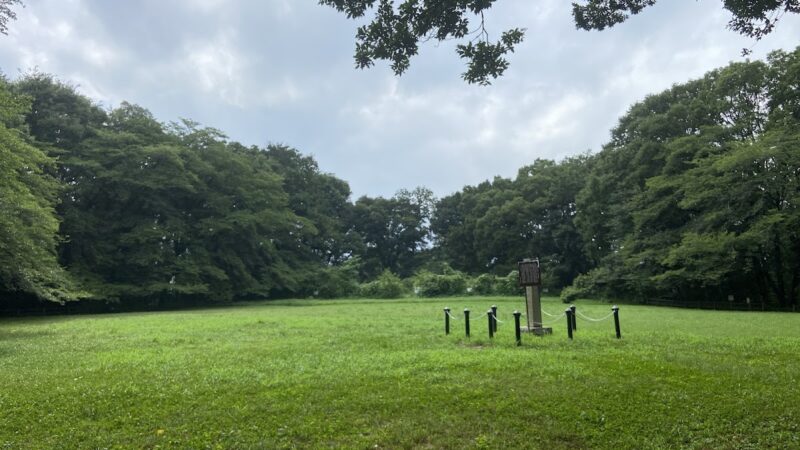
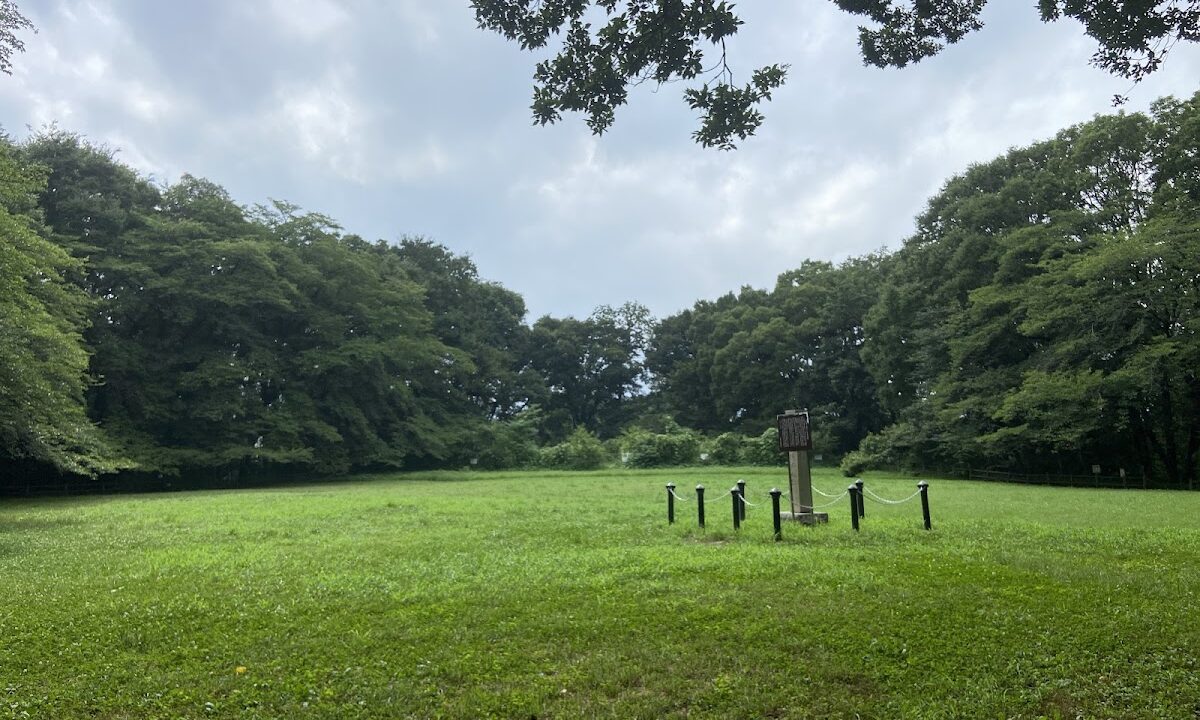
The only remaining remnants of Itabashi Castle are primarily earthworks. Earthworks approximately 1-2 meters high remain intermittently on the north and east sides of the Itabashi Fudōson temple grounds. While largely lost due to years of weathering and development, these are valuable remains indicating the castle’s fortifications.
Observing the cross-section of the earthwork reveals that a construction method called “hanchiku,” which involves compacting soil, was used. This technique was widely seen in medieval castles and was a method to increase the strength of the earthwork.
Traces of the Moat
While no clear remains of a moat exist today, a detailed examination of the topography around Itabashi Fudōson reveals depressions and elevation changes that suggest the presence of a moat. In particular, a long, narrow depression believed to be a remnant of a moat remains on the western side of the temple grounds, attracting attention among castle researchers.
Itabashi Fudōson and the Castle Ruins
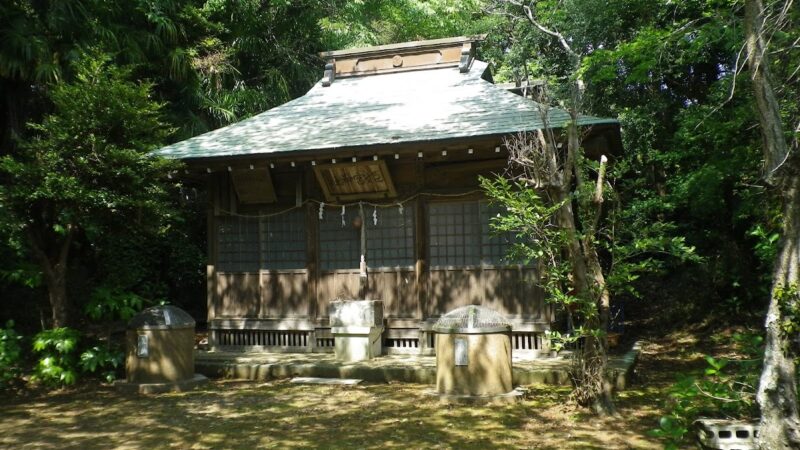
Itabashi Fudōson (officially Itabashi-san Tōkōin) is a Shingon Buddhist temple located within the grounds of Itabashi Castle. While there are various theories regarding its founding date, it has a deep connection to Itabashi Castle and may have functioned as the castle’s guardian shrine.
Numerous old stone monuments and memorial towers remain on the temple grounds, some of which are estimated to date back to the Sengoku period (Warring States period). These structures may have been erected to commemorate the samurai who died in battle at Itabashi Castle, and they serve as important historical materials that tell the story of the castle’s history.
The large trees within the grounds are also a highlight; zelkova and ginkgo trees, estimated to be several hundred years old, stand as witnesses to the history that has continued since the time of Itabashi Castle.
Connection to Surrounding Castle Ruins
In addition to Itabashi Castle, numerous medieval castle ruins remain within Tsukuba Mirai City. In particular, nearby Sanjoin Castle, Ashitaka Castle, and Kobari Castle were castles within the sphere of influence of the Okami clan, just like Itabashi Castle. Visiting these castles allows for a deeper understanding of the regional governance at that time.
Sanjoin Castle is located about 2 kilometers northeast of Itabashi Castle, and the remains of its earthworks and moats are relatively well preserved. Kobari Castle is located about 3 kilometers southwest and is known as a larger castle. It is important to consider the role of Itabashi Castle within the broader defense network that includes these castles.
Archaeological Investigation of Itabashi Castle
History of Excavation
While no large-scale academic excavation has been conducted at Itabashi Castle, several small-scale trial excavations have been carried out in conjunction with surrounding development. These excavations have yielded fragments of medieval pottery and ceramics, confirming artifacts dating from the 15th to 16th centuries.
Among the excavated artifacts are imported pottery such as Tokoname ware and Seto ware, indicating that Itabashi Castle was a castle with a certain level of economic power. The discovery of iron products and copper coins has also been reported, providing clues about weapons and daily life.
Results of Ground Penetrating Radar Surveys
In recent years, ground penetrating radar surveys have been applied to castle research as a non-destructive testing technique. This technique has been experimentally used in some areas around Itabashi Castle, suggesting the existence of buried structures. Further full-scale investigations could potentially provide a clearer overall picture of the castle.
How to Access Itabashi Castle
Access by Public Transportation
Using Trains and Buses:
The nearest station is Mirai-daira Station on the Tsukuba Express line. From Mirai-daira Station, you can access the castle via the following methods:
- By Local Bus: From the west exit of Mirai-daira Station, take the Kanto Railway bus bound for “Itabashi Fudoson-mae” and get off at the final stop, “Itabashi Fudoson-mae” bus stop (approximately 15 minutes). It’s about a 2-minute walk from the bus stop to Itabashi Fudoson.
- By Taxi: A taxi from Mirai-daira Station takes approximately 10 minutes and costs around 1,500 to 2,000 yen.
- On Foot: Walking from Mirai-daira Station takes approximately 3.5 kilometers, about 40 to 50 minutes. The route along Ibaraki Prefectural Road 19 heading north is the easiest to follow.
Access from Other Train Stations:
While it’s possible to access the destination from Toride Station on the JR Joban Line, bus services are infrequent, making taxi travel the more practical option. A taxi ride from Toride Station takes approximately 20 minutes and costs around 3,000 to 4,000 yen.
Access by Car
Routes from Major Roads:
- From the Joban Expressway: Exit at the Tanihara IC, head south on National Route 294, and then turn onto Ibaraki Prefectural Road 46. The destination is approximately 10 minutes away. The distance from the IC is approximately 8 kilometers.
- From the Ken-O Expressway (Metropolitan Inter-City Expressway): The nearest exits are Tsukuba-Ushiku IC or Inashiki IC. From Tsukuba-Ushiku IC, it’s approximately 25 minutes via Ibaraki Prefectural Road 19. From Inashiki IC, it’s approximately 30 minutes via National Route 408 and Prefectural Road 46.
- From National Route 6: A convenient route is to head north on National Route 294 from the Toride area, then turn onto Prefectural Route 46.
Car Navigation Settings:
Setting your destination to “Itabashi Fudo-son” or the address “2370 Itabashi, Tsukubamirai City, Ibaraki Prefecture” is recommended. For phone number searches, you can use the number for Itabashi Fudo-son (0297-58-2620).
Parking Information
Itabashi Fudo-son has a free parking lot for visitors, accommodating approximately 20 regular-sized cars. The parking lot is located on the south side of the temple grounds. It can get crowded on holidays and festival days, so visiting on weekdays is recommended.
There is no dedicated parking lot for visiting the castle ruins, but you can use the Itabashi Fudo-son parking lot. However, please be considerate of other visitors.
Points to Note and Precautions for Visiting
Estimated Visit Time
Please allow approximately 20-30 minutes for a visit to Itabashi Castle Ruins, including a visit to Itabashi Fudo-son Temple. For a thorough observation of the surrounding terrain and earthwork remains, 40 minutes to 1 hour would be ideal.
For castle enthusiasts who wish to take photographs or conduct detailed observations, we recommend allocating at least 1 hour for your visit.
Best Season for Visiting
Itabashi Castle Ruins are open year-round, but the following times are particularly recommended:
Spring (March-May): The cherry blossoms in the temple grounds are beautiful, and the weather is pleasant. It’s also ideal for observing the earthworks.
Autumn (October-November): The autumn foliage is beautiful, and the weather is stable. This is the best season for visiting castles.
Winter (December-February): The fallen leaves make the terrain easier to observe. This is the best time to understand the castle’s structure, but warm clothing is necessary.
During the summer months (June to September), vegetation can be overgrown, making observation of the ruins difficult. Also, due to the abundance of mosquitoes and other insects, insect repellent is essential.
Precautions for Visitors
- Respect for Private Property: The area surrounding the castle ruins includes residential areas and farmland, some of which are private property. Please refrain from trespassing.
- Safety Precautions: The footing around the earthworks can be unstable in some areas. Wear comfortable shoes, and exercise extra caution during and after rain.
- Manners: Itabashi Fudoson is an active religious site. Please observe quietly and avoid disturbing worshippers.
- Photography: Photography is generally permitted on the temple grounds, but consideration should be given to the situation, such as refraining from photography during religious ceremonies.
- Litter: Please take all your trash with you. Environmental consideration is crucial for the preservation of the castle ruins.
Nearby Tourist Attractions and Castle Sites
Castle Sites in Tsukuba Mirai City
This section introduces nearby castle sites that you might want to visit in conjunction with Itabashi Castle.
Obari Castle Site: Located approximately 3 kilometers southwest of Itabashi Castle. Situated in Obari, Tsukuba Mirai City, it was an important castle site for the Okami clan. The remains of the earthworks and moats are relatively well-preserved, and information boards are also in place.
Sanjoin Castle Site: Located approximately 2 kilometers northeast of Itabashi Castle. This castle was built on the site of the Sanjoin temple, and some of the earthworks still exist.
Ashitaka Castle Site: A flatland castle located in Ashitaka, Tsukuba Mirai City. It is believed to have been the residence of the Ashitaka clan, vassals of the Okami clan, and remains of the earthworks and moats remain.
Kuriyama Castle Site: Located in Kuriyama, Tsukuba Mirai City, it is one of the castle sites related to the Okami clan. Although residential development is progressing, the topography still retains traces of its former appearance.
Nearby Major Castles
Sakasai Castle Ruins (Bando City, Ibaraki Prefecture): Approximately 15 kilometers southwest of Itabashi Castle. A Sengoku period castle has been restored and maintained, with reconstructed turret gates, earthworks, and moats. A must-see spot for understanding medieval castles in the Kanto region.
Mito Castle Ruins (Mito City, Ibaraki Prefecture): A representative early modern castle of Ibaraki Prefecture. Known as the residence of the Mito Tokugawa family, one of the three main branches of the Tokugawa clan, the main gate has been restored. Approximately 50 kilometers northeast of Itabashi Castle.
Tsuchiura Castle Ruins (Tsuchiura City, Ibaraki Prefecture): A flatland castle with remaining turret gates and moats. An important castle in southern Ibaraki Prefecture, located approximately 20 kilometers north of Itabashi Castle.
Historical and Cultural Facilities
Tsukuba Mirai City Historical and Folk Museum: A facility introducing the history and culture of Tsukuba Mirai City. Exhibits include materials related to castles and fortifications within the city, including Itabashi Castle.
Moriya City Local History Museum: Located in the adjacent Moriya City, this museum features exhibits on the medieval history of southern Hitachi Province.
Historical Significance and Current Research Status of Itabashi Castle
Positioning within the Castle Network of Southern Hitachi Province
Itabashi Castle is an important archaeological site that reveals the reality of regional control in southern Hitachi Province during the Sengoku period. Research on small to medium-sized castles like Itabashi Castle is essential for understanding how the local lord class, centered around the Okami clan, controlled their territories and constructed their defense systems.
Recent research has advanced the study of not only large-scale castles of daimyo class but also the residences and branch castles of local powerful families, making it possible to reconstruct more detailed regional history. Itabashi Castle is also being re-evaluated as part of this research, particularly its role within the group of castles in southern Hitachi Province.
The Tagaya Clan’s Invasion of Hitachi and Itabashi Castle
The Tagaya clan’s capture of Itabashi Castle during the Tensho era is an important example illustrating the process by which Sengoku daimyo from Shimosa Province expanded their power into Hitachi Province. The Tagaya clan, a branch of the Yuki clan, was based in Shimotsuma and, in the latter half of the 16th century, controlled a vast territory stretching from southern Hitachi Province to northern Shimosa Province.
The fall of Itabashi Castle symbolizes the decline of the Okami clan’s power and the rise of the Tagaya clan, and is considered one of the turning points in the Sengoku period history of this region.
Future Research Issues
Many aspects of Itabashi Castle remain unclear. The main research issues are as follows:
- Determination of the Construction Date: Due to limited historical documents, the exact construction date is unknown. Archaeological dating is anticipated.
- Genealogy of the Tsukioka Clan: Further historical research is needed to determine the detailed genealogy of the Tsukioka clan and their relationship with the Okami clan.
- Reconstruction of the Castle Structure: As no archaeological excavations have been conducted, the details of the castle’s layout remain speculative. Further investigation to clarify the structure is awaited.
- Relationship with Surrounding Castles: Further detailed research is needed regarding the defensive network that Itabashi Castle formed with castles such as Sanjoin Castle and Obari Castle.
Itabashi Castle and Local History Education
Utilization in Local History Education
In Tsukuba Mirai City, efforts are underway to utilize castle ruins, including Itabashi Castle, for local history education. Castle site visits are sometimes conducted as part of local history studies in elementary and junior high schools, providing children with a place to learn about local history.
Local history enthusiast groups are also interested in the preservation and utilization of Itabashi Castle, and regularly conduct tours and cleaning activities. These activities contribute to the protection of the castle ruins and the formation of local identity.
Potential as a Tourism Resource
Currently, Itabashi Castle is not a major tourist destination, but with proper maintenance and information dissemination, it has the potential to be a historical tourism resource. In particular, for castle enthusiasts and history fans, it is a valuable spot to experience the Sengoku period in the Kanto region.
In recent years, “castle tourism” has been gaining attention throughout Japan, and Itabashi Castle has the potential to be utilized as part of a wider-area tourist route combined with surrounding castle ruins.
Summary: The Charm and Significance of Visiting Itabashi Castle
Itabashi Castle in Tsukuba Mirai City, Ibaraki Prefecture, may not be flashy, but it is a valuable historical site that conveys the reality of regional rule in southern Hitachi Province during the Sengoku period. The earthworks remaining within the grounds of Itabashi Fudōson Temple and the surrounding topography quietly tell the story of nearly 500 years ago.
While there are no large keeps or stone walls, this is precisely why it allows us to get closer to the true image of local powerful families during the Sengoku period. The history of the nameless samurai, the Tsukioka clan, who defended this land and eventually fell to the Tagaya clan’s attack, is one of countless stories hidden in the shadow of the glamorous Sengoku picture scrolls.
With the opening of the Tsukuba Express, access to the Itabashi Castle ruins from the Tokyo metropolitan area has improved. Please visit it as part of a castle tour in the Kanto region, or as a place to learn about the Sengoku history of Ibaraki Prefecture. Standing in the tranquil grounds and walking along the earthen ramparts, you can feel the atmosphere of the Sengoku period.
Visiting Itabashi Castle along with nearby castles such as Obari Castle and Sanjoin Castle will allow you to experience the entire sphere of influence of the Okami clan and gain a deeper understanding. While Ibaraki Prefecture boasts numerous famous castles such as Mito Castle, Tsuchiura Castle, and Kasama Castle, it is smaller castles like Itabashi Castle that truly convey the reality of regional society during the Sengoku period.
We recommend a visit to Itabashi Castle to history enthusiasts, castle fans, and anyone interested in local history. The time spent standing on-site, observing the remains, and reflecting on history will surely be meaningful.