Ukishima Castle (Inashiki City, Ibaraki Prefecture) Complete Guide: The History and Highlights of the Legendary Medieval Castle Floating on Lake Kasumigaura
Located in Inashiki City, Ibaraki Prefecture, Ukishima Castle is a medieval castle built on an island in Lake Kasumigaura, Japan’s second-largest lake. Although it is now connected to the mainland due to land reclamation, its history and legends still thrive in the region. This article provides a detailed explanation of Ukishima Castle, including its history, structure, highlights, and access methods.
Basic Information on Ukishima Castle
Alternate Name: Okanouchi Castle
Location: Ukishima, Inashiki City, Ibaraki Prefecture (formerly Ukishima Village, Inashiki District)
Castle Structure: Flatland Castle (Island Castle)
Construction Period: Believed to be during the Tenkei era (938-947)
Builder: Prince Kosei (legend)
Main Lord: Ukishima Clan
Year of Abandonment: Genki-Tensho era (1570-1592)
Remains: Earthworks, moat traces (small)
Designated Cultural Property: None
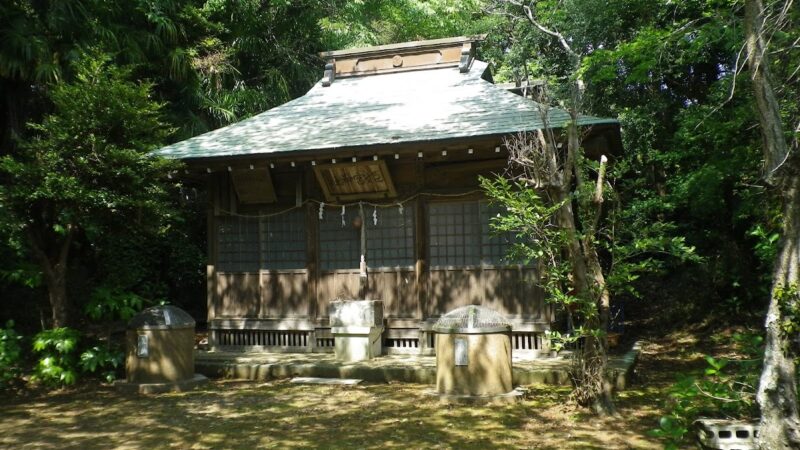
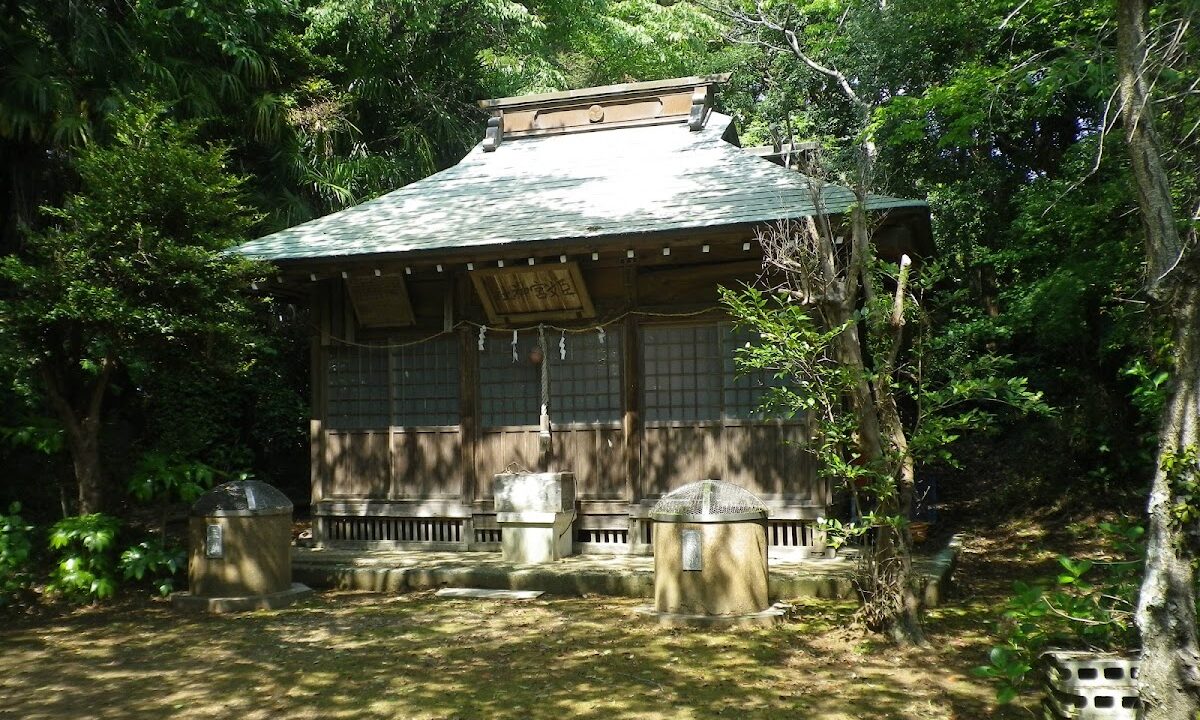
Current Status: Within the grounds of Himemiya Shrine
History of Ukishima Castle
Heian Period: Ukishima as a Place of Exile
The history of Ukishima dates back to the Heian period. Records show that Fujiwara no Norinaga, who was defeated in the Hogen Rebellion (1156), was exiled to this area. At that time, Ukishima was a small island floating in Lake Kasumigaura, and it is believed that its geographical location, surrounded by water, made it a suitable place of exile.
Even today, Ukishima still retains the Kannon Hall, believed to be the site of Fujiwara no Norinaga’s exile, and an ancient cedar tree said to have been planted by Norinaga himself, preserving the history of the Heian period. During this time, Ukishima was a remote, isolated island in the frontier of Hitachi Province, far removed from the central government.
Late Heian to Kamakura Period: Origins of the Castle
Regarding the founding of Ukishima Castle, there is a legend that it was built by Prince Kosei, who sided with Taira no Masakado during the Tenkei Rebellion (939-940). However, this is considered more of a legend than historical fact.
The actual establishment of the castle is thought to have occurred after the Kamakura period, and it is said that Ukishima Taro Yasuhiro, a descendant of Mononobe no Shinoda no Muraji, made it his residence. The Ukishima clan ruled this area as lords for generations.
The Sengoku Period: The Rise and Fall of the Ukishima Clan
During the Sengoku period (Warring States period), Ukishima Castle played a crucial role as the residence of the Ukishima clan. Its geographical location on an island in Lake Kasumigaura made it a natural stronghold and a vital point for water transport.
The Ukishima clan maintained its power until the end of the Sengoku period, but a turning point came during the Genki and Tensho eras (1570-1592). As the Satake clan, the rulers of Hitachi Province, pursued their southward expansion policy, Ukishima Danjo, the lord of Ukishima Castle, suffered a defeat in battle against the Satake clan.
The Legend of the Fall of Ukishima Castle
A tragic legend surrounding the fall of Ukishima Castle remains in the region. It is said that when the castle fell, Princess Sayuri, the daughter of Lord Ukishima Danjo, grieved over the castle’s defeat and threw herself into Lake Kasumigaura, ending her own life.
It is believed that the Himemiya Shrine, currently located on the castle ruins, was built to mourn the soul of this princess. The Himemiya Shrine is still carefully preserved by the local people and serves as an important site that conveys the history of Ukishima Castle.
Structure and Layout of Ukishima Castle
Characteristics as an Island Castle
Ukishima Castle was a rare type of castle, an “island castle,” built on an island floating in Lake Kasumigaura. Although it is now connected to the mainland due to land reclamation in 1966 (Showa 41), at the time it was a natural stronghold surrounded by water on all sides.
The waters of Lake Kasumigaura acted as a moat around the island, and attackers had no way to approach except by boat. Therefore, despite being a small castle, it is thought to have had high defensive capabilities.
Existing Remains
Currently, most of the remains of Ukishima Castle have been lost, but a few traces can be seen within the grounds of the Himemiya Shrine.
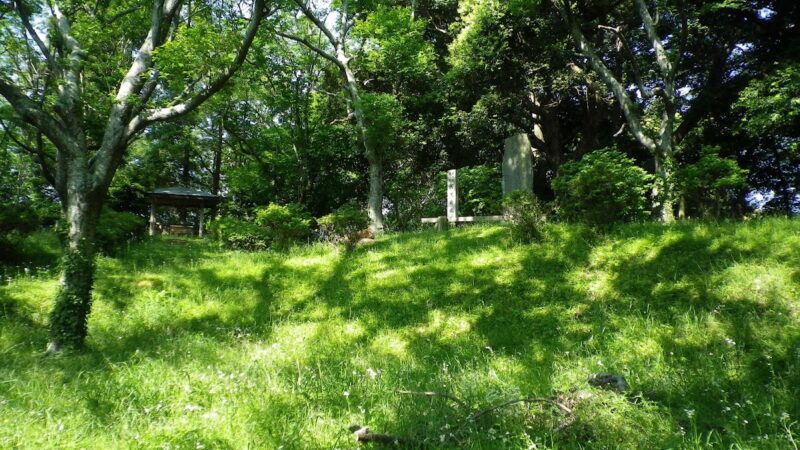
Main Enclosure Site: The area where the main hall of Himemiya Shrine stands is presumed to be the site of the main enclosure. A slight elevation is visible, suggesting the remnants of a former bailey.
Earthwork: Around the main hall of Himemiya Shrine, partially remaining earthen mounds believed to be earthworks remain. While significantly smaller than its original size, at approximately 1 meter in height, it is a valuable remnant of the castle.
Moat Remains: While no clear moat remains have been confirmed, slight depressions in the terrain around the shrine suggest they may be remnants of a moat.
Castle Area Scope
The exact boundaries of Ukishima Castle are unknown, but it is presumed that the entire Okanouchi area, centered around Himemiya Shrine, was the castle grounds. While the entire island may have been fortified, it is thought that the main defensive facilities were concentrated around the current shrine.
Ukishima Castle Highlights and Visitor Guide
Himemiya Shrine
Himemiya Shrine is the central feature of the Ukishima Castle ruins. As mentioned earlier, it is said that this shrine was built to enshrine Princess Sayuri, who took her own life when the castle fell.
The shrine grounds are enveloped in a quiet and solemn atmosphere, and although there are few traces of the castle ruins, one can feel the weight of history. It would be interesting to imagine the former appearance of the castle while examining the remains of the earthworks around the main hall.
Site of Fujiwara Norinaga’s Exile
Although not directly related to Ukishima Castle, there is a Kannon Hall in the same Ukishima area that is said to be the site of Fujiwara Norinaga’s exile. It is a valuable historical site that conveys the history of the area as a place of exile during the Heian period.
Near the Kannon Hall, an old cedar tree said to have been planted by Norinaga still stands. Its age is unknown, but its size indicates that it is a considerably old tree.
Topography and Landscape of Ukishima
Although Ukishima is now connected to the mainland due to land reclamation, observing the surrounding topography reveals that it was once an island. In particular, viewing the Ukishima area from the direction of Lake Kasumigaura reveals a slight elevation, allowing one to imagine the island’s appearance in its heyday.
From Ukishima Park (Wada Park) in the Suigo Tsukuba Quasi-National Park, you can enjoy the scenery of Lake Kasumigaura and truly appreciate how strategically important Ukishima Castle was located on a waterway.
Estimated Visiting Time
A visit to the Ukishima Castle ruins, including a visit to Himemiya Shrine and an examination of the surrounding remains, should take approximately 15-30 minutes. If you wish to carefully observe the topography and explore the surrounding historical sites, allow about an hour.
Access Information
Access by Public Transportation
Accessing Ukishima Castle by public transportation is difficult; using a private car is recommended.
Nearest Stations: JR Narita Line – Namegawa Station or JR Joban Line – Tsuchiura Station
Both stations are quite a distance away, and bus services are limited. Therefore, taking a taxi from the station or renting a car is the most practical option.
Access by Car
From Tokyo:
- Approximately 30 minutes from Sakura-Tsuchiura IC on the Joban Expressway via National Route 6 and Prefectural Route 48
- Approximately 20 minutes from Inashiki IC on the Ken-O Expressway via Prefectural Route 11 and Prefectural Route 48
From Narita:
- Approximately 40 minutes from National Route 51 via Prefectural Route 11
Parking: Himemiya Shrine does not have a dedicated parking lot, but there are a few parking spaces along the road in front of the shrine. Please avoid long-term parking by non-worshippers.
Address and Navigation Settings
Address: Ukishima, Inashiki City, Ibaraki Prefecture (Himemiya Shrine)
You may be able to find it by searching for “Himemiya Shrine Inashiki City” or “Ukishima, Inashiki City, Ibaraki Prefecture” on your car navigation system. For smartphone map apps, searching for “Himemiya Shrine” is the most reliable method.
Nearby Tourist Attractions
Castles Around Lake Kasumigaura
When visiting Ukishima Castle, it is recommended to also visit other castles around Lake Kasumigaura.
Awazaki Castle: A medieval castle located approximately 5km southwest of Ukishima Castle. It is believed to have been a branch castle of the Sugaya clan, lords of Tsuchiura Castle.
Tojo Castle (Ota Castle): Castle ruins located in the Tojo district of Inashiki City. It was the residence of the Tojo clan and was active around the same time as Ukishima Castle.
Furuto Castle: Castle ruins located in the Sakuragawa district. It was situated at a strategic point for water transport on Lake Kasumigaura.
Suigo Tsukuba Quasi-National Park
Lake Kasumigaura is designated as Suigo Tsukuba Quasi-National Park, where you can enjoy rich nature and waterside scenery. At Ukishima Park (Wada Park), you can enjoy a stroll while admiring the magnificent view of Lake Kasumigaura.
Historical and Cultural Facilities in Inashiki City
Inashiki City Historical and Folk Museum: This facility allows visitors to learn about the history and culture of Inashiki City. While there are few materials related to Ukishima Castle, it offers a deeper understanding of the region’s medieval history.
Evaluation of Ukishima Castle and its Value as a Castle
Evaluation by Castle Enthusiasts
Ukishima Castle receives a low rating of 1.67 out of 5 points (based on 17 evaluations) on the castle information website “Kojodan.” This is mainly due to the fact that very few remains are left.
The average visit time is a short 18 minutes, indicating that the castle ruins offer limited viewing value. However, understanding the historical background and unique location will likely lead to a deeper sense of satisfaction.
Historical and Academic Value
Although the state of preservation of the remains is not good, Ukishima Castle possesses the following historical and academic value:
Examples of Island Castles: The unusual form of a castle built on an island in Lake Kasumigaura is a valuable example in the history of Japanese castles.
Witness to Local History: This is an important historical site that tells the story of the medieval history of Hitachi Province, including the rise and fall of the Ukishima clan and the southward expansion policy of the Satake clan.
Key Point for Water Transportation: Its role as a strategic base controlling water transport on Lake Kasumigaura provides interesting material for understanding the transportation and distribution history of the time.
How to Enjoy Visiting Ukishima Castle
Feeling the Romance of History
Ukishima Castle may not have flashy remains, but its history and legends hold deep romance. Its unique location as a castle on an island in Lake Kasumigaura, the tragedy of Princess Sayuri, and the battles with the Satake clan allow for a deeper enjoyment by using your imagination.
Enjoying Topographical Observation
Although it is now connected to the mainland due to land reclamation, careful observation of the surrounding topography allows you to imagine the former outline of the island and the waterline. Bringing topographic maps or old maps will deepen your understanding.
Photography Tips
You can take photos that convey the atmosphere of the castle ruins, such as the main hall of Himemiya Shrine, the remains of the earthworks, and the surrounding rural landscape. A distant view of the Ukishima area from Lake Kasumigaura also makes for a good photograph that evokes the island’s former appearance.
Seasonal Attractions
Spring: The surrounding rural area is beautiful during cherry blossom season, making it ideal for exploring the castle ruins.
Summer: The waterside of Lake Kasumigaura is cool and refreshing, allowing you to fully enjoy the atmosphere of a waterside village.
Autumn: During the rice harvest season, a golden landscape of rice fields spreads out, creating a peaceful atmosphere.
Winter: The air is clear, allowing for excellent visibility and a beautiful view of Lake Kasumigaura.
Preservation and Future of Ukishima Castle
Current Situation and Challenges
The Ukishima Castle ruins are not specifically designated as a cultural property, and preservation and maintenance are not yet sufficient. Because only a few remains are left, there is a possibility that they will be lost further in the future.
As a local historical heritage site, some form of preservation measures and the installation of information boards are desired.
Connection with the Community
Himegumi Shrine is protected by the local people, and festivals are held regularly. Although the recognition of it as a castle site is fading, it is cherished as part of the local history.
Things to Know Before Visiting Ukishima Castle
Clothing and Equipment
No special equipment is required, but please pay attention to the following points.
- Comfortable walking shoes (the shrine grounds are paved, but shoes are necessary if you plan to explore the surrounding area)
- Insect repellent spray in summer
- Hat and sunscreen during sunny periods
- Warm clothing in winter
Manners and Precautions
- Himemiya Shrine is an active shrine, so please observe proper etiquette as a visitor.
- Avoid trespassing on private property.
- Please take all your trash with you.
- The surrounding area is residential, so please be mindful of noise.
Photography
Photography is generally permitted within the shrine grounds, but please refrain from photographing inside the main hall. Also, please be considerate of the privacy of local residents and avoid including houses or other private objects in your photos.
Summary: The Charm of Ukishima Castle
Although the remains of Ukishima Castle are not in the best condition, it is a castle with many historical interests, such as its unique location on an island in Lake Kasumigaura, the rise and fall of the Ukishima clan, and the legend of Princess Sayuri.
Today, Himemiya Shrine stands quietly in a rural area, retaining only a faint trace of its former glory. Standing there, gazing at the scenery of Lake Kasumigaura, and contemplating medieval history is one of the great pleasures of visiting castle sites.
Visiting it along with other castles in Ibaraki Prefecture will allow you to gain a deeper understanding of the medieval history of Hitachi Province. While not flashy, it is a historical site worth visiting for castle enthusiasts who want to savor history.
If you have the opportunity to visit the Lake Kasumigaura area, why not stop by the Ukishima Castle ruins and reflect on the legendary castle that once floated on the lake?