Shishido Castle (Ibaraki Prefecture): A Complete Guide to its History and Highlights | A Famous Castle that Lasted from the Kamakura Period to the Meiji Era
Located in Hiramachi, Kasama City, Ibaraki Prefecture, Shishido Castle is a flatland castle that served as the stage for history for approximately 660 years, from the early Kamakura period to the Meiji Restoration. Built in 1203 by Hatta Tomoie’s fourth son, Iemasa, the castle’s lords changed hands several times, including the Shishido, Satake, Akita, and Matsudaira clans. During the Edo period, it functioned as the headquarters of the Shishido Domain, a 10,000-koku domain. Even today, remnants such as earthworks remain, and it is designated as a historical site by Kasama City, preserving the region’s history.
Basic Information on Shishido Castle
Location: 192 Hiramachi, Kasama City, Ibaraki Prefecture (Site of the main keep), 206-1 Hashizume (Site of the encampment)
Former Province: Hitachi Province
Castle Classification: Flatland Castle (Some theories classify it as a hilltop castle)
Year of Construction: Kennin 3 (1203)
Builder: Shishido Iemasa (Fourth son of Hatta Tomoie)
Main Lords: Shishido clan, Akita clan, Matsudaira clan
Common Name/Alternate Name: Yamao Castle, Shishido Encampment
Remains: Earthworks, relocated gate (encampment)
Designated Cultural Property: Kasama City Designated Historic Site
History of Shishido Castle
Kamakura Period: Establishment of the Shishido Clan and Construction of the Castle
The history of Shishido Castle begins in Kennin 3 (1203), during the establishment of the Kamakura Shogunate. Shishido Iemasa, the castle’s builder, was born the fourth son of Hatta Tomoie, who served as the governor of Hitachi Province. Hatta Tomoie was a branch of the Utsunomiya clan, enjoyed the deep trust of Minamoto no Yoritomo, and built Oda Castle in Oda, Hitachi Province.
Iemasa was granted the position of jitō (land steward) of Shishido Manor in Hitachi Province by his father, Tomoie, and established this area as his base, adopting the name Shishido. Shishido Manor corresponds to the area around present-day Hiramachi, Kasama City, where Iemasa built Shishido Castle as his residence. While the Hatta family’s territory extended over a wide area, including Kozuru Manor in Hitachi Province, Takada District in Aki Province, and Fukase in Bitchu Province, the Shishido clan built their power base in Hitachi Province.
Muromachi and Sengoku Periods: Subjugation to the Satake Clan
From the Kamakura period to the Muromachi period, the Shishido clan established itself as a powerful local lord in Hitachi Province. The Shishido clan ruled this area for generations, using Shishido Castle as their base, and maintained their influence over the surrounding region.
As the Sengoku period began, the Satake clan gradually expanded its power in Hitachi Province. The Shishido clan, too, became subservient to the Satake clan and was incorporated into their vassal group. During this period, Shishido Castle also took on the character of a branch castle of the Satake clan. The Oda clan, based at the nearby Oda Castle, similarly came under the influence of the Satake clan, and southern Hitachi Province became part of the Satake clan’s sphere of influence.
Early Edo Period: The Akita Clan’s Arrival and the Establishment of the Shishido Domain
In 1602 (Keicho 7), the situation in Hitachi Province changed dramatically due to the rewards and punishments following the Battle of Sekigahara. The Satake clan was transferred to Akita in Dewa Province, and in their place, Akita Sanesue was appointed to Shishido in Hitachi Province with a 50,000 koku stipend. At this time, Shishido Castle was renovated to serve as the residence of the Akita clan.
However, Akita Sanesue’s rule did not last long. In 1622, Akita Sanesue was transferred to Miharu in Mutsu Province. Afterward, Shishido temporarily became a shogunate territory, and the castle remained without a lord.
From the Mid-Edo Period Onward: Shishido Domain under a Branch of the Mito Tokugawa Family
In 1682, a domain was re-established in Shishido. Matsudaira Yoriyoshi, the younger brother of Tokugawa Mitsukuni, the lord of the Mito Domain, was granted a 10,000 koku stipend, and the Shishido Domain was formed. The Matsudaira clan, as a branch family of the Mito Tokugawa family, ruled this area for approximately 190 years until the Meiji Restoration.
During this period, Shishido Castle was renovated and converted into a jinya (fortified residence). Unlike medieval castles, Edo-period jinya (fortified residences) were built with an emphasis on their function as administrative centers. The Shishido Jinya was located in a different place from the main keep (present-day Hashizume area) and became the center of the domain’s administration.
Although a small domain under the Matsudaira clan, the Shishido Domain maintained a certain status due to its relationship with the Mito Tokugawa family and survived until the end of the Edo period.
Meiji Restoration and Abolition of the Castle
With the Meiji Restoration, the Shishido Domain, like other domains, experienced the return of land and people to the emperor and the abolition of the feudal domains. In 1871 (Meiji 4), the Shishido Domain was abolished and integrated into Ibaraki Prefecture via Shishido Prefecture. As a result, Shishido Castle (Jinya) was abandoned, and many of its buildings were lost.
Structure and Characteristics of Shishido Castle
Location and Layout of the Castle
Shishido Castle is a flatland castle built in the plains of Kasama City, Ibaraki Prefecture. While some sources classify it as a hill castle, it’s not a clearly defined mountain castle, but rather a fortress with strong characteristics of a flatland castle utilizing slightly elevated ground.
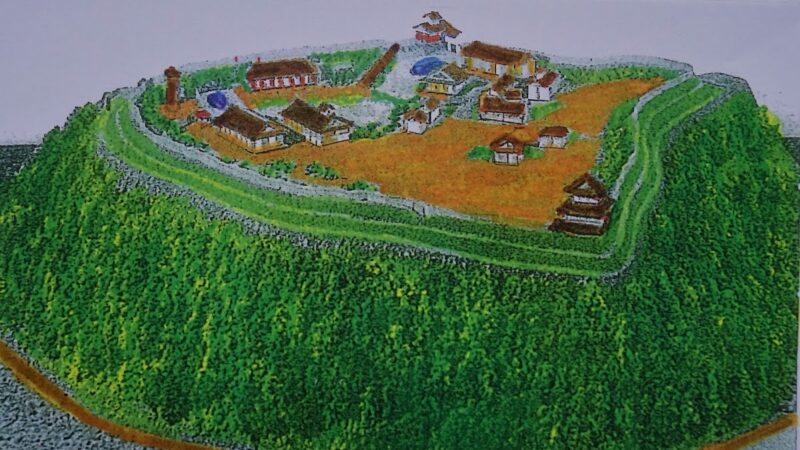
The castle’s layout retains features of a medieval castle while exhibiting a complex structure that was modified into a fortified residence in the early modern period. It’s believed to have been surrounded by earthen ramparts around the main keep, with a moat encircling it.
Main Keep and Suehiro Inari Shrine
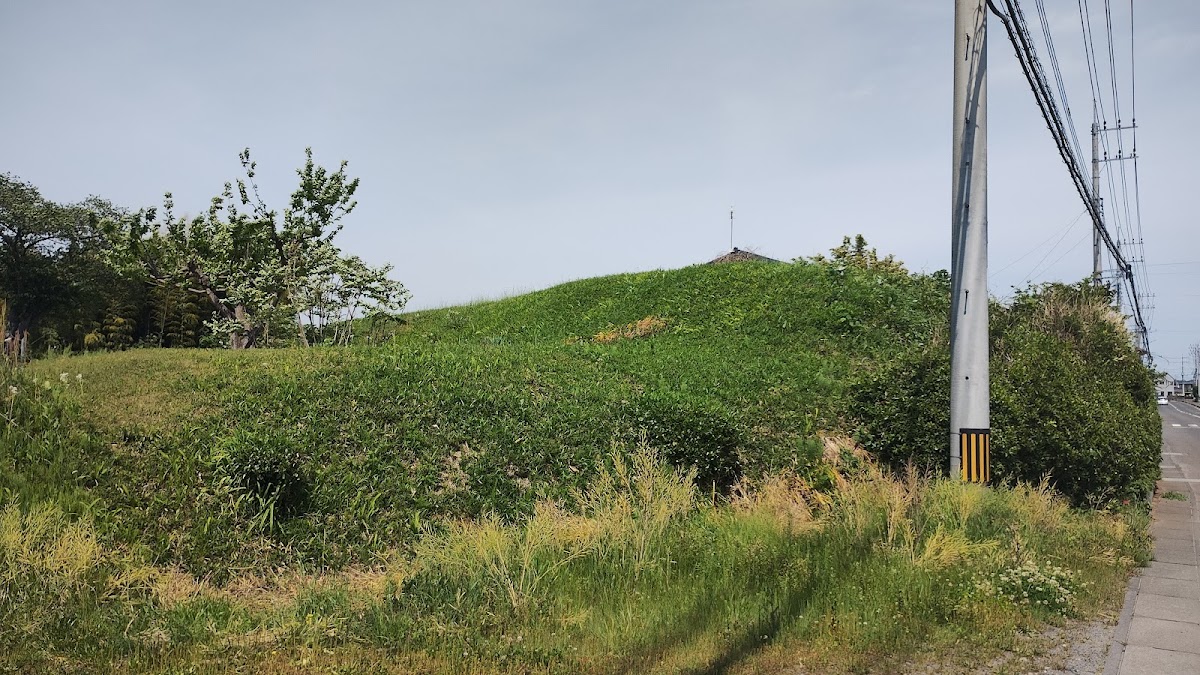
Currently, the Suehiro Inari Shrine stands on the site of the main keep of Shishido Castle. A stone monument inscribed “Shishido Castle Site Earthen Rampart” stands on the earthen rampart of the main keep, indicating its location as a castle site. This rampart is a valuable relic of a castle from the medieval to early modern period and is designated as a historical site by Kasama City.
The Suehiro Inari Shrine remains a center of local faith, attracting worshippers even today, creating a unique landscape where the castle ruins and the shrine are integrated.
Remains of the Shishido Jinya (fortified residence)
The site of the Shishido Domain’s Jinya (fortified residence) from the Edo period is located in a different place from the main keep (Hashizume district, Kasama City). Part of the earthworks remain at the Jinya site, giving a glimpse into its scale at the time. Furthermore, the Jinya’s gate has been relocated and still exists, making it a valuable relic of Edo-period Jinya architecture.
The Jinya served as the center of the domain’s administration, housing the lord’s residence, government offices, and the residences of retainers. Although now a residential area, traces of the past can still be seen in the topography and road layout.
Current Highlights of Shishido Castle
Remains of the Earthworks
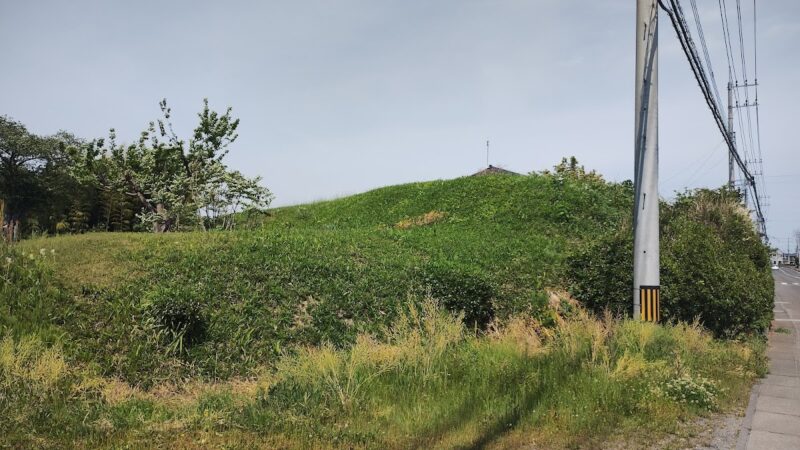
The greatest highlight of Shishido Castle is the remaining earthworks. The earthworks at the main keep site reach several meters in height and are a valuable relic demonstrating castle construction techniques from the medieval to early modern periods. Walking along the top of the earthworks allows visitors to experience the scale and defensive structure of the castle at that time.
The earthworks are well-preserved, and their lines are clearly visible even amidst the overgrown trees. Preservation and maintenance work by Kasama City ensures their value as a historical site.
Stone Monument and Information Board at Shishido Castle Site
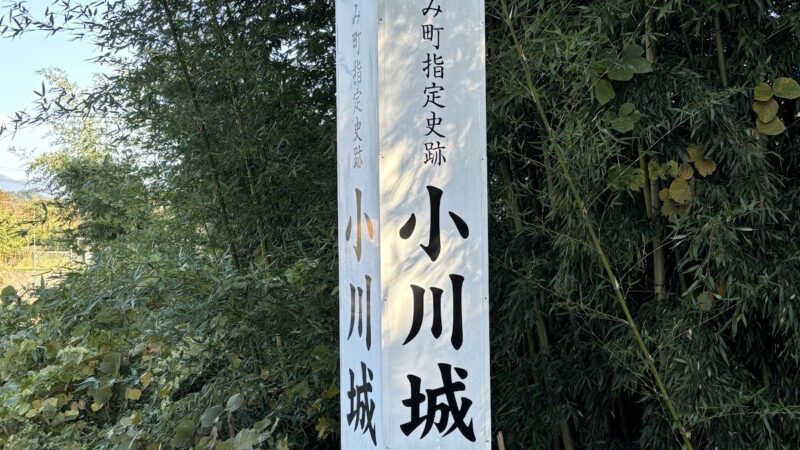
A stone monument marking the “Shishido Castle Earthworks” stands at the site of the main keep, making it a popular photo spot. An information board explaining the castle’s history is also installed, allowing first-time visitors to understand its history while exploring.
Surrounding Historical Landscape
Around the Shishido Castle site, remnants of the castle town remain, including streetscapes and place names. In the Hashizume district near the former jinya (fortified residence) site, areas believed to be former samurai residences can be seen, offering a historical walking experience.
Access to Shishido Castle
Access by Train and Bus
The nearest station is Tomobe Station on the JR Joban Line. From Tomobe Station, it takes approximately 15 minutes by Kasama City Loop Bus or taxi. If using the bus, the nearest bus stops are “Hiramachi” or “Hashizume.”
Access by Car
It’s approximately 10 minutes from the Tomobe Interchange on the Joban Expressway, and approximately 15 minutes from the Iwama Interchange. It’s easily accessible from National Route 355, and there are parking spaces nearby.
Parking Information
You can use the parking lot for visitors to Suehiro Inari Shrine. However, consideration must be given to avoid obstructing worshippers.
Nearby Tourist Attractions
Kasama Castle
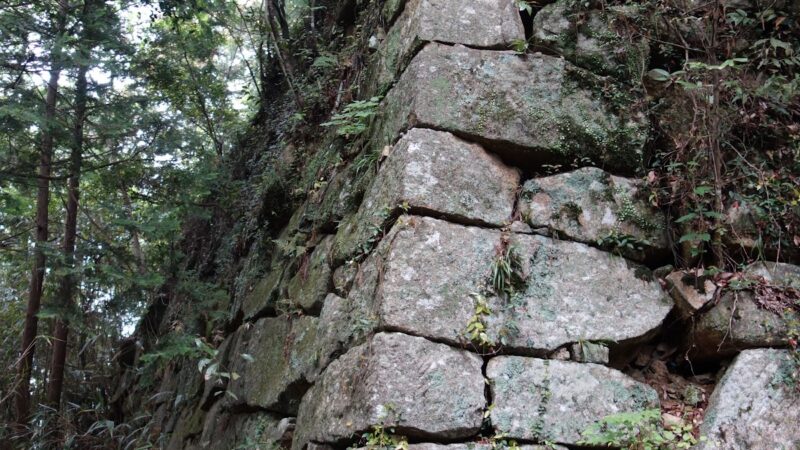
Located approximately 15 minutes by car from Shishido Castle, Kasama Castle was an important base in Hitachi Province from the medieval to the early modern period. The remains of the mountain castle are well-preserved, and you can see the stone walls and the remains of the castle tower. Visiting both Shishido Castle and Kasama Castle together will give you a deeper understanding of the castle history of Hitachi Province.
Kasama Inari Shrine
Kasama Inari Shrine, one of Japan’s three major Inari shrines, is a leading tourist spot in Ibaraki Prefecture, attracting 3.5 million visitors annually. Located about 20 minutes by car from Shishido Castle, it’s ideal for a visit in conjunction with a historical walk.
Kasama Art Forest Park
This cultural facility in Kasama City, famous for Kasama ware pottery, includes the Ibaraki Prefectural Ceramic Art Museum and Kasama Craft Hill. After touring the castle ruins, you can experience Kasama’s traditional crafts.
Points to Note When Visiting Shishido Castle
Estimated Visiting Time
For a visit to the Shishido Castle ruins, allow about 1 hour to see both the main keep and the encampment. If you want to carefully observe the remains and enjoy taking photographs, 1 hour and 30 minutes will allow for a more relaxed visit.
Precautions During Your Visit
The main keep site is within the grounds of Suehiro Inari Shrine, so please observe proper worship etiquette. The top of the earthworks can be uneven in places, so we recommend wearing comfortable shoes. Also, since the area around the former jinya (fortified residence) site is a residential area, please be considerate of the residents’ privacy during your visit.
Photo Spots
The main photo spots include the view from the top of the main keep’s earthworks, the Shishido Castle site monument, the cross-section of the earthworks, and the relocated jinya gate. Photos that convey the scale of the earthworks are particularly valuable for castle enthusiasts.
The Genealogy of the Shishido Clan and Hatta Tomoie
Indispensable to understanding Shishido Castle are its builder, Shishido Iemasa, and his father, Hatta Tomoie. Hatta Tomoie served as a close confidant of Minamoto no Yoritomo and was appointed governor of Hitachi Province. He gained attention for his appearance in the NHK Taiga drama “The 13 Lords of Kamakura.”
Iemasa, the fourth son of Tomoie, inherited the Shishido estate, adopted the name Shishido, and built a castle in this area, making it the family’s base. The Shishido family continued to reside in this castle for generations, maintaining their power as a prominent local lord in Hitachi Province. Some descendants of the Shishido family moved to Aki Province (present-day Hiroshima Prefecture) during the Sengoku period, serving the Mori clan as the Aki Shishido family.
The Hitachi Shishido family, after submitting to the Satake clan, moved to Akita when the Satake clan was transferred to Dewa Province, and continued as samurai of the Akita domain. Thus, the lineage of the Shishido family, originating from Shishido Castle, spread throughout eastern Japan.
Historical Significance of Shishido Castle
Shishido Castle was an important base in southern Hitachi Province for approximately 660 years, from the Kamakura period to the Meiji Restoration. As a medieval castle, Shishido Castle represents the power base of the Hatta clan and is a historical site that tells the story of the Kamakura Shogunate’s control system in Hitachi Province.
In the early modern period, while the castle lords changed hands between the Akita and Matsudaira clans, it consistently functioned as the political and economic center of the region. In particular, during the time when the Matsudaira clan ruled the Shishido Domain, as a branch of the Mito Tokugawa family, it played an important role in connecting the Mito Domain with the Edo Shogunate.
The remaining earthworks and other structures are valuable historical materials that show the changes in the castle from the medieval to the early modern period, and occupy an important position in the study of castle history in Ibaraki Prefecture.
Summary
Shishido Castle, located in Kasama City, Ibaraki Prefecture, is a flatland castle built in 1203 by Hatta Tomoie’s fourth son, Iemasa. It is a valuable historical site with a history of approximately 660 years, from the Kamakura period to the Meiji Restoration. The castle’s lords changed hands several times, from the Shishido clan to the Satake, Akita, and Matsudaira clans, and it functioned as an important base in southern Hitachi Province during each era.
Even today, the earthworks of the main keep and the remains of the encampment still exist and are preserved as a Kasama City designated historical site. The main keep site, where the Suehiro Inari Shrine is located, is a unique space where history and faith are intertwined, conveying to visitors the appearance of the castle from the medieval to early modern periods.
When visiting Kasama City, exploring the Shishido Castle ruins along with Kasama Castle and Kasama Inari Shrine will allow you to experience the rich history of Hitachi Province. This historical site is recommended not only for history buffs and castle enthusiasts, but also for anyone interested in the history of the region.