Complete Guide to the Yatabe Jinya Ruins (Ibaraki Prefecture): History, Highlights, and Access Information
The Yatabe Jinya Ruins, located in Tsukuba City, Ibaraki Prefecture, are a valuable historical site that preserves the appearance of Edo-period jinya (fortified residence) architecture. This place, which once flourished as the political and economic center of the Yatabe Domain, still retains its historical atmosphere and is cherished by history enthusiasts and local residents. This article provides a detailed overview of the Yatabe Jinya Ruins, from its historical background to its current state, highlights, and access information.
What are the Yatabe Jinya Ruins?
The Yatabe Jinya Ruins were the site of the Yatabe Domain’s administrative office during the Edo period. A jinya was a facility where the lord of a small domain without a castle conducted administrative affairs, and the Yatabe Domain was one such example. Located in the present-day Yatabe district of Tsukuba City, some of the original town layout and place names remain in the surrounding area.
Differences between Jinya and Castles
Unlike castles, Jinya are characterized by their simple structure, lacking defensive facilities such as stone walls and keeps. Due to the shogunate’s policy, domains below a certain size were not permitted to build castles and instead established Jinya. The Yatabe Jinya was built in a typical Jinya style and functioned as the center of domain administration.
History of the Yatabe Domain
Establishment of the Domain and the Hosokawa Family
The Yatabe Domain was established in 1619 (Genna 5) when Hosokawa Okimasa received a 10,000 koku (unit of rice production) fief. The Hosokawa family was a prestigious samurai family descended from Hosokawa Yusai, a famous general of the Sengoku period, and the Yatabe Domain was ruled by a branch family of the Hosokawa.
The first lord, Hosokawa Okimasa, was granted territory in Yatabe, Hitachi Province, for his service on the Eastern Army side in the Battle of Sekigahara. From then until the Meiji Restoration, the Hosokawa family continued to rule Yatabe for approximately 250 years. ### Size and Governance of the Domain
The Yatabe Domain was a small domain with a 10,000 koku (unit of rice production) yield, but its proximity to Edo (present-day Tokyo) necessitated a keen response to the shogunate’s policies. The domain’s territory was centered around the southern part of present-day Tsukuba City, and its economy was based on agriculture.
The lord of the domain performed the sankin-kotai system (alternate attendance system), traveling between Edo and Yatabe. The domain’s administration was conducted at the domain’s headquarters, primarily by the chief retainers. While the domain’s finances were not particularly wealthy, its steady and frugal administration allowed it to survive until the end of the Edo period.
Achievements of Successive Lords
Among the successive lords of the Yatabe Domain, the fifth lord, Hosokawa Okisada, is particularly noteworthy. Okisada encouraged learning and dedicated himself to establishing a domain school. He also worked on agricultural reforms, promoting new land development and flood control projects, thereby strengthening the domain’s financial base.
During the turbulent Bakumatsu period, the 10th lord of the domain, Hosokawa Okitsura, led the domain and protected it through a cautious diplomatic policy. During the Boshin War, he sided with the new government, and even after the Meiji Restoration, he sought to ensure the domain’s survival.
Structure and Layout of the Yatabe Jinya
Size of the Jinya
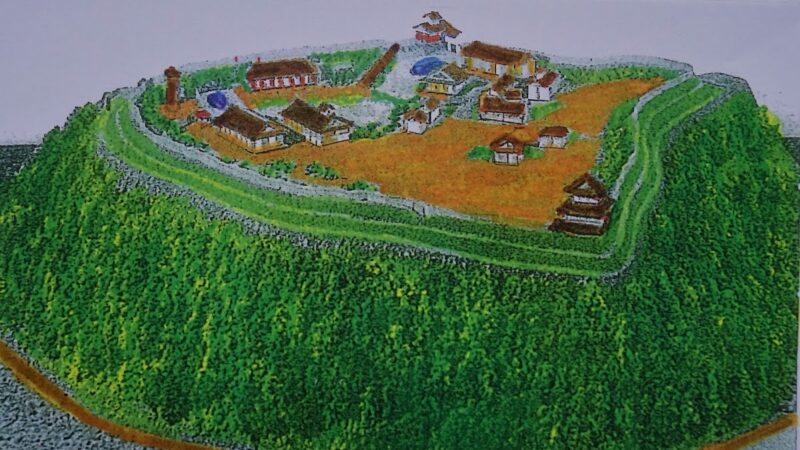
The Yatabe Jinya was a relatively large jinya (fortified residence) with a site of approximately 20,000 square meters. It was surrounded by a moat and had simple defensive structures made of earthen ramparts.
Within the jinya, there was the lord’s residence (Goten), offices for administrative affairs, staff quarters for samurai, and a rice storehouse. The Goten was an elegant sukiya-style building, and records indicate that a garden was also maintained.
Layout of Main Facilities
At the center of the jinya was the Omote-Goten (front palace), where the lord met with retainers and held official ceremonies. Behind it was the Oku-Goten (inner palace), which served as the lord’s private living space.
On the east side were government offices, where officials such as the accounting magistrate and district magistrate handled the practical affairs of the domain’s administration. On the west side were rows of warehouses, including armories and rice granaries, while on the north side stood the samurai residences.
Gardens and Landscape
Within the jinya (fortified residence) grounds, a strolling garden was constructed, featuring a pond, artificial hills, and a tea house. The garden is said to have been designed by a gardener from Kyoto and was known as a renowned garden where visitors could enjoy the beauty of each season.
The cherry blossoms in spring and the autumn leaves were particularly beautiful, and the lord of the domain held poetry gatherings and tea ceremonies in the garden, engaging in cultural activities.
Current Status of the Yatabe Jinya Site
Current State of Remains
After the Meiji Restoration, the Yatabe Jinya was abolished, and many of the buildings were demolished. Currently, part of the jinya site is a park, school, and residential area, with only limited remains preserving the former appearance.
However, remnants of the moat surrounding the encampment and traces of the earthworks remain, allowing us to imagine its scale at the time. Furthermore, the place names and road layouts around the encampment site show traces of the Edo period town planning.
Historic Site Designation and Preservation Status
The Yatabe Encampment Site is protected as a designated cultural property of Tsukuba City. Excavations conducted by the city’s board of education have uncovered artifacts that reveal the layout of the encampment buildings and the lifestyle of its inhabitants.
The excavations have yielded ceramics, roof tiles, and building materials, providing valuable information about the living standards and construction techniques of the time. Some of these unearthed items are on display at a museum in Tsukuba City.
Memorial Monument and Information Board
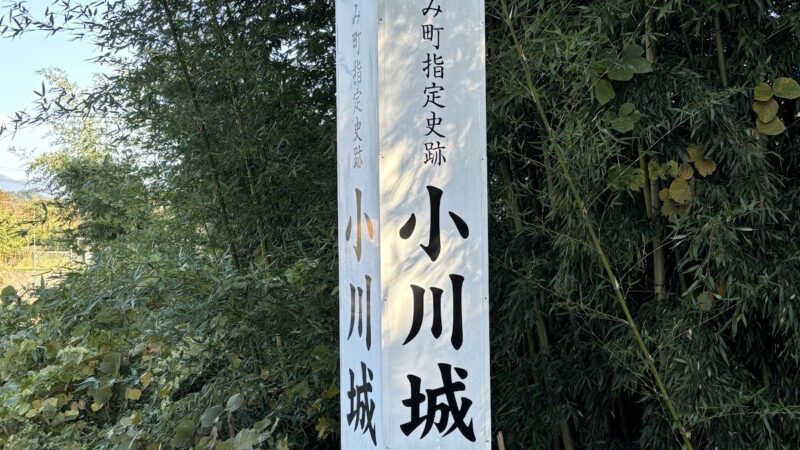
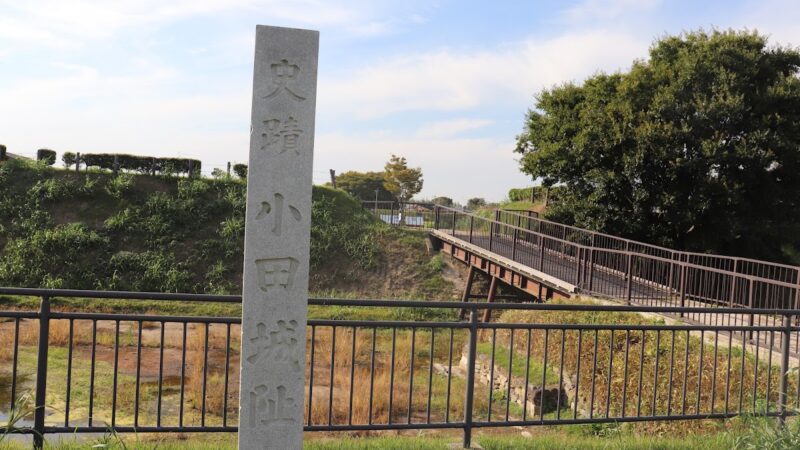
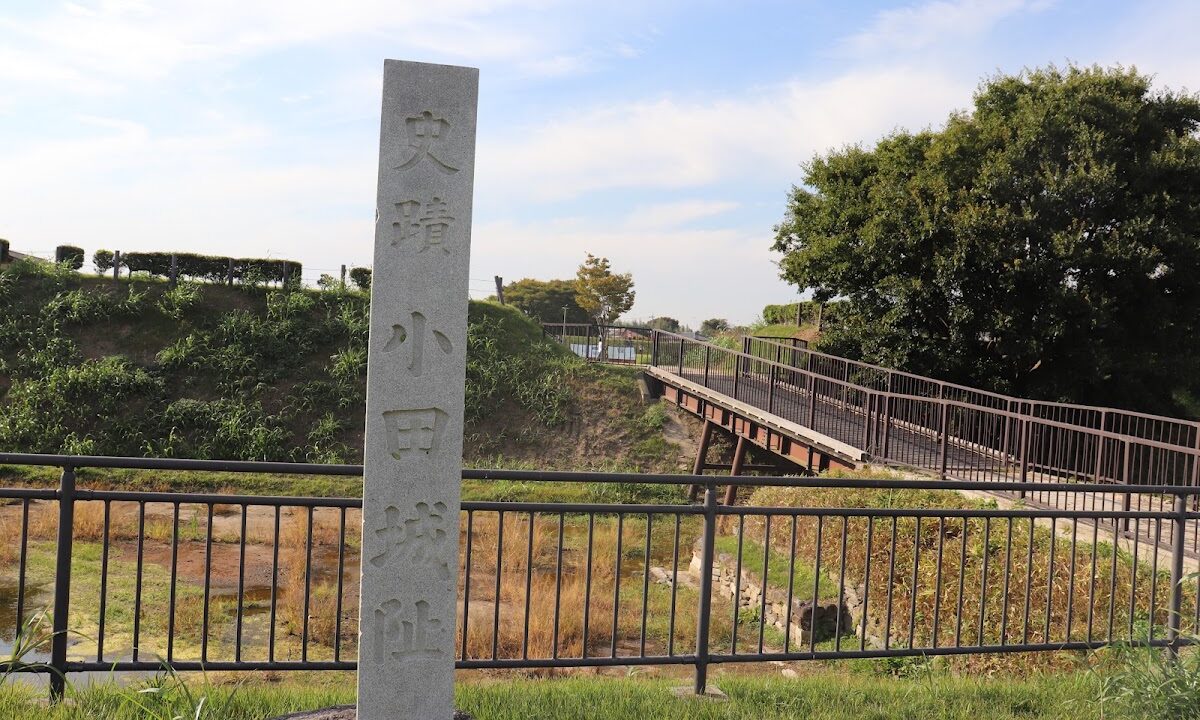
A stone monument marking the Yatabe Encampment Site has been erected at the encampment site, along with a simple information board. It serves as a landmark for local residents and history enthusiasts visiting the site.
The explanatory sign includes information on the history and layout of the encampment, as well as the genealogy of the Hosokawa family, ensuring visitors can learn about history.
Highlights of the Yatabe Encampment Site
Moat and Earthworks
The most clearly remaining structures at the encampment site are the moat and earthworks. Traces of the moat can still be seen in some sections, and the rise of the earthworks can also be observed. These are important clues to understanding the scale and structure of the encampment.
The moat is estimated to have been approximately 5 meters wide and 2 meters deep, and is thought to have served more as a demarcation point than as a defensive feature.
Encampment Site Park
Part of the encampment site has been developed into a park, serving as a place of relaxation for local residents. Cherry trees are planted in the park, making it a popular spot for cherry blossom viewing in spring.
The park features gazebos and benches, creating a suitable environment for strolling and resting. It is a valuable space where one can spend time leisurely while feeling the weight of history.
Surrounding Historical Buildings
Around the site of the former Jinya (fortified residence), temples and shrines dating back to the Edo period and old townscapes remain. In particular, the central area of the Yatabe district is dotted with buildings that retain the appearance of former merchant houses and samurai residences.
Nearby temples preserve tombs and donated cultural artifacts related to the Hosokawa family; visiting these together will allow for a deeper understanding of the history of the Yatabe domain.
History Reflected in Place Names
Around the Jinya site, place names related to the Jinya and samurai society, such as “Goten” (palace), “Baba” (horse riding ground), and “Samurai-machi” (samurai town), still remain. Tracing these place names allows us to imagine the structure and function of the town at that time.
Access to the Yatabe Jinya Site
Access by Public Transportation
By Train and Bus
The nearest station is Tsukuba Station on the Tsukuba Express line. From Tsukuba Station, take a Kanto Railway bus and get off at the “Yatabe” bus stop. The Jinya site is approximately a 5-minute walk from there.
It’s about a 20-minute bus ride from Tsukuba Station, with a fare of around 300 yen one way. Buses run approximately 2-3 times per hour.
Access from the JR Joban Line
You can also access the site from JR Joban Line’s Ushiku Station via Kanto Railway bus. Take the bus bound for “Tsukuba Center” from the east exit of Ushiku Station and get off at the “Yatabe” bus stop. The journey takes approximately 25 minutes.
Access by Car
Using the Expressway
It’s about a 5-minute drive from the Joban Expressway’s Yatabe Interchange, or about a 15-minute drive from the Sakura-Tsuchiura Interchange.
Located along National Route 408, it’s also accessible from Tokyo via National Route 6. The journey from central Tokyo takes about 1 hour.
Parking Information
There is no dedicated parking lot around the Jinya Ruins, but you can use the parking lots of nearby public and commercial facilities. Please avoid street parking and use appropriate parking facilities.
Combining with Nearby Sightseeing
Visiting the Yatabe Jinya Ruins in combination with other sightseeing spots in Tsukuba City is highly recommended. There are numerous nearby attractions combining science and nature, such as Mount Tsukuba, the JAXA Tsukuba Space Center, and the Tsukuba Expo Center.
After enjoying a historical stroll, visiting Tsukuba City’s latest science facilities creates a fulfilling sightseeing course where you can experience the contrast between history and the future.
Points to Note and Manners When Visiting
Precautions When Visiting
Since parts of the Jinya Ruins are private property and residential areas, please be careful not to enter restricted areas. Please try to visit only within the areas that are open to the public.
The remains are deteriorating due to age, so please do not forcibly enter or touch the earthworks or moat remains. Careful action is required from the perspective of cultural property protection.
Regarding Photography
Photography of the Jinya Ruins and surrounding areas is generally permitted, but consideration is necessary if residential areas or private property are included. Please be considerate of residents’ privacy and do not photograph on private property without permission. ### Best Time to Visit
While the Yatabe Jinya Ruins are open year-round, spring and autumn are particularly recommended. Spring brings beautiful cherry blossoms, and autumn offers stunning autumn foliage and pleasant weather, making it ideal for strolling.
In summer, be sure to take precautions against the heat; in winter, take precautions against the cold to ensure a comfortable visit.
The Yatabe Domain’s Relationship with the Region
Impact on the Local Economy
The existence of the Yatabe Domain had a significant impact on the local economy. Merchants and artisans gathered around the Jinya (fortified residence), forming a townscape reminiscent of a castle town. A market selling rice, vegetables, and daily necessities was established, becoming a center of trade with surrounding farming villages.
Due to the domain’s demands, industries such as sake brewing, soy sauce brewing, and textiles developed, some of which became the origins of long-established companies that continue to this day.
Promotion of Education and Culture
Despite being a small domain, the Yatabe Domain focused on education, establishing a domain school to teach the children of samurai. The domain emphasized Confucianism, along with martial arts and practical studies, fostering the development of outstanding talent.
Furthermore, the lord himself was a cultured individual, enjoying waka poetry and the tea ceremony, contributing to the improvement of the region’s cultural standards. Poetry gatherings hosted by the lord invited cultural figures from neighboring areas, serving as a venue for cultural exchange.
Passing on to the Modern Era
The Yatabe Jinya (fortified residence) site is cherished as a symbol of the region’s identity. Local elementary and junior high schools provide opportunities to visit the site as part of their local history education, learning about the region’s history.
Every year, local residents hold history lectures and historical site tours, continuing activities to pass on the history of the Yatabe domain to future generations.
Future Prospects for the Yatabe Jinya Site
Challenges in Preservation and Utilization
There are several challenges in preserving and utilizing the Yatabe Jinya site. Because much of the remains are buried beneath residential areas and public facilities, full-scale excavation and restoration are difficult.
However, Tsukuba City recognizes the importance of the Yatabe Jinya ruins within its cultural property protection plan and is promoting their preservation and utilization to the extent possible.
Potential as a Tourism Resource
Tsukuba City is known as a city of science, but by adding elements of historical tourism, it can showcase a wider range of attractions. New forms of tourism are being explored, such as developing historical walking routes centered around the Yatabe Jinya ruins and recreating the past using AR technology.
Contribution to Regional Development
Contributions to regional development are also expected, such as holding local events utilizing the Jinya ruins and developing products with a history theme. By creating a unique charm that blends history and modernity, it has the potential to attract tourists and revitalize the region.
Summary
The Yatabe Jinya ruins are a valuable historical site that conveys the history of a small Edo period domain. As the center of the Yatabe Domain, which was ruled by the Hosokawa family for approximately 250 years, it was a center of politics, economy, and culture.
Although much of the original structure has been lost, traces of the past remain in the form of moats, earthworks, and place names. Protected as a cultural property of Tsukuba City, it is cherished by local residents and history enthusiasts.
With easy access via the Tsukuba Express and Joban Expressway, a visit combined with Tsukuba City’s science tourism is highly recommended. Through a historical walk, you can learn about the realities of local governance during the Edo period and the way this small domain was rooted in its local community.
Visiting the Yatabe Jinya Ruins will allow you to uncover a lesser-known historical side of Tsukuba, the city of science, and gain a deeper understanding of the region. Experience the charm of Tsukuba City, where history and modernity coexist, firsthand.