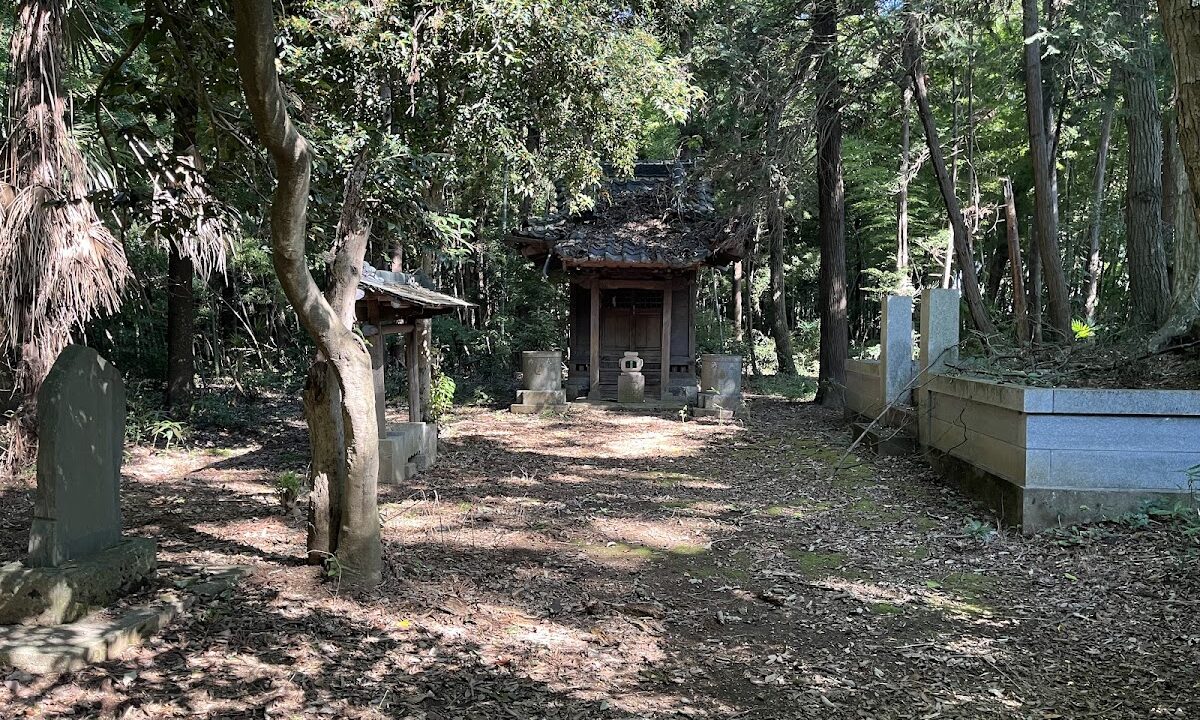
Jōnouchi Castle Ruins (Omitama City, Ibaraki Prefecture): Complete Guide to History, Structure, and Access
What are Jōnouchi Castle Ruins?
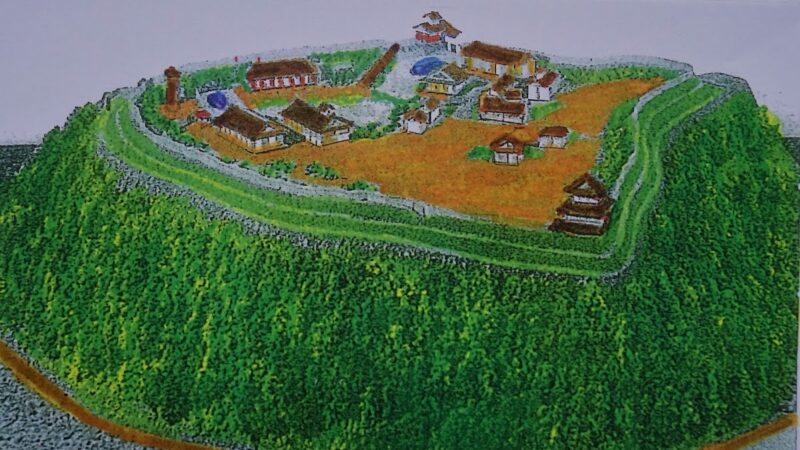
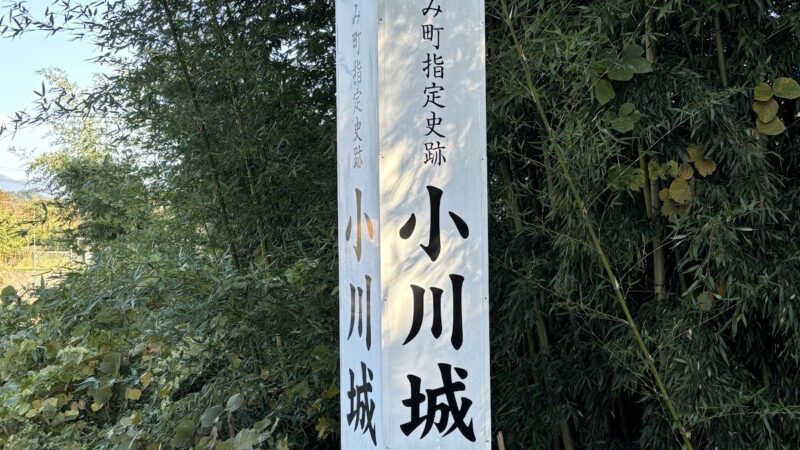
Jōnouchi Castle Ruins are the remains of a medieval castle located in the Tamasato district of Omitama City, Ibaraki Prefecture. In the “Comprehensive Survey of Medieval Castle Ruins in Ibaraki Prefecture,” conducted by the Ibaraki Prefectural Board of Education from 2018 to 2022, it was identified as one of 1135 castle ruins within the prefecture. 35 castle ruins have been confirmed within Omitama City, and Jōnouchi Castle Ruins is one of the representative historical sites in the Tamasato district.
Medieval Ibaraki Prefecture was a region where many powerful clans, including the Satake clan (who later became a major Sengoku daimyo), the Daijō clan, the Edo clan, and the Oda clan, held sway. Jōnouchi Castle Ruins are positioned as an important historical site that tells the story of this medieval Hitachi Province.
Historical Background of the Jōnouchi Castle Ruins
Castle Culture of Medieval Hitachi Province
Ibaraki Prefecture is known as a region where numerous castles were built during the medieval period. This is because Hitachi Province was a strategically important location in eastern Japan, and after the establishment of the Kamakura Shogunate, it was a region where samurai groups from the Kanto region were actively operating.
From the late Heian period to the Kamakura period, the Ōjō clan, a branch of the Taira clan, held power in Hitachi Province, with their base in Fuchū (present-day Ishioka City) and branch castles in the surrounding area. From the Muromachi period to the Sengoku period, the Satake clan gradually expanded their power, eventually bringing almost the entire Hitachi Province under their control.
Construction Period and Lord of the Jōnouchi Castle Ruins
Currently, there are no clear historical records confirming the specific construction period or lord of the Jōnouchi Castle Ruins. However, based on the place name and its relationship to surrounding castle ruins, it is highly likely that it was built in the late medieval period (from the Muromachi period to the Sengoku period).
In the Tamasato district of Omitama City, in addition to the Jōnouchi Castle ruins, numerous other castle ruins have been confirmed, including Iizuka Castle, Tateyama Castle, Atago Castle, Yōgai Castle, Fujimine Castle, Komatsu Castle, Katsuragi Castle, Torideyama Castle, Harayama Castle, Tonozuka Castle, and Kasamatsu Castle, indicating that this region was an important base during the medieval period.
Relationship with Surrounding Castles
To the east of the Jōnouchi Castle ruins lies the Takehara Castle ruins. Takehara Castle was a branch castle of Fuchu Castle (Ishioka City) of the Ōjō clan, and is known to have been built in Takehara in 1459 by Takehara Shiro Yoshikuni, the younger brother of Fuchu Ōjō Taira no Sadakuni. Furthermore, to the north is Ogawa Castle, recorded as a flatland castle where the Shimokawabe and Sonobe clans served as lords.
It is thought that these castles cooperated with each other, forming a defense network in southern Hitachi Province. The Jōnouchi Castle ruins may also have played a part in this castle network. ### Trends in the Sengoku Period
During the late Sengoku period, the Satake clan expanded its power in Hitachi Province. After Toyotomi Hideyoshi’s siege of Odawara in 1590, they brought most of Hitachi Province under their control. In this process, local forces such as the Daijo and Edo clans either became subordinate to the Satake clan or met their demise.
When the Satake clan was transferred to Akita in 1602, Tokugawa Yorifusa, son of Tokugawa Ieyasu, took control of Mito, establishing the Mito Domain. As a result, many castles and fortifications around Omitama City were abandoned, and it is presumed that the Jōnouchi Castle site also ended its historical role around this time.
Structure and Characteristics of the Jōnouchi Castle Site
Location
The Jōnouchi Castle site is located on a plateau formed in the basin of a river flowing into Lake Kasumigaura. This topography is typical of medieval castle sites, utilizing the natural terrain as a defensive structure by using the edge of the plateau. The topography of Omitama City consists of hilly areas extending from the Yamizo Mountains in the north and plateaus that gently slope towards Lake Kasumigaura in the south. The Jōnouchi Castle site was built on a relatively flat plateau within this topography, and it may have functioned as a base for agricultural production.
Current Status of Remains
Currently, clear remains of the Jōnouchi Castle site are difficult to confirm on the ground surface. Like many medieval castle sites, defensive structures such as earthworks and moats may have been lost or significantly altered due to years of cultivation and development.
Many medieval castle sites in Ibaraki Prefecture are now cultivated land, residential areas, or forests, and the Jōnouchi Castle site is no exception. However, it is possible to estimate the former extent and structure of the castle by observing place names and microtopography.
Scale and Layout
While detailed surveying is necessary to determine the exact scale of the Jōnouchi Castle site, the place name “Jōnouchi” (meaning “inside the castle”) confirms the existence of a castle of a certain size. Medieval manor sites vary in size, from single enclosures to those with multiple enclosures. However, for the residences of local powerful families, a typical size was approximately 50-100 meters east-west and 50-150 meters north-south.
Considering that similar castle sites in the vicinity, such as Tsuruta Castle, measured 114 meters east-west and 216 meters north-south, it is possible that the inner manor site was of a similar size.
Estimated Defensive Structures
Medieval manor sites typically had the following defensive structures:
Earthworks: Defensive walls constructed by piling up earth, built to surround the manor. They were typically 2-3 meters high.
Moats: Ditches dug around the manor, used in combination with earthworks to enhance defense. Both water moats and dry moats existed, and their use depended on the terrain and water supply conditions.
Tiger’s Mouth (Entrance/Exit): This was the entrance to the castle, a weak point in defense, so measures such as staggered earthworks were implemented.
It is believed that these facilities also existed at the castle’s inner residence site, but confirmation is difficult at present.
Current Status of the Castle’s Inner Residence Site
Preservation Status
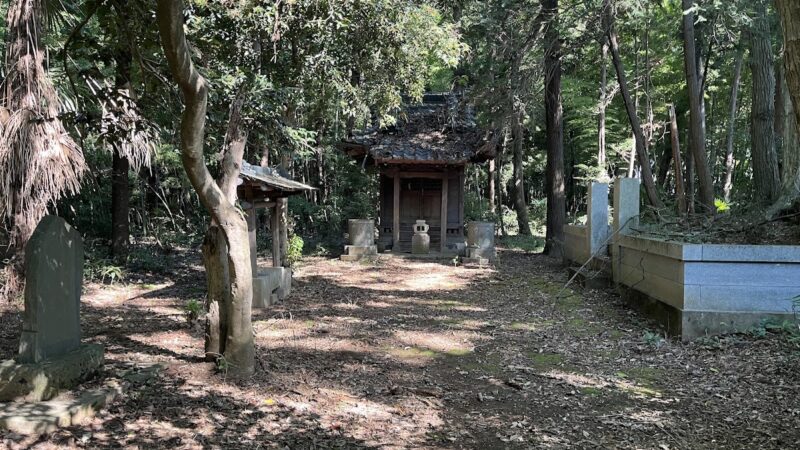
The castle’s inner residence site is not currently designated as a historical site and is likely to be privately owned. Many medieval castle sites in Ibaraki Prefecture are not publicly accessible and are mostly privately owned.
In Omitama City, sites such as Takehara Castle and Iizuka Castle are designated as city historical sites and certain preservation measures are in place, but no special protective measures have been confirmed for the castle’s inner residence site at present.
Visiting Information
When visiting the castle’s inner residence site, please note the following:
- Consideration for Private Property: Many castle sites are privately owned, so unauthorized entry should be avoided.
- Protection of Historical Remains: Even if clear remains are not visible, important remains may still exist underground.
- Safety Assurance: When visiting cultivated fields or forests, please ensure you are wearing appropriate clothing and equipment.
As a Local Historical Learning Resource
The Jōnouchi Castle Ruins are an important resource for learning about the history of Omitama City. Omitama City promotes historical learning utilizing cultural properties and historical sites within the city, and the Jōnouchi Castle Ruins are positioned as one such resource.
The city’s public relations magazine and official website regularly disseminate information on cultural properties, including castle ruins within the city, and efforts are being made to increase local residents’ interest in history.
Other Castle Ruins in Omitama City
Takehara Castle Ruins
Takehara Castle Ruins are a flatland castle located in Takehara, Omitama City, and are designated as a city historical site. It was built as a branch castle of the Ōjō clan, and Takehara Shiro Yoshikuni served as its lord. Even today, parts of the earthworks and moats remain, and the site is maintained as a historical site that can be visited together with the Haguro Kofun (ancient burial mound).
Information boards are installed at the Takehara Castle ruins, and it can be accessed on foot from the Eifukuji Temple parking lot and the Haguro Kofun parking lot. Located at the tip of the Takehara tongue-shaped plateau, it features a layout that takes advantage of the surrounding terrain.
Ogawa Castle (Ogawa Castle) Ruins
Ogawa Castle was a flatland castle located in Ogawa, Omitama City, and is also known as Sonobe Castle. It is believed to have been built by Shimokawabe Masahira during the Kenkyu era (1190-1199), and subsequently, the Sonobe clan, Oda clan, and others served as castle lords.
During the time of the Satake clan, their vassal Mogi Chikugo-no-kami Haruyoshi became the castle lord, and after the Satake clan was transferred to Akita, Tozawa Masamori took up residence. When the Tozawa clan moved to Matsuoka Castle, it became part of the Mito Domain and was abandoned. Currently, Ogawa Elementary School, a municipal school in Omitama City, stands on the site. While no remains of the castle exist, a stone monument has been erected.
Iizuka Castle Ruins
Iizuka Castle Ruins are a hilltop castle located in the Iizuka district of Kamitamari, Omitama City, and are designated as a city historical site. The remains of earthworks, baileys, and moats are relatively well-preserved, making it a valuable historical site for understanding the structure of medieval castles.
Katakura Fort Ruins
Katakura Fort is a defensive fort located in Katakura, Omitama City, built in 1585 by Edo Shigemichi. Remains of earthworks and dry moats remain, and an explanatory sign has been installed. It is noteworthy as a military facility reflecting the tense situation of the late Sengoku period.
Tachikai Castle Ruins
Tachikai Castle Ruins are a hilltop castle located around Kyoshinji Temple in Kamiyoshikage, Omitama City, and are designated as a city historical site. Built on a hill 20 meters above sea level, the remains of earthworks and moats have been confirmed.
About the Comprehensive Survey of Medieval Castle Sites in Ibaraki Prefecture
Survey Overview
The Ibaraki Prefectural Board of Education conducted the “Comprehensive Survey of Medieval Castle Sites in Ibaraki Prefecture” from fiscal year 2018 to 2022. The purpose of this survey was to understand the actual state of medieval castle sites located within the prefecture and to clarify their historical value.
As a result of the survey, the location of 1,135 castle sites was confirmed within the prefecture. 35 sites were confirmed within Omitama City, and the castle site within Omitama City is recorded as one of them.
Significance of the Survey
This comprehensive survey revealed the distribution and characteristics of medieval castle sites, which had not been fully understood until now. It reaffirmed how many castles were built in Ibaraki Prefecture during the medieval period.
The survey results are expected to be utilized in future cultural property protection administration, historical research, and local history education.
Results in Omitama City
In Omitama City, this survey identified 35 castle and fortification sites. Considering the size of the city, this is a remarkably high density of sites, indicating the important role this region played during the medieval period.
The identified castle and fortification sites range from those designated as historical sites to those where no remains are visible on the surface. However, all are considered valuable resources that tell the story of the region’s history.
Access and Surrounding Area Information
Access to the Castle Ruins
Public Transportation:
- The nearest stations are Ishioka Station or Hatori Station on the JR Joban Line.
- From the station, you will need to take a bus or taxi.
- It is also accessible from Ibaraki Airport, about 15-20 minutes by car.
Private Car:
- About 10 minutes from the Ishioka-Omitama Smart Interchange on the Joban Expressway.
- Accessible via a prefectural road from National Route 6.
- There is no dedicated parking area, so please use nearby public facilities or be careful not to park on the street.
Nearby Tourist Attractions
Ibaraki Airport:
A representative facility of Omitama City, where you can see planes taking off and landing up close from the observation deck. The airport terminal also has shops and restaurants selling local specialties.
Haguro Kofun:
An ancient burial mound adjacent to the Takehara Castle Ruins, estimated to be the tomb of a powerful clan that ruled this region around the 5th-6th centuries. It is well-preserved as a keyhole-shaped burial mound and is recommended for those interested in ancient history. Omitama City Shiki Bunka-kan (Minore):
This is a city cultural facility that exhibits on local history and culture. It may also house materials related to castle ruins.
Lake Kasumigaura:
This is Japan’s second-largest lake, located in the southern part of Omitama City. Cycling, fishing, and birdwatching can be enjoyed along the lakeshore.
Nearby Accommodations
Omitama City and the neighboring cities of Ishioka and Kasumigaura have various accommodations including business hotels, inns, and guesthouses. Accommodation is also available around Ibaraki Airport, making it a convenient base for exploring castle ruins.
Food and Gourmet
Omitama City is a thriving agricultural area, particularly known for its high egg production. “Omitama Eggs” are a local specialty, and many restaurants serve dishes using fresh eggs.
You can also enjoy dishes made with seafood from Lake Kasumigaura. Lake fish dishes such as smelt, icefish, and carp are popular as traditional local flavors.
Points for Visiting Castle Ruins
Preparation
When visiting castle ruins, it is recommended to prepare the following:
- Map and GPS: Castle ruins often lack clear signage, so a detailed map and a smartphone with GPS functionality will be helpful.
- Appropriate Clothing: Since you may be walking through cultivated fields and forests, choose clothing that you don’t mind getting dirty and comfortable walking shoes.
- Checking Materials: Checking information on the city’s official website or public relations materials beforehand will allow for a more efficient visit.
- Camera: A camera is useful for documenting the ruins and taking pictures of the surrounding scenery.
Manners and Precautions
- Consideration for Private Property: Many castle ruins are on private property. Do not trespass; obtain permission from the owner.
- Protection of Historical Structures: Please be careful not to damage historical structures such as earthworks and moats.
- Take Your Trash Home: To protect the natural environment and historical sites, please be sure to take your trash home with you.
- Ensure Safety: The ground can be slippery, especially in rainy weather and winter. Please avoid unnecessary actions.
Efficient Visiting Routes
To efficiently visit the castle ruins in Omitama City, the following routes are recommended:
Half-Day Course:
Takehara Castle Ruins (Haguro Kofun) → Shiro-no-uchi Castle Ruins → Iizuka Castle Ruins
Full-Day Course:
Ogawa Castle Ruins → Katakura Fort Ruins → Takehara Castle Ruins (Haguro Kofun) → Shiro-no-uchi Castle Ruins → Iizuka Castle Ruins → Tachikai Castle Ruins
If you use a private car, it is possible to visit all of these castle ruins in one day.
Castle Ruins and Local History Learning
Use in School Education
In elementary and junior high schools in Omitama City, castle ruins are used as teaching materials in lessons on local history. Visiting historical sites in person allows for learning with a sense of reality that cannot be obtained from textbooks alone.
The Castle Ruins can also be an important teaching material for learning about the region’s medieval history. The word “Castle Ruins,” which remains in the place name, allows us to imagine that a residence once stood here and to consider the lives of the people and the social structure of that time.
Lifelong Learning and Historical Exploration
Omitama City holds history lectures and historical site tours for citizens. Through these activities, understanding of local history deepens and awareness of cultural property preservation increases.
Visiting familiar historical sites like the Castle Ruins is also important for fostering attachment to the region. Knowing the history of the area where one lives contributes to the formation of regional identity.
The Potential of Digital Archives
In recent years, the digital archiving of cultural properties has been progressing. Regarding castle ruins, efforts are underway in various locations to meticulously document their current state using technologies such as drone aerial photography and 3D scanning.
If records of inner castle ruins are created using similar technologies in the future, more people will be able to understand the value of these historical sites and raise awareness of their preservation.
Future Prospects and Challenges
Balancing Preservation and Utilization
The preservation and utilization of medieval castle ruins, including inner castle ruins, is a crucial challenge for the future. To maintain their value as historical sites while utilizing them for local history education and tourism, an appropriate preservation and management plan is necessary.
On the other hand, many castle ruins are on private land, requiring coordination with the owners’ lifestyles and land use. For castle ruins that have not received official historical site designation, it would be realistic to implement lenient protective measures while obtaining the understanding and cooperation of the owners.
Deepening Research and Study
Sufficient research and study have not yet been conducted on inner castle ruins. Further archaeological excavations and documentary research may reveal more detailed information about the castle’s construction period, its lord, and the structure of the residence.
In particular, comprehensive research is expected regarding its relationship with surrounding castle ruins and its position within medieval Hitachi Province.
Collaboration with the Local Community
The understanding and cooperation of local residents are essential for the preservation and utilization of castle ruins. It is important to share the value of castle ruins as a regional historical resource and for the entire community to work together on protection activities.
In Omitama City, a system is being established where citizens and the administration cooperate in cultural property protection. It is expected that the Jōnouchi Residence Ruins will also be appropriately preserved and utilized within this framework.
Summary
The Jōnouchi Residence Ruins are a medieval castle ruin located in Omitama City, Ibaraki Prefecture, and are an important historical site that tells the story of the region’s history. While it is difficult to confirm clear remains today, the site is recorded as one of 1135 castle sites in Ibaraki Prefecture in the “Ibaraki Prefecture Comprehensive Survey of Medieval Castle Sites,” recognizing its historical value.
Within Omitama City, 35 castle sites have been identified, and the Jōnouchi Castle Site is one of the representative historical sites in the Tamasato area. Numerous other castle sites, such as Takehara Castle, Ogawa Castle, and Iizuka Castle, are located in the surrounding area, and visiting these together will allow for a deeper understanding of the history of medieval Hitachi Province.
When visiting castle sites, please be mindful of respecting private property, protecting the remains, and ensuring safety, while reflecting on the history of the region. Even in areas that are now farmland or forests, people once lived and history was etched into them.
Medieval castle sites in Ibaraki Prefecture are valuable resources for understanding Japanese medieval history. The Jōnouchi Castle Site is one such example, and further research, appropriate preservation, and utilization are anticipated. If you’re interested in local history, be sure to visit Omitama City and explore historical sites, including the ruins of the castle’s inner sanctuary.