Igiyama Castle (Gifu Prefecture) Complete Guide: The Story of Oda Nobunaga’s Mino Campaign Base and Igi Tadatsugu
What is Igiyama Castle?
Igiyama Castle (Igiyama-jo) is a mountain castle located in Koigi 4-chome, Kakamigahara City, Gifu Prefecture, dating from the Sengoku period to the Azuchi-Momoyama period. Built on the summit of Mt. Igiyama, at an altitude of 173 meters and a relative height of 113 meters, this castle is known as a historical base that served as an important foothold for Oda Nobunaga’s campaign to conquer Mino Province.
Currently, it has been developed as “Igi no Mori,” a recreational area with hiking trails and observation decks, making it popular not only with history buffs but also with many visitors who enjoy nature. The view overlooking the Kiso River, and offering panoramic views of Inuyama Castle and Komakiyama Castle, conveys the scenery that the warlords of the Sengoku period once saw.
History of Igiyama Castle
Oda Nobunaga and the Conquest of Mino
An essential part of understanding the history of Igiyama Castle is Oda Nobunaga’s conquest of Mino Province. From 1561 to 1565, Nobunaga successively seized key strategic points in the surrounding area in order to conquer Saito Tatsuoki of Mino Province.
Igiyama was a strategically important location along the Kiso River, and a crucial base for attacking Saito’s Unuma Castle and Sarutaki Castle. In 1565, Oda Nobunaga captured Igiyama, which was defended by Saito, and had a fort built there. This conquest allowed Nobunaga to successfully gain a foothold for his invasion of Mino.
The Birth and Achievements of Igi Tadatsugu
The most interesting episode in the history of Igiyama Castle is the birth of Igi Tadatsugu. The warrior, originally named Kagawa Chōbei (or Kagawa Seibei), served in Oda Nobunaga’s campaign against Mino Province and achieved remarkable military success in the capture of Igiyama.
Recognizing his achievements, Oda Nobunaga bestowed upon Kagawa Chōbei the surname “Igi” and permitted him to build a castle in this area. Thus, Kagawa Chōbei changed his name to Igi Tadatsugu and became the lord of Igiyama Castle. This event is recounted as a symbolic example of the samurai’s honor in the Sengoku period, where a surname was bestowed upon a warrior for their achievements.
Relationship with the Ikeda Family and His Achievements
Igi Tadatsugu later served Ikeda Tsuneoki, a senior retainer of Oda Nobunaga. As a chief retainer of the Ikeda family, Tadatsugu greatly contributed to their development.
In the Battle of Komaki and Nagakute in 1584, Igi Tadatsugu fought alongside Ikeda Tsuneoki, but Ikeda Tsuneoki was killed in action. However, Igi Tadatsugu remained loyal to the Ikeda family and continued to support Tsuneoki’s son, Ikeda Terumasa.
Himeji Castle Construction and Role as a Senior Retainer of the Ikeda Family
After the Battle of Sekigahara, Ikeda Terumasa became the daimyo of Himeji in Harima Province with a domain of 520,000 koku, and undertook a major renovation of Himeji Castle. Igi Tadatsugu played a crucial role as the construction magistrate of Himeji Castle, contributing to the foundation of the current Himeji Castle.
Igi Tadatsugu’s sons also served the Ikeda family, and the Igi family continued to serve as senior retainers of the Ikeda family for generations. Thus, the history of the Igi family, which began at Igiyama Castle, continued throughout the Edo period.
Abandonment of Igiyama Castle
Igiyama Castle is believed to have been abandoned around 1591. It is presumed that the castle’s role ended when the Ikeda family was transferred from Mino Province. Its nature as a mountain castle from the Sengoku period, making it unsuitable for peacetime governance, was likely one of the reasons for its abandonment.
Layout and Remains of Igiyama Castle
Castle Structure
Igiyama Castle is a typical Sengoku period mountain castle, built primarily on the summit of Mount Igiyama. It featured a defensive structure that utilized the steep terrain, with the Kiso River, a natural moat, located to the south.
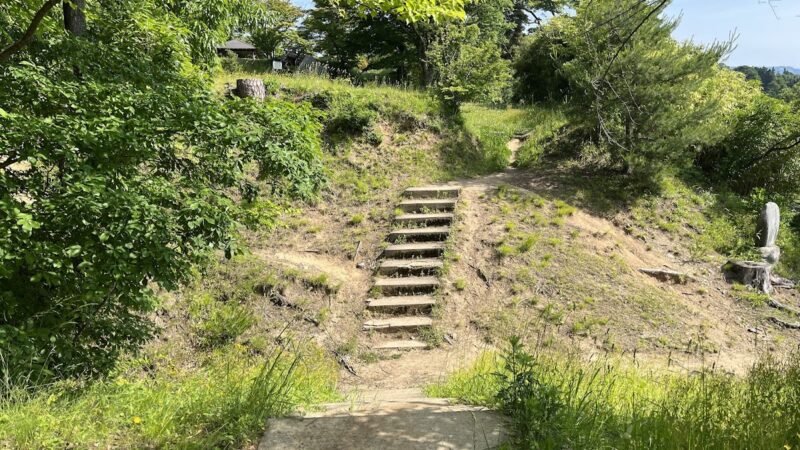
The main enclosure was located on the mountaintop, and it is believed that multiple baileys were arranged from there. Even today, the layout of the former baileys can be inferred from the topography.
Existing Remains
While there are few clear remains such as stone walls on present-day Mount Igiyama, the castle’s appearance can be imagined by observing the topography. Flat areas on the mountaintop, terraces that appear to be baileys, and traces of moats can be observed.
While some of the terrain may have been altered during the development of “Iki no Mori,” the basic topography retains traces of the Sengoku period (Warring States period).
Access and Basic Information to Igiyama Castle
Location
Address: 1492-1 Igiyama, Unuma, Kakamigahara City, Gifu Prefecture (Ikoi no Hiroba/Igi no Mori)
Access Methods
By Train:
- Approximately 30 minutes on foot from Shin-Unuma Station on the Meitetsu Kakamigahara Line
- Approximately 30 minutes on foot from Unuma Station on the JR Takayama Main Line
By Car:
- Approximately 15 minutes from Kakamigahara IC on the Tokai-Hokuriku Expressway
- Free parking available (Ikoi no Mori Igi no Mori Parking Lot)
Facility Information
Ikoi no Hiroba/Igi no Mori
- Opening Hours: 9:00 AM – 5:00 PM
- Closed: Mondays, the day after national holidays, December 29th – January 3rd
- Admission Fee: Free
- Parking: Free
Important Notes for Visitors
Since Igiyama Castle is a mountain castle, appropriate clothing and shoes for hiking are necessary. Particular caution is needed after rain, as the ground can become slippery. Bringing water and snacks is recommended.
Highlights of Igiyama Castle
View from the Mountaintop Observation Deck
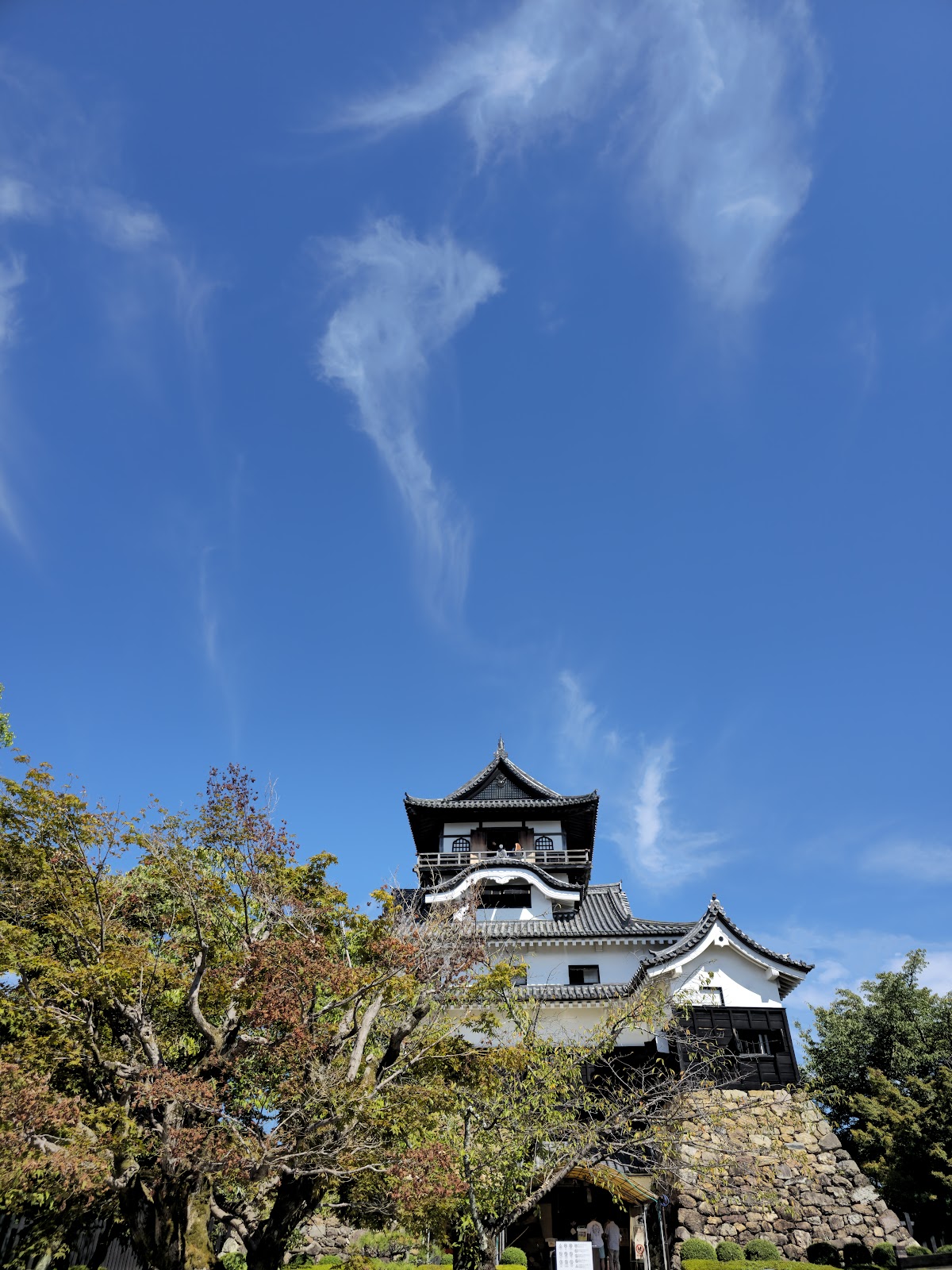
The greatest highlight of Igiyama Castle is the view from the mountaintop observation deck. From here, you can enjoy a panoramic view of the majestic Kiso River, Inuyama City in Aichi Prefecture on the opposite bank, the national treasure Inuyama Castle, and Komakiyama Castle.
On a clear day, you can experience the scenery of the border region between Mino and Owari provinces that Oda Nobunaga and Igi Tadatsugu may have seen. This view speaks to the reason why Igiyama was a strategically important location.
Charms of the Hiking Courses
Igiyama has several hiking courses, which can be chosen according to your fitness level and available time. The most common course starts from the parking lot of “Igi no Mori Park” on the northern slope of the mountain.
There are countless walking trails, allowing you to explore the mountains via various routes. The fresh greenery in spring and the vibrant autumn foliage are beautiful, allowing you to enjoy nature throughout the seasons.
Historical Topography
While walking through the castle ruins, searching for remnants of baileys and moats is one of the pleasures. Information boards are also installed, allowing you to learn about the historical background while exploring.
Nearby Tourist Attractions
Inuyama Castle
Located across the Kiso River, the national treasure Inuyama Castle has a close relationship with Igiyama Castle. Visiting both Inuyama Castle, which has an existing keep, will allow you to gain a deeper understanding of the Sengoku period history of this region.
Unuma Castle Ruins
Located close to Igiyama Castle, Unuma Castle Ruins is also an important castle related to Oda Nobunaga’s conquest of Mino Province. Nobunaga used Igiyama Castle as a foothold to capture Unuma Castle, which was a base for the Saito clan.
Historical Sites in Kakamigahara City
Kakamigahara City is dotted with other historical sites from the Sengoku period, making it ideal for historical walks. You can learn about local history at the city’s museums.
Historical Significance of Igiyama Castle
Strategic Importance in the Conquest of Mino
Igiyama Castle played an extremely important role in Oda Nobunaga’s conquest of Mino Province. Its location along the Kiso River was a crucial transportation hub connecting Mino and Owari, and controlling it allowed Nobunaga to restrain the movements of the Saito forces.
The capture of Igiyama in 1565 was a crucial step leading to the subsequent capture of Inabayama Castle (later Gifu Castle). Securing Igiyama Castle allowed Nobunaga to solidify his foothold for the invasion of Mino.
As the Birthplace of the Igi Clan
Igiyama Castle also holds historical significance as the birthplace of the Igi clan, a samurai family. The story of Igi Tadatsugu is well-known to many history enthusiasts as an example of the Sengoku period custom of granting surnames based on meritorious service.
The Igi clan continued as important retainers of the Ikeda family until the Edo period, playing crucial roles such as the construction of Himeji Castle. Igiyama Castle holds a special significance as it marked the beginning of a centuries-long history for the family.
Position in Local History
Igiyama Castle is an important cultural heritage site in the history of Kakamigahara City, Gifu Prefecture. While currently used as a place of recreation for citizens, its historical value is carefully preserved.
It is also used as a site for local history education, providing opportunities to learn about local history.
Best Season to Visit Igiyama Castle
Spring (March-May)
Spring is a beautiful season for hiking, with lush greenery. You can also enjoy cherry blossom viewing at the foot of the mountain during the cherry blossom season. The temperature is mild, making it suitable for long walks.
Autumn (October-November)
The autumn foliage season is one of the most beautiful times to visit Igiyama. The contrast between the colorful trees and the landscape stretching out below is magnificent. The weather is stable, making it ideal for a visit.
Winter (December-February)
Winter offers clear air and particularly stunning views from the observation deck. However, there is a possibility of snow and ice, so it is important to check the weather beforehand and visit with appropriate equipment.
Summer (June-August)
Summer brings lush greenery, perfect for forest bathing. However, the high temperatures and humidity necessitate adequate hydration and precautions against heatstroke. Visiting in the early morning or evening is recommended.
Points for Enjoying Igiyama Castle
Recommended Prior Study
Before visiting Igiyama Castle, learning about Oda Nobunaga’s conquest of Mino and the life of Igi Tadatsugu will deepen your understanding at the site. We recommend obtaining basic knowledge from relevant books and websites.
Carry a Map and Compass
As this is a mountain castle, there are multiple routes. Carrying a map and checking your current location while walking will allow you to enjoy your visit more safely. Smartphone map apps are also useful, but be aware that they may not work depending on the signal strength.
Photography Tips
The view from the observation deck is an excellent photo opportunity. The angle from which you can see Inuyama Castle in the distance is particularly popular. Early morning and twilight offer good lighting conditions for taking beautiful photos.
Estimated Time Required
From the parking lot to the summit, it takes about 30-40 minutes walking at a leisurely pace. Including time spent at the summit, it’s best to allow 2-3 hours in total. If you want to carefully observe the ruins, it is recommended to allocate more time.
Historical Figures Associated with Igiyama Castle
Oda Nobunaga
Oda Nobunaga is the most important figure when discussing the history of Igiyama Castle. His strategic vision in the conquest of Mino Province and his talent-building skills, such as bestowing surnames upon meritorious generals, formed the foundation of Nobunaga’s unification of Japan.
Igi Tadatsugu (Kagawa Chobei)
He became the lord of Igiyama Castle and the founder of the Igi clan. He served three generations of the Ikeda family—Oda Nobunaga, Ikeda Tsuneoki, and Ikeda Terumasa—and played a particularly important role in the construction of Himeji Castle. He was a general who excelled not only in military prowess but also in administrative abilities.
Ikeda Tsuneoki and Ikeda Terumasa
These were the heads of the Ikeda family whom Igi Tadatsugu served. Ikeda Tsuneoki was highly valued as Oda Nobunaga’s foster brother, and Ikeda Terumasa became a daimyo of Harima Province with a 520,000 koku domain after the Battle of Sekigahara. The Igi clan grew alongside the Ikeda family.
Saito Tatsuoki
A Sengoku daimyo of Mino Province and a sworn enemy of Oda Nobunaga. Igiyama was originally under the control of the Saito clan, and its capture was a significant achievement in Nobunaga’s campaign against Mino Province.
Preservation and Utilization of the Current Igiyama Castle Ruins
Development as “Igiyama Forest of Relaxation”
Currently, the Igiyama Castle ruins have been developed as “Igiyama Forest of Relaxation,” serving as a place of relaxation for citizens. Walking paths, observation decks, and rest facilities have been established, creating an environment where anyone can easily visit.
Preservation as a Historical Heritage Site
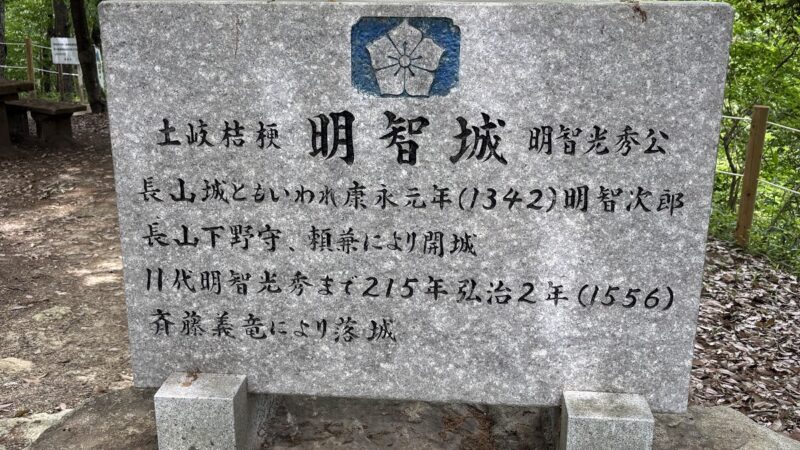
While being developed as a park, its value as a historical heritage site is also recognized, and information boards and explanatory signs have been installed. Topographical alterations have been kept to a minimum, preserving the atmosphere of the castle ruins.
Collaboration with Local Activities
Local history enthusiast groups and the local government are engaged in activities to convey the history of Igiyama Castle. Regular guided tours and history lectures are also held, utilizing the site as a place for local history education.
Future Prospects
The Igiyama Castle ruins have potential as a historical tourism resource. Further utilization is expected, such as the development of historical sightseeing routes in conjunction with nearby Inuyama Castle and Gifu Castle.
Summary
Igiyama Castle is a mountain castle of historical significance, serving as an important strategic base in Oda Nobunaga’s conquest of Mino Province and as the birthplace of the Igi clan. From the 173-meter-high summit, you can enjoy a panoramic view of the Kiso River, Inuyama Castle, and Komakiyama Castle, experiencing its strategic importance during the Sengoku period.
Currently, it has been developed as “Igi no Mori,” a recreational area with hiking trails and observation decks, making it popular not only with history enthusiasts but also with many people who enjoy nature. When visiting Kakamigahara City in Gifu Prefecture, we highly recommend visiting the Igiyama Castle ruins and reflecting on the history of Oda Nobunaga’s conquest of Mino and the story of Igi Tadatsugu that emerged from it.
For detailed maps and the latest usage information, we recommend checking the official website of Kakamigahara City or the tourist information center. Spend a day enjoying both history and nature at the Igiyama Castle Ruins, where you can feel the spirit of the Sengoku period.