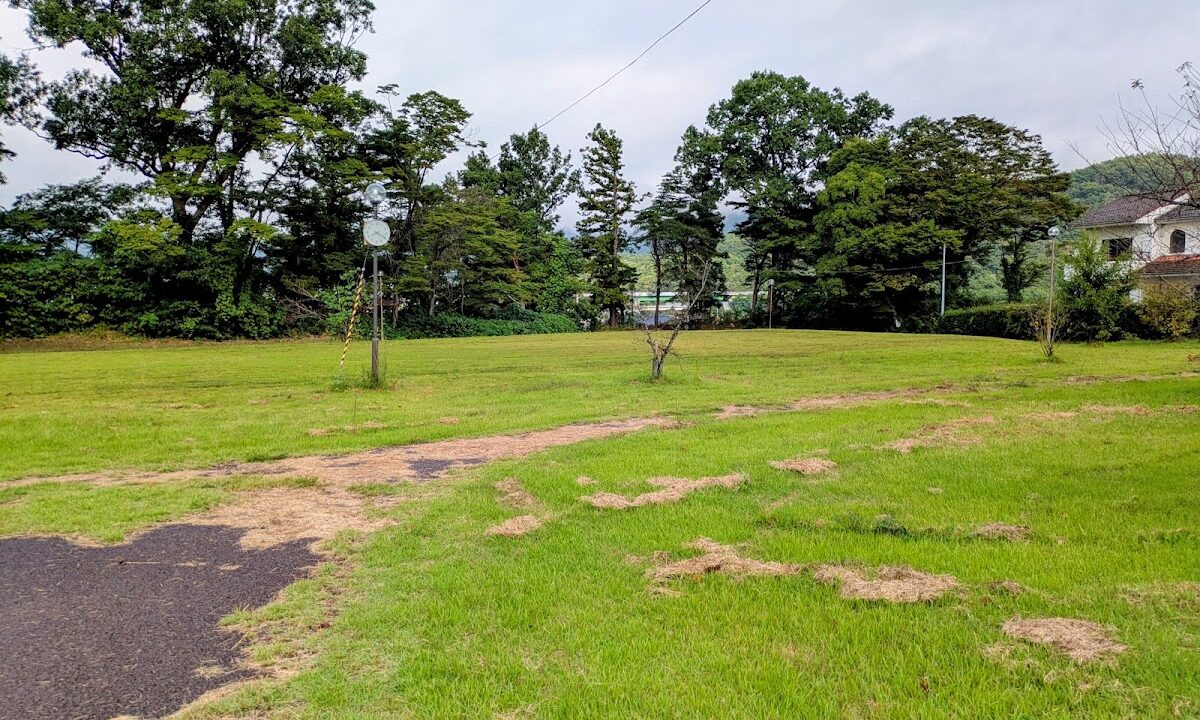
Fujita Castle (Fukushima Prefecture) Complete Guide | History and Highlights of the Two Fujita Castles Remaining in Ishikawa Town and Kunimi Town
There are two castle ruins in Fukushima Prefecture that bear the name “Fujita Castle.” One is the Fujita Castle associated with the Ishikawa clan, located in Ishikawa Town, Ishikawa District. The other is the residence of the Fujita clan, a senior retainer of the Date clan, located in Kunimi Town, Date District. Despite sharing the same name, these two castles have distinct histories and characteristics. This article provides a detailed introduction to them.
History and Overview of Fujita Castle (Ishikawa Town)
Construction History and Changes in Castle Lords
Fujita Castle in Ishikawa Town is said to have been built by Ishikawa Arimitsu. However, there is also a theory that it was built by Arimitsu’s eldest son, Fujita Taro Mitsusuke, and there are various theories regarding the builder.
Ishikawa Arimitsu initially used Fujita Castle as his residence, but later built Mitsuashi Castle and moved his residence there. At that time, Fujita Castle became the residence of his eldest son, Mitsusuke. Furthermore, when Mitsusuke built and moved to Otera Castle, Fujita Castle continued to be maintained as a subsidiary castle. Thus, Fujita Castle can be said to have played an important role in the expansion of the Ishikawa clan’s power.
Castle Structure and Remains
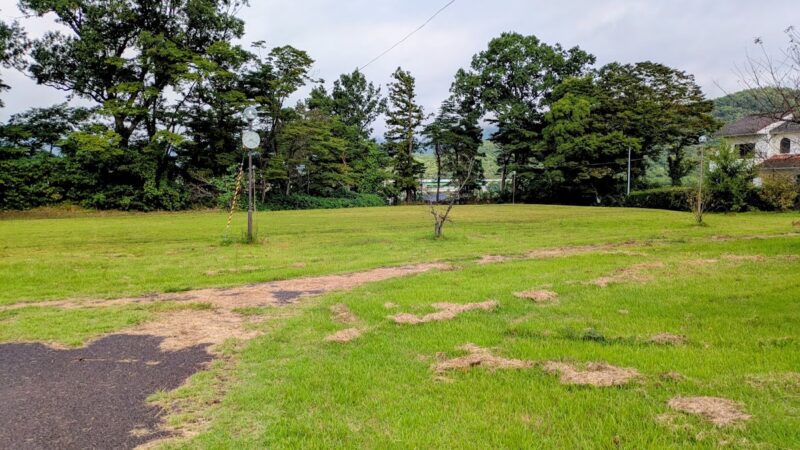
Fujita Castle in Ishikawa Town was built as a hill castle, and remains that retain the appearance of the time can still be seen today. The castle site has well-preserved remains of defensive structures such as earthworks and dry moats, making it valuable material for understanding the structure of medieval castles.
Notably, watchtowers and castle fences have been restored on the site of the main keep. These restored facilities allow visitors to more concretely imagine the appearance of the castle at that time. The height of the earthworks and the depth of the dry moats indicate that this castle was not merely a residence, but a fortress equipped with defensive functions designed for actual combat.
Points to Note When Visiting Fujita Castle in Ishikawa Town, an average visit time of about 30 minutes is recommended. The main points of interest are as follows:
- Main Enclosure Site: A reconstructed watchtower and castle fence are present, allowing visitors to experience the atmosphere of the castle’s central area.
- Earthworks: The well-preserved earthworks reveal the castle construction techniques of the time.
- Dry Moat: The scale and arrangement of the dry moat as a defensive structure can be observed.
- Layout of Enclosures: The arrangement of multiple enclosures helps to understand the castle’s layout.
The site is located in Horinouchi, Nakano, Ishikawa-machi, Ishikawa-gun, Fukushima Prefecture. While it is rated as a C-rank site in terms of historical remains, the reconstructed facilities make it a worthwhile castle site for history enthusiasts.
History and Overview of Fujita Castle (Kunimi-machi)
The Legend of Minamoto no Yoritomo and the Background of its Construction
Fujita Castle in Kunimi-machi is a flatland castle dating from the Kamakura to Muromachi periods. An interesting legend related to Minamoto no Yoritomo remains at this castle. During the Oshu War of 1189 (Bunji 5), Minamoto no Yoritomo is said to have established his headquarters in this area, hence it is also known by the alternative name “Gensoyama.”
The castle lord is presumed to have been the Fujita clan, a branch of the Date family, and it was the residence of a family that played an important role as senior retainers of the Date clan. The Fujita clan contributed to the expansion of the Date clan’s power and played a central role in the control of this region.
Fierce Battles of the Nanboku-cho Period
During the Nanboku-cho period, Fujita Castle functioned as a subsidiary castle of Reizan Castle, which belonged to the Southern Court. During this period, the conflict between the Southern and Northern Courts intensified in the Tohoku region, and Fujita Castle was positioned on the front lines.
In 1347 (Jowa 3), Fujita Castle, along with Reizan Castle, fell to a large-scale attack by the Northern Court army. This battle was a fierce siege, and although it resisted to the end as a Southern Court stronghold, it ultimately fell into the hands of the Northern Court army. This historical event is recorded as a significant event in the Tohoku region during the Nanboku-chō period.
The Tenbun Rebellion and the Castle’s Abandonment
With the arrival of the Sengoku period (Warring States period), Fujita Castle reappeared on the historical stage. During the Tenbun Rebellion (1542-1548), a conflict between Date Tanemune, the head of the Date clan, and his eldest son, Date Harumune, the castle lord, Fujita Haruchika, sided with Tanemune.
However, this choice proved fateful for the Fujita clan. The Tenbun Rebellion ultimately ended in victory for Harumune’s side, and Fujita Haruchika, who had sided with Tanemune, suffered defeat. Haruchika fled to the Sōma clan, and Fujita Castle was subsequently abandoned. This event led to the loss of the Fujita clan’s position within the Date clan, and the castle’s history came to an end.
Characteristics of the Remains
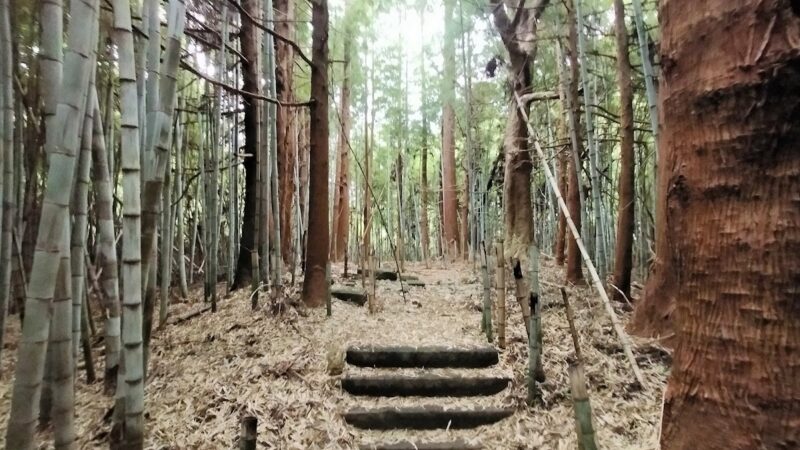
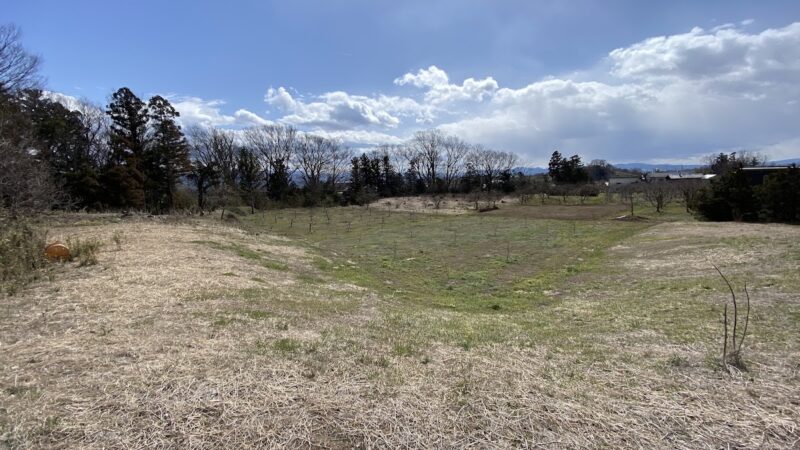
The Fujita Castle ruins in Kunimi Town are designated as a town historical site, and the remains of earthworks and moats can still be seen today. It is characterized by a layout that takes advantage of its location as a hilltop castle, possessing a defensive structure that skillfully utilizes the terrain.
Compared to the Fujita Castle in Ishikawa Town, the Fujita Castle in Kunimi Town has a deeper connection to the Date clan, a powerful daimyo family in the Tohoku region, and can be said to be a castle influenced by broader regional political and military situations.
Comparison of the Two Fujita Castles
Differences in Location and Castle Style
The difference between the two Fujita Castles is that the Fujita Castle in Ishikawa Town is a hilltop castle, while the Fujita Castle in Kunimi Town is a hilltop castle. Hilltop castles utilize relatively low hills, while hilltop castles are built on terrain intermediate between plains and mountains. Each employs a layout that takes advantage of its respective topographical features.
Differences in Historical Background
Fujita Castle in Ishikawa Town functioned primarily as a base for regional control, serving as the fortress of the Ishikawa clan, a local power. On the other hand, Fujita Castle in Kunimi Town served as the castle of a senior retainer of the Date clan, becoming a base for broader political and military activities.
In particular, Fujita Castle in Kunimi Town is deeply involved in important events in Japanese history, such as Minamoto no Yoritomo’s Oshu War, the Nanboku-cho War, and the Tenbun Rebellion. Therefore, in terms of historical significance, Fujita Castle in Kunimi Town receives more attention.
Current Preservation Status
Both castle sites retain remains such as earthworks and moats. However, Fujita Castle in Ishikawa Town has reconstructed watchtowers and fortifications, making it easier to visually understand the castle’s appearance. Fujita Castle in Kunimi Town is protected as a town historical site, and its remains are preserved in a more natural state.
Access and Visiting Guide
Access to Fujita Castle (Ishikawa Town)
Location: Horinouchi, Nakano, Ishikawa-machi, Ishikawa-gun, Fukushima Prefecture
Access by Car:
- Approximately 20 minutes from the Tohoku Expressway “Sukagawa IC”
- Use National Route 118
Public Transportation:
- Approximately 15 minutes on foot or by taxi from the JR Suigun Line “Iwaki-Ishikawa Station”
Visiting Time: Approximately 30 minutes on average
Admission Fee: Free
Parking: Available (Free)
Access to Fujita Castle (Kunimi Town)
Location: Fujita, Kunimi-machi, Date-gun, Fukushima Prefecture
Access by Car:
- Approximately 10 minutes from the Tohoku Expressway “Kunimi IC”
Public Transportation:
- Approximately 20 minutes on foot from JR Tohoku Main Line “Fujita Station”
Visiting Time: Approximately 30-40 minutes on average
Admission Fee: Free
Parking: Available (Free)
Points to Note When Visiting
Both castle ruins are mountain castles/hill castles, so please note the following:
- We recommend wearing comfortable shoes.
- Insect repellent is necessary during the summer.
- Be careful as the ground can become slippery after rain.
- Understanding the site will be enhanced by checking the information boards and explanatory signs.
- To protect the remains, please refrain from climbing on or digging in the earthworks or moats.
Nearby Tourist Spots
Around Ishikawa Town
- Mitsuru Castle Ruins: The residence of Ishikawa Arimitsu, who moved from Fujita Castle.
- Otera Castle Ruins: A castle built by Fujita Taro Mitsusuke.
- Ishikawa Town Historical and Folk Museum: A facility where you can learn about the history of the region.
Around Kunimi Town
- Ryōzen Castle Ruins: An important stronghold of the Southern Court, which fell along with Fujita Castle during the Nanboku-chō period.
- Ryōzen: A scenic spot designated as a National Place of Scenic Beauty.
- Michi-no-Eki Kunimi Atsukashi-no-Sato: You can obtain local specialty products and tourist information.
- Atsugashiyama Fortifications: A historical site related to Minamoto no Yoritomo’s Ōshū War.
Connections to Other Castles in Fukushima Prefecture
Fukushima Prefecture has many castle ruins, and visiting other castles in addition to Fujita Castle will allow you to understand the region’s history more deeply.
Castles Related to the Date Clan
Fujita Castle in Kunimi Town has deep ties to the Date clan. Visiting it along with the following castles will provide a more comprehensive understanding of the Date clan’s history:
- Yanagawa Castle: One of the Date clan’s strongholds
- Kuwori Nishiyama Castle: The residence built by Date Tanemune
- Reizan Castle: A base of the Southern Court that shared the same fate as Fujita Castle
Castles Related to the Ishikawa Clan
When visiting Fujita Castle in Ishikawa Town, the following castles, which trace the Ishikawa clan’s expansion, are also worth considering:
- Mitsuashi Castle: The residence of Ishikawa Arimitsu
- Otera Castle: The residence of Fujita Taro Mitsusuke
Castle Research and Historical Value
Significance in Medieval Castle Research
The two Fujita Castles are important examples that demonstrate the characteristics of castles in the Tohoku region during the medieval period. In particular, defensive structures utilizing civil engineering techniques such as earthworks and dry moats strongly retain the characteristics of medieval castles, distinct from early modern castles that used stone walls.
Importance in Local History
Fujita Castle in Ishikawa Town is an important historical site for understanding the process of the Ishikawa clan’s expansion, while Fujita Castle in Kunimi Town is important for understanding the movements of the Date clan’s retainers. In particular, Fujita Castle in Kunimi Town was one of the important stages in the Tenbun Rebellion, an internal conflict within the Date clan, and is indispensable for understanding the political situation in the Tohoku region during the Sengoku period.
Historical Background of the Minamoto no Yoritomo Legend
The legend of Minamoto no Yoritomo’s headquarters at Fujita Castle in Kunimi Town is an interesting factor in considering Minamoto no Yoritomo’s marching route during the Oshu War. In 1189, Yoritomo led a large army into Oshu to subdue the Oshu Fujiwara clan. It is certain that he passed through what is now northern Fukushima Prefecture, and there is a strong possibility that he established his headquarters near Fujita Castle.
The fact that this legend has been passed down to this day under the alternative name “Gensozan” is evidence that the local people have valued this historical event and passed it down through generations.
Fujita Castle in Every Season
Spring Visit
Spring is the perfect season for exploring the castle ruins, with its beautiful fresh greenery. The shapes of the earthworks and moats are easier to see compared to when there is less vegetation, making it ideal for observing the remains.
Summer Visit
Summer is the season when the greenery is lush, and you can best experience the atmosphere of a medieval mountain castle. However, insect repellent and heat protection are essential.
Autumn Visit
The scenery around the castle ruins is beautiful during the autumn foliage season, allowing you to enjoy both historical exploration and nature appreciation. The weather is mild, making it a suitable season for visiting.
Winter Visit
While snow can obscure the shape of the remains, the bare leaves of the trees in winter make it easier to grasp the overall layout of the ruins. However, caution is necessary regarding footing.
Advice for History Enthusiasts
Efficient Visiting Methods
While it’s possible to visit both Fujita Castles in one day, the historical backgrounds and characteristics of each castle differ significantly. Therefore, it’s recommended to have sufficient prior knowledge before visiting. If possible, visiting other castles related to each castle will provide a deeper understanding.
Photography Tips
- To convey the height of the earthworks, photos with people in the frame are effective for creating a sense of scale.
- Shooting dry moats from an oblique angle effectively conveys their depth.
- The restored facilities (Ishikawa-cho) make for beautiful photos when combined with seasonal backgrounds.
- Taking photos of information boards and explanatory signs is helpful for later reference.
Utilizing Maps and Information Boards
When visiting castle ruins, it’s crucial to carefully check the on-site information boards and explanatory signs. Checking maps and layout diagrams online beforehand will deepen your understanding on-site. Use smartphone map apps to understand the relative locations of the remains.
Summary
The two Fujita Castles in Fukushima Prefecture are valuable historical sites, each with its own distinct historical background and characteristics. The Fujita Castle in Ishikawa Town tells the history of the Ishikawa clan’s expansion, while the Fujita Castle in Kunimi Town conveys the long history from Minamoto no Yoritomo’s Oshu War to the Tenbun Rebellion.
Both castle sites retain well-preserved medieval castle structures such as earthworks and dry moats, providing important information for understanding the castle construction techniques and defensive philosophies of the time. The Fujita Castle in Kunimi Town, in particular, is an indispensable historical site for understanding the history of the Date clan. Visiting it along with other surrounding castles such as Reizan Castle allows for a deeper understanding of the history of the Tohoku region from the Nanboku-cho period to the Sengoku period.
When visiting Fukushima Prefecture, be sure to visit both Fujita Castles and feel the weight of the history each castle has witnessed. With well-preserved remains and a visit time of only about 30 minutes, these castle sites can be enjoyed by a wide range of people, from history beginners to experts.
Frequently Asked Questions
Q1: Can I visit both Fujita Castles on the same day?
A1: Yes, you can. Ishikawa Town and Kunimi Town are about an hour apart by car, and each castle takes about 30-40 minutes to visit, so it’s perfectly possible to visit both in one day. However, since the historical backgrounds of each castle are different, we recommend researching the information beforehand.
Q2: Is there an entrance fee to visit Fujita Castle?
A2: Both Fujita Castles are free to visit. Parking is also free. However, if you visit nearby museums or other facilities, you may need to pay a separate entrance fee.
Q3: Are these castle ruins enjoyable for beginners?
A3: Yes, they are. In particular, Ishikawa Town’s Fujita Castle has restored watchtowers and fortifications, making it easy for those unfamiliar with castles to experience the atmosphere of the time. Information boards are also installed, and reading them while you visit will deepen your understanding.
Q4: What is the best season to visit?
A4: Spring (April-May) and autumn (October-November) are the best times to visit. The weather is mild, and the fresh greenery in spring and the autumn foliage are beautiful, making for a comfortable visit. In summer, insect repellent is necessary, and in winter, warm clothing and attention to foot safety are required.
Q5: Are there places to eat nearby?
A5: There are local restaurants and eateries around Ishikawa Town, and the roadside station “Atsukashi no Sato” in Kunimi Town. However, there are few restaurants around the castle ruins, so it is recommended to check for places to eat in advance or bring your own lunch.