Shinchi Castle (Fukushima Prefecture) Complete Guide | History, Highlights, and Tulip Festival Information
Located in Shinchi Town, Soma District, Fukushima Prefecture, the ruins of Shinchi Castle are a valuable historical site that conveys the turbulent events of the Sengoku period (Warring States period). Currently, it is a popular tourist destination, especially during the spring tulip festival. This article provides a detailed overview of Shinchi Castle, from its historical background to its current attractions.
History and Overview of Shinchi Castle
Background and Period of Construction
Shinchi Castle was built during the Eiroku era (1558-1570) by the Soma clan, who ruled this area. During the Sengoku period, the Hamadori region of Fukushima Prefecture was located on the border between the two major powers, the Soma and Date clans. Shinchi Castle functioned as a crucial border castle for the Soma clan, strengthening their northern defenses.
At that time, the Soma clan was expanding its power as a powerful daimyo in southern Oshu, and needed to build a castle in this strategically important location to counter the Date clan, who were encroaching from the north. Shinchi Castle’s location, close to the sea and situated on a hill overlooking the surrounding area, provided excellent conditions for both defense and surveillance.
Origin of the Alternate Name, Minokubi Castle
Shinchi Castle is also known by the alternative name “Minokubi Castle.” This name originates from the fact that the layout of the main keep and surrounding buildings resembled the shape of an unfolded straw raincoat (mino). A mino is a traditional garment woven from straw or grass used as rain gear, and its unique shape likely overlapped with the castle’s layout (the castle’s blueprint).
This alternative name is an interesting anecdote that illustrates the characteristics of castle design at the time, indicating that Shinchi Castle was not merely a military facility, but was closely intertwined with the lifestyle and culture of the local people.
The Battlefield of the Soma and Date Clans
Shinchi Castle was the site of fierce battles between the Soma and Date clans during the Sengoku period (Warring States period). The two clans fought over territory for many years, and this region became a battlefield numerous times. In particular, during the latter half of the 16th century, the Date clan’s power expanded, continuously putting pressure on the Soma clan’s territory.
In 1589 (Tensho 17), Shinchi Castle finally fell to Date Masamune. This period was a time when Masamune was actively pursuing military action to seize hegemony in Oshu (northern Japan), and the fall of Shinchi Castle was a major blow to the Soma clan. After its fall, Shinchi Castle functioned as a Date-side castle, playing a role in protecting the border with the Soma clan.
This historical sequence symbolically illustrates the shifting power dynamics in the Tohoku region during the Sengoku period, demonstrating that Shinchi Castle was not merely a small provincial castle, but a crucial strategic point that determined the fate of the region.
Structure and Remains of Shinchi Castle
Castle Layout and Characteristics
Shinchi Castle was built as a flatland castle utilizing the hilly terrain. Multiple baileys were arranged around the main keep, creating a defensive structure that skillfully utilized the natural terrain. As its alternative name, Minokubi Castle, suggests, its layout has a unique shape, clearly representing the characteristics of castle architecture in the Tohoku region from the medieval to the Sengoku period.
The castle’s size is thought to have been medium-sized for a border castle, but it played an important role in the Soma clan’s territorial management. From the main keep, one could overlook the surrounding plains and coastline, providing a strategic location for early detection of enemy movements.
Current Status of Remains
Currently, no large structures such as stone walls or keeps remain at the Shinchi Castle site, but the basic structure of the castle, such as the topography and the arrangement of baileys, can be discerned. Traces of earthworks and moats can also be partially confirmed, allowing us to imagine its former appearance.
While the state of preservation of the ruins is less than that of other medieval castles in Fukushima Prefecture, having been affected by later development and natural disasters, the atmosphere of a castle site is still strongly felt. Local history enthusiasts and researchers conduct continuous research and preservation activities, carefully protecting it as a valuable cultural asset of Shinchi Town.
Shinchi Castle Ruins Today | A Famous Tulip Spot
Approximately 30,000 Tulips of 40 Varieties
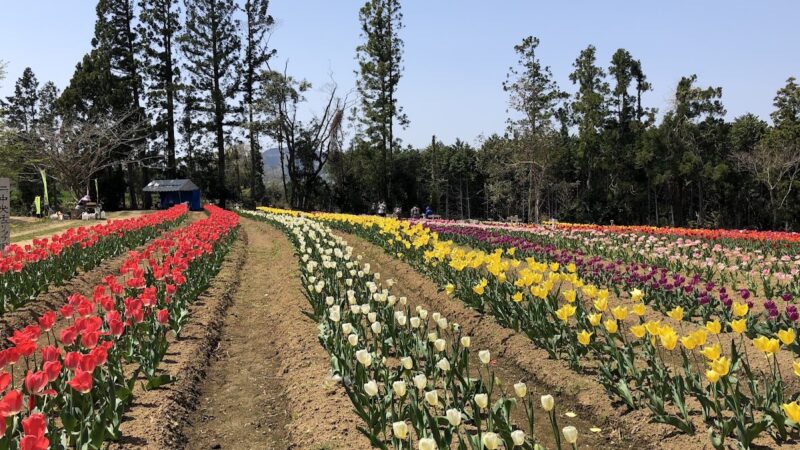
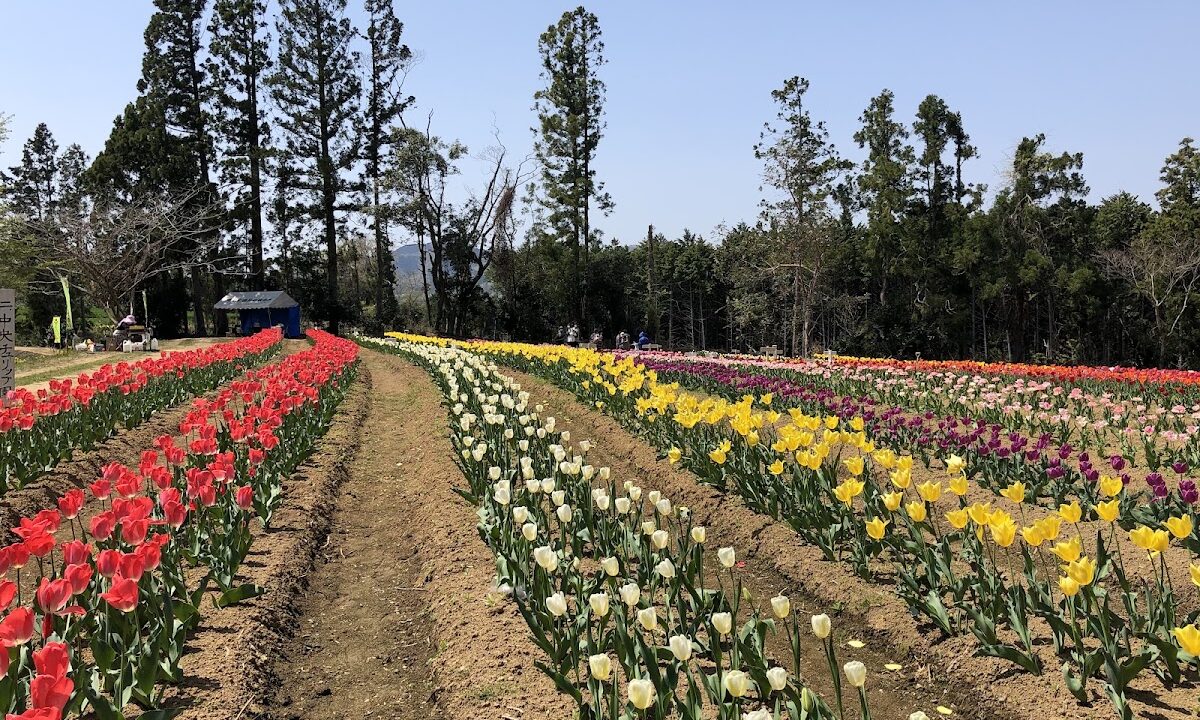
The Shinchi Castle Ruins have been transformed into a popular spring tourist attraction. Thanks to the enthusiastic efforts of local residents, approximately 30,000 tulips of about 40 varieties have been planted, and every year in late April, the castle ruins are adorned with vibrant flowers.
This initiative is a wonderful example of regional revitalization, transforming a former battlefield from the Sengoku period into a symbol of peace and beauty. The sight of tulips in a variety of colors—red, yellow, white, pink, purple, and more—blooming in full glory is breathtaking and captivates visitors.
Tulip Festival Held Annually in Late April
The Tulip Festival is held annually in late April at the Shinchi Castle Ruins. This event has become a spring tradition in Shinchi Town, attracting many tourists from both within and outside the town.
During the festival, in addition to viewing the tulips, local specialty products are sold and various events are held, making it an important opportunity to promote the charm of the region. It is bustling with visitors from a wide range of backgrounds, including families, couples, and photography enthusiasts, and greatly contributes to the promotion of tourism in Shinchi Town.
The blooming period varies slightly depending on the weather, but the best time to see the tulips is usually in late April. Those planning a visit are advised to check the blooming status in advance using the official Shinchi Town information or tourist guide.
Conservation Activities by Local Residents
The tulip garden at the Shinchi Castle Ruins is maintained through the volunteer activities of local residents. From planting the bulbs to weeding and post-bloom care, many townspeople cooperate to create a beautiful landscape.
These community-wide initiatives are an excellent model case for balancing the preservation of historical heritage with tourism promotion, and demonstrate the strength of the Shinchi Town community. During the recovery process following the Great East Japan Earthquake, these activities served as a source of emotional support for the townspeople and played a role in deepening community bonds.
Relationship between Shinchi Town and Shinchi Castle
Overview and Location of Shinchi Town
Shinchi Town is located at the northernmost tip of the Hamadori region of Fukushima Prefecture, belonging to Soma District. National Route 6 runs through it from north to south, bordering Miyagi Prefecture. It has a coastline facing the Pacific Ocean, and is a region where fishing and agriculture thrive.
Although a small town with a population of approximately 8,000 (as of 2024), it has flourished as a transportation hub since ancient times. Shinchi Castle is an important cultural property symbolizing the town’s historical identity and plays a central role in the town’s historical education and tourism promotion.
Recovery from the Earthquake and Tourism Promotion
Shinchi Town suffered immense damage from the Great East Japan Earthquake on March 11, 2011. The tsunami devastated the coastal areas, resulting in many fatalities. However, the town continues its recovery efforts under the slogan, “Creating a town where people and nature shine together, and smiles abound.”
The Tulip Festival at Shinchi Castle Ruins has continued to be held since the earthquake and has become a symbol of recovery. The sight of the beautiful flowers in bloom symbolizes hope for the town’s future, offering courage and solace to visitors.
Other Tourist Spots in Shinchi Town
Besides Shinchi Castle Ruins, Shinchi Town boasts numerous other attractive tourist spots.
Karousan is a mountain with an elevation of 430 meters, offering spectacular views of the Pacific Ocean and the Abukuma Mountains from its summit. The hiking trails are well-maintained, making it a popular hiking spot.
Tsurishihama Beach is a beautiful beach that is bustling with many swimmers during the summer. It was redeveloped after the earthquake and reopened as a safe and comfortable beach.
Sea Fishing Park allows families to easily enjoy fishing, and various fish species can be targeted depending on the season.
Shinchi Pump Track is a facility where people can enjoy cycling and skateboarding, and is a popular spot for young people and children.
Ukon Shimizu is a spring that has been cherished by local people for centuries and is known as a source of pure water.
By visiting these spots in combination with the Shinchi Castle Ruins, you can experience the diverse charms of Shinchi Town.
Access and Basic Information
Address and Map
Address: Tatemae, Yachigoya, Shinchi-machi, Soma-gun, Fukushima Prefecture
Shinchi Castle Ruins are located relatively close to the center of Shinchi-machi. They can be easily found by searching for “Shinchi Castle Ruins” or “Shinchi-machi Yachigoya” on a map app or car navigation system.
Access by Car
Using the Joban Expressway:
- Approximately 5 minutes from the Shinchi Interchange
- Parking is available around the castle ruins, and temporary parking is also available during the Tulip Festival.
Using National Route 6:
- Easily accessible from both Sendai and Iwaki
- Follow the signs from the center of Shinchi Town.
Access by Public Transportation
Using the JR Joban Line:
- Get off at Shinchi Station and walk for approximately 15-20 minutes
- Approximately 5 minutes by taxi
During the Tulip Festival, a temporary shuttle bus may operate from Shinchi Station, so it is recommended to check Shinchi Town’s tourist information before visiting.
Points to Note and Precautions for Visiting
- Visiting Hours: The castle ruins are always open, but the best time to see the tulips is during the daytime in late April.
- Admission Fee: Generally free (donations may be requested during event periods).
- Estimated Time Required: Approximately 30 minutes to 1 hour for a leisurely stroll.
- Attire: Comfortable walking shoes are recommended.
- Photography: Photography is permitted, but please be considerate of other visitors.
- Restrooms: Public restrooms are available near the castle ruins.
Recommended Restaurants and Hotels in the Area
Local Specialties and Cuisine of Shinchi Town
Shinchi Town, located on the coast, boasts fresh seafood. In particular, surf clams are a representative specialty of Shinchi Town; the thick, sweet surf clams are exquisite. Many restaurants in town serve dishes using surf clams, so be sure to try them when you visit.
You can also enjoy local cuisine from the Soma region. Dishes featuring fresh seafood, such as seafood bowls, and dishes using locally grown vegetables, are characterized by their emphasis on the natural flavors of the ingredients.
Accommodation Information
There are convenient accommodations for sightseeing around Shinchi Town.
Hotel Grad Shinchi is a business hotel located near Shinchi Station, making it ideal as a base for both sightseeing and business. It boasts clean and comfortable rooms and reasonable rates.
There are also accommodations in the neighboring city of Soma and Yamamoto Town in Miyagi Prefecture, offering good access to the Shinchi Castle ruins. For those who want to enjoy hot springs, we recommend taking a short trip to Fukushima Prefecture’s hot spring resorts such as Iizaka Onsen and Dake Onsen.
Model Itinerary for Visiting Shinchi Castle
Day Trip Course
Morning:
- Arrive at JR Shinchi Station
- Enjoy tulip viewing at Shinchi Castle Ruins (1 hour)
- Visit Ukon Shimizu (30 minutes)
Afternoon:
- Lunch of surf clam dishes at a local restaurant
- Stroll around the sea fishing park or Tsurishihama Beach
- Hike on Karōyama Mountain (if time permits)
- Return from Shinchi Station
2-Day/1-Night Course
Day 1:
- Enjoy tulip viewing at Shinchi Castle Ruins
- Visit sightseeing spots in Shinchi Town
- Stay at a hotel or hot spring inn in Sōma City
Day 2:
- Sightseeing in Sōma City (Sōma Nakamura Castle Ruins, Sōma Nomaoi related facilities, etc.)
- Visit other tourist destinations in the Hamadōri region (Minamisōma City, Iwaki City, etc.)
In this way, you can fully enjoy the charm of the Hamadōri region of Fukushima Prefecture, starting from Shinchi Castle Ruins.
Historical Value and Future Prospects of Shinchi Castle
Position in the Sengoku History of Tohoku
Shinchi Castle is an important historical site for understanding the Sengoku period history of the Tohoku region. Located on the border between the two major powers, the Soma and Date clans, it tells the story of their conflict. The castle’s fall in 1589 (Tensho 17) was a crucial event in Date Masamune’s conquest of Oshu, and understanding its history allows for a deeper understanding of the political situation in the Tohoku region during the Sengoku period.
Preservation Activities as a Regional Cultural Property
In Shinchi Town, efforts continue to preserve the Shinchi Castle ruins as a valuable cultural property. Through archaeological excavations and documentary research, efforts are being made to clarify the castle’s structure and history in more detail, and the results are being used in local history education.
Furthermore, the development of the site as a tulip garden has attracted attention from other regions as an excellent example of balancing the preservation of historical heritage with tourism. The transformation of the Sengoku castle ruins into a flower garden, a symbol of peace, suggests a modern approach to the utilization of cultural properties. ### Future Potential as a Tourism Resource
Shinchi Castle Ruins are expected to develop further as a tourism resource. Various possibilities exist, such as expanding the scale of the tulip festival, enhancing historical guided tours, and creating digitally-enhanced exhibits of the castle in its heyday.
In particular, collaboration with other historical sites in the Soma region and the development of wider-area tourism routes connecting with historical sites related to the Date clan would attract even more history enthusiasts and tourists.
For Shinchi Town, which is recovering from the Great East Japan Earthquake, Shinchi Castle Ruins are an important link between the town’s history and future. Visiting the castle ruins in spring, when the beautiful tulips are in bloom, will be a valuable opportunity to feel the romance of history and to witness the region’s continued progress toward recovery.
Summary
Shinchi Castle (Fukushima Prefecture) is a historically important castle site built by the Soma clan during the Sengoku period and the site of battles between the Soma and Date clans. It is also known as Minokubi Castle, a name derived from the fact that the layout of the main keep and surrounding buildings resembled the shape of a straw raincoat (mino). In 1589, the castle fell to Date Masamune and subsequently served as a castle under the Date clan.
Today, thanks to the efforts of local residents, approximately 30,000 tulips of about 40 varieties have been planted, and the Tulip Festival, held annually in late April, has become a spring tradition in Shinchi Town. The transformation of this Sengoku period battlefield into a symbol of peace and beauty also symbolizes the hope of Shinchi Town as it strives for recovery from the Great East Japan Earthquake.
Located in Yachigoya, Shinchi Town, Soma District, Fukushima Prefecture, it boasts excellent access, being about 5 minutes from the Shinchi Interchange on the Joban Expressway and about 15-20 minutes on foot from JR Shinchi Station. Nearby attractions include Mt. Karō, Tsurishihama Beach, and a sea fishing park, and visitors can also enjoy Shinchi Town’s specialty, surf clam dishes.
For history buffs, those who want to enjoy beautiful flowers, and anyone planning a trip to the Hamadori region of Fukushima Prefecture, Shinchi Castle Ruins is a must-see. While a visit in spring is especially recommended, the historical value of the castle ruins can be appreciated throughout the year.