Somayama Castle Ruins (Minamiechizen Town, Fukui Prefecture) Complete Guide | History, Highlights, and Access Information for a Natural Fortress
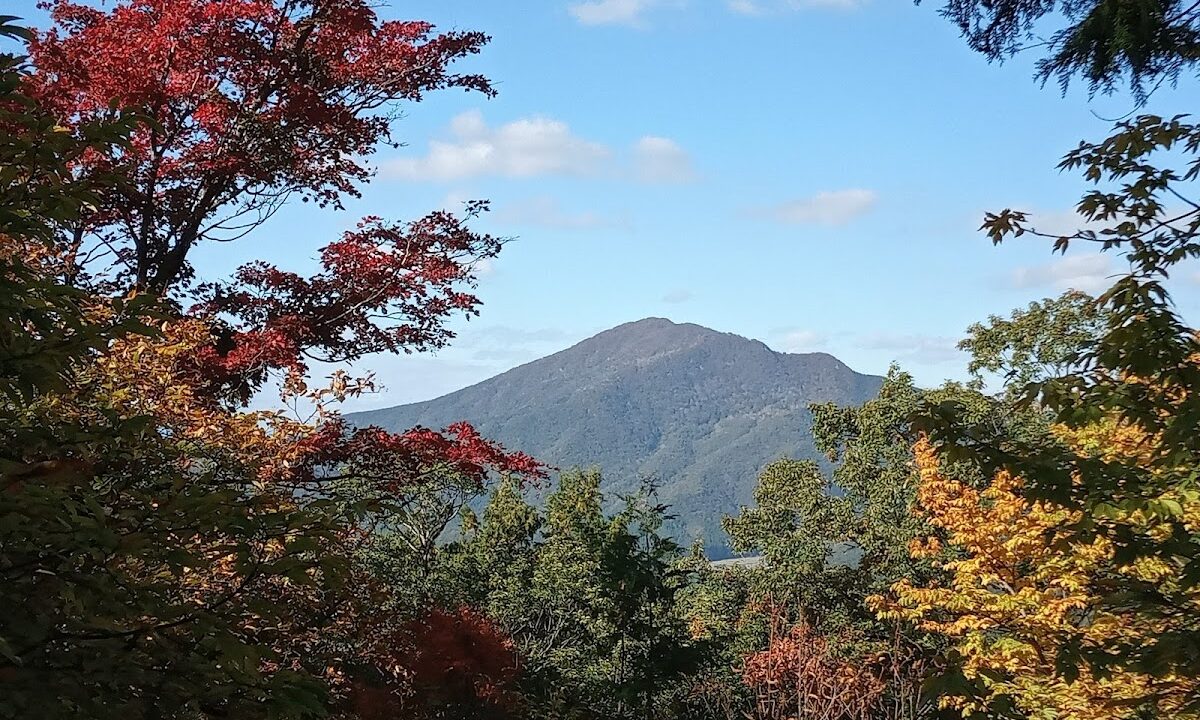
Located in Minamiechizen Town, Nanjo District, Fukui Prefecture, Somayama Castle is a mountain castle built on the summit of Mt. Somayama, at an altitude of 492 meters. During the Nanboku-cho period, it served as an important base for the Southern Court in Echizen Province, and is known as a formidable fortress where Nitta Yoshisada took refuge. It was designated a National Historic Site in 1934 and 1979. As a natural fortress utilizing steep quartzite cliffs, it is a valuable historical site that conveys the history of medieval Echizen.
History of Somayama Castle
From the Heian Period to the Nanboku-cho Period
Regarding the origins of Somayama Castle, there is a legend that Minamoto no Yorichika built the castle in the early Heian period. However, the castle’s first reliable historical appearance is during the Nanboku-chō period (Northern and Southern Courts period).
During the Nanboku-chō period, Somayama Castle functioned as a major base for the Southern Court in Echizen Province. After the collapse of the Kenmu Restoration, Nitta Yoshisada fought fiercely against the Northern Court and Ashikaga forces in Echizen, and Somayama Castle became a crucial military stronghold. Utilizing its rugged terrain, it was a natural fortress, facing the Hokuriku Road and Asakura Road, and situated at a strategically important military and transportation point with a panoramic view of the Echizen provincial capital, making it an extremely important castle.
As the Residence of Ashikaga Takatsune
Amidst the ongoing conflicts of the Nanboku-chō period, Ashikaga Takatsune made this castle his final residence. Ashikaga Takatsune died of illness at this castle in 1367 (Jōji 6 / Shōhei 22), and Somayama Castle is known for its deep connection to the Ashikaga clan.
Somayama Castle in the Sengoku Period
In 1474 (Bunmei 6), Masuzawa Kai-no-kami Suketoku, a vassal of the Shiba clan, the governors of Echizen Province, served as the castle lord. However, Somayama Castle fell to an attack by Asakura Toshikage (Asakura Takakage), who was expanding his power within Echizen Province.
After its fall, the Asakura clan appointed their vassal Kawai Aki-no-kami Munekiyo as the castle lord, placing Somayama Castle under their control. For the Asakura clan, Somayama Castle became an important base for governing southern Echizen Province.
The Fall of the Asakura Clan and the Abandonment of the Castle
In 1573 (Tensho 1), when the Asakura clan was destroyed by an attack by Oda Nobunaga, Somayama Castle also ceased to function and was abandoned. Although it never functioned as a castle again, its remains have survived to this day and are preserved as a valuable historical heritage.
Structure and Layout of Somayama Castle
Location as a Natural Fortress
Somayama Castle is located at the southern end of the Nan’etsu Basin, where the mountains of the Nanjo Mountains jut out into the narrow valley of the Hino River. Somayama, situated east of the Hino River and sandwiched between the Akuwa Valley and the Takura Valley, boasts a rugged mountain landscape composed of quartzite, making it a natural fortress. The defensive structure, which makes maximum use of these steep cliffs, is the most distinctive feature of Somayama Castle.
Structure of the Mountain Castle
At the summit of the 492-meter-high mountain, the Honmaru (main enclosure) is at the center, with Higashi-Goten (East Palace) and Nishi-Goten (West Palace) enclosures built to the east and west. These enclosures were arranged along the mountain’s terrain, forming an effective defensive line.
Archaeological excavations have uncovered foundation stones and other remains, confirming that buildings once stood there. Even today, remnants such as stone walls, moats, and earthworks remain, providing valuable information for understanding the structure of medieval mountain castles.
Remains of the Residence at the Foot of the Mountain
Beyond the mountain castle itself, a residence where the lord and his retainers lived daily was located at the foot of the mountain. Remains such as earthworks still exist at the foot of the mountain, indicating a complex castle structure combining the mountain castle and the foot-mountain residence.
Approximately 170 hectares, encompassing the castle mountain and part of the castle town at the foot of the mountain, are designated as a National Historic Site, making it a vast castle ruin.
Highlights of Somayama Castle
Main Enclosure Remains
Located at the summit of the mountain at an altitude of 492 meters, the main enclosure is the heart of Somayama Castle. From here, one can enjoy a panoramic view of the town of Minami-Echizen, the flow of the Hino River, and the mountains of Echizen, clearly demonstrating its strategic military location. On clear days, one can even see as far as the Echizen provincial capital, highlighting its importance as a base for information gathering and surveillance.
East Palace and West Palace
The East Palace and West Palace, located east and west of the main keep, are the castle’s main enclosures. It is believed that buildings stood in each enclosure, serving as living quarters for the lord and his retainers, or as defensive facilities.
Uchikake-iwa (Uchikake Rock)
Within the castle grounds is a large rock called Uchikake-iwa, associated with a legend. Legend says that a woman associated with the castle hung her uchikake (a type of formal attire for women) on it, offering a glimpse into life at the castle during that time.
Hime-ana (Princess’s Cave)
A place called Hime-ana (Princess’s Cave) also remains within the castle grounds, where a legend tells of a princess hiding during times of war. These legends are thought to be retellings of actual events that occurred in the castle’s history.
Tono-ike (Lord’s Pond)
Near the summit is a pond called Tono-ike. Securing water was a matter of life and death for mountain castles, and this pond is believed to have been an important water source during sieges. The moat still holds water today, preserving its original appearance.
Moats and Earthworks
As defensive structures of the castle, moats and earthworks remain in various places. Moats are structures that artificially cut off ridges to prevent enemy intrusion, while earthworks are defensive walls made by piling up earth. These remains are important elements for understanding the defensive structure of mountain castles.
Stone Wall Remains
Partial remains of stone walls can also be confirmed. Stone walls were relatively uncommon in medieval mountain castles, and the stone walls of Somayama Castle demonstrate the importance of the castle and the level of technology at the time.
Legend of Buried Treasure
A legend of buried treasure also remains at Somayama Castle. It is said that the lord and retainers buried treasure when the castle fell, and such legends are common to many mountain castles. This element, which evokes a sense of historical romance, enhances the castle’s appeal.
Ascent Route and Hiking
Trail Maintenance Status
Currently, a hiking trail that blends seamlessly with nature is maintained to the Somayama Castle ruins, allowing visitors to enjoy a stroll while exploring historical sites. While the trail is relatively well-maintained, there are steep slopes and rocky areas characteristic of mountain castles, so appropriate clothing and footwear for hiking are recommended.
Estimated Time Required
From the trailhead to the main keep, it takes approximately 40 to 60 minutes one way at a typical pace. If you take your time to explore the various ruins within the castle grounds, allow approximately 2.5 to 3 hours round trip.
Seasonal Highlights
From spring to summer, the fresh greenery is beautiful, and in autumn, you can enjoy the vibrant autumn foliage. The autumn foliage season, in particular, is an excellent time to enjoy both historical exploration and nature appreciation. In winter, snow makes ascent difficult.
Access Information
Access by Car
If using the Hokuriku Expressway, the nearest interchange is Imajō IC. From Imajō IC, it takes approximately 10 minutes by car to reach the vicinity of the Somayama Castle trailhead.
There is a parking lot near the trailhead, which is free to use. However, parking space is limited, so early arrival is recommended, especially during peak seasons such as autumn foliage.
Access by Public Transportation
The nearest station is Nanjō Station on the JR Hokuriku Main Line. It takes approximately 30 minutes to walk from Nanjō Station to the trailhead. Taxis are also available from the station, taking approximately 5 minutes.
However, since the number of taxis around Nanjō Station is limited, it is recommended to request a taxi in advance.
Address and Basic Information
- Location: Uryu, Minamiechizen-cho, Nanjo-gun, Fukui Prefecture (spanning Akuwa, Nakakoya, and Shadani districts)
- Designation: National Historic Site (designated March 13, 1934, additional designation in 1979)
- Management: Minamiechizen-cho
- Admission Fee: Free
- Visiting Hours: No specific restrictions (however, descending before sunset is recommended)
Nearby Tourist Spots
Imajo-juku
Imajo-juku, located about 10 minutes by car from Somayama Castle, retains the historic townscape that flourished as a post town on the Hokuriku Road. You can stroll through the streets that retain the atmosphere of the Edo period and enjoy historical exploration in conjunction with a visit to Somayama Castle.
Kono Kitamae Shipowner Street
In the Kono district of Minami-Echizen town, you’ll find Kitamae Shipowner Street, lined with the magnificent mansions of shipowners who prospered from the Kitamae ship trade. It’s an important cultural heritage site that tells the history of trade on the Sea of Japan, and some of the mansions are open for interior tours.
Hanahasu Onsen Somayama
Near Somayama Castle is Hanahasu Onsen Somayama, where you can relax and recover from your hike. You can also enjoy dishes made with local ingredients, making it a convenient base for sightseeing.
Echizen City Tourist Spots
The neighboring city of Echizen boasts numerous historical and cultural tourist spots, including the Echizen Provincial Government Ruins, Places Associated with Murasaki Shikibu, and Echizen Cutlery Village. Combining a visit to Somayama Castle with a visit to these sites allows you to enjoy a trip that deeply explores the history and culture of Echizen.
Points to Note When Visiting
Clothing and Equipment
Somayama Castle is a full-fledged mountain castle, requiring appropriate clothing and footwear for hiking. Please pay particular attention to the following points.
- Shoes: Hiking boots or trekking shoes are recommended. Sneakers are acceptable, but choose ones with good grip.
- Clothing: Wear comfortable clothing appropriate for the season. Long sleeves and long pants are recommended.
- Items to Bring: Drinking water, towel, insect repellent (summer), rain gear
Safety Precautions
- Be careful of your footing when climbing the castle due to steep slopes and rocky areas.
- Avoid climbing alone; visit in groups whenever possible.
- Refrain from climbing on days with bad weather or when bad weather is expected.
- Be aware that there are areas with poor cell phone reception.
Cultural Property Protection
Somayama Castle Ruins are a valuable cultural property designated as a national historic site. Please observe the following points when visiting.
- Do not damage the ruins or take away stones or soil.
- Always take your trash with you.
- Do not collect plants.
- The use of fire is strictly prohibited.
To Learn More About Somayama Castle
Minami-Echizen Town Museum
There is a facility in Minami-Echizen Town that exhibits materials related to Somayama Castle. Visiting before your visit will deepen your understanding of the castle’s history and structure, making your actual visit more fulfilling.
Archaeological Excavations and Research
Excavations are continuously being conducted at Somayama Castle, and new discoveries are constantly being made. You can learn about the latest research results by checking Minami-Echizen Town’s public relations materials and cultural property-related information.
Guided Tours
Depending on the time of year, guided tours by local volunteer guides may be available. Listening to explanations from guides with specialized knowledge will allow you to gain a deeper understanding of the castle’s history and highlights. It is recommended to inquire with the Minami-Echizen Town Tourism Association in advance.
Summary
Somayama Castle Ruins are a valuable historical site that conveys the history of Echizen from the Nanboku-cho period to the Sengoku period. The rugged terrain that functioned as a natural fortress, its connections to historical figures such as Nitta Yoshisada, Ashikaga Takatsune, and the Asakura clan, and the remains of the main keep, east and west palaces, moats, and earthworks, allow visitors to feel the spirit of the Middle Ages.
It is also developed as a hiking course rich in nature, making it an attractive spot where you can enjoy historical exploration and nature walks simultaneously. When visiting Minami-Echizen Town in Fukui Prefecture, be sure to visit Somayama Castle Ruins and experience both the history and nature of Echizen.
The vast castle ruins, covering approximately 170 hectares and designated as a national historical site, are a typical example of a medieval Japanese mountain castle and an important cultural heritage site that tells the story of the region’s history, and should continue to be carefully preserved.