
A Complete Guide to the History and Highlights of Mitokoyama Castle (Echizen Town, Fukui Prefecture)
Mitokoyama Castle, located in Echizen Town, Nyu District, Fukui Prefecture, is a valuable historical site that preserves the history of the Echizen region as a medieval mountain castle. This article provides a detailed explanation of Mitokoyama Castle, from its historical background to the remains that can be seen on-site and how to access it.
Basic Information on Mitokoyama Castle
Mitokoyama Castle is a medieval mountain castle located in Echizen Town, Nyu District, Fukui Prefecture, built on a mountaintop approximately 200 meters above sea level. It was within the sphere of influence of the Asakura clan, a powerful daimyo family that ruled Echizen Province during the Sengoku period, and is believed to have functioned as an important base for monitoring the Oda River basin.
Location and Geographical Characteristics
- Location: Echizen-cho, Nyu-gun, Fukui Prefecture
- Elevation: Approximately 200 meters
- Castle Type: Mountain Castle
- Construction Period: Sengoku period (estimated)
- Builder: Details unknown (estimated to be related to the Asakura clan)
The location where Mitsutokoyama Castle was built is a strategic point on the transportation route connecting the Echizen coast and the inland area, making it a militarily and economically important location. From the mountaintop, one can see the surrounding plains, providing an ideal location for monitoring enemy movements.
History of Mitsutokoyama Castle
Background of Construction and Relationship with the Asakura Clan
While there are no clear historical records regarding the construction period or builder of Mitsutokoyama Castle, its structure and location suggest that it was built as a branch castle of the Asakura clan, who ruled Echizen Province during the Sengoku period.
The Asakura clan was a Sengoku daimyo (feudal lord) that ruled Echizen Province from the late 15th to the late 16th century, with their base in Ichijōdani (present-day Fukui City). The Asakura clan built numerous branch castles within Echizen to strengthen their control over their territory, and it is highly probable that Mitsutokoyama Castle functioned as one of these branch castles.
Role in the Sengoku Period
Mitsutokoyama Castle is presumed to have been responsible for monitoring and defending the western part of Echizen Province, particularly the Oda River basin. This region was close to the Echizen coast, requiring the transport of supplies by sea and preparation against enemy invasions.
During the Sengoku period, Echizen Province was characterized by constant tension between the Asakura clan and the Ikkō-ikki forces of Kaga Province, resulting in the construction of many fortresses along the border. Mitsutokoyama Castle is thought to have played a part in this defensive line.
Developments After the Fall of the Asakura Clan
In 1573 (Tenshō 1), the Asakura clan was destroyed by an attack from Oda Nobunaga. After the fall of the Asakura clan, Echizen Province came under the control of the Oda clan, and later, Shibata Katsuie became the lord of Echizen.
There are no clear records of what role Mitsutokoyama Castle played during this period, or whether it was abandoned. However, like many of the Asakura clan’s branch castles, it is highly likely that its military role ended with the fall of the Asakura clan.
Mitsutokoyama Castle’s Layout and Remains
Castle Structure and Layout
Mitsutokoyama Castle has the typical structure of a medieval mountain castle. The main enclosure (honmaru) is located at the mountaintop, with multiple baileys (kuruwa) arranged in a stepped pattern around it.
The main components are as follows:
- Main Enclosure (Honmaru): The central enclosure located at the highest point of the mountaintop.
- Second and Third Enclosures: Secondary enclosures arranged around the main enclosure.
- Moat: A dry moat dug to block the ridge.
- Vertical Moat: A moat dug along the slope.
- Earthwork: An earthen defensive wall built around the enclosure.
Characteristics of the Main Enclosure (Honmaru)
The main enclosure is located on the mountaintop of Mt. Mitsutoko and was constructed utilizing the relatively flat terrain. Its size is estimated to be approximately 30 meters east-west and 20 meters north-south, a standard size for a medieval mountain castle.
Traces of earthworks can be seen around the main enclosure, indicating that measures were taken to enhance its defensive capabilities. Furthermore, the main enclosure offers a view of the surrounding plains and the Oda River basin, suggesting a layout that emphasized surveillance.
Moats and Vertical Moats
The moats and vertical moats are noteworthy defensive features of Mitsutoyama Castle. Moats are dry moats dug across ridges to prevent enemy incursions along the ridges, and multiple moats have been identified on the north and south sides of the castle.
Vertical moats are moats dug vertically along slopes, preventing attacks from the enemy’s flanks and also serving as rainwater drainage channels. Traces of vertical moats remain on both the east and west sides of the main enclosure at Mitsutoyama Castle.
Arrangement of Enclosures
Several enclosures are arranged in a stepped pattern around the main enclosure. These enclosures are thought to have functioned as defensive positions for the main enclosure, as well as serving as garrisons for soldiers and storage areas for supplies.
The enclosures are separated by steep slopes called “kirigishi,” enhancing their defensive capabilities by making movement between them difficult.
Highlights of Mitsutokoyama Castle
Well-Preserved Remains
The greatest appeal of Mitsutokoyama Castle lies in the relatively well-preserved remains of this medieval mountain castle. Because it has suffered little development in later periods, the original layout and defensive structures can be observed firsthand.
In particular, the moats and vertical trenches remain clearly visible, making them valuable resources for learning about medieval castle construction techniques. For castle enthusiasts and history buffs, this is a precious historical site where you can experience the appearance of a Sengoku period mountain castle by actually walking around the site.
Excellent Views
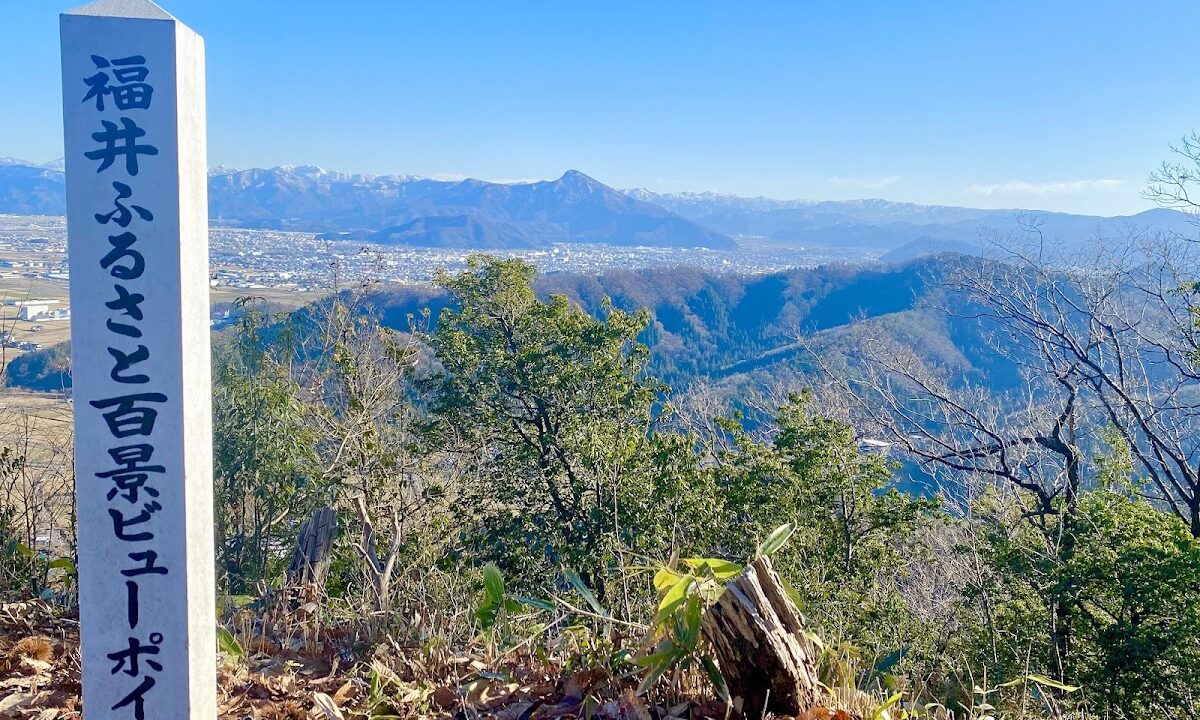
The views from the main enclosure are also one of the highlights of Mitsutokoyama Castle. From the mountaintop, you can see the town of Echizen, the Oda River basin, and even the Echizen coast.
On clear days, you can even see the Sea of Japan, demonstrating the castle’s excellent location as a surveillance base. Visiting the castle from spring to autumn is recommended, especially during the seasons of fresh greenery and autumn foliage, when you can enjoy beautiful scenery.
Excellent Views
The views from the main enclosure are another highlight of Mitsutokoyama Castle. From the mountaintop, you can see the town of Echizen, the Oda River basin, and even the Echizen coast.
On clear days, you can even see the Sea of Japan, giving you a real sense of the castle’s excellent location as a surveillance base. Visiting from spring to autumn is recommended, as the scenery is particularly beautiful during the seasons of fresh greenery and autumn leaves.
Harmony with the Natural Environment
Mitsutokoyama Castle is located in a lush, natural forest, allowing visitors to fully enjoy the nature of Echizen by visiting the castle ruins. The path to the castle is a mountain trail, making it enjoyable as a hike.
In spring, wildflowers bloom; in summer, the forest is lush; and in autumn, the leaves change color. Enjoying the changing seasons while strolling through history is another attractive feature.
How to Access Mitsutokoyama Castle
Access by Public Transportation
The nearest stations for public transportation are Takefu Station or Sabae Station on the JR Hokuriku Main Line. However, the castle ruins are some distance from the stations, so a bus or taxi is necessary.
You can also take a Fukui Railway bus towards Echizen Town and walk from the nearest bus stop. However, since the number of buses is limited, it is recommended to check the timetable in advance.
Access by Car
Access by car is the most convenient. From the Takefu or Sabae Interchanges on the Hokuriku Expressway, head towards Echizen Town via national and prefectural roads.
While you can drive close to the castle ruins, parking space near the entrance is limited, so please be careful not to park on the road. Please park respectfully and avoid inconveniencing local residents.
Points to Note When Visiting the Castle
When visiting Mitsutokoyama Castle, please note the following:
- Clothing and Equipment: Since you will be walking on mountain paths, comfortable clothing and non-slip shoes are essential. Particular caution is needed after rain, as the ground can become slippery.
- Season and Weather: In summer, take precautions against insects; in winter, be aware of snow and ice. It is also recommended to avoid visiting on days with bad weather.
- Estimated Time: It takes approximately 20-30 minutes on foot from the entrance to the main enclosure. Allow approximately 1.5 to 2 hours for the round trip and sightseeing time.
- Safety Measures: Avoid visiting the castle alone; it is recommended to visit with multiple people if possible. Also, check the cell phone signal strength beforehand.
- Manners: The castle ruins are a valuable cultural asset. Please observe proper etiquette when visiting, refraining from damaging the remains or littering.
Nearby Tourist Spots
Historical and Cultural Facilities of Echizen Town
When visiting Mitsutokoyama Castle, it is recommended to also visit other tourist spots in Echizen Town.
Echizen Town Oda Cultural History Museum: This facility allows you to learn about the history and culture of Echizen Town, and includes exhibits related to the Oda clan, considered to be the roots of Oda Nobunaga. You can deepen your understanding of the medieval history of the region, including Mitsutokoyama Castle.
Tsurugi Shrine: This ancient shrine is considered the tutelary shrine of Oda Nobunaga and has a main hall designated as a National Important Cultural Property. Many visitors come to this shrine, which holds great historical value.
Natural Scenery of the Echizen Coast
Echizen Town faces the Echizen Coast, offering beautiful coastal scenery. The area around Cape Echizen, in particular, is known for its scenic beauty, with magnificent views of towering cliffs and uniquely shaped rocks.
Echizen Crab and Local Cuisine
Fukui Prefecture is famous as a production area for Echizen crab. During the winter months (November to March), visitors can enjoy fresh Echizen crab, attracting many tourists. Echizen Town also boasts numerous restaurants serving dishes made with fresh seafood.
Research and Preservation Activities of Mitsutokoyama Castle
Academic Value
Mitsutokoyama Castle is one of the important historical sites for studying the network of branch castles of the Asakura clan. It is a valuable resource for understanding the distribution and structure of medieval castles in Echizen Province, and is attracting attention in the fields of archaeology and castle research.
In recent years, local historians and castle researchers have conducted surveys, creating layout maps and detailed records of the remains. These research findings clarify the historical value of Mitsutokoyama Castle and serve as foundational data for appropriate preservation and management.
Challenges in Preservation and Utilization
Preserving and utilizing medieval mountain castles like Mitsutokoyama Castle presents several challenges.
First, because it is located in a forest, management is necessary to prevent damage to the remains from tree growth and natural disasters. Furthermore, improvements to access routes and safety measures are required to accommodate the increasing number of visitors.
On the other hand, excessive development could lead to the destruction of the remains, so balancing preservation and utilization is crucial. Local governments, researchers, and residents need to cooperate to consider appropriate preservation, management, and utilization methods.
Regional Initiatives
Echizen Town is working on tourism promotion and educational activities utilizing the region’s historical heritage, including Mitsutokoyama Castle. Local elementary and junior high schools sometimes conduct castle site visits as part of their local history studies, utilizing it as a place to learn about local history.
Furthermore, guided tours and events for castle enthusiasts and history buffs are being considered to increase awareness of Mitsutoyama Castle and promote its appropriate use.
To fully enjoy the charm of Mitsutoyama Castle
Recommended pre-visit learning
Before visiting Mitsutoyama Castle, gaining basic knowledge about the history of the Asakura clan and the structure of medieval mountain castles will make your visit more fulfilling.
Reading books on the Sengoku period history of Echizen at the library or researching information about medieval castles online will change how you view the castle ruins. Checking the castle layout map beforehand will be particularly helpful when searching for remains on site.
Photography tips
Photographing at Mitsutoyama Castle is valuable both as a record of the remains and as a memento. Keeping the following points in mind will help you take better photos:
- Photographing moats and trenches: Take photos from multiple angles to show the angle and depth of the slopes.
- View from the Main Enclosure: On sunny mornings, the lighting is excellent, allowing for beautiful landscape photographs.
- Details of the Remains: Recording the details of defensive structures such as earthworks and cliffs will be helpful when reviewing later.
- Seasonal Changes: Recording the different appearances of the castle in each season, such as the fresh greenery of spring and the autumn foliage, is another enjoyable aspect.
Comparison with Other Asakura Clan Castles
To gain a deeper understanding of Mitsutoyama Castle, it is helpful to compare it with other castles related to the Asakura clan.
Ichijodani Asakura Clan Ruins (Fukui City) was the base of the Asakura clan, and the remains of the castle town are well-preserved. Visiting other Asakura clan branch castles such as Komaru Castle and Togo Makiyama Castle will also help you understand the Asakura clan’s governing system and castle construction techniques.
By visiting these castles, you will gain a clearer understanding of Mitsutoyama Castle’s position within the Asakura clan’s network of branch castles. ## Summary: The Historical Significance of Mitsutokoyama Castle
Mitsutokoyama Castle is a valuable historical site that tells the story of the Asakura clan’s rule in Echizen Province during the Sengoku period. While it lacks a magnificent keep or stone walls, it preserves the typical form of a medieval mountain castle built as an earthen fortress.
The remains of moats, vertical trenches, and baileys are valuable resources that convey the castle-building techniques and defensive philosophies of the time. Visiting the site in person provides a sense of presence and understanding that cannot be obtained from textbooks or documents alone.
When visiting Echizen Town, be sure to visit Mitsutokoyama Castle and experience the historical romance of the Sengoku period and the nature of Echizen. By preparing appropriately, using the right equipment, and observing proper etiquette, you will also contribute to passing on this valuable cultural asset to future generations.
Mitsutokoyama Castle is not a famous castle, but that is precisely why it has the charm of quietly confronting history. It is a recommended historical site not only for castle enthusiasts, but also for those interested in history and those who want to enjoy hiking in nature.


