Complete Guide to Yonamoto Castle (Yachiyo City, Chiba Prefecture) | Detailed Explanation of the Murakami Clan’s Residence and Remains
Overview of Yonamoto Castle
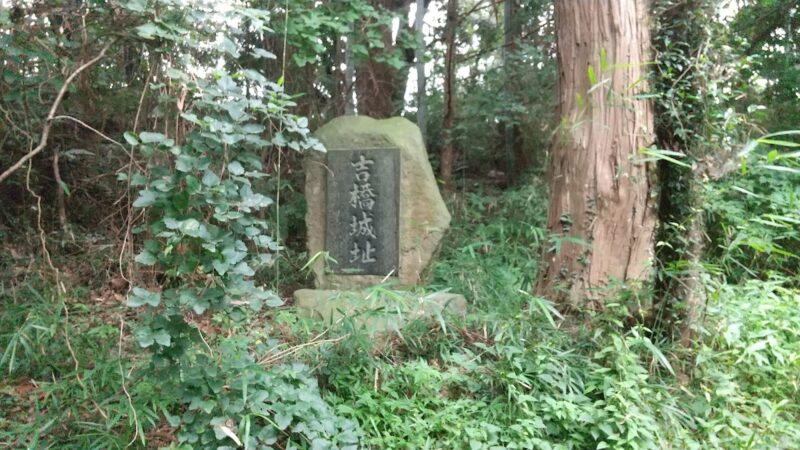
Yonamoto Castle (Yonamoto-jo) is a medieval Japanese castle located in Yonamoto, Yachiyo City, Chiba Prefecture. Locally known as “Ryuge-jo,” it is known as the residence of the Murakami clan, a powerful local lord in the surrounding area from the Muromachi period to the Sengoku period.
Built on a tongue-shaped plateau on the east bank of the Shinkawa River, Yonamoto Castle was one of the important strongholds in Shimosa Province during the Sengoku period. Although the main enclosure was largely destroyed by sand mining in 1967, remains such as baileys, earthworks, dry moats, and earthen bridges still remain, conveying the appearance of a medieval castle.
Common Names and Alternate Names
Yonamoto Castle is known by several names in addition to its official name. The most common alternative name is “Ryūga-jō” (Dragon Fang Castle), which is thought to originate from local legends and the castle’s imposing appearance. It is also sometimes simply called “Yonemoto Castle Ruins” or “Yonemoto Castle.”
Location and Former Province
Location: Uchijuku-minami, Yonemoto, Yachiyo City, Chiba Prefecture
Former Province: Shimōsa Province
Shimōsa Province, where Yonemoto Castle was built, occupied a vast area spanning from northern Chiba Prefecture to southwestern Ibaraki Prefecture. In the Middle Ages, this region was dominated by samurai groups centered around the Chiba clan, and numerous castles and residences were built.
History of Yonemoto Castle
Construction and the Murakami Clan
There are various theories regarding the construction period of Yonemoto Castle, but the most widely accepted theory is that it was built during the Tenbun era (1532-1555) by Murakami Kunitsuna and Tsunakiyo, father and son, vassals of the Chiba clan. The Murakami clan, as important retainers of the Chiba clan, were entrusted with governing this region.
The Murakami clan ruled this area for generations, using Yonemoto Castle as their base and exerting influence over the surrounding region. Murakami Tsunakiyo, known as the castle lord, was a figure who dedicated himself to the defense and management of his territory during the turbulent Sengoku period.
The Turmoil of the Sengoku Period
During the Sengoku period, Shimosa Province was a fierce battleground where forces such as the Hojo, Satomi, and Satake clans clashed. Yonemoto Castle was also caught up in this turmoil.
There is a legend that the castle fell to Ota Dokan during the Bunmei era (1469-1487), but this record lacks sufficient historical evidence and is uncertain. However, this legend suggests that Yonemoto Castle was strategically important.
The Fall of the Castle in Eiroku 1
Regarding the final fate of Yonemoto Castle, records indicate that it fell after an attack in Eiroku 1 (1558). It is said that at this time, the castle lord, Murakami Tsunakiyo, committed suicide.
At that time in Shimosa Province, the Chiba clan’s power was declining, while the Hojo clan’s influence was increasing. The fall of Yonemoto Castle is thought to have occurred amidst this shift in power dynamics. With the downfall of the Murakami clan, Yonemoto Castle was abandoned.
Year of Abandonment: Eiroku 1 (1558)
Yonemoto Castle in the Modern Era
From the Edo period onward, Yonemoto Castle was completely abandoned, and the land was used for agriculture and other purposes. However, around 1967, sand mining operations caused significant damage to the main enclosure, the core of the castle. This earth removal work resulted in a major loss of valuable historical heritage.
Currently, the preservation and utilization of the remaining structures are a local issue, and some areas are being developed.
Structure of Yonemoto Castle
Location and Layout
Yonemoto Castle was built on the tip of a tongue-shaped plateau on the east bank of the Shinkawa River. This terrain functioned as a natural stronghold, and its location, surrounded on three sides by rivers and valleys, was ideal for defense.
The castle’s layout is thought to have been a series of interconnected enclosures that skillfully utilized the plateau’s topography. Multiple enclosures were arranged around the main enclosure, each demarcated by dry moats and earthen ramparts.
Main Enclosure (Honmaru)
The main enclosure, the central part of Yonemoto Castle, was located at the highest point of the plateau. It is presumed that the lord’s residence and important facilities were located here. However, as mentioned above, the main enclosure was destroyed to such an extent by sand mining in 1967 that it no longer retained its original form.
Currently, it is difficult to know the exact size and structure of the main enclosure, but from the remaining surrounding remains, it can be inferred that it was a considerably large enclosure.
Enclosures
Yonemoto Castle had multiple enclosures. The currently accessible enclosure is located off the road on the north side. This enclosure is relatively well-preserved and is surrounded by earthen ramparts.
The size and layout of the enclosures suggest its characteristics as a practical, warlike castle from the Sengoku period. Each enclosure likely functioned as an independent defensive unit, forming a tiered defensive system.
Earthen Ramparts
The earthen ramparts are the best-preserved structure of Yonemoto Castle. The ramparts surrounding the enclosures, approximately 2-3 meters high, still exist, conveying the castle’s defensive capabilities at the time.
The ramparts were not simply mounds of earth, but were constructed robustly using techniques such as rammed earth. It is presumed that fences or walls were built on top of the ramparts to enhance their defensive capabilities.
Dry Moats
Dry moats played a crucial role as defensive structures at Yonemoto Castle. Deep dry moats were dug between enclosures, or to separate the castle from the outside.
Even today, a dry moat with an earthen bridge remains on the north side, allowing us to confirm its scale. The depth of the dry moat varies depending on the location, but it is believed to have reached over 5 meters in some places.
Earthen Bridge
Earthen bridges spanned the dry moat, serving as passageways between the baileys. These earthen bridges, constructed by leaving sections of the moat unexcavated, were important defensive structures that restricted enemy incursions.
The existing earthen bridges are narrow, limiting the number of people who can cross at one time. This was a defensive design choice, effective in slowing down the attacking army’s advance. However, currently, some sections of the earthen bridges are impassable due to fallen trees and other obstacles.
Watchtower Base
Within the castle grounds, elevations believed to be watchtower bases have been identified. Watchtower bases functioned as lookout posts and attack positions, playing a crucial role in monitoring the surroundings and understanding enemy movements.
The watchtower bases of Yonemoto Castle are thought to have been positioned at the corners of the main enclosures and other strategic locations, forming the core of the castle’s defensive system.
Remains of Yonemoto Castle
Existing Remains
The following remains can still be seen at Yonemoto Castle:
- Enclosures: Multiple enclosure remains remain
- Earthworks: Well-preserved around the enclosures
- Dry Moats: Multiple deep moats remain
- Earthbridges: Earthen bridges spanning the dry moats still exist
- Watchtower Bases: Elevations presumed to be observation posts
These remains exhibit typical structures of medieval castles and are valuable resources for understanding castle construction techniques of the Sengoku period.
Preservation Status of Remains
The main enclosure was lost due to sand quarrying, but the surrounding remains are preserved in relatively good condition. The baileys, earthworks, and dry moats, particularly in the northern area, are clearly visible, allowing for estimations of the castle’s size and structure at the time.
However, in some areas, overgrown trees and fallen trees make it difficult to confirm the remains. Furthermore, natural deterioration is progressing, with parts of the earthworks collapsing due to years of weathering.
Current Status of Maintenance
Currently, the Yonemoto Castle site has only received minimal maintenance. While guide signs have been installed along the main viewing routes and some walking paths have been developed, it has not yet reached the stage of being a full-fledged historical park.
Local history enthusiasts and castle researchers are calling for more comprehensive maintenance and preservation. With proper maintenance, it has the potential to become an attractive historical site that will draw many visitors.
Access and Transportation to Yonemoto Castle
Access by Public Transportation
By Train and Bus:
- Approximately 30-40 minutes on foot from Yachiyo-Chuo Station or Murakami Station on the Toyo Rapid Railway
- Take the Toyo Bus bound for Yonemoto Danchi from Katsutadai Station on the Keisei Main Line, get off at Yonemoto Danchi bus stop, and walk for approximately 10 minutes.
While access by public transportation is somewhat inconvenient, you can enjoy exploring the surrounding area before visiting.
Access by Car
From Major Roads:
- Approximately 20 minutes from Chiba-Kita IC on the Higashi-Kanto Expressway
- Accessible via Prefectural Roads from National Route 16
Parking: There is no dedicated parking lot, but there are parking spaces along the roads around the castle ruins. However, consideration should be given to avoiding disturbing local residents.
Points to Note When Visiting
- The castle ruins are adjacent to a residential area, so consideration for the neighbors regarding noise and other issues is necessary.
- Some of the remains may be on private property, so please do not enter restricted areas.
- There are fallen trees and uneven footing, so comfortable shoes are recommended.
- In summer, bushes and grass grow thick, so spring and autumn are the best times to visit.
- There are few information boards and explanatory signs, so it is recommended to check materials in advance.
Related Historical Sites Around Yonehonjo Castle
Sakura Castle
Located approximately 15km northeast of Yonehonjo Castle, Sakura Castle is known as a famous castle from the Edo period. It developed from the base of the Chiba clan and is a historical site deeply connected to the history of Yonehonjo Castle. Currently, it is maintained as Sakura Castle Ruins Park and has been selected as one of Japan’s Top 100 Castles.
Other Castle Sites in Yachiyo City
Besides Yonemoto Castle, several other medieval castle sites remain in Yachiyo City:
- Murakami Castle: A castle site believed to be another base of the Murakami clan
- Takatsu Castle: A castle site positioned as a branch castle of Yonemoto Castle
- Shimada Castle: A medieval castle built in the Shinkawa River basin
By visiting these castle sites, you can understand the overall picture of the castle network in Shimosa Province during the Sengoku period.
Nearby Historical Spots
- Yonemoto Shrine: A shrine that has been revered since ancient times as the guardian shrine of the Yonemoto region
- Yachiyo City Local History Museum: A facility where you can learn about the history and culture of the region
- Nature around Shinkawa River: A walking trail where you can experience the terrain in which the castle was built
Highlights of Yonemoto Castle
Combination of Earthworks and Dry Moats
The greatest highlight of Yonemoto Castle is the combination of well-preserved earthworks and dry moats. The height of the earthen ramparts surrounding the baileys and the deep dry moats dug in front of them are valuable remains that allow you to truly appreciate the defensive system of a medieval castle.
Particularly in the northern area, the scale of the dry moats extending on both sides of the earthen bridge is impressive, demonstrating the high level of castle-building technology of the time.
Layout Utilizing the Topography
The layout, which skillfully utilizes the natural topography of a tongue-shaped plateau, is also noteworthy. The arrangement of baileys that takes advantage of the elevation differences of the plateau, and the defensible nature of being surrounded by valleys on three sides, strongly reflect the castle-building philosophy of the Sengoku period.
By walking around the castle ruins and feeling the changes in the terrain, you can understand why the castle was built in this location.
A Quiet Historical Atmosphere
Yonemoto Castle Ruins have not been developed into a large-scale tourist destination, making it a place where you can quietly feel the history. Because there are few visitors, you can carefully observe the remains and reflect on the Sengoku period.
In spring, the fresh greenery is beautiful, and in autumn, the autumn leaves are stunning, allowing visitors to enjoy a stroll through the castle ruins amidst the changing seasons.
Historical Significance of Yonemoto Castle
Position in Shimosa Province
Yonemoto Castle played an important role as a small to medium-sized regional base in Shimosa Province during the Sengoku period. Located within the sphere of influence of the Chiba clan, and ruled by the powerful local lord Murakami clan, it is a valuable example illustrating the realities of regional governance.
Unlike the large castles of Sengoku daimyo, as a castle of a local lord rooted in the region, it is an important historical site for understanding the social structure of the time.
Value for Castle Research
The remains of Yonemoto Castle exhibit a typical structure of small to medium-sized castles in the Kanto region during the Sengoku period. The arrangement and scale of basic defensive facilities such as earthworks, dry moats, and baileys provide valuable data for comparative research with other castles of the same period.
Although the main bailey has been lost, it is possible to glean insights into the castle construction techniques and defensive philosophies of the time from the remaining structures.
Importance in Local History
Yonemoto Castle holds a significant place in the history of Yachiyo City. The period of Murakami rule, and the castle’s fall and the Murakami clan’s downfall, marked a turning point in the region’s history.
The continued existence of the place name “Yonemoto” and the alternative name “Ryuga Castle” indicates that the castle is remembered as an integral part of the region’s identity.
Guide to Visiting Yonemoto Castle
Recommended Sightseeing Route
- Enter from the North Entrance: Enter the castle grounds from the entrance along the road.
- Observe the Earthen Bridge and Dry Moat: Carefully observe the earthen bridge and dry moat, which are the first things you’ll see.
- Explore the Enclosure: Walk through the enclosure surrounded by earthen ramparts.
- View from the Earthen Ramp: Look out over the surrounding area from the ramparts as far as possible.
- Confirm the Topography: Go to the edge of the plateau and experience the difference in elevation between the plateau and the valley.
Estimated Visiting Time
A visit to Yonemoto Castle usually takes about 30 minutes to 1 hour. If you want to carefully observe the remains or enjoy taking photographs, it’s a good idea to allow about 1.5 hours.
Useful Items to Bring
- Comfortable Walking Shoes: Essential due to uneven terrain.
- Long-Sleeved Shirt and Long Pants: To protect yourself from vegetation and insects.
- Drinking Water: Few vending machines in the area.
- Maps and Documents: Prior information gathering is important due to the scarcity of signposts.
- Camera: For documenting the ruins.
- Insect Repellent: Especially necessary in summer.
Best Season
The best time to visit Yonemoto Castle is spring (March-May) and autumn (October-November). During these times, the weather is mild, vegetation is sparse, and the ruins are easier to observe.
Autumn, in particular, offers beautiful autumn foliage and is ideal for strolling around the castle ruins. While summer brings overgrown vegetation and winter makes the ruins easier to see due to fallen leaves, cold weather precautions are necessary.
Summary
Yonemoto Castle is a valuable example of a Sengoku period castle ruin remaining in Yachiyo City, Chiba Prefecture. Yonemoto Castle flourished as the residence of the Murakami clan and played a significant role in the history of this region until its fall in 1558.
Although the main citadel was lost due to sand quarrying, the remaining structures such as baileys, earthworks, dry moats, and earthen bridges are valuable historical sites that convey the structure of a medieval castle. While not extensively renovated, it is a place where one can quietly feel history, making it a worthwhile castle site for castle enthusiasts and history buffs.
Yonemoto Castle, which demonstrates the reality of regional control in Shimosa Province, occupies an important position in the history of Japanese castles. Visiting it along with related historical sites in the surrounding area will allow for a deeper understanding of the history of the Kanto region during the Sengoku period.
When visiting Yachiyo City, be sure to visit Yonemoto Castle ruins and experience the spirit of the Sengoku period.