Natsumi Castle (Funabashi City, Chiba Prefecture) Complete Guide | History, Highlights, Access, and Surrounding Castle Ruins Explained in Detail
Natsumi Castle, located in Natsumi, Funabashi City, Chiba Prefecture, is a hilltop castle with valuable remains from the Sengoku period. Although currently part of the grounds of Chofuku-ji Temple, the castle’s fortifications, such as earthworks, are well-preserved, making it a historically significant site as the only castle in Funabashi City whose lord is known.
This article comprehensively explains everything you need to know before visiting Natsumi Castle, from its historical background to its highlights, access methods, and information on surrounding castle ruins.
Basic Information on Natsumi Castle
Location: 6-23 Natsumi, Funabashi City, Chiba Prefecture
Castle Structure: Hilltop Castle
Main Lord: Natsumi Masayoshi (Natsumi Kaga-no-kami Masayoshi)
Construction Period: Eiroku Era (1558-1569)
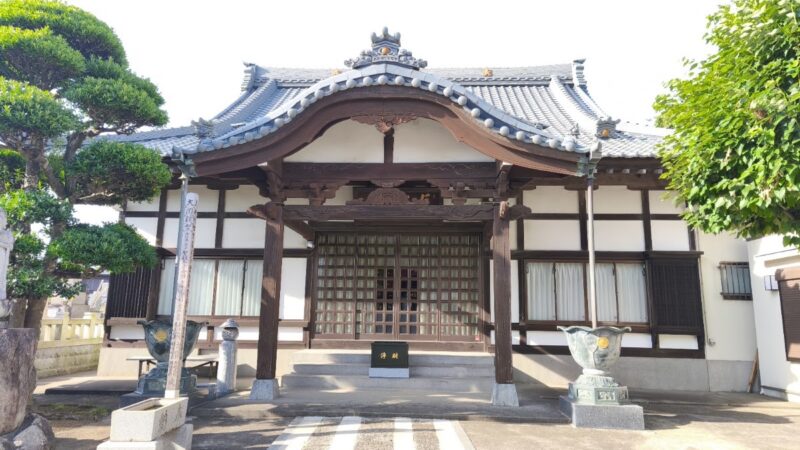
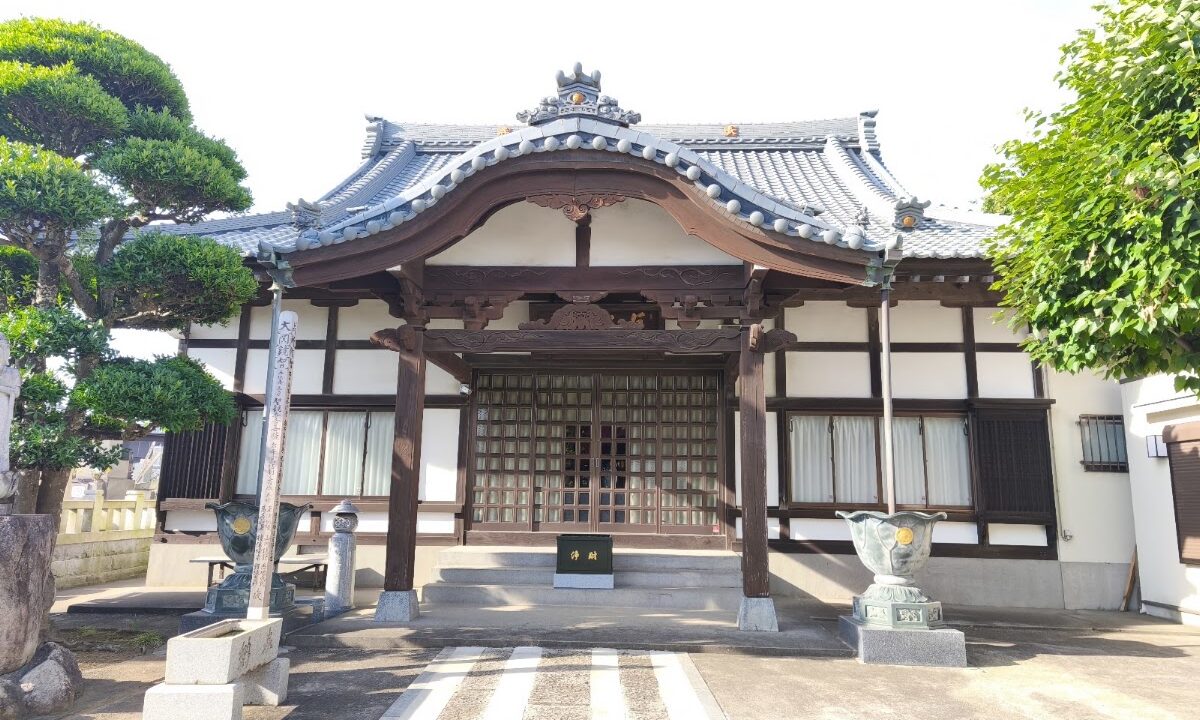
Current Status: Chofuku-ji Temple (Soto Zen sect)
Main Remains: Enclosures, earthworks
Elevation: Approximately 20 meters
Relative Height: Approximately 13 meters
Natsumi Castle is a medieval castle built on a strategically important location at the eastern tip of the Natsumi Plateau in Funabashi City. It is a hilltop castle utilizing the slightly elevated terrain of the plateau, and even today, its location gives a sense of its castle site.
History of Natsumi Castle
Construction and Lord Natsumi Masayoshi
Natsumi Castle is said to have been built during the Eiroku era (1558-1569) by Natsumi Kaga-no-kami Masayoshi. Among the many castles that existed in Funabashi City, Natsumi Castle is a valuable castle site as it is the only one with a clearly recorded lord.
Although detailed records of Natsumi Masayoshi are scarce, it has been suggested that he may have been a member of the Toyoshima clan, who were lords of Ishigami Castle in Musashi Province. The Toyoshima clan was a powerful samurai group based in Musashi Province from the Muromachi period to the Sengoku period, and it is believed that a branch of this clan advanced to this area in Shimosa Province and adopted the name Natsumi.
Fall of the Castle in Eiroku 11
The most important event in the history of Natsumi Castle is its fall in Eiroku 11 (1568). In that year, Natsumi Castle was attacked by a local powerful family. Masayoshi Natsumi fought valiantly to defend the castle, but ultimately his efforts were in vain, and the castle fell.
This period was the height of the Sengoku period (Warring States period) in the Kanto region, with the Hojo, Satomi, and Uesugi clans vying for power. The area around Funabashi, near the border of Shimosa and Kazusa provinces, was a strategically important location situated between these powerful forces, and local lords were constantly in a state of tension.
Relationship with Chofuku-ji Temple
Interestingly, Masayoshi Natsumi is not only the lord of the castle but is also credited with restoring Chofuku-ji Temple, which now stands on the castle site. It was not uncommon for Sengoku warlords to be involved in the protection or restoration of temples, suggesting that they valued their relationship with religious institutions as part of their regional control.
After the castle fell, Chofuku-ji Temple was built on the site and continues to function as a temple to this day. Therefore, a unique landscape has been formed where castle ruins and temple architecture coexist.
Castle Structure and Layout
Location as a Hilltop Castle
Natsumi Castle is a hilltop castle built on a plateau approximately 20 meters above sea level and 13 meters above sea level. It cleverly utilizes the topography of the eastern tip of the Natsumi Plateau, securing a defensive advantage by being located on high ground overlooking the surrounding area.
A hilltop castle is a castle built on a small hill or plateau in a flat area. While not as rugged as a mountain castle, it offers greater defensive capabilities than a flatland castle. Many castles utilizing such terrain were built in the Kanto region during the Sengoku period.
Layout of Enclosures
The castle area that can be confirmed today is within the grounds of Chofuku-ji Temple and its surroundings. The area considered to be the main enclosure (honmaru) is estimated to be near the current main hall of Chofuku-ji Temple, although some point out that its size is somewhat small. This is a typical size for a medieval local lord’s residence, suggesting that it was more of a regional control base than a large-scale military base.
Layout of Enclosures ### Remains of the Earthworks
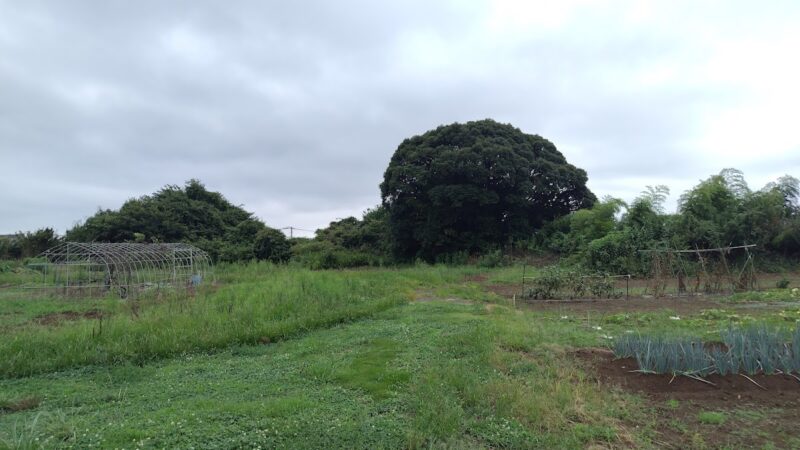
The most important remains of Natsumi Castle are the earthworks located behind the temple grounds (east side). These earthworks are remarkably long and well-preserved, making them valuable historical artifacts as a defensive structure of a medieval castle.
Earthworks are defensive structures built by piling up earth to prevent enemy intrusion, and their defensive capabilities were further enhanced by adding fences or walls on top. The earthworks of Natsumi Castle retain much of their original form, and their height and shape offer insights into the castle-building techniques of the time.
Highlights and Visitor Guide to Natsumi Castle
Strolling Through the Grounds of Chofuku-ji Temple
When visiting the Natsumi Castle ruins, it is common to begin by exploring the grounds of Chofuku-ji Temple. The temple belongs to the Soto Zen sect, offering a peaceful atmosphere where you can combine worship with a visit to the castle ruins.
The temple grounds are well-maintained, and you can see the main hall, living quarters, and other temple buildings. The temple has a long history, dating back to its restoration by Natsumi Masayoshi, making it an interesting place to consider the relationship between faith and regional control during the Sengoku period. ### Points of Interest Regarding the Earthworks
Behind the temple grounds (east side) lies the earthworks, the most notable feature of Natsumi Castle. However, this area is a cemetery, and some parts may be designated as restricted areas.
According to visitor reports, there is an entry point from the cemetery into the castle ruins, from which the earthworks can be observed. However, if there are restrictions on entry, it is important to respect them and limit observation to what is visible from within the temple grounds.
By observing the height, slope, and construction method of the earthworks, one can appreciate the castle-building techniques of the Sengoku period. Their considerable length provides clues to imagining the scale of the castle.
Experiencing the Topography of the Castle Ruins
Since the entire grounds of Chofuku-ji Temple are located on a plateau, one can experience the difference in elevation from the surrounding terrain. Looking around from the temple grounds, one can understand why this location was chosen for the castle.
Standing on the edge of the plateau, in particular, allows you to truly appreciate the defensive advantages of its approximately 13-meter elevation. During the Sengoku period (Warring States period), this high vantage point allowed for monitoring the surrounding area and detecting enemy movements early.
Points to Note When Visiting
The Natsumi Castle ruins are currently located within the grounds of Chofuku-ji Temple, which functions as a religious facility. Please observe the following points when visiting:
- Observe proper etiquette as a worshipper.
- Enter the cemetery carefully and do not enter restricted areas.
- When taking photographs, be considerate of those around you.
- Refrain from loud conversations and noise.
- Always take your trash with you.
Especially the earthworks and other remains are valuable cultural assets; touching or climbing them should be avoided. Viewing should be primarily visual observation, and efforts should be made to protect the remains.
Access Methods
Access by Train
Nearest Station: JR Sobu Line “Higashi-Funabashi Station”
Travel Time: Approximately 15-20 minutes on foot from the station (approximately 1.5 km)
From Higashi-Funabashi Station to Natsumi Castle Ruins (Chofuku-ji Temple), head northwest. The easiest route is to head north on Prefectural Road 9 (Funabashi-Abiko Line) from the station towards Natsumidai.
Walking Route
- Exit the north exit of Higashi-Funabashi Station
- Head north on Prefectural Road 9
- Turn west at Natsumi Intersection
- Proceed through the residential area to Chofuku-ji Temple
Since the route passes through a residential area, we recommend using a map app or navigation.
Access by Car
Parking: Chofuku-ji Temple may have parking spaces for visitors, but the number is limited. Check in advance or consider using nearby coin-operated parking lots.
Access from Major Roads:
- Approximately 10 minutes from the Hanawa Interchange on the Keiyo Expressway
- Accessible from National Route 14
Combined Visit with Nearby Castle Ruins
Approximately 1.5 km south of Natsumi Castle lies the Yonegasaki Castle ruins, about a 15-minute walk away. If you have ample time, visiting both castles together will provide a deeper understanding of medieval castles in the Funabashi area.
Nearby Castle Ruins and Historical Spots
Yonegasaki Castle (Funabashi City)
Yonegasaki Castle is the closest castle ruins to Natsumi Castle. It’s about a 15-minute walk away, and like Natsumi Castle, it retains castle remains from the Sengoku period. Yonegasaki Castle is also a flatland castle built on a plateau, sharing similar geographical features.
Visiting both castles allows you to consider the castle layout and regional governance in this area during the Sengoku period.
Other Castle Sites in Funabashi City
Besides Natsumi Castle, there are several other medieval castle sites in Funabashi City:
- Funabashi Castle: A castle believed to have existed in the city center of Funabashi
- Iiyamamitsu Castle: Castle site located in the Iiyamamitsu area
While the remains of these castles are not as clearly defined as those of Natsumi Castle, they are important historical sites for understanding the region’s history.
Funabashi City Local History Museum
If you would like to learn more about the history of Funabashi, including Natsumi Castle, we recommend visiting the Funabashi City Local History Museum. It displays archaeological and historical materials from the city, allowing you to deepen your understanding of medieval Funabashi.
Location: 4-25-19 Yakuendai, Funabashi City
Opening Hours: 9:00 AM – 5:00 PM (Closed Mondays)
Admission Fee: Free
Historical Significance of Natsumi Castle
The Only Castle in Funabashi City with a Clearly Identified Lord
The greatest historical value of Natsumi Castle lies in the fact that it is the only castle site in Funabashi City with a clearly recorded lord. While many medieval castles have only their remains, with the lord and construction date unclear, it is known that Natsumi Castle had a specific lord named Natsumi Masayoshi.
This is extremely important in regional history research and provides valuable clues to understanding the reality of regional rule in Shimosa Province during the Sengoku period.
The Reality of Local Powerful Clans in the Sengoku Period
The scale and structure of Natsumi Castle are typical of castles of local powerful clans during the Sengoku period. While small compared to large mountain castles and flatland castles, this reflects the power of the local powerful clan at the time.
Local lords like Natsumi Masayoshi were in a difficult position, having to protect their own territories while maintaining relationships with larger powers (such as the Hojo and Satomi clans). The fall of the castle in 1568 illustrates the harsh realities of the Sengoku period.
Preservation of Castle Ruins
Thanks to being protected as part of the grounds of Chofuku-ji Temple, the earthworks of Natsumi Castle have remained in relatively good condition to this day. In the increasingly urbanized city of Funabashi, the preservation of such medieval ruins is invaluable, and appropriate protection is needed in the future.
Best Season to Visit Natsumi Castle
Spring (March-May)
The grounds of Chofuku-ji Temple are planted with trees, and spring is a beautiful season with fresh greenery. The weather is mild, making it suitable for exploring the castle ruins. During cherry blossom season, you may be able to enjoy the picturesque scenery of the castle ruins and cherry blossoms.
Autumn (September-November)
Autumn is also a suitable season for visiting the castle ruins. During the autumn foliage season, the trees on the temple grounds change color, further enhancing the historical atmosphere. The temperature is also pleasant, making long strolls comfortable.
Times to Avoid
Mid-summer (July-August) is hot, and sightseeing in areas with little shade can be physically exhausting. Also, the rainy season can make walking difficult, so it’s best to avoid visiting during this time.
Advice for Castle Enthusiasts Visiting Natsumi Castle
Preparation
Before visiting Natsumi Castle, we recommend the following preparations:
- Check the map: Check the route in advance using a map app on your smartphone.
- Prepare for history: Learn about the history of Natsumi Castle using this article and reference materials.
- Prepare your camera: To record remains such as earthworks.
- Appropriate attire: Wear comfortable shoes and clothing appropriate for the season.
Points to Note During Your Visit
When visiting the castle ruins, paying attention to the following points will deepen your understanding:
- The topography of the plateau and the difference in elevation from the surrounding area
- The height, length, and shape of the earthworks
- The arrangement and size of the baileys
- The relationship with Chofuku-ji Temple
How to Keep Records
Keeping records of your visit will be helpful when looking back later:
- Photographs (remains, overall views, information boards, etc.)
- Notes (points noticed, impressions, etc.)
- GPS log (record of the route walked)
Reference Information Regarding Natsumi Castle
Related Books
Books on the history of Funabashi City and castles in Chiba Prefecture:
- *History of Chiba Prefecture* (Yamakawa Publishing)
- *Medieval Castles of Chiba Prefecture*
- *History of Funabashi City*
- *Illustrated Guide to Castles of Boso Peninsula*
These books contain detailed explanations of castles in the region, including Natsumi Castle.
Online Information
Castle information websites allow you to see experiences and photos from people who have actually visited. Sites such as Kojodan and Shirobito feature comments and reviews from visitors, which are useful for gathering information before visiting.
Local History Research
The Funabashi City Board of Education and local history research societies conduct research on the local history, including Natsumi Castle. For more specialized information, you can contact these organizations.
Summary
Natsumi Castle is a valuable castle ruin from the Sengoku period remaining in Funabashi City, Chiba Prefecture. The site is of high historical value due to the clear record of its lord, Masayoshi Natsumi, and the well-preserved earthworks.
Currently, it is part of the grounds of Chofuku-ji Temple, creating a unique landscape where religious facilities and castle ruins coexist. Located within walking distance of JR Higashi-Funabashi Station, it’s easily accessible not only for castle enthusiasts but also for anyone interested in local history.
The historical fact of its fall in 1568 (Eiroku 11) conveys the harsh realities faced by local powerful families during the Sengoku period. Walking across the terrain of this flatland castle built on a plateau allows you to experience how people of that time utilized the landscape to construct the castle and protect their territory.
When visiting, please observe proper temple etiquette while reflecting on the historical romance of the medieval period. Visiting nearby sites such as Yonegasaki Castle will provide a deeper understanding of the Sengoku period in the Funabashi region.