Shizu Castle (Sakura City, Chiba Prefecture) Complete Guide | History, Remains, and Access Information
Shizu Castle was a medieval castle located in Kamishizu, Sakura City, Chiba Prefecture, and played an important role as a subsidiary castle of Usui Castle. Currently, it is located within the grounds of the Amenominakanushi Shrine, and is a valuable historical site where remnants such as dry moats can still be seen. This article comprehensively covers everything you need to know before visiting Shizu Castle, from its history to local highlights and access methods.
Overview and Basic Information of Shizu Castle
Shizu Castle was a flatland castle built during the Nanboku-cho period, located in Senba, Kamishizu, Sakura City, Chiba Prefecture. It was built on a hill approximately 15 meters high and is believed to have functioned as a subsidiary castle of Usui Castle.
Basic Data
- Location: Kamishizu, Sakura City, Chiba Prefecture
- Year of Construction: Early Nanboku-cho period (first half of the 14th century)
- Builder: Shizujiro Taneuji
- Castle Type: Hilltop castle
- Year of Abandonment: Kōkoku 1st year / Ryakuō 3rd year (1340)
- Current Status: Within the grounds of Amenominakanushi Shrine
- Remains: Dry moat, earthworks, part of the enclosure
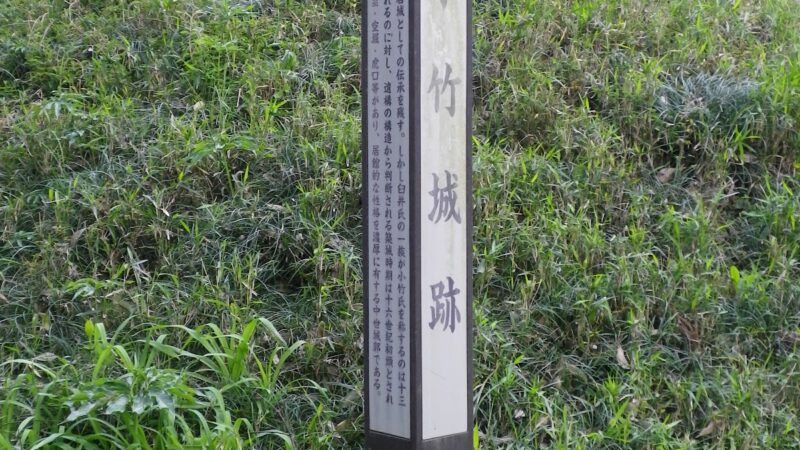
Currently, most of the castle site has been developed into residential land, and only limited remains remain to preserve its former appearance. However, within the grounds of Amenominakanushi Shrine, traces of the former castle structure, such as topography and dry moats, still remain, making it a must-see historical site for castle enthusiasts.
The History of Shizu Castle and its Lord, Shizu Jiro Taneuji
The Usui Clan and the Establishment of Shizu Castle
The existence of the Usui clan is indispensable when discussing the history of Shizu Castle. The Usui clan was a branch of the Chiba clan and wielded considerable power in Shimosa Province. Shizu Castle was built as a branch castle of Usui Castle and was an important base for protecting the Usui clan’s sphere of influence.
The lord of Shizu Castle was Shizu Jiro Taneuji, the second son of Usui Masatane. Taneuji was granted the land of Shizu and established his castle there. The place name Shizu is also said to originate from Shizu Jiro Taneuji.
The Attempted Assassination of Takewakamaru and Shizu Taneuji’s Ambition
The most dramatic event in the history of Shizu Castle was the attempted assassination of Takewakamaru, which occurred in 1314 (Showa 3).
When Usui Suketane, the lord of Usui Castle and older brother of Shizu Taneuji, died young from illness, the headship of the Usui clan was to be inherited by Suketane’s orphaned son, Takewakamaru (then only 3 years old). However, Shizu Taneuji plotted to eliminate his young nephew and become the head of the Usui clan himself, and planned to assassinate Takewakamaru.
This plot was thwarted by the quick thinking of Takewakamaru’s wet nurse and loyal retainers. Takewakamaru was secretly sheltered by Iwato Taneyasu and awaited his growth.
The Fall of Shizu Castle and the End of Shizu Taneuji
Takewakamaru grew up and took the name Usui Okitane, and in the first year of Kōkoku/third year of Ryakuō (1340), he finally attacked Shizu Castle. Besieged by Okitane’s forces, Shizu Castle fell after a fierce battle.
Shizu Taneshi resisted to the very end, but it is said that he and his wife committed suicide after the castle fell. An anecdote remains that Shizu Taneshi’s wife fought bravely alongside her husband in this battle and met her end together, making it a tragic story that symbolizes the bond between husband and wife.
Following this battle, Shizu Castle was abandoned, bringing its short history of only about 26 years to an end.
Structure and Layout of Shizu Castle
Location and Topography of the Castle
Shizu Castle was built on a hill west of Prefectural Road 155, where the current Amenominakanushi Shrine stands. It was a flatland castle utilizing a plateau approximately 15 meters high, taking advantage of its advantageous location overlooking the surrounding area.
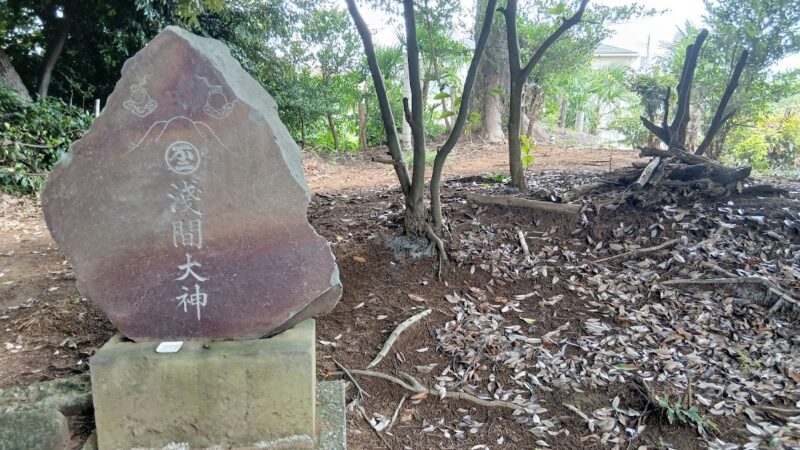
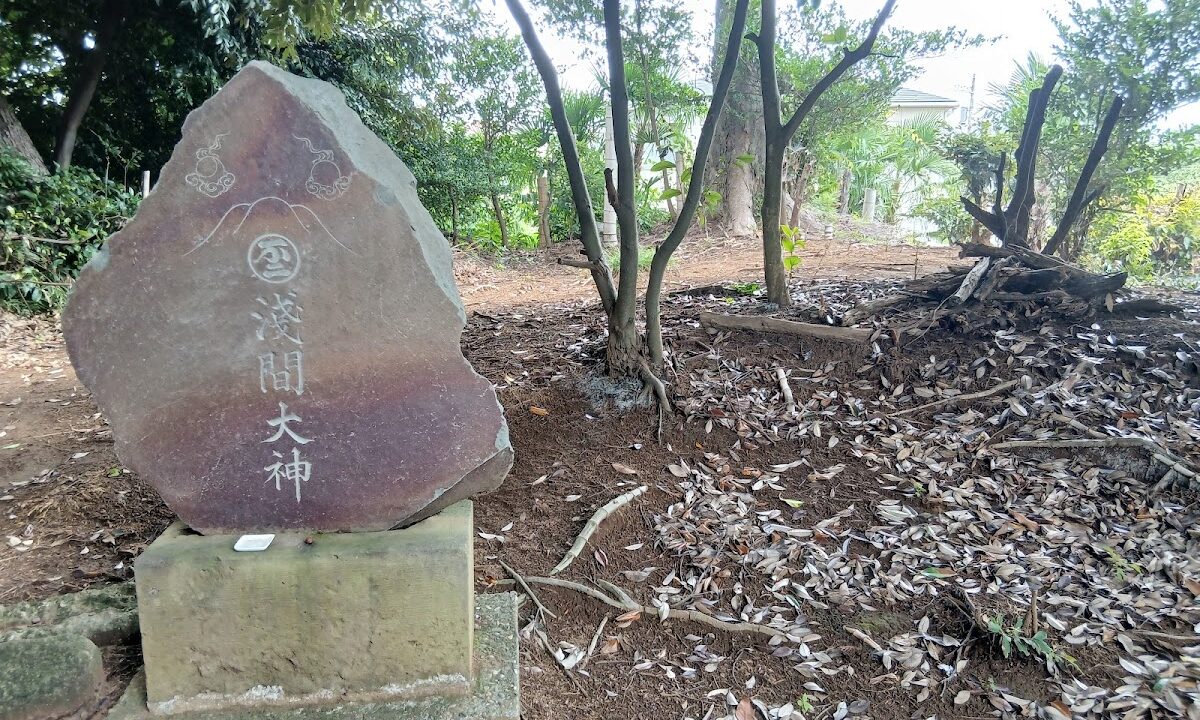
The area that is now the shrine grounds is thought to be the former main enclosure (honmaru). In particular, the elevated area where the smallpox god and Asama Shrine are enshrined has a structure resembling a watchtower base, suggesting the remains of a defensive structure from the past.
Remaining Structures
While most of the remains of Shizu Castle have been lost due to residential development, the following structures can be confirmed, mainly within the grounds of the Amenominakanushi Shrine.
Dry Moat
Traces of the former dry moat remain around the shrine. Although small in scale, it is a valuable structure that allows us to imagine the shape of a dry moat as a defensive facility.
Earthwork
Traces of earthwork can also be confirmed in some areas. Although not clear, it is possible to infer the location of the earthwork from the elevation differences of the terrain.
Enclosure (Kuruwa)
The flat area within the shrine grounds is thought to be part of the former enclosure. Multiple elevation differences are visible, suggesting the possibility of multiple enclosures being arranged.
Castle Scale and Defensive System
Due to its nature as a subsidiary castle, Shizu Castle was not as large-scale as Usui Castle, but it is thought to have possessed a certain level of defensive function. It is presumed that the castle’s layout utilized the hilly terrain, and that defensive lines were established using dry moats and earthworks.
Based on its location relative to Usui Castle, Shizu Castle is thought to have functioned as a forward base protecting the western side of Usui Castle, and as a key location indicating the Usui clan’s sphere of influence.
Shizu Castle Highlights and Castle Site Walking Guide
Grounds of Amenominakanushi Shrine
When visiting the Shizu Castle site, start by exploring the grounds of Amenominakanushi Shrine. The shrine is located along Prefectural Road 155, and after passing through the torii gate, a stone staircase leads up. The very topography of this elevated area gives a real sense of the castle’s location.
The shrine grounds are well-maintained and have a quiet, peaceful atmosphere. As you walk around the shrine, try to imagine that this was once a castle.
Searching for Traces of the Dry Moat
By carefully observing the area behind and around the shrine, you can find traces of a dry moat in depressions and elevation changes in the terrain. While not a clearly defined structure, it’s a point that castle enthusiasts shouldn’t miss.
The Tower-like Topography of the Smallpox God and Asama Shrine
The area surrounding the Smallpox God and Asama Shrine, enshrined on a slightly elevated area within the shrine grounds, has a topography resembling a tower platform. The view from here is excellent, allowing one to imagine its former function as a lookout post.
Observing the Surrounding Topography
Walking around the shrine, although the area has been developed into residential land, the hilly terrain and elevation differences remain. These features offer the enjoyment of speculating on the extent and structure of the former castle.
Shizu Castle 400th Anniversary Commemorative Project and Local Initiatives
Picture Book “Shizu Jiro and the Spirits”
2024 marks approximately 700 years since the founding of Shizu Castle. In recent years, efforts have been made in the community to convey the history of Shizu Castle. The Shizu Station South Exit Shopping Association (nicknamed “Shizumina”) produced the picture book “Shizu Jiro and the Spirits” to pass on local history to future generations.
This picture book attempts to convey the story of Shizu Jiro Tane in a way that is accessible to children, contributing to local history education.
Castle Stamp Sales
The castle stamp for Shizu Castle is sold at “Marugoto Shisui,” a regional creative information center in Shisui Town, Chiba Prefecture. Amidst the recent boom in castle stamps, the Shizu Castle stamp has also gained popularity among castle enthusiasts.
Obtaining a castle stamp is recommended as a memento of your visit and as an opportunity to learn about the history of Shizu Castle. Please note that the sales location is in the neighboring town of Shisui, not Sakura City.
Local History Preservation Activities
In the Shizu region, activities to cherish local history continue. The history of Shizu Castle is being re-evaluated as part of the region’s identity, and further research and preservation activities are expected in the future.
Access and Visiting Information for Shizu Castle
Access by Public Transportation
By Train and Bus
- Approximately 15 minutes on foot from Shizu Station on the Keisei Main Line
- Approximately 20 minutes on foot from Yukarigaoka Station on the Keisei Main Line
Shizu Station is on the Keisei Main Line, approximately 50 minutes by express train from Keisei Ueno Station and approximately 15 minutes from Keisei Tsudanuma Station. The path from the station to the castle ruins is flat and easy to walk.
Access by Car
From Major Roads
- Approximately 15 minutes from Sakura IC on the Higashi-Kanto Expressway
- Approximately 30 minutes from Makuhari IC on the Keiyo Road
- Accessible via National Route 296
Parking
There is no dedicated parking lot at Amenominakanushi Shrine, but there is a small space for visitors. There are also coin-operated parking lots nearby, which are recommended for longer visits.
Points to Note When Visiting
- Amenominakanushi Shrine is an active shrine, so please observe proper etiquette when visiting.
- The remains are not clearly defined, so it is recommended to check the location beforehand.
- As it is located in a residential area, please be considerate of the surrounding residents.
- Photography is permitted, but please avoid trespassing on private property.
Best Time to Visit
Shizu Castle Ruins can be visited throughout the year, but the following times are especially recommended:
- Spring (March-May): The weather is pleasant, making it ideal for a stroll.
- Autumn (September-November): The autumn foliage season is beautiful, and the atmosphere of the shrine is also excellent.
- Weekdays: You can enjoy a quiet visit.
Related Historical Sites and Tourist Spots in the Surrounding Area
Usui Castle Ruins
Usui Castle Ruins, the main castle of Shizu Castle, is located in Usuida, Sakura City. It is about a 15-minute drive from Shizu Castle and is another castle ruin worth visiting. Usui Castle is larger in scale than Shizu Castle, and its remains are more clearly preserved.
Usui Castle was a strong fortress during the Sengoku period, ruled by Hara Tanetsada, who repelled an attack by Uesugi Kenshin. Currently, it is maintained as Usui Castle Ruins Park, where visitors can see remains such as earthworks and dry moats.
Sakura Castle Ruins Park
Sakura Castle, a representative castle ruin of Sakura City, is located about 20 minutes by car from Shizu Castle. Sakura Castle, which flourished as the residence of a hereditary daimyo during the Edo period, has been developed into a vast castle ruins park, with well-preserved remains such as earthworks, dry moats, and barbicans.
The National Museum of Japanese History is also adjacent, allowing visitors to learn about Japanese history.
Shisui Town “Marugoto Shisui”
“Marugoto Shisui,” which sells Shizu Castle’s official castle stamp, is a tourist hub facility in Shisui Town. Since you can also get local specialties and tourist information, it’s recommended to stop by before or after visiting Shizu Castle.
Other Nearby Spots
- Inbanuma: A lake rich in nature, perfect for cycling and birdwatching.
- Sakura Furusato Hiroba: A park symbolized by a Dutch windmill.
- Samurai Residences: Samurai residences of the Sakura Domain are preserved here, allowing visitors to experience life in the Edo period.
How to Enjoy Visiting Shizu Castle
Points of Interest for Castle Enthusiasts
- Confirming the Remains: Carefully observe the remaining traces of dry moats and earthworks.
- Estimating the Layout: Imagine the castle’s structure from the topography.
- Relationship with Usui Castle: Consider its role as a subsidiary castle.
- Photography: Record the atmosphere of the Amenominakanushi Shrine and the remains.
How to Enjoy for History Enthusiasts
- The Story of Shizu Taneuji: Learn about the background of the attempted assassination of Takewakamaru.
- Shimosa during the Nanboku-cho Period: Understand the political situation at the time.
- Genealogy of the Usui Clan: Exploring the history of the Usui clan as a branch of the Chiba clan
- Collecting Castle Stamps: Obtain a castle stamp as a memento of your visit
Combining with Local Exploration
While a visit to Shizu Castle Ruins alone takes about 30 minutes to an hour, combining it with nearby historical sites and tourist spots will allow you to enjoy a fulfilling day.
Recommended Course Example
- Morning: Visit Shizu Castle Ruins (Amenominakanushi Shrine)
- Lunch: Local cuisine around Shizu Station
- Afternoon: Visit Usui Castle Ruins or Sakura Castle Ruins
- Return Trip: Purchase a castle stamp and find souvenirs at “Marugoto Shisui”
Summary: The Charm of Shizu Castle and the Significance of Visiting
Shizu Castle, though not large in scale and with limited remains, is a valuable historical site that conveys the history of Shimosa Province during the Nanboku-cho period. The human drama of Shizu Jiro Taneuji’s ambition, setbacks, and tragic end with his wife still touches the hearts of visitors today.
Standing in the quiet grounds of the current Amenominakanushi Shrine, it’s impossible not to imagine a scene from history that unfolded here nearly 700 years ago. The faint traces of the dry moat and the topographical features resembling watchtower bases still convey the presence of the castle in its heyday.
Shizu Castle, as a branch castle of Usui Castle and the stage for the history of the Usui clan, occupies an important position in the medieval history of Chiba Prefecture. While not a large-scale tourist destination, it is precisely for this reason that it is a historical site worth visiting for castle enthusiasts and history buffs, offering a quiet place to contemplate history.
When visiting Sakura City or Shisui Town, be sure to stop by the Shizu Castle ruins. And why not collect a castle stamp and reflect on the story of Shizu Jiro Taneuji? Efforts to cherish the local history continue, and this historical site is expected to see further progress in research and preservation activities in the future.