Ichinomiya Jinya Ruins (Chiba Prefecture) | A Thorough Explanation of the History of the Kano Domain and the Highlights of Shiroyama Park
Located in Ichinomiya Town, Chosei District, Chiba Prefecture, the Ichinomiya Jinya Ruins are a historical site where the administrative center of the Ichinomiya Domain, ruled by the Kano clan during the Edo period, was located. This site, which transformed from a medieval mountain castle to a modern jinya (fortified residence), is now developed as “Shiroyama Park,” preserving the region’s history. This article provides a detailed explanation of the Ichinomiya Jinya Ruins, from its historical background to its current highlights and surrounding tourist attractions.
What are the Ichinomiya Jinya Ruins? Understanding the Historical Background
From the Medieval Mountain Castle “Ichinomiya Castle” to the Jinya
The history of the Ichinomiya Jinya Ruins dates back to the medieval period. Originally, a mountain castle called “Ichinomiya Castle” existed on this site. Built on a plateau approximately 30 meters above sea level, this castle was a strong fortress utilizing the natural terrain surrounded by mountains.
The exact construction date of Ichinomiya Castle is unclear, but it is said to have been destroyed by fire during wartime around the beginning of the Tensho era (1573-). Later, during the late Sengoku period, it came under the control of the Satomi clan, and during Toyotomi Hideyoshi’s attack on the Later Hojo clan in 1590, a person named “Tsurumi Kai-no-kami” is recorded as the castle lord.
Ichinomiya Domain and the Kano Clan in the Edo Period
The history of this region changed dramatically during the Edo period. In 1726, Kano Hisamichi, who had served as a close confidant of Tokugawa Yoshimune, became the lord of Ichinomiya, establishing the Ichinomiya Domain with a 13,000 koku (unit of rice production) yield. The Kano clan originally hailed from Mino Province (present-day Gifu Prefecture) and was a prestigious family that had held important positions in the shogunate.
When Kano Hisamichi took control of Ichinomiya, a fortified residence was constructed near the site of a medieval mountain castle. A jinya was the residence and administrative center of a daimyo or hatamoto (high-ranking samurai) who did not have a castle. It served as the administrative center of the Ichinomiya Domain. This jinya is the site now known as the “Ichinomiya Jinya Ruins.”
The Meiji Restoration and the End of the Jinya
In 1869 (Meiji 2), following the return of the domain registers to the emperor, Kano Hisayoshi, the 16th head of the Kano Domain, became the governor of Ichinomiya Domain, and established the domain office at the jinya. In the same year, a school called “Sumonkan” was also established as a domain school, functioning as a place of education.
However, with the abolition of the feudal domains and establishment of prefectures in 1871 (Meiji 4), Ichinomiya Domain became Ichinomiya Prefecture, and shortly thereafter was integrated into Kisarazu Prefecture and Chiba Prefecture. During this process, the jinya buildings were demolished, and only a portion of the remains remain today.
Geographical Characteristics and Location of the Ichinomiya Jinya Ruins
Topography as a Natural Fortress
The location of the Ichinomiya Jinya Ruins, originally chosen as a site for a medieval mountain castle, possesses terrain well suited for defense. Situated on a plateau approximately 30 meters above sea level, it is surrounded by natural hills. This terrain is still affectionately known as “Shiroyama” (Castle Mountain).
Ichinomiya Town, located in the southern part of Kujukuri Beach in eastern Chiba Prefecture, is a scenic area with beautiful sandy beaches of the Pacific Ocean to the east and hilly plateaus to the west. The Ichinomiya Jinya Ruins are located on a corner of these hilly plateaus, and were once a strategically important location overlooking the surrounding area.
Place Names Remnants of a Castle Town
Many place names still remain around the Ichinomiya Jinya Ruins, indicating its past as a castle town. Place names such as “Jōnouchi,” “Minami Jinsho,” “Kita Jinsho,” “Higashi Jinsho,” “Jinya,” and “Yagura-mae” tell the story of this area’s past as a military and administrative center. These place names are valuable clues to understanding the history of Ichinomiya Town and are carefully preserved among the local residents. Searching for these place names while walking through the town allows you to experience the atmosphere of an Edo-period castle town.
Arrangement of Temples and Shrines as Guardian Deities
Several temples and shrines are located around Ichinomiya Castle and its encampment, serving as guardian deities. This is a typical characteristic of castle town planning from the medieval to early modern periods, and also served as a spiritual line of defense.
Ichinomiya Town, in particular, has a history of developing as a temple town for Tamasaki Shrine, the Ichinomiya (first-ranked shrine) of Kazusa Province, and the relationship between the shrine and the samurai government was close. These temples and shrines still function as centers of local faith today, and it is recommended to visit them when visiting the Ichinomiya encampment site.
Current Shiroyama Park and its Highlights
Development as Shiroyama Park
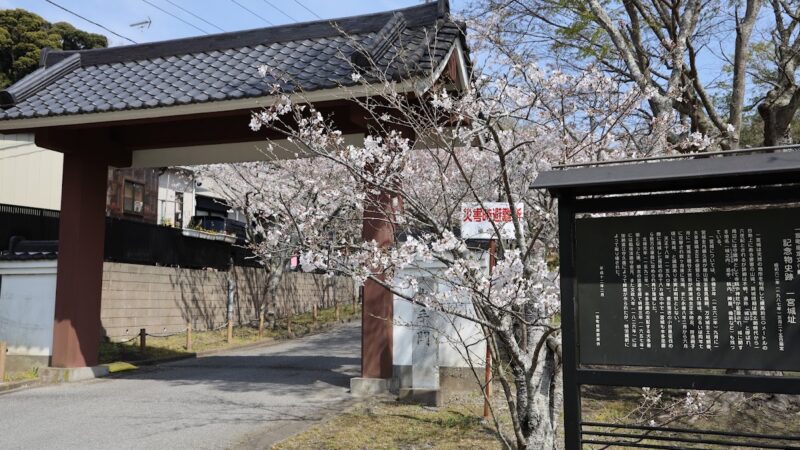
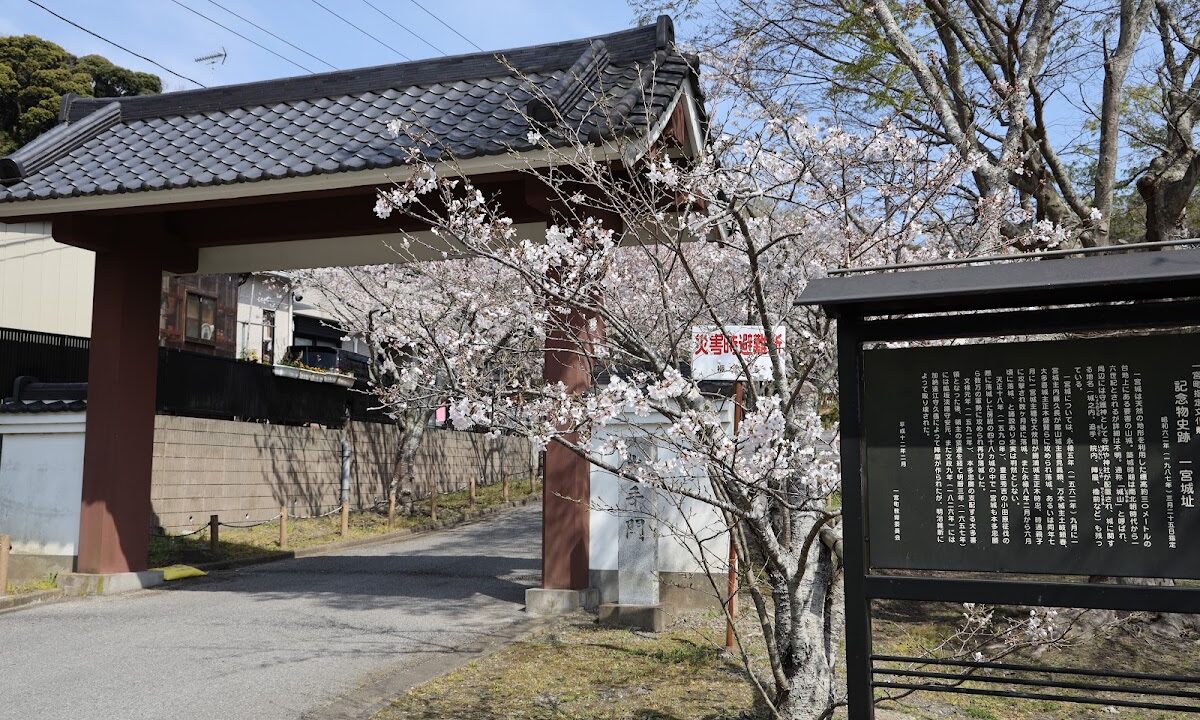
The Ichinomiya encampment site is currently developed as “Shiroyama Park.” The park features walking paths, allowing visitors to enjoy a stroll while experiencing the remnants of the former castle and encampment.
The park is a popular recreational spot for local residents, and in spring, cherry blossoms bloom, making it a place to enjoy nature throughout the seasons. Located on a plateau approximately 30 meters above sea level, the panoramic views are another of its attractions.
Points of Interest Regarding Historical Sites and Remains
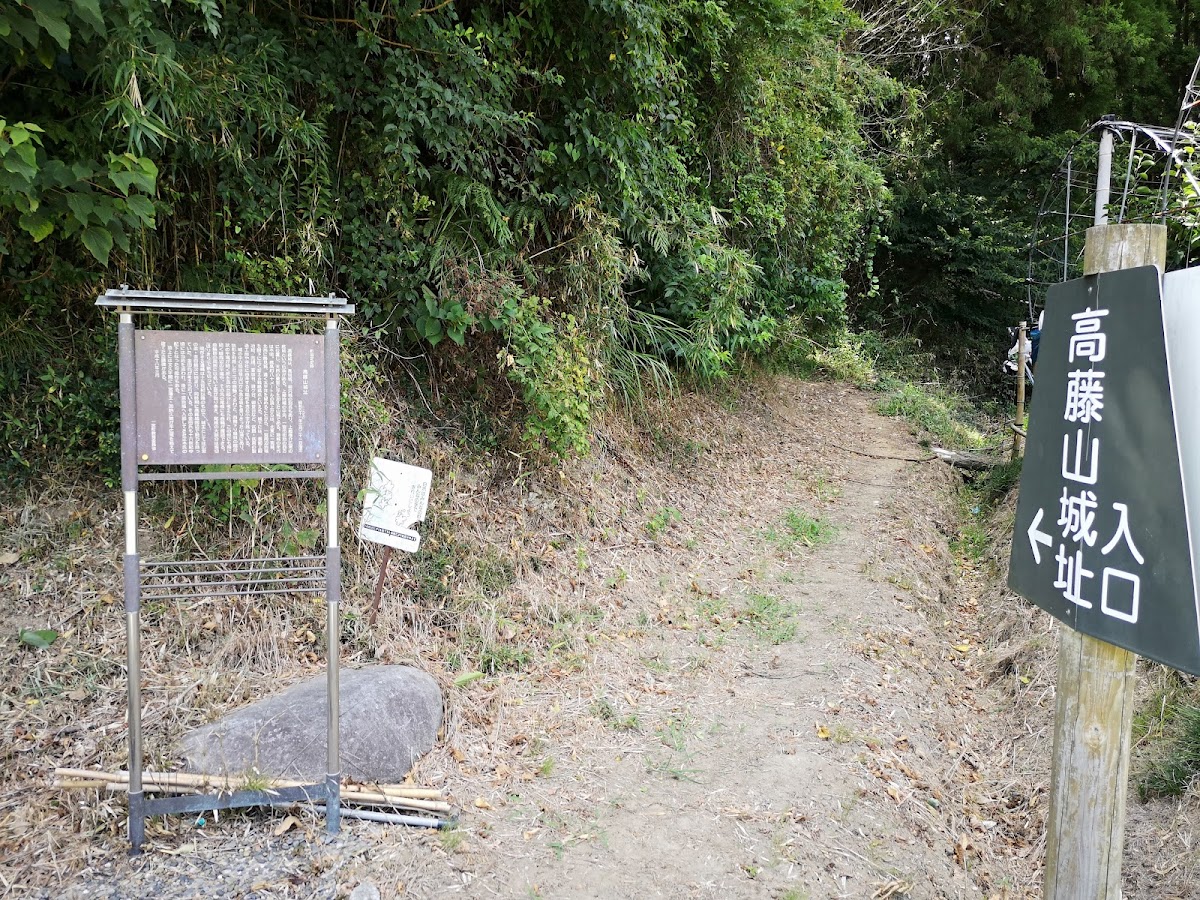
Within Shiroyama Park, remnants of a medieval mountain castle remain. Topographical features indicating the structure of a mountain castle, such as earthworks, moat remains, and the arrangement of baileys, can be observed. These are protected as Ichinomiya Town designated historical sites, making them valuable points of interest for history enthusiasts.
Although the encampment building itself was demolished during the Meiji Restoration, the layout of the site and parts of the stone walls allow us to imagine the scale of the former encampment. Information boards are also installed, making it enjoyable even for those unfamiliar with history.
Natural Environment and Seasonal Charm
Shiroyama Park is blessed with a rich natural environment. Various trees are planted within the park, offering different scenery in each season, especially the cherry blossoms in spring, the fresh greenery of early summer, and the vibrant autumn foliage.
Ichinomiya Town enjoys a mild climate within Chiba Prefecture, making it a pleasant place to visit year-round. The park is equipped with rest facilities and restrooms, allowing families to relax and enjoy their time.
Access to Ichinomiya Jinya Ruins
Access by Train
The nearest station is Kazusa-Ichinomiya Station on the JR Sotobo Line. It’s approximately 70 minutes from Tokyo Station by express train and about 90 minutes by local train. From the station, it’s about a 15-minute walk to the Ichinomiya Jinya Ruins (Shiroyama Park).
Along the path from the station to the park, you’ll find place names and historical buildings that hint at the town’s past as a castle town, allowing you to experience the history of Ichinomiya Town as you walk.
Access by Car
If you are traveling by car, the Ichinomiya Interchange on the Kujukuri Toll Road is convenient. It takes about 5 minutes from the interchange to reach the destination. From Tokyo, it takes about 90 minutes via the Keiyo Expressway and Tateyama Expressway.
While there is a parking lot at Shiroyama Park, it is not very large, so it may get crowded on weekends and during peak tourist seasons. We recommend considering using public transportation.
Tourist Spots Around the Ichinomiya Jinya Ruins
Tamasaki Shrine
A must-visit when in Ichinomiya Town is Tamasaki Shrine, the Ichinomiya (first-ranked shrine) of Kazusa Province. Located about a 10-minute walk from the Ichinomiya Jinya Ruins, it is a historic shrine with over 1200 years of history.
The shrine building is designated as a Chiba Prefecture cultural property, and its beautiful vermilion-painted architecture is impressive. It is also known for its blessings related to matchmaking and fertility, attracting many worshippers. The “Kazusa Twelve Shrines Festival,” held every September, is known as one of Chiba Prefecture’s important festivals.
Kujukuri Beach and Surfing Culture
Ichinomiya Town is located in the southern part of Kujukuri Beach and is one of Japan’s leading surfing spots, blessed with beautiful sandy beaches and excellent waves. The coast is about a 10-minute drive from the Ichinomiya Jinya Ruins.
Ichinomiya Beach is also known as the venue for the surfing competition at the 2020 Tokyo Olympics, attracting international attention. There are many surfing schools for beginners, allowing you to enjoy marine sports.
Nature and Cuisine of Ichinomiya Town
Ichinomiya Town also has a thriving agriculture industry, particularly famous for its greenhouse cultivation of tomatoes and melons. There are numerous gourmet spots using fresh local produce, which can be enjoyed in conjunction with sightseeing.
Because of its proximity to the sea, fresh seafood is abundant. Local restaurants offer dishes made with seafood caught in Kujukuri Beach. Enjoy the local cuisine along with visiting the Ichinomiya Jinya Ruins.
Deepening Our Understanding of Ichinomiya Town’s History
Cultural Properties of Ichinomiya Town
Besides the remains of the former jinya (feudal lord’s residence), Ichinomiya Town boasts numerous cultural properties. The Kagura (sacred dance) of Tamasaki Shrine is designated as a Chiba Prefecture Intangible Folk Cultural Property, and preservation efforts are underway to preserve this traditional performing art.
Furthermore, Buddhist art, such as a wooden statue of Gundari Myoo (a Buddhist deity), is preserved within the town, allowing visitors to appreciate Ichinomiya Town’s rich cultural heritage. The Ichinomiya Town Board of Education is dedicated to the protection and utilization of these cultural properties.
The Governance of the Ichinomiya Domain during the Edo Period
The Kano clan ruled the Ichinomiya Domain for approximately 140 years, from 1726 (Kyoho 11) until the Meiji Restoration. Although a relatively small domain with a stipend of 13,000 koku (a unit of rice production), the Kano clan often held important positions in the shogunate, wielding considerable influence in shogunate politics.
In domain administration, they focused on promoting agriculture and improving education, with the domain school, “Shubunkan,” providing education centered on Confucianism. These educational policies are believed to have contributed to the development of Ichinomiya Town since the Meiji era.
Local Traditions and Folklore
Traditions concerning the Ichinomiya Jinya (fortified residence) site and Ichinomiya Castle are still passed down as local folklore. Valuable oral traditions remain, including anecdotes related to Shiroyama (castle hill) and stories about the rule of the Kano clan, which can be heard from local elders.
Ichinomiya Town is also working to pass on this local history and culture to future generations, and the Ichinomiya Jinya site and local history are covered in local history lessons at elementary and junior high schools.
Points to Note When Visiting the Ichinomiya Jinya Site
Clothing and Preparations for Visiting
Shiroyama Park is a park that utilizes the natural terrain, so it has an undulating topography. It is recommended to wear comfortable shoes and clothing when visiting. Particular caution is needed after rain, as the ground can become slippery.
In summer, the sun is strong, so don’t forget to bring a hat, sunscreen, and water. During winter, the wind from the sea can be cold, so warm clothing is necessary.
Facility Information and Opening Hours
Shiroyama Park is generally open year-round, and admission is free. However, lighting is limited at night, so daytime visits are recommended. Toilets and rest facilities are available, but food and drinks are not sold, so please prepare in advance if needed.
Combining Visits with Surrounding Areas
While a visit to the Ichinomiya Jinya Ruins alone takes about 30 minutes to an hour, combining it with nearby tourist spots such as Tamasaki Shrine and Kujukuri Beach allows for a fulfilling day of sightseeing.
Especially for history buffs, visiting other cultural properties and historical sites in Ichinomiya Town will allow for a deeper understanding of the region’s history. The Ichinomiya Town Tourism Association also provides tourist maps and model courses.
The Charms and Future Prospects of Ichinomiya Town
A Town Where History and Nature Coexist
Ichinomiya Town is a fascinating region where rich historical heritage and beautiful natural environments coexist. From historical sites like the Ichinomiya Jinya Ruins to marine leisure activities on Kujukuri Beach and the traditional culture of Tamasaki Shrine, Ichinomiya offers a diverse range of attractions.
With excellent access from the Tokyo area, it’s attracting attention as a region where you can enjoy various activities, from day trips to resort stays with overnight accommodations.
Regional Development and Tourism Initiatives
Ichinomiya Town is also focusing on regional development utilizing its historical heritage. Various initiatives are underway, including the preservation and utilization of historical sites such as the Ichinomiya Jinya Ruins, the dissemination of tourist information, and the holding of events.
Having hosted the surfing competition at the 2020 Tokyo Olympics, Ichinomiya’s international recognition has increased, and further increases in tourists are expected. New tourism styles combining historical sightseeing and marine sports are also being proposed.
Sustainable Community Development
Ichinomiya Town aims for sustainable community development while cherishing its history, culture, and nature. The preservation and utilization of historical heritage sites like the Ichinomiya Jinya Ruins is an important initiative to promote tourism while protecting the region’s identity.
Local residents, the government, and tourism businesses are working together to create a town that is attractive to both visitors and residents. Visiting the Ichinomiya Jinya Ruins also contributes to supporting these local efforts.
Summary: Feeling the Weight of History at the Ichinomiya Jinya Ruins
The Ichinomiya Jinya Ruins in Ichinomiya Town, Chiba Prefecture, are a valuable historical site that transformed from a medieval mountain castle to an Edo-period jinya (fortified residence). Currently developed as Shiroyama Park, it is cherished by local residents and continues to convey its history.
The history of the 13,000-koku Ichinomiya Domain ruled by the Kano clan, the castle’s structure that utilizes the natural terrain, and the remnants of the castle town that remain in the surrounding area—this place is full of historical charm. By visiting nearby tourist spots such as Tamasaki Shrine and Kujukuri Beach, you can experience the diverse charms of Ichinomiya Town.
Its easy accessibility, approximately 90 minutes from Tokyo, is also one of its attractions. Why not visit Ichinomiya Town, where you can enjoy history, nature, and seafood, as a weekend getaway or day trip destination? A historical stroll around the Ichinomiya Jinya ruins is sure to be a memorable experience.