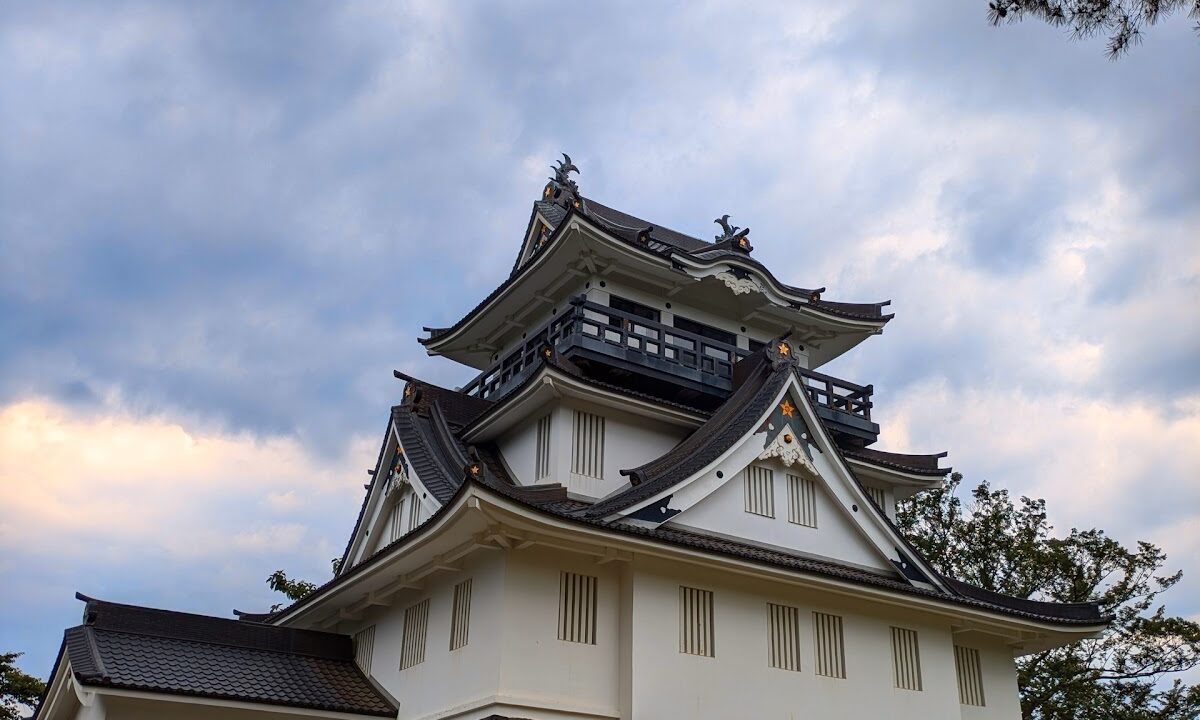
Horyokan Ruins (Akita Prefecture): A Complete Guide to History and the Present
The Horyokan Ruins, one of the historical remains in Akita Prefecture, is a valuable historical site that conveys the history of the Middle Ages. This article provides detailed information useful for those considering a visit or history enthusiasts, covering everything from the historical background of the Horyokan Ruins to its current state, highlights, and access methods.
What are the Horyokan Ruins?
The Horyokan Ruins are the remains of a medieval manor house located in Akita Prefecture, known as an important historical site that tells the story of the region. A manor house site refers to the traces of a facility built by samurai or powerful families for residence and defense, and the Horyokan Ruins are one such historical building.
Basic Information about the Manor Site
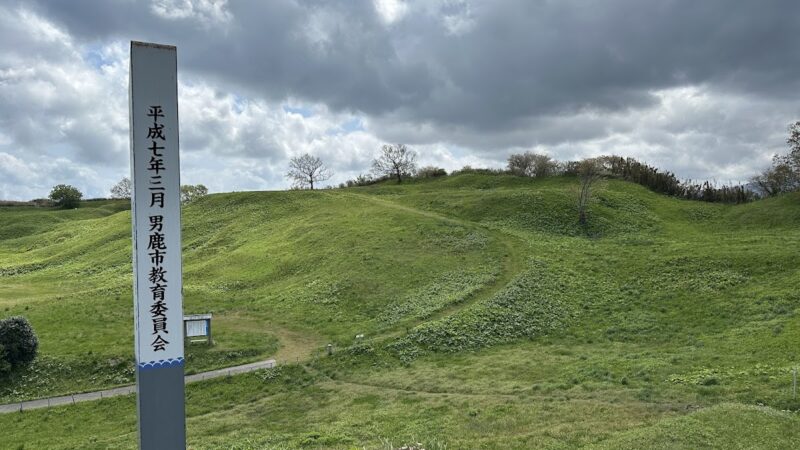
The Horyokan Ruins are believed to have functioned as a base for local governance during the Middle Ages. Today, traces of earthworks and moats can be seen, giving insight into its function as a defensive facility at the time.
Historical Background of the Horyokan Site
Historical Context of Medieval Akita
Akita Prefecture was a region where powerful local clans such as the Ando and Onodera clans held sway during the medieval period. These clans established residences throughout the region, using them as bases for governing their territories. It is presumed that the Horyokan site played an important role within this medieval regional governance system.
Date of Establishment of Horyokan
While the exact construction date of Horyokan cannot be definitively determined due to limited historical documents, the form of the remains and excavated artifacts suggest it was likely in use during the late medieval period (from the Muromachi to the Sengoku period).
Lord and Regional Governance
Regarding who governed Horyokan, we can only speculate based on local traditions and limited historical materials. It is possible that the lord was a local influential figure or a regional lord under the umbrella of a larger power.
Medieval mansions were not merely residential facilities, but possessed a variety of functions, including:
- Defensive Base: Earthworks and moats were used to defend against attacks from external enemies.
- Administrative Function: Administering the territory and collecting taxes.
- Center of Economic Activity: A place where goods from the surrounding area gathered.
- Ritual Site: A place where ceremonies demonstrating the lord’s authority were held.
Remains and Characteristics of the Hōryō Manor Site
Existing Remains
The following remains have been confirmed at the Hōryō Manor site:
Earthworks
Earthworks were defensive walls made by piling up earth, and were positioned to surround the manor. Some parts still remain today, providing clues to the scale of the defensive facilities at the time.
Moats
A moat surrounded the manor, which was also part of its defensive function. Although some parts are now buried, the layout of the moat can be inferred from the topography.
Enclosure (Kuruwa)
The enclosure, the central part of the residence, is a flat, leveled area where buildings were constructed. Archaeological excavations may uncover postholes and foundation stones.
Scale of the Residence as Determined from the Remains
Based on the remains of the Horyo Residence, it is believed to have been a small to medium-sized residence in a rural area. While smaller in scale compared to large mountain castles or flatland castles, it likely possessed sufficient functionality as a base for regional control.
Archaeological Value of the Horyo Residence
Results of Archaeological Excavations
Partial archaeological excavations may have been conducted at the Horyo Residence (see local education board materials for specific excavation history). Archaeological excavations can yield the following information:
- Excavated Artifacts: Understanding the lifestyle of the time from artifacts such as ceramics, iron products, and stone objects.
- Building Layout: Reconstructing the building’s structure from the arrangement of postholes.
- Dating: Identifying the period of use of the residence from the dating of excavated artifacts.
Importance in Local History
The Horyokan Site is one of the important historical sites for understanding the medieval history of Akita Prefecture. In the history of a region with few written historical sources, archaeological remains are a valuable source of information.
Current Status and Preservation of the Horyokan Site
Designation as a Historic Site
Whether the Horyokan Site is designated as a historical site by the national, prefectural, or municipal government is important information for understanding its preservation status. If designated as a historical site, it is legally protected and development activities are restricted.
Current Situation
The current state of the Hōryōkan site may be as follows:
- Forest: Many sites are now forests, preserving the remains within a natural environment.
- Agricultural Land: Flat areas may be used for agriculture.
- Residential Development: Parts may have been developed into residential areas, potentially causing the loss of remains.
Preservation Activities
Preservation and awareness-raising activities for the Hōryōkan site may be carried out by local history enthusiasts and the board of education. Regular grass cutting and the installation of explanatory signs may be carried out as part of site preservation.
How to Access the Hōryōkan Site
Location
For the exact location of the Hōryōkan site, it is recommended to inquire with the board of education or tourism association of the relevant municipality in Akita Prefecture beforehand.
Transportation
Access by Car
Many castle ruins are difficult to access by public transport, so visiting by car is convenient:
- Via national or prefectural roads from the nearest interchange
- Enter the address or facility name into your car navigation system
- Check parking availability in advance
Access by Public Transport
- Use a bus or taxi from the nearest station
- Check the timetable in advance as bus services may be infrequent
Points to Note When Visiting
When visiting the Horyo Castle Ruins, please note the following:
- Possibility of Private Property: If the castle ruins are on private property, avoid trespassing
- Safety Measures: When visiting ruins in forests, wear appropriate clothing and shoes
- Season: Winter is better for observing ruins than summer when vegetation is dense
- Insect Repellent: In forests, insect repellent spray is necessary
Highlights and How to Enjoy the Horyo Castle Ruins
Observation Points for the Ruins
When visiting the Horyokan Ruins, pay attention to the following points:
- Height and Thickness of the Earthworks: You can get a sense of the scale of the defensive facilities.
- Depth and Width of the Moat: You can understand the measures taken to prevent attackers from entering.
- Size of the Enclosure: You can imagine the size of the buildings and the function of the residence.
- Utilization of Topography: You can observe how the natural terrain was utilized.
Enjoying Historical Imagination
Imagining the life and battles of the time while viewing the ruins is one of the great pleasures of visiting the ruins:
- The daily lives of the lord and retainers
- The defensive system in preparation for enemy attacks
- Trade and interaction with surrounding areas
- Seasonal events and ceremonies
Photography Points
Photography points for documenting the Horyokan Ruins:
- Clearly photograph the cross-section of the earthworks and moat
- Photograph from a high vantage point to show the overall topography
- Photograph explanatory signs and markers if available for documentation purposes
- A combination of seasonal scenery and historical remains
Nearby Historical Spots
When visiting the Horyokan site, visiting nearby historical spots will allow you to gain a deeper understanding of the region’s history:
Other Sites of Fortifications and Castles
Akita Prefecture has many medieval fortification sites and early modern castle sites. Comparing them with the Horyokan site will make their unique characteristics clearer.
Local History Museums and Museums
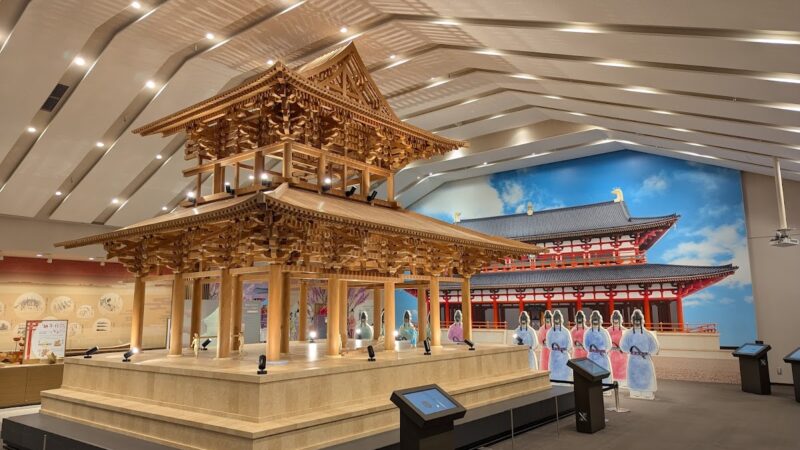
Local history museums and museums may display materials and excavated artifacts related to the Horyokan site. Visiting them beforehand will deepen your understanding at the site.
Shrines and Temples
Nearby, there may be shrines or temples that the fortification lord worshipped. These are also important for understanding the historical context.
Current Status and Challenges of Research on the Horyokan Site
Research Progress
Research on the Horyokan Site is progressing using the following methods:
- Documentary History: Unraveling the history of the site from ancient documents and local histories
- Archaeology: Analysis of material materials through excavation
- Geography: Studying the site’s location through topographical analysis
- Folklore: Collection of local traditions and legends
Future Challenges
Research and preservation of the Horyokan Site face the following challenges:
- Detailed Survey: Creation of an accurate site layout map
- Excavation: Scientific investigation of unexcavated areas
- Excavation of Historical Materials: Discovery and interpretation of new documentary materials
- Formulation of Preservation Plan: Development of a long-term preservation and management plan
- Awareness-Raising Activities: Historical education for local residents and visitors
Significance of the Horyokan Site in the Region
Formation of Regional Identity
Historical heritage sites like the Horyokan Ruins play a crucial role in shaping the identity of local residents. Learning about local history fosters a sense of attachment and pride in one’s hometown.
Utilization as an Educational Resource
The Horyokan Ruins serve as valuable teaching materials for regional studies in schools:
- Use in local history lessons in elementary and junior high schools
- A site for practical training in history education
- Subject matter for history courses in lifelong learning
Potential as a Tourism Resource
For history enthusiasts and castle fans, the ruins are an attractive tourist resource. With proper maintenance and information dissemination, it has the potential to contribute to regional revitalization.
Basic Knowledge for Understanding Medieval Manor Sites
Differences Between Manors and Castles
While “manor” and “castle” are similar concepts, they generally have the following differences:
- Manor: Primarily a residential structure during peacetime, with secondary defensive functions.
- Castle: Primarily a defensive structure, larger in scale and more complex.
Classification of Manor Sites
Manor sites are classified as follows based on their location:
- Plain Manor: A manor built in a plain.
- Hillside Manor: A manor built on a hill.
- River Terrace Manor: A manor built on a river terrace.
Knowing which classification the Hōryō Manor site belongs to will allow for a deeper understanding of its characteristics.
Medieval Local Governance System
Medieval local governance had the following multi-layered structure:
- Central Government (Shogunate or Imperial Court)
- Shugo Daimyo (Rulers at the provincial level)
- Jito/Kokujin (Rulers at the county or village level)
- Local Lords (Rulers at the village level)
It is believed that the lord of the Horyokan site belonged to one of these hierarchical levels.
Model Itinerary for Visiting the Horyokan Ruins
Half-Day Course
This is a model itinerary for a half-day tour centered around the Horyokan Ruins:
Morning
- 9:00 Visit a local history museum (preliminary learning)
- 10:30 Travel to the Horyokan Ruins
- 11:00 Visit the remains of the Horyokan Ruins (approximately 1 hour)
- 12:00 Lunch at a nearby restaurant
Afternoon
- 13:00 Visit other historical sites in the surrounding area
- 15:00 Purchase local specialties
- 16:00 Return home
Full-Day Course
This is a full-day course visiting medieval historical sites in Akita Prefecture:
Morning
- 8:00 Departure
- 9:00 Visit the Horyokan Ruins
- 10:30 Visit another nearby manor site
- 12:00 Lunch
Afternoon
- 13:00 Visit a local museum
- 15:00 Visit related shrines and temples
- 16:30 Relax at a hot spring
- 18:00 Depart for home
Seasons at the Hōryōkan Ruins
Spring (March-May)
- The ruins become visible as the snow melts
- Enjoy observing the ruins amidst the fresh greenery
- It’s also the season for gathering wild vegetables, offering opportunities to interact with locals
Summer (June-August)
- The vegetation becomes overgrown, making observation of the ruins somewhat difficult
- Insect repellent is essential due to the abundance of insects
- Visiting in the cool early morning or evening hours is recommended
Autumn (September-November)
- The contrast between the autumn leaves and the ruins is beautiful
- The ruins are easier to see after the grass has been cut
- The weather is pleasant, making it the most suitable season for visiting
Winter (December-February)
- Although covered in snow, the unevenness of the ruins is actually easier to see.
- Visiting may be difficult due to snowfall.
- A historical walk amidst the winter scenery is also charming.
Preparations for Enjoying the Horyokan Ruins
Information Gathering
Gathering the following information before your visit will make your visit more fulfilling:
- Local education board website and publications
- Local history research society reports
- Relevant history books and papers
- Local tourism information websites
Checklist of Items to Bring
Recommended items to bring when visiting the Horyokan Ruins:
- Clothing: Long-sleeved shirt and long pants, comfortable walking shoes (trekking shoes recommended)
- Safety Equipment: Hat, gloves, insect repellent spray
- Recording Equipment: Camera, notebook, writing utensils
- Other: Drinking water, map, compass (GPS device)
Manners and Precautions
- Obtain permission before entering private property.
- Always take your trash with you.
- Do not damage the remains or disturb the soil.
- Do not collect plants or animals.
- No open flames.
Summary: The Charm and Future Prospects of the Horyokan Site
The Horyokan Site is a valuable historical heritage site that tells the story of medieval history in Akita Prefecture. The remains, such as earthworks and moats, convey to the present day the lifestyles and defensive ingenuity of the people of that time. Given the limited availability of written historical sources, these archaeological remains play an extremely important role in unraveling the history of the region.
In modern times, historical heritage sites like the Horyokan Site are not merely traces of the past, but possess multifaceted value as a shaping of regional identity, an educational resource, and a tourist resource. With proper preservation and utilization, the Horyokan Site will continue to be a treasure of the region, passed down to future generations.
We encourage history enthusiasts to visit the Horyokan Site and experience the spirit of the Middle Ages. Reflecting on the lives of the people of that time while standing before the remains is one of the greatest pleasures of learning history. Furthermore, developing an interest in local historical preservation activities through a visit, and participating in those activities if possible, is an important contribution to preserving historical heritage for future generations.
The Horyokan Ruins are one of the historical sites that symbolize Akita Prefecture’s rich history and culture. We hope this article will deepen your understanding of the Horyokan Ruins and inspire you to visit.