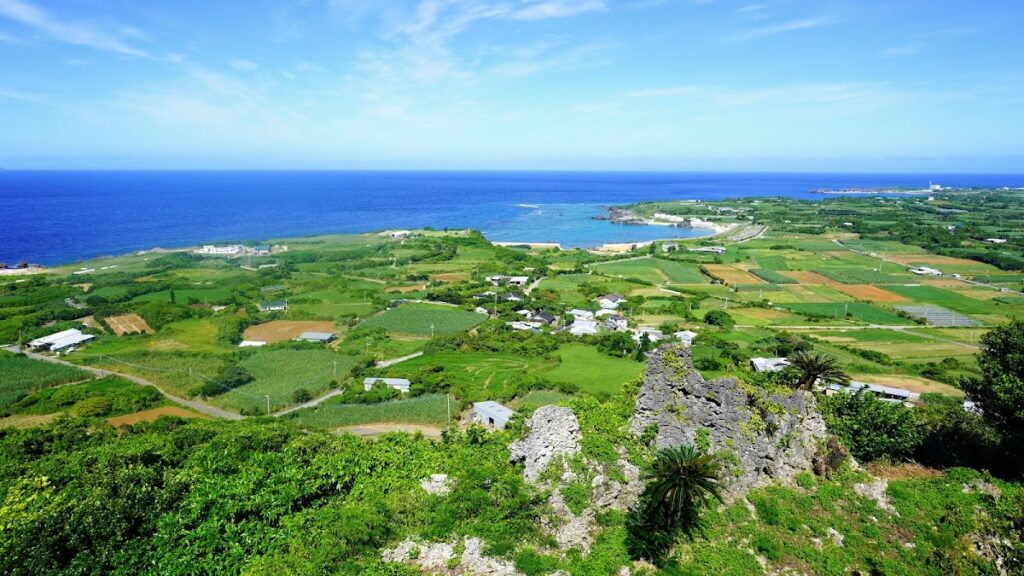
Yoron Gusuku (Kagoshima Prefecture) Complete Guide: History, Highlights, and Access Explained in Detail
Yoron Gusuku is a castle ruin (gusuku) from the Ryukyu Kingdom era, located in Yoron-cho, Oshima-gun, Kagoshima Prefecture. This historical site, remaining on Yoron Island, the southernmost inhabited island of Kagoshima Prefecture, conveys a unique history where Ryukyu culture and the rule of the Satsuma Domain intersected. This article provides a detailed explanation of everything you need to know before visiting Yoron Gusuku, from its historical background to its highlights and access methods.
What is Yoron Gusuku?
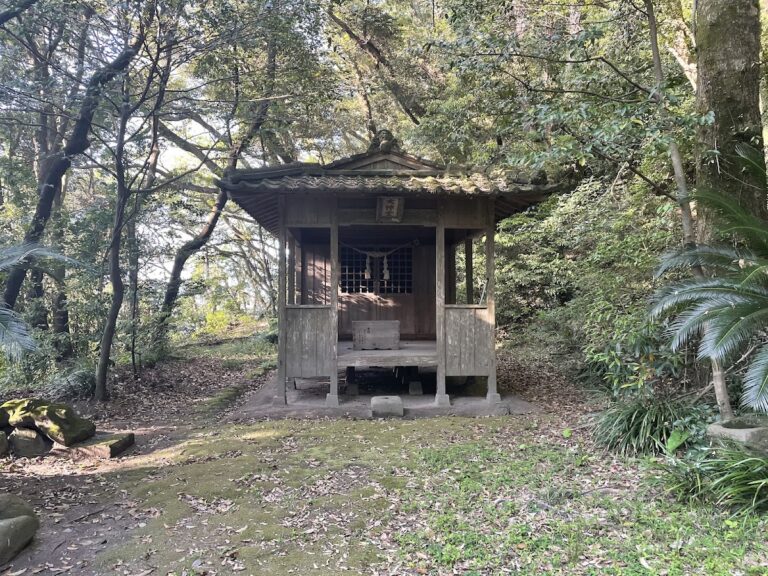
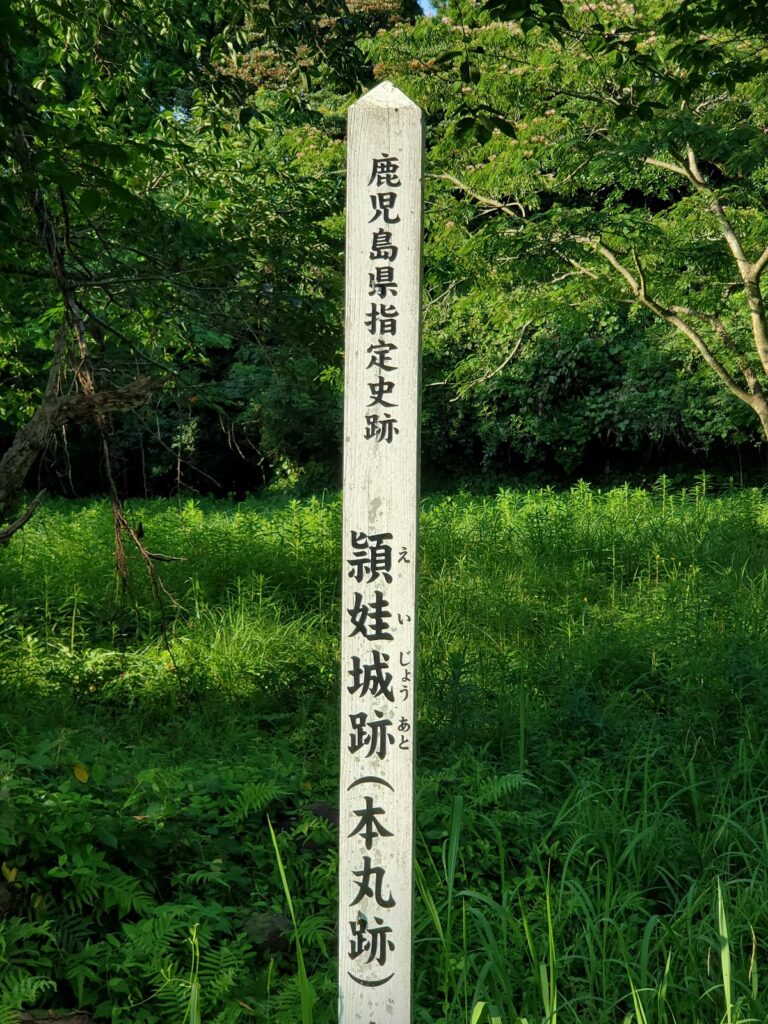
Yoron Gusuku is a castle ruin located slightly north of the center of Yoron Island, believed to be a defensive structure built during the Ryukyu Kingdom era. “Gusuku” means “castle” in the Ryukyuan language and refers to stone-built castle ruins commonly found in Okinawa and the Amami Islands.
Yoron Island is located at the boundary between the Ryukyu and Satsuma cultural spheres and has historically been influenced by both powers. Yoron Gusuku is designated as a regional cultural property, representing an important historical site that tells the story of its transformations.
Geographical Characteristics of Yoron Island
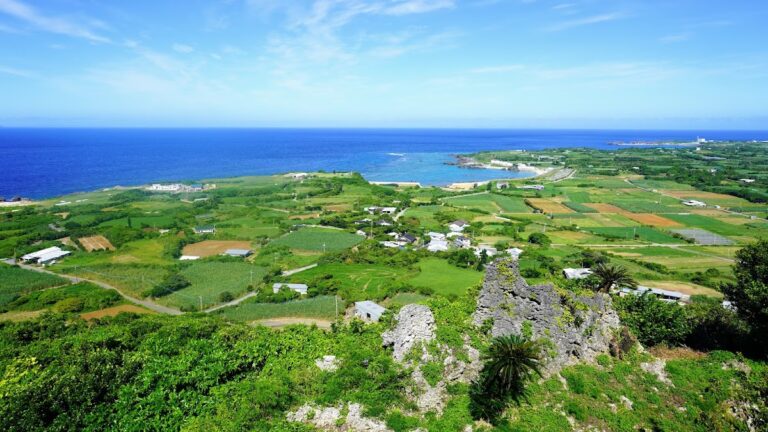
Yoron Island is located at the southernmost tip of Kagoshima Prefecture, approximately 23 km north of Okinawa Island. It is a small island with a circumference of approximately 23 km and an area of approximately 20.8 square kilometers, characterized by its flat terrain formed from uplifted coral reefs. Even its highest point is only about 97 m above sea level, and it enjoys a warm subtropical climate.
History of Yoron Gusuku
Ryukyu Kingdom Era
The exact construction date of Yoron Gusuku is unclear, but it is believed to have been built during the Ryukyu Kingdom era, between the 14th and 15th centuries. During this period, the Ryukyu Kingdom controlled the Amami Islands and appointed local lords called “Aji” to each island.
Yoron Island was also considered a strategic point for the northern defense of the Ryukyu Kingdom, and a gusuku (castle) was built there. At that time, Yoron Island belonged to the Ryukyu cultural sphere, and its language, customs, and architectural styles showed strong Ryukyu influence.
Invasion and Rule by the Satsuma Domain
In 1609 (Keicho 14), the Satsuma Domain invaded Ryukyu. At this time, the Amami Islands came under the direct control of the Satsuma Domain. Yoron Island was no exception and came under Satsuma rule.
It is believed that this change in the system of rule also changed the role of Yoron Gusuku. Its function as a military defensive structure declined, and its character as an administrative center strengthened.
Changes Since the Early Modern Period
Throughout the Edo period, Yoron Island, while under the control of the Satsuma Domain, developed a unique culture that retained strong influences of Ryukyu culture. Yoron Gusuku gradually fell into disuse, and only its remains remain, with some of the stonework crumbling.
Since the Meiji era, Yoron Island has been officially incorporated into Kagoshima Prefecture, and remains so to this day.
Structure and Remains of Yoron Gusuku
Scale and Layout of the Castle
Yoron Gusuku is a relatively small gusuku (castle), with only partial remains of its stone walls. While smaller in scale compared to the large gusuku on Okinawa Island, it is a valuable historical site as it represents the northernmost limit of the Ryukyu cultural sphere.
The castle ruins utilize the natural terrain, built on a slightly elevated area overlooking the surrounding area. This strategically chosen location demonstrates the high level of castle-building technology at the time.
Stone Wall Remains
The most prominent remains of Yoron Gusuku are its stone walls. Techniques characteristic of Ryukyu gusuku, such as “nozura-zumi” (rough stone masonry) and “nuno-zumi” (cloth stone masonry), can be seen, and parts of the stone walls, made of coral limestone, remain.
Due to years of weathering and vegetation, much of the stonework has collapsed, but the remaining sections offer insights into the construction techniques of the time.
Surrounding Remains
Around the gusuku (castle), there are scattered sites believed to be the remains of former settlements and ritual sites. While archaeological excavations have been limited, pottery fragments and pieces of daily life tools have been discovered, confirming traces of people’s lives centered around the gusuku.
Highlights of Yoron Gusuku
Historical Value
The greatest highlight of Yoron Gusuku lies in its historical value. Located at the boundary between the Ryukyu and Satsuma cultural spheres, this site, with its unique history influenced by both cultures, is a valuable historical site that tells the complex history of Japan’s southwestern islands.
Scenery
From the gusuku ruins, you can enjoy a panoramic view of Yoron Island’s beautiful landscape. The view of the emerald green sea, white sandy beaches, and the flat terrain characteristic of a coral reef island captivates visitors.
Cultural Background
Yoron Island still retains a strong influence of Ryukyu culture. Many aspects of its language, customs, and performing arts are of Ryukyu origin, and visiting Yoron Gusuku (castle) provides clues to understanding this cultural background.
Tourist Attractions Around Yoron Gusuku
Yurigahama Beach
Yurigahama Beach, a representative tourist spot on Yoron Island, is a phantom beach that only appears at low tide. The contrast between the crystal-clear sea and the pure white sand is breathtaking, attracting many tourists.
Yoron Folk Village
This facility exhibits traditional houses and daily life tools of Yoron Island, allowing visitors to learn about the island’s history and culture. It is also a valuable resource for understanding the historical background of Yoron Gusuku.
Southern Cross Center
This tourist information center comprehensively introduces the nature, history, and culture of Yoron Island. It also displays materials related to Yoron Gusuku, and visiting before your visit will deepen your understanding.
Akasaki Limestone Cave
This limestone cave, located beneath Yoron Island, offers opportunities to observe the unique geological features of a coral reef island.
How to Access Yoron Gusuku
Access to Yoron Island
By Plane
- From Kagoshima Airport to Yoron Airport: Approximately 1 hour 20 minutes (Japan Air Commuter)
- From Naha Airport to Yoron Airport: Approximately 40 minutes (Ryukyu Air Commuter)
By Ferry
- From Kagoshima New Port: Approximately 20 hours (Maruei Ferry, Marix Line)
- From Naha Port: Approximately 5 hours
- From Okinoerabu Island: Approximately 2 hours
Access on Yoron Island
To reach Yoron Gusuku from Yoron Airport or the port, you can use a rental car, rental bicycle, or taxi. The island is small, with a circumference of approximately 23 km, so it’s easily accessible by bicycle.
Rental Car: Several rental car companies are located around Yoron Airport and the port. Advance reservations are recommended.
Bicycle Rental: Electric bicycles are available for rent, making it convenient for sightseeing around the island.
Local Bus: There is a local bus that circulates around the island, but the number of services is limited, so it is necessary to check the timetable.
Points to Note When Visiting Yoron Gusuku
Clothing and Items to Bring
- Comfortable Walking Shoes: The area around the ruins has uneven footing in some places, so comfortable walking shoes such as sneakers are recommended.
- Hat and Sunscreen: The sun is strong on Yoron Island, so sun protection is necessary.
- Drinking Water: Especially in summer, bring plenty of water to prevent heatstroke.
- Insect Repellent Spray: As it is a place rich in nature, insect repellent is also effective.
Manners During Visits
- The ruins are valuable cultural assets. Please be careful not to climb on the stone walls or damage the remains.
- Please be sure to take your trash with you.
- When entering private property, please remember to be considerate of local residents.
Best Time to Visit
Yoron Island has a subtropical climate and is warm throughout the year, but the best time to visit is as follows:
- Spring (March-May): The weather is mild and ideal for sightseeing. The beaches open around April.
- Summer (June-August): This is the best season for swimming, but it is also typhoon season.
- Autumn (September-November): Typhoons have subsided, and it is a relatively pleasant season.
- Winter (December-February): There are fewer tourists, making it quiet, but it is not suitable for swimming.
History and Culture of Yoron Island
Influence of Ryukyu Culture
Yoron Island’s culture is strongly influenced by Ryukyu culture. The dialect belongs to the Ryukyuan language family, and the traditional performing art, “Yoron Jugoya Odori” (Yoron Fifteen Nights Dance), is rooted in Ryukyuan dance.
Fusion with Satsuma Culture
On the other hand, under the rule of the Satsuma Domain since the Edo period, elements of Satsuma culture were also incorporated. These two cultures merged to form a unique culture of Yoron Island.
Traditional Events
Yoron Island has various traditional events throughout the year.
- Yoron Marathon (March): Japan’s southernmost full marathon
- Yoron Jugoya Dance (15th day of the 8th month of the lunar calendar): Designated as a National Important Intangible Folk Cultural Property
- Coral Festival (Summer): A summer tradition of the island
Preservation and Future of Yoron Gusuku
Protection as a Cultural Property
Yoron Gusuku is recognized as an important cultural property of the region, and preservation activities are being carried out mainly by the Yoron Town Board of Education. However, sufficient preservation and maintenance remain challenges due to limited budget and personnel.
Utilization as a Tourism Resource
While tourism on Yoron Island mainly focuses on marine leisure, the potential for cultural tourism utilizing historical heritage such as Yoron Gusuku is also attracting attention. The development of tourist routes combining history and nature is anticipated.
Importance of Academic Research
Archaeological and historical research on Yoron Gusuku is still insufficient. Further excavations and documentary research may reveal more detailed history.
Accommodation on Yoron Island
Yoron Island offers various types of accommodation.
Resort Hotels
Resort hotels located along the coast allow you to enjoy beautiful ocean views during your stay.
Guesthouses and Inns
For those who want to enjoy interacting with the islanders, guesthouses and inns are recommended. You can experience local cuisine and island culture firsthand.
Campsites
Camping in nature is also possible. It’s an ideal environment for stargazing.
Yoron Island Cuisine
Mozuku Seaweed
Yoron Island is known as a producer of high-quality mozuku seaweed. Dishes using fresh mozuku are a specialty of the island.
Island Vegetables
Grown in a warm climate, island vegetables are highly nutritious and an essential ingredient in local cuisine.
Seafood
Surrounded by the sea, Yoron Island boasts an abundance of fresh seafood. Enjoy it prepared in various ways, such as sashimi or simmered dishes.
Brown Sugar Shochu
Brown sugar shochu, a specialty of the Amami Islands, is also produced on Yoron Island. There are unique island brands, making them perfect souvenirs.
Summary
Yoron Gusuku is the ruins of a Ryukyu-era castle located on Yoron Island, the southernmost island of Kagoshima Prefecture. It is a historically significant site where Ryukyu and Satsuma cultures intersected. Although small in scale, it is a valuable historical site that tells the complex history of Japan’s southwestern islands and is well worth a visit.
Why not enjoy a trip combining historical exploration and marine leisure on Yoron Island, blessed with beautiful seas and abundant nature? Visiting Yoron Gusuku will allow you to experience the unique history and culture of this region and appreciate the diversity of Japan.
Yoron Island can be accessed by plane or ferry, and you can freely get around the island by rental car or bicycle. When visiting, please observe proper etiquette for protecting the historical sites, respect the local culture, and help pass on this precious historical heritage to future generations.