Washijo Castle (Oyama City, Tochigi Prefecture) Complete Guide | Highlights, History, and Access Information for a Nationally Designated Historic Site
Washijo Castle, located in Sotogashira, Oyama City, Tochigi Prefecture, is an important historical site designated as a National Historic Site in 1991 (Heisei 3), representing the castle ruins of Shimotsuke Province during the medieval period. Utilizing the river terraces of the Omoigawa River, it functioned as one of the main residences of the Oyama clan, serving as a natural stronghold. This article provides a detailed introduction to Washijo Castle, from its historical background to the ruins visible on-site and a visitor’s guide.
What is Washijo Castle? Basic Information and Overview
Washijo Castle was a medieval flatland castle located in Sotogashira, Oyama City, Tochigi Prefecture (formerly Oyama Manor, Shimotsuke Province). The castle ruins are currently preserved primarily within the grounds of Washijinja Shrine, and together with the Nakakuki Castle ruins and the Gion Castle (Oyama Castle) ruins, it is designated as a National Historic Site as part of the “Oyama Clan Castle Ruins.”
Castle Scale and Structure
Washijo Castle boasted a vast scale, approximately 400 meters east-west and 600 meters north-south, and was a double-layered fortress consisting of an inner and outer castle. It was a stronghold that made maximum use of the natural terrain surrounded by the Omoigawa River, valleys, and low-lying wetlands, possessing an extremely robust defensive system for its time.
The castle was located on a river terrace of the Omoigawa River, protected by a natural moat: the cliffs of the Omoigawa River to the west and low-lying wetlands to the east. This geographical advantage would play a crucial role in the Oyama Yoshimasa Rebellion, which will be discussed later.
Origin of the Castle Name
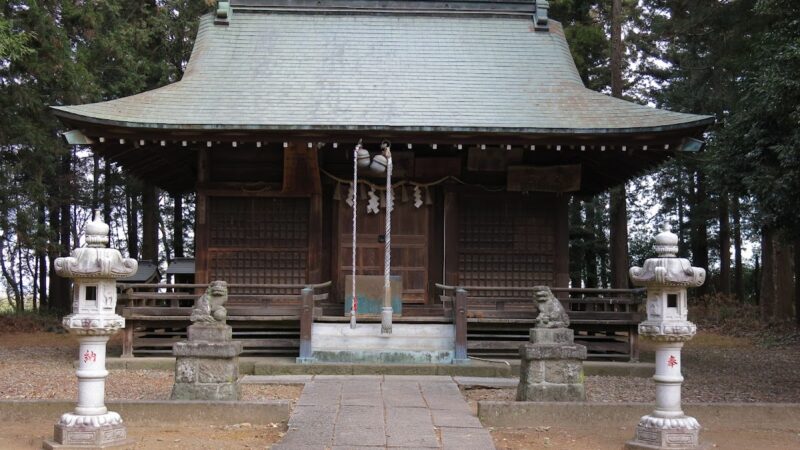
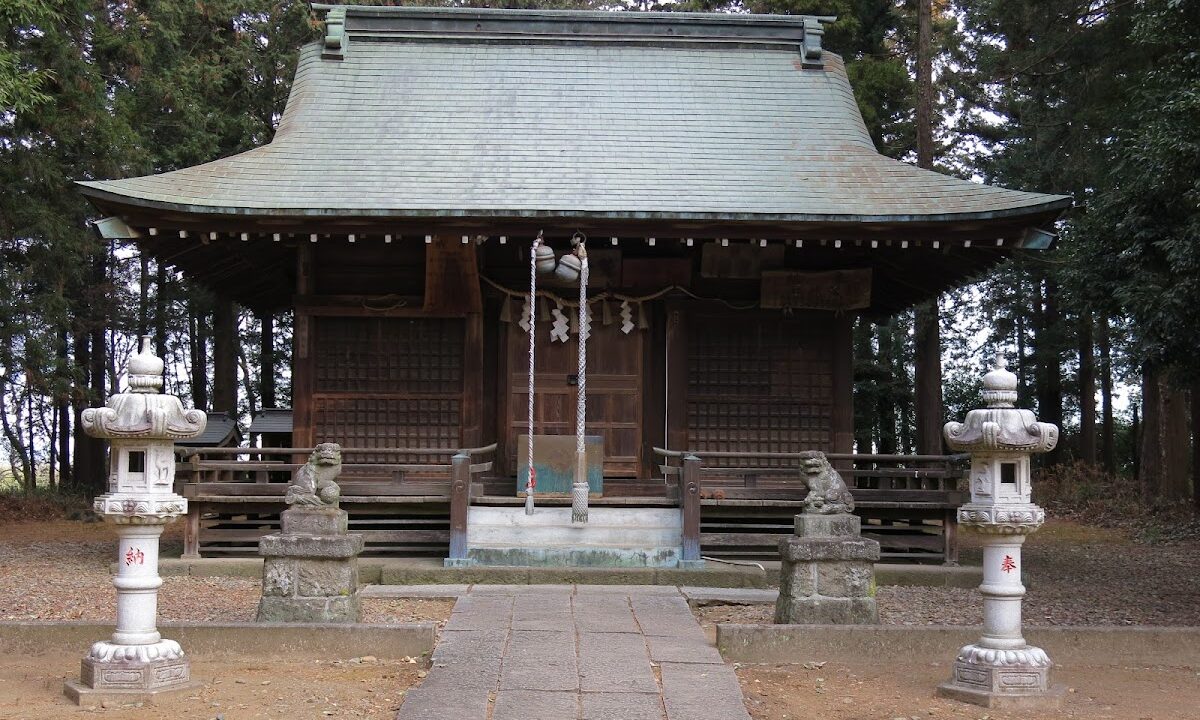
The name Washijo Castle originates from the Washijinja Shrine enshrined within the castle grounds. This Washijinja Shrine is believed to be a branch shrine of the Washinomiya Shrine in Kuki City, Saitama Prefecture, and was an object of worship for the Oyama clan. Even today, the Washijinja Shrine stands on the site of the main keep, serving as a symbolic presence of the castle ruins.
The History of Washijo Castle | The Oyama Clan and the Rebellion of Oyama Yoshimasa
The Oyama Clan and the Rule of Shimotsuke Province
The Oyama clan was the largest powerful family in Shimotsuke Province throughout the medieval period, having been appointed as the provincial governor of Shimotsuke Province since the Kamakura period. As a prestigious family descended from Fujiwara no Hidesato, they wielded considerable power in the Kanto region and played an active role as influential retainers of the Kamakura Shogunate.
The Oyama clan’s castles changed over time, and Washijo Castle was one of their main residences, along with Nakakuki Castle and Gion Castle. These three castles are scattered throughout Oyama City and are believed to have been used for different periods and purposes.
The Rebellion of Oyama Yoshimasa and the Role of Washijo Castle
Washijo Castle first appears on the historical stage during the “Rebellion of Oyama Yoshimasa,” which took place from 1380 to 1383. Oyama Yoshimasa, the 10th head of the Oyama clan, fought fiercely against the forces of Ashikaga Ujimitsu, the Kanto Kubo (a branch family of the Ashikaga shogunate), in three separate battles.
This rebellion symbolized the conflict between the Kamakura Kubo and powerful samurai in the Kanto region, and Washijo Castle served as its main stronghold. Its geographical advantage—a strong fortress surrounded by the Omoigawa River and low-lying wetlands—was one of the factors that enabled Yoshimasa’s resistance.
Castle Construction Date and Changes
The exact construction date of Washijo Castle is unknown, but it is certain that it was extensively developed and used during Oyama Yoshimasa’s rebellion. It is believed that Yoshimasa strengthened the defensive facilities around 1380 (Kōryaku 2).
After the rebellion, the power of the Oyama clan declined, and Washijo Castle gradually fell into disuse. It is highly likely that it was already abandoned during the Sengoku period, and thereafter was used as farmland and shrine grounds.
Remains and Highlights of Washijo Castle
The current site of Washijo Castle preserves valuable remains that exhibit the characteristics of a medieval castle in excellent condition.
Turret Base Remains
Several turret base remains can be identified within the castle grounds. Turret bases were facilities for observation and defense, and they remain as earthen mounds several meters high. The turret bases around the main keep are particularly large, attesting to the strength of the defensive system at the time.
Earthworks and Dry Moats
The most prominent remains of Washijo Castle are the earthworks and dry moats found throughout the site. The earthworks are earthen walls designed to prevent enemy intrusion, and are positioned to mark the boundaries of the castle grounds, typically 2-3 meters high.
The dry moats are moats that do not hold water, and those approximately 3-5 meters deep can be observed. These dry moats functioned as artificial defensive structures, complementing the natural defensive lines of the Omoigawa River and low-lying wetlands. The combination of earthworks and dry moats represents a typical structure of a medieval castle.
Division of Inner and Outer Castles
Washijo Castle had a dual structure consisting of an inner and outer castle. The inner castle was the core area centered around the main keep, corresponding to the area around the present-day Washijinja Shrine. The outer castle was a vast area surrounding the inner castle, and it is presumed to have contained troop encampments and supply storage facilities.
This dual structure was designed with a long siege in mind and is thought to have been actually utilized during the rebellion of Oyama Yoshimasa.
Cliffs and River Terraces of the Omoigawa River
The western side of Washijo Castle faced the Omoigawa River, a steep cliff that functioned as a natural defensive wall. Behind Washijinja Shrine, one can see the Omoigawa River flowing through the trees, giving a real sense of the castle’s former location.
The river terrace has a height difference of over 10 meters, and this topographical advantage made Washijo Castle an impregnable fortress. Even today, the view from these cliffs leaves a strong impression on visitors.
Washijinja Shrine | A Witness to History Standing on the Castle Ruins
History of Washijinja Shrine
Washijinja Shrine currently stands on the site of the former main keep of Washijo Castle. This shrine is a branch shrine of Washinomiya Shrine in Kuki City, Saitama Prefecture, and has been worshipped as the guardian deity of the Oyama clan. The castle’s name also originates from this shrine, and the castle and shrine have existed as one entity.
Highlights of the Shrine Grounds
At Washijinja Shrine, after passing through the torii gate and proceeding along the approach, you will find the main hall. Around the main hall, there are information boards and stone monuments indicating the castle ruins, conveying the historical background to visitors.
Going around to the back of the shrine, you can look down on the flow of the Omoigawa River and experience the former defensive line of the castle. Because the entire shrine grounds are built on top of the castle ruins, it is a valuable place where you can enjoy both shrine worship and castle ruins simultaneously.
Information Board and Stone Monument
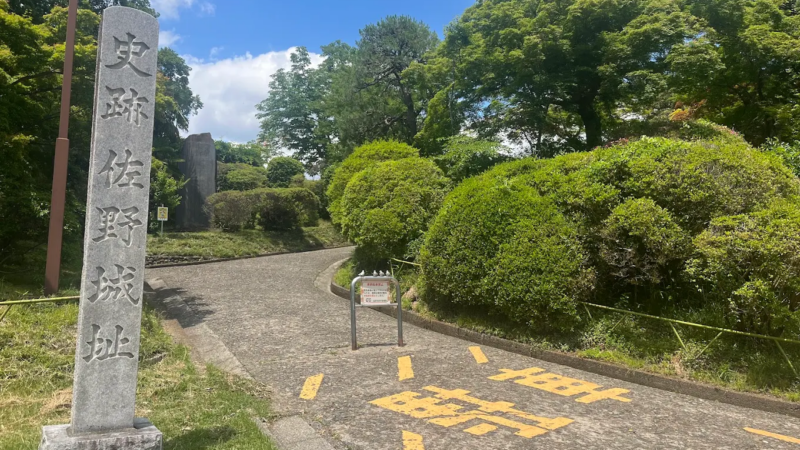
An information board for “Washijo Castle Ruins, Historic Site” is installed at the site of the main keep, providing detailed explanations about the castle’s history and structure. The board includes a description of the Oyama Yoshimasa Rebellion from 1380 to 1382, helping to understand the castle’s historical importance.
The stone monument is inscribed with the date of designation of the castle ruins and its size, indicating its value as a nationally designated historic site.
Access and Visiting Information for Washijo Castle
Location
Address: 272 Sotojo, Oyama City, Tochigi Prefecture
Access by Public Transportation
Approximately 30 minutes on foot from the west exit of Oyama Station on the JR Tohoku Main Line, Mito Line, and Ryomo Line. Oyama Station is a major transportation hub easily accessible from both Tokyo and Utsunomiya, making it convenient for visitors from outside the prefecture.
Walking allows you to enjoy a historical stroll through the Oyama city center. The path from the station to the castle ruins is dotted with historical sites and buildings that evoke the history of Oyama City.
Access by Car and Parking
While there is no dedicated parking lot near the Washijo Castle ruins, there are numerous parking spaces (accommodating over 200 cars) at the nearby Oyama General Park Cycling Center. The castle ruins are within walking distance from Oyama General Park, allowing visitors to explore the park while visiting the site.
Oyama General Park is a vast recreational area for citizens, and parking is free. Visitors can enjoy recreational activities in the park in conjunction with their castle ruins visit.
Visiting Hours and Fees
Visiting the Washijo Castle ruins is free of charge; no entrance fee is required. Since Washijinja Shrine is a Shinto shrine, visiting during worship hours (daytime) is recommended. The average visit takes about 40 minutes, but if you want to carefully observe the remains, allow about an hour.
Precautions When Visiting
The castle ruins are spread across the shrine grounds and surrounding farmland; please avoid trespassing on private property. To preserve the remains, please refrain from excessively approaching or climbing the earthworks and dry moats.
In summer, vegetation can make the remains difficult to see. Spring and autumn are the best times to visit. Also, please be careful of your safety as some parts of the cliffs along the Omoigawa River are unstable.
Related Historical Sites in the Surrounding Area | Oyama Clan Castle Ruins Tour
Washijo Castle, along with two other castle ruins, is designated as a National Historic Site as part of the “Oyama Clan Castle Ruins.” When visiting Oyama City, visiting these castle ruins together will give you a deeper understanding of the history of the Oyama clan.
Gion Castle (Oyama Castle) Ruins
Gion Castle is the most well-known castle as the Oyama clan’s base and is located in the center of Oyama City. It functioned as a major residence at a different time than Washijo Castle, and larger castle ruins remain. Gion Castle is about a 10-minute drive from Washijo Castle.
Nakakuki Castle Ruins
Nakakuki Castle was another important residence of the Oyama clan, located in Nakakuki, Oyama City. Visiting these three castle ruins allows you to understand how the Oyama clan maintained multiple bases and utilized them strategically depending on the situation.
Oyama Council Site
Oyama City also contains the site of the “Oyama Council,” known as a preliminary battle to the Battle of Sekigahara. This historical site, where Tokugawa Ieyasu held a war council with his generals upon receiving news of Ishida Mitsunari’s uprising, is an important historical tourist spot in Oyama City.
Historical Value and Preservation Activities of Washijo Castle
Significance of National Historic Site Designation
The Washijo Castle ruins were designated a national historic site on March 12, 1991 (Heisei 3). This designation was based on the excellent preservation of the medieval castle remains and its significance as the site of the important historical event, the Oyama Yoshimasa Rebellion.
Compared to the stone walls of early modern castles, medieval castles primarily consist of earthen structures such as earthworks and dry moats, making them susceptible to loss due to development and weathering. Washijo Castle ruins maintain a relatively good state of preservation, making them valuable resources for the study of medieval castles.
Preservation and Utilization in Oyama City
Oyama City is actively working on the preservation and utilization of historical sites, installing information boards and improving the remains. Local history enthusiasts and researchers continuously conduct surveys, accumulating new discoveries and knowledge.
In recent years, the site has also been utilized as a historical tourism resource, with walking events and history lectures held around the castle ruins.
Connection with the Community
Washijo Castle ruins are a familiar historical heritage site for local residents, and Washijinja Shrine functions as a center of local faith. Maintenance activities by the local community, such as festivals and cleaning activities, support the preservation of the historical site.
The Charm of Visiting Washijo Castle | The Boundary Between Modern and Medieval Times
One of the charms of visiting Washijo Castle ruins is the encounter with medieval remains that suddenly appear amidst the everyday landscape of modern life. In a quiet environment surrounded by residential areas and farmland, witnessing the remnants of battle such as earthworks and dry moats allows you to truly experience the “boundary between the modern world and the Sengoku period.”
The topography of the river terrace along the Omoigawa River is a crucial element in understanding the castle’s location, and this is an experience that can only be gained by actually visiting the site. While gaining knowledge from information boards and books is important, actually walking on the soil and surveying the landscape allows for a more three-dimensional understanding of history.
Evaluation by Castle Fans and History Enthusiasts
On castle information websites such as Kojodan, Washijo Castle has an average rating of ★★★☆☆ (2.88), a moderate rating. This is due to the characteristics of medieval castles, which lack visually impressive elements such as stone walls and keeps. However, it is highly rated by enthusiasts who value historical background and the state of preservation of the remains.
Visitor comments include remarks such as, “The scale of the earthworks and dry moats was beyond my imagination,” “The cliffs of the Omoigawa River were impressive,” and “I was able to truly feel the history of the Oyama Yoshimasa Rebellion.” This suggests that a visit with historical knowledge enhances the satisfaction of exploring this castle site.
Summary | Washijo Castle: An Important Historical Site for Understanding Medieval Shimotsuke Province
Washijo Castle, located in Oyama City, Tochigi Prefecture, is a nationally designated historical site that was the stage for the important historical event known as the Oyama Yoshimasa Rebellion. Utilizing the river terraces of the Omoigawa River, it is a valuable legacy that conveys medieval castle technology and strategy.
At the site, you can see remains such as watchtower bases, earthworks, and dry moats, and enjoy a historical walk along with the Washijinja Shrine located on the site of the main keep. Its convenient access, within walking distance of Oyama Station, is also a major attraction. Visiting it along with Gion Castle and Nakakuki Castle will allow for a deeper understanding of the history of the Oyama clan.
For those interested in medieval castles, wanting to learn about the history of the Oyama clan, or planning a tour of historical sites in Tochigi Prefecture, Washijo Castle Ruins is a must-see. Enjoy a historical experience where you can feel the spirit of the Middle Ages in a tranquil setting.
--765x450.png)