Complete Guide to Sano Castle (Tochigi Prefecture): History and Highlights of a Modern Castle Remaining Near the Station
What is Sano Castle?
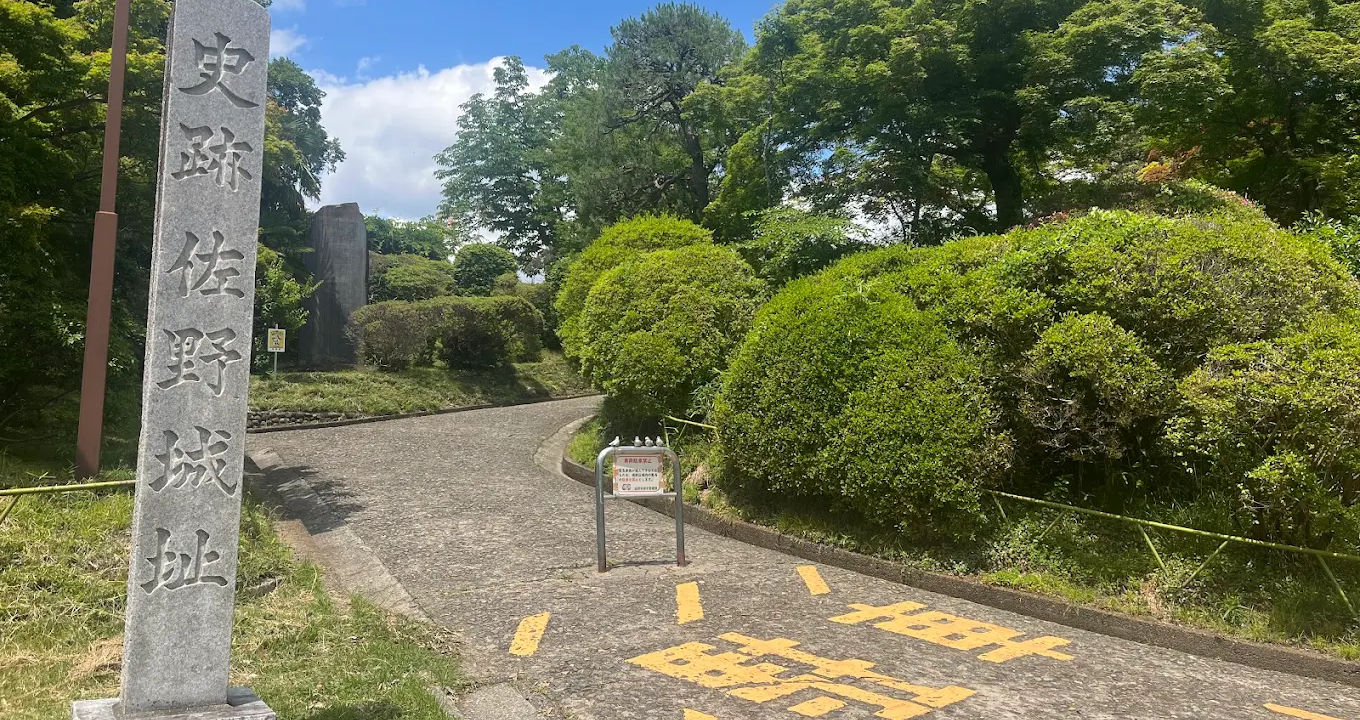
Sano Castle (Sano-jo) is a hilltop castle located in Wakamatsu-cho, Sano City, Tochigi Prefecture. It is also known as Kasugaoka Castle, Kasuga Castle, and Ubagajō. It is currently developed as Shiroyama Park, adjacent to the north side of Sano Station, and is characterized by its unusual location, with the third bailey directly connected to the station.
Built on a hill 56 meters above sea level and approximately 20 meters above ground level, this castle holds significant historical value as a modern castle from the early Edo period and is designated a historical site by Sano City. Its excellent accessibility—approximately a 7-minute walk from Sano Station on the JR Ryōmō Line and Tobu Sano Line—makes it easily accessible not only to castle enthusiasts but also to general tourists.
History of Sano Castle
Relocation from Karasawayama Castle to Sano Castle
The Sano clan, who ruled the Sano region, used Karasawayama Castle as their residence from the Heian period to the Sengoku period. Karasawayama Castle was a strong mountain castle that even repelled the fierce attacks of Uesugi Kenshin. However, in 1602 (Keicho 7), after the Battle of Sekigahara, the head of the clan, Sano Nobuyoshi, began construction of a new castle on a hill in the plains, at the behest of Tokugawa Ieyasu.
In 1607 (Keicho 12), Sano Nobuyoshi moved his residence from Karasawayama Castle to Sano Castle. There are several theories regarding the reason for this relocation.
Main Theories Regarding the Reason for Relocation:
- Consideration for the Tokugawa Family Theory: Because Sano Nobuyoshi was related to the Toyotomi family, he needed to demonstrate his loyalty to Tokugawa Ieyasu.
- Mountain Castle Ban Theory: Because mountain castles near Edo were prohibited, relocation to flatland was unavoidable.
- Overlooking Edo Castle Theory: When a great fire broke out in Edo, Nobuyoshi saw the flames from Karasawayama Castle and rushed there on horseback, only to be reprimanded by Ieyasu, who said, “What do you mean by looking down on Edo Castle from Karasawayama Castle?”
None of these theories are based on reliable historical sources, but considering the historical context of the establishment of the Tokugawa shogunate’s system of rule, it is thought that the relocation from a mountain castle to a flatland castle had political necessity.
A Fateful Castle Abandoned in Just 12 Years
The history of Sano Castle was extremely short-lived. In 1614, just 12 years after its construction, the Sano clan was dispossessed of their domain, and Sano Castle met its fate of being abandoned.
The background to this dispossession was the “Okubo Nagayasu Incident.” Okubo Nagayasu, a close confidant of Tokugawa Ieyasu and magistrate of the Sado Gold Mine, amassed a large fortune, which drew suspicion from the shogunate. When he died of illness in 1613, his inheritance was confiscated, and all seven of his children were forced to commit seppuku (ritual suicide). Because Sano Nobuyoshi was related to Okubo Nagayasu by marriage, he was implicated, his territory was confiscated, and he was placed under the custody of the Ogasawara family, lords of Matsumoto Castle.
Afterward, the Sano area became a shogunate territory, and Sano Castle was abandoned. Throughout the Edo period, a jinya (fortified residence) was established in Sano.
History Before Sano Castle
Interestingly, the site of Sano Castle has a long history. It is believed that the site originated in 782 AD when Fujiwara no Fujinari established a residence there, and it is possible that it was used as some kind of base afterward. The construction of the castle by Sano Nobuyoshi can be considered an extension of this historical land use.
Structure and Layout of Sano Castle
Basic Structure
Sano Castle is a flatland castle of the Renka-shi style, consisting of four main baileys (kuruwa).
Main Baileys:
- Honmaru: The central part of the castle, the most important section
- Ninokuruwa: The second line of defense protecting the Honmaru
- Sannomaru: The outer bailey, currently directly connected to Sano Station
- Kitademaru: The bailey responsible for the northern defense
These baileys are clearly demarcated by dry moats, retaining strong characteristics of a modern castle. The long, north-south orientation is a design that skillfully utilizes the terrain.
Characteristics of the Dry Moats
One of the greatest highlights of Sano Castle is its well-preserved dry moats. These moats, which separate the baileys, are deeply excavated, and the large moat separating the main bailey and the second bailey is particularly impressive in scale.
These dry moats, which demonstrate the castle-building techniques of the early Edo period, have had their structure further revealed through archaeological excavations. Various forms of moats, such as V-shaped moats and box-shaped moats, have been identified, conveying the advanced civil engineering techniques of the time of construction.
Formation of the Castle Town
Sano Nobuyoshi developed the castle town simultaneously with the construction of the castle. The neatly laid out grid-like town layout is a typical form of early modern castle town. This town layout is still carried on in the streets of the current Sano city center, demonstrating that urban planning from over 400 years ago continues to thrive today.
Current Sano Castle: Development as Shiroyama Park
Overview of Shiroyama Park
Currently, the Sano Castle ruins have been developed as “Shiroyama Park,” a place of relaxation for the citizens of Sano. From 1988 to 1998, Sano City conducted large-scale archaeological excavations, and based on the results, the site was developed as a historical park.
The park features walking paths and is known as a popular cherry blossom viewing spot in spring. Despite being adjacent to the city center, the space, surrounded by lush greenery, is a valuable place where visitors can enjoy both historical walks and nature observation.
San-no-maru and Sano Station
The most distinctive feature of Sano Castle is that the San-no-maru area is directly connected to the current Sano Station. It boasts a rare location nationwide, allowing visitors to enter the castle ruins immediately after alighting from the station.
The presence of a historical site in such a convenient location near a train station is an interesting example when considering the balance between urban development and cultural property preservation.
Honmaru and Ninomaru Area
The Honmaru (main enclosure) is located in the center of the park and is a highly independent area surrounded by a dry moat. Currently, it is maintained as a plaza, and an information board showing the former building layout is installed.
The Ninomaru (second enclosure) is located south of the Honmaru, and a magnificent dry moat remains between them. From a position overlooking this dry moat, you can truly appreciate the defensive structure of a modern castle.
Remains of the Kitademaru (northern outer enclosure)
The Kitademaru (northern outer enclosure) was a defensive enclosure on the north side of the castle, and its traces remain in the undulations of the terrain. Although less developed than other enclosures, it is a valuable area where you can observe the remains in a more natural state.
Relocated Sano Castle Gates
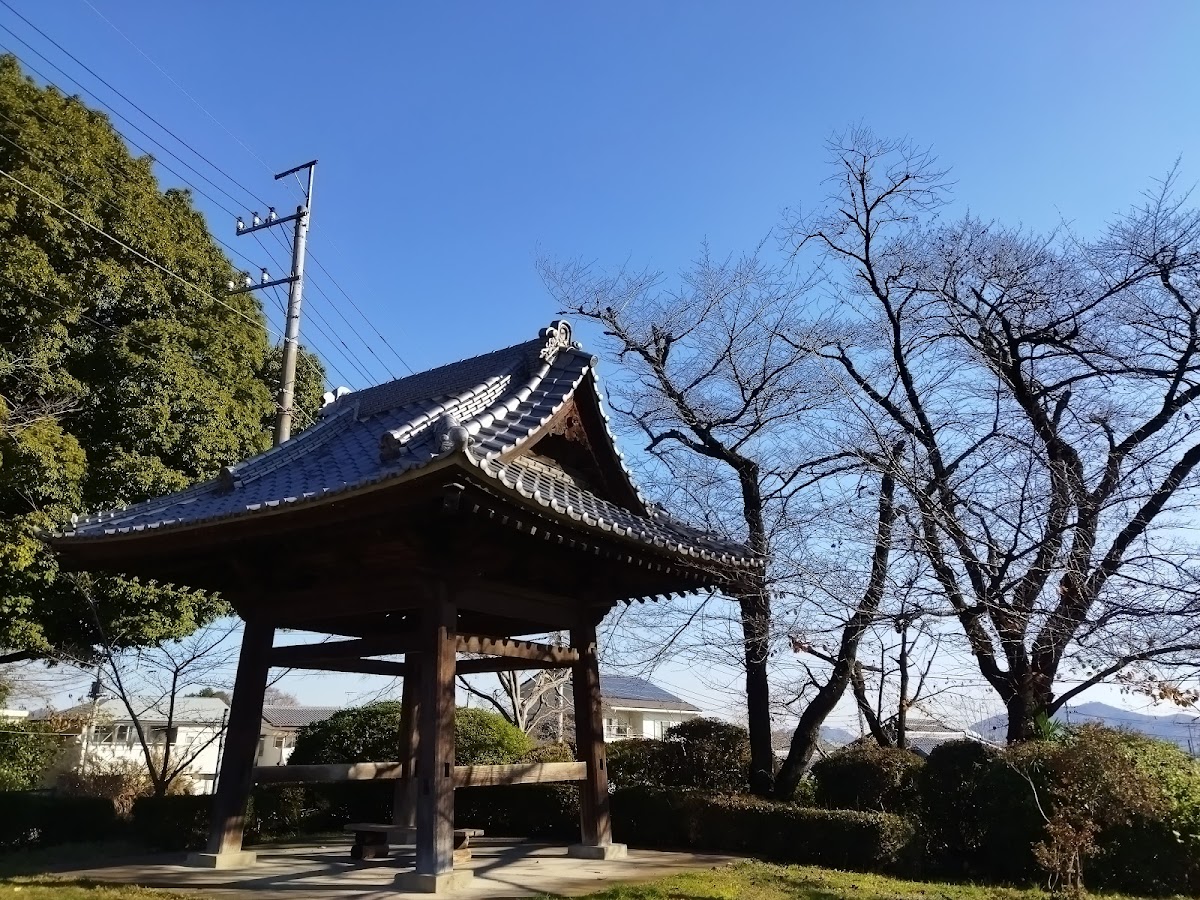
Most of Sano Castle’s buildings were lost after its abandonment, but several castle gates were relocated to temples in the city and remain to this day.
The Main Gate of Sozoji Temple (Sano Yakuyoke Daishi)
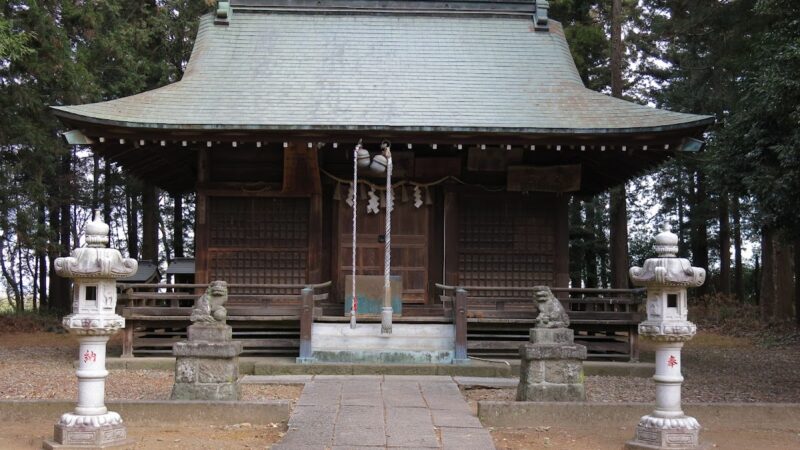
The main gate of Sozoji Temple (commonly known as Sano Yakuyoke Daishi), located in Sano City, is said to have been relocated from Sano Castle. Sozoji Temple is a renowned temple known as one of the three major temples in the Kanto region, attracting many visitors, especially during New Year’s visits.
This main gate retains the architectural style of the early Edo period and is valuable as one of the few remaining structures from Sano Castle. Its imposing appearance as a castle gate evokes the grandeur of Sano Castle in its heyday.
The Middle Gate of Tokoji Temple (Relocated Gate from Sano Jinya)
The middle gate of Tokoji Temple in Sano City is said to have been relocated from the Sano Jinya, an administrative facility established after the abandonment of Sano Castle. The Jinya was an administrative facility established to manage Sano, which became a shogunate territory, and a part of its architecture remains at Tokoji Temple.
This gate is also an important historical structure that conveys Edo period architectural techniques, and can be considered a witness to the history of Sano Castle and Sano Jinya (fortified residence).
Sano Castle’s Highlights and Photo Spots
Photo Spots for the Dry Moat
The dry moat, the greatest highlight of Sano Castle, can be documented in terms of its scale and structure by photographing it from multiple angles.
Recommended Photo Spots:
- The large moat between the main keep and the second bailey: Emphasize the depth by looking down from above.
- Shooting from the bottom of the moat: You can appreciate the height of the cliffs on both sides.
- From the second bailey towards the main keep: The layout of the baileys is easy to understand.
Especially in the morning when the light shines in, the shadows on the moat are beautiful, and you can take photos with a sense of depth.
Seasonal Scenery
Shiroyama Park shows different expressions in each of the four seasons.
Spring: Known as a famous cherry blossom viewing spot, the cherry blossoms around the main keep are magnificent. Many citizens visit during the cherry blossom season.
Summer: Lush green trees cover the castle ruins, creating a cool and refreshing atmosphere. The depth of the dry moat is even more striking.
Autumn: The autumn foliage is beautiful, harmonizing the historical atmosphere with natural beauty.
Winter: The fallen leaves clearly reveal the outlines of the remains, making it the perfect season to observe the castle’s structure.
Information Boards and Explanations
Several information boards explaining the history and structure of Sano Castle are installed within the park. Detailed information reflecting the results of archaeological excavations is available, and reading them in order while strolling will deepen your understanding.
Access and Visiting Information for Sano Castle
Access Methods
Access by Train:
- Get off at JR Ryomo Line “Sano Station,” approximately 7 minutes on foot from the Shiroyama Park Entrance (North Exit)
- Get off at Tobu Sano Line “Sano Station,” also approximately 7 minutes on foot
Both lines share the same station and are directly connected to the San-no-maru area, making access from the station extremely convenient.
Access by Car:
- Approximately 15 minutes from the Tohoku Expressway “Sano-Fujioka IC”
- Approximately 10 minutes from the Kita-Kanto Expressway “Sano-Tanuma IC”
There are municipal parking lots around Shiroyama Park.
Estimated Visiting Time
For a leisurely stroll through Shiroyama Park, allow 1 to 1.5 hours. If you want to carefully observe the dry moats and each enclosure and enjoy taking photographs, 2 hours will allow for a more relaxed visit.
Nearby Attractions
Nearby spots to visit in conjunction with Sano Castle:
Karasawayama Castle Ruins: A mountain castle that was the predecessor of Sano Castle. Approximately 20 minutes by car. A nationally designated historical site, it boasts one of the finest remaining mountain castle ruins in the Kanto region.
Sōzōji Temple (Sano Yakuyoke Daishi): A temple with a relocated castle gate. Approximately 15 minutes on foot.
Sano City Local History Museum: A facility where you can learn about the history of Sano. There are also exhibits related to Sano Castle and Karasawayama Castle.
Sano Premium Outlets: Approximately 10 minutes by car. You can combine sightseeing and shopping.
Sano Castle Revealed by Archaeological Excavations
Results of Archaeological Excavations
The archaeological excavations conducted by Sano City from 1988 to 1998 yielded many important discoveries.
Main Discoveries:
- Foundation of Stone Walls: Foundation stones of stone walls were confirmed around the main keep, revealing that stone walls were built there in the past.
- Building Remains: Multiple foundation stone building remains were confirmed, allowing for the estimation of the layout of the main keep and other buildings.
- Ceramics: Numerous ceramics used as daily necessities were unearthed, revealing the actual living conditions within the castle.
- Moat Structure: Cross-sectional investigation of the dry moat revealed details of the construction techniques.
These research results provide valuable data for understanding the actual state of the castle, which was only used for 12 years.
Characteristics of a Modern Castle
Excavation surveys have confirmed that Sano Castle possesses typical characteristics of a modern castle from the early Edo period. The use of dry moats for division, stone walls, and a planned layout of baileys indicates the application of new castle-building techniques from the post-Battle of Sekigahara era.
Because it was short-lived, it underwent few later alterations and has relatively well preserved its original form, making Sano Castle an important historical site for castle research.
Sano Nobuyoshi and the Sano Clan
Life of Sano Nobuyoshi
Sano Nobuyoshi (birth year unknown – 1622) was a samurai who ruled Sano from the Sengoku period to the early Edo period. The Sano clan was a prestigious family descended from Fujiwara no Hidesato and had ruled the Sano area since the Heian period.
Nobuyoshi served Toyotomi Hideyoshi and sided with the Eastern Army (Tokugawa side) in the Battle of Sekigahara. After the war, his territory was secured, and under the instructions of Tokugawa Ieyasu, he moved from Karasawayama Castle to the flatland Sano Castle.
The Sano Clan After Their Dispossession
After their dispossession in 1614 (Keicho 19), Sano Nobuyoshi was entrusted to the Ogasawara family, lords of Matsumoto Castle, and died there in 1622 (Genna 8). This marked the end of the Sano clan’s rule over Sano, and thereafter, Sano became a shogunate territory under direct control.
The Sano bloodline did not die out, and later continued as hatamoto (direct retainers of the shogun), but the Sano clan as daimyo (feudal lords) came to an end with Nobuyoshi’s generation.
Historical Significance of Sano Castle
A Witness to the Transition to Early Modern Castles
Sano Castle is a castle that symbolizes the transition period from medieval mountain castles to early modern flatland castles. The fact that the formidable mountain castle of Karasawayama Castle was abandoned and relocated to a modern castle on flat land speaks to the establishment of a new system of rule by the Tokugawa shogunate.
Mountain castles are advantageous for combat, but inconvenient for governance and economic activity. The construction of Sano Castle demonstrates the shift in the role of castles in peaceful times from military bases to administrative and economic centers.
The Value of a Short-Lived Castle
Although Sano Castle was abandoned after only 12 years, its short lifespan means it was largely unaffected by later alterations, giving it a paradoxical value in that it relatively well preserves its original appearance. While many castles underwent repeated renovations throughout the Edo period, Sano Castle is like a “time capsule” that directly conveys the castle-building techniques of the Keicho era.
Its Place in Local History
The construction and abandonment of Sano Castle marked a major turning point in the history of the Sano region. With the end of the Sano clan’s rule, which had continued since the Heian period, and the region becoming a direct territory of the shogunate, Sano entered a new historical phase. The town layout, developed as a castle town, remains to this day, and the legacy of Sano Castle continues to influence modern urban structures in unseen ways.
Summary: The Charm of Visiting Sano Castle
Sano Castle (Tochigi Prefecture) is a castle ruin that boasts excellent accessibility from its location in front of the station, well-preserved remains such as dry moats, and a turbulent history.
It offers many points of interest, including its dramatic fate—relocated from Karasawayama Castle and abandoned after only 12 years—its political background involving its involvement in the Okubo Nagayasu Incident, and its structure that indicates the transition period to early modern castles.
The current Sano Castle ruins, developed as Shiroyama Park, are a space open not only to history enthusiasts but also to the general public who enjoy strolling and picnicking. It is a historical site that can be enjoyed from various angles, with its cherry blossoms in spring, deep dry moats, relocated castle gates, and the appearance of the castle in its heyday revealed by archaeological excavations.
When visiting Tochigi Prefecture, be sure to get off at Sano Station and experience the charm of this little-known early modern castle. Visiting Karasawayama Castle in conjunction with this location will give you a deeper understanding of the changes in castle architecture from the medieval to the early modern period.
--765x450.png)