Complete Guide to Susai Chausuyama Castle (Akaiwa City, Okayama Prefecture) | History, Highlights, and Access Information
What is Susai Chausuyama Castle?
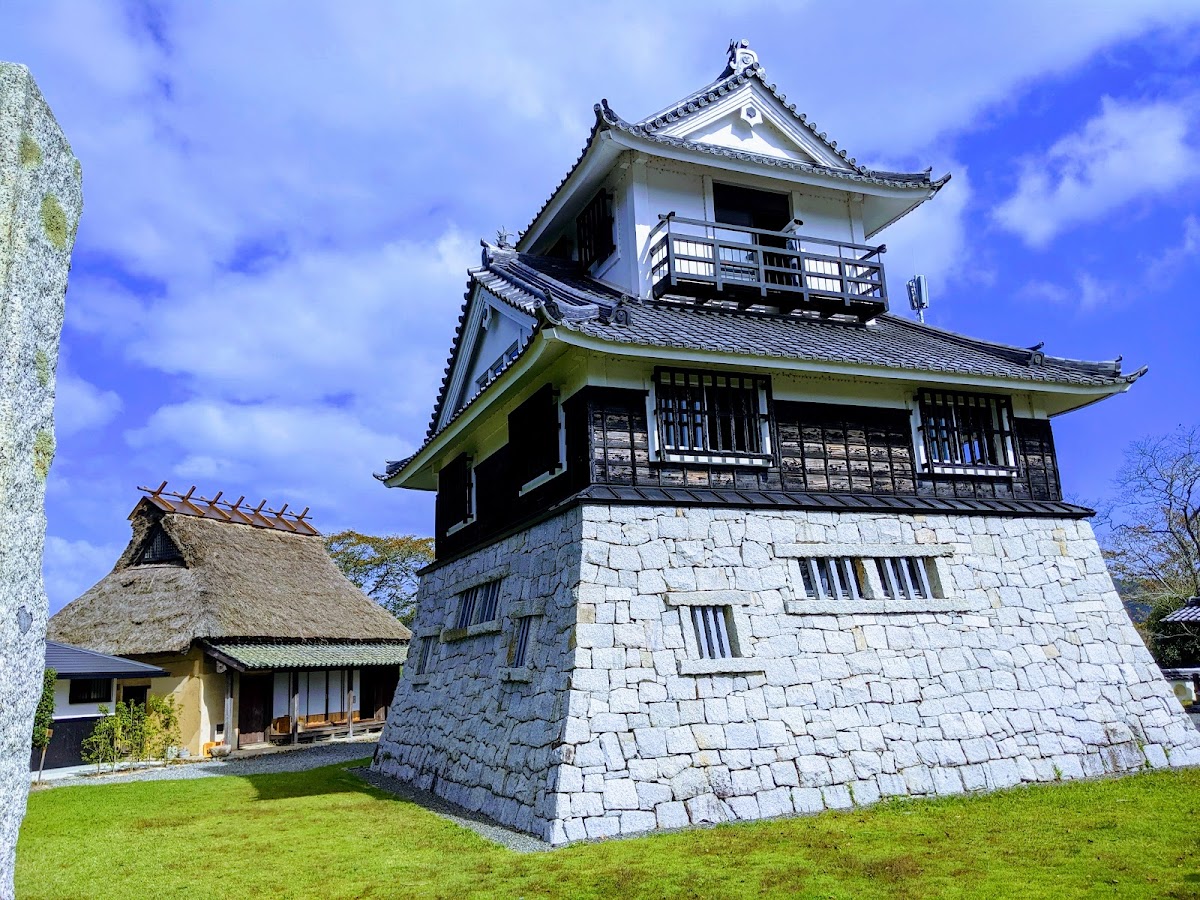
Susai Chausuyama Castle is a Sengoku period mountain castle located in Susai, Akaiwa City, Okayama Prefecture. Also known as Chausuyama Castle, Susai Castle, and Daisenzan Castle, it was built on Mt. Chausu, approximately 240 meters above sea level, on the border between Bizen and Mimasaka Provinces. Currently, it is maintained as Shiroyama Park, with a wooden replica keep, and is a beloved local symbol.
It functioned as a northern defensive base for Tenjin-yama Castle, the headquarters of the Urakami clan who ruled Bizen Province, and was an important military stronghold in Bizen during the Sengoku period. Built on a mountain approximately 120 meters above sea level, it is a full-fledged mountain castle, and even today, remnants such as moats, vertical trenches, and earthworks remain in good condition.
History of Shūzō Chausuyama Castle
From Construction to the Urakami Clan Era
The exact construction date of Shūzō Chausuyama Castle is unknown, but it is believed to have been built around the beginning of the Tenbun era (1532-1555). The builder is said to be a man named Sasabe Kanjirō, but details are unclear.
At that time, the Urakami clan, who were the deputy governors of Bizen Province, held real power. The Urakami clan had their base at Tenjin-yama Castle (Wake-cho, Wake-gun) and ruled Bizen Province. Shūzō Chausuyama Castle was located north of Tenjin-yama Castle and is thought to have functioned as an important branch castle protecting the border with Mimasaka Province.
During the time of Urakami Munekage, who built the Urakami clan’s golden age, many branch castles were established within Bizen Province, creating a strong system of control. Shūzō Chausuyama Castle played a strategically important role as one of these castles.
Conquest by Ukita Naoie
In the late Sengoku period, Ukita Naoie, a vassal of the Urakami clan, rose to power in Bizen Province. Using strategy and military force, Ukita Naoie expanded his influence, gradually putting pressure on his lord, the Urakami clan.
During the Tensho era (1573-1592), Ukita Naoie successively captured the Urakami clan’s branch castles. Shūzō Chausuyama Castle also became a target, and it is believed that fierce battles took place there. Ultimately, it fell into Ukita Naoie’s hands, and the Urakami clan’s power declined.
By around 1575, Ukita Naoie had brought most of Bizen Province under his control, and with Okayama Castle as his base, he grew into a powerful Sengoku daimyo. It is presumed that Shūzō Chausuyama Castle continued to function as a military base for a certain period even after coming under Ukita control.
Abandoned Castle and the Edo Period
After the Battle of Sekigahara, the Ukita clan was dispossessed of their domain, and Bizen Province became the territory of Kobayakawa Hideaki, and then the Ikeda clan. In the Edo period, mountain castles from the Sengoku period lost their military role, and it is believed that Shūzō Chausuyama Castle was also abandoned.
During the Edo period, the Shūzō region housed the Shūzō Jinya (fortified residence) of the Katagiri Ikeda family (22,000 koku), who were chief retainers of the Okayama Domain. This Jinya was located at the foot of Chausuyama Castle and served as the administrative center for the Shūzō region. Currently, a childcare support center and a nursery school are built on the site of the Jinya, but some stone walls from the former samurai residences remain, allowing us to imagine the atmosphere of that time.
Castle Structure and Layout
Overall Layout
Shūzō Chausuyama Castle is a multi-bailey mountain castle built on the eastern ridge of Chausuyama Mountain. The castle grounds are centered around the main enclosure, with multiple baileys arranged along the ridge, making it a suitable location for monitoring and defending the border between Bizen and Mimasaka provinces.
The castle area is long and narrow from east to west, with baileys lined up along the east-west ridges from the main enclosure. The main enclosure at the mountaintop is the highest point, and the baileys are arranged in stages, separated from each other by moats and cliffs.
Main Enclosure (Bailey I)
The main enclosure is where a replica keep currently stands and is the largest flat area within the castle. From here, the surrounding area offers excellent views, including the Yoshii River basin and the Mimasaka region.
Within the main enclosure, archaeological excavations have revealed a large pit dwelling, which is now on display. This pit dwelling may have been used as a warehouse or barracks, making it a valuable relic for understanding the castle’s actual layout.
Earthworks surrounded the main enclosure, enhancing its defensive capabilities. Furthermore, access to the main enclosure is limited, making it a defensively advantageous structure.
Moats and Vertical Moats
A notable defensive feature of Shūzō Chausuyama Castle is the moats and vertical moats located throughout the site. Moats are dry moats dug to cut across ridges, separating enclosures and preventing enemy intrusion.
Vertical moats are trench-like structures dug vertically along slopes, effectively hindering enemy ascent. At Shūzō Chausuyama Castle, particularly prominent vertical moats have been identified on the southern slope, indicating their function as a major defensive line.
These moats and vertical moats remain clearly visible today, making them valuable historical remains that allow us to appreciate the defensive techniques of mountain castles during the Sengoku period.
Arrangement of Enclosures
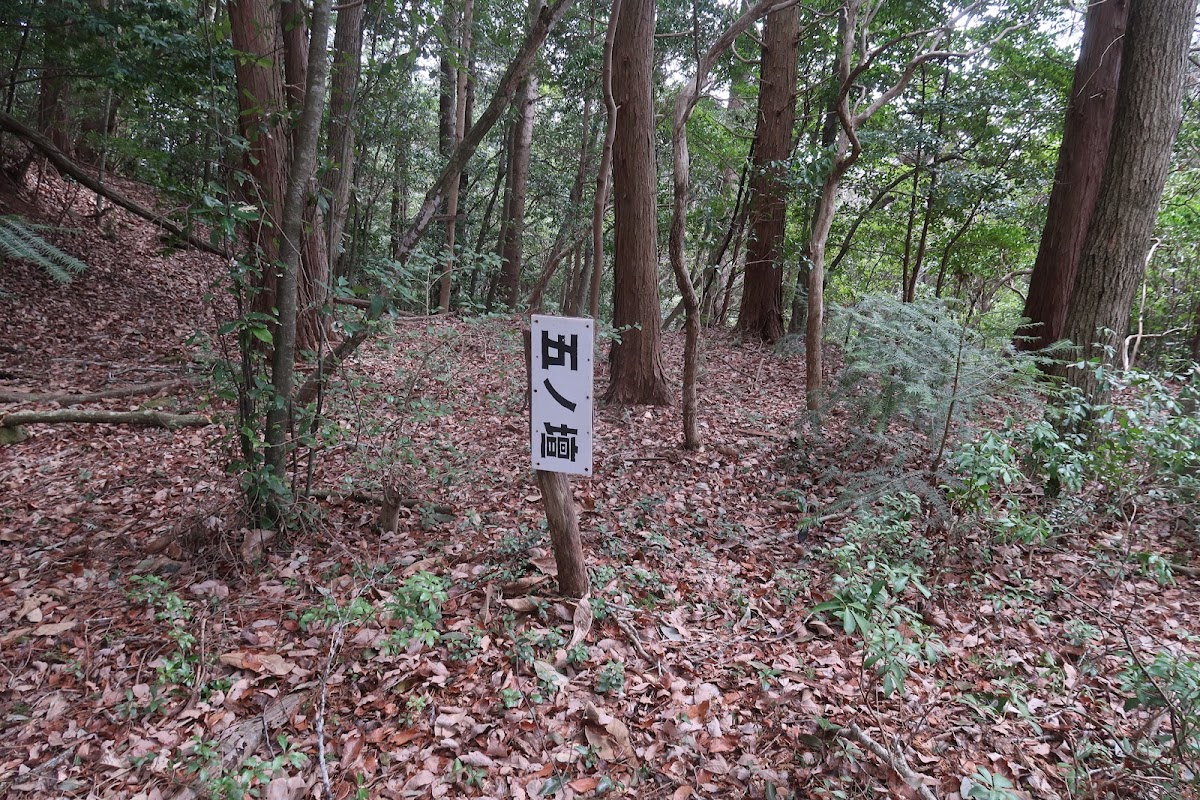
Multiple enclosures are arranged to the east and west of the main enclosure. Each enclosure was demarcated by steep slopes and trenches, functioning as an independent defensive unit.
The enclosures varied in size; larger ones were likely used for troop garrisons and supply storage, while smaller ones served as watchtowers or battlefield bases. The defensive structure, utilizing elevation differences between enclosures, is a typical feature of mountain castles.
Multiple enclosures are arranged in a stepped pattern on the eastern ridge, and a similar structure can be seen on the western side. These groups of enclosures formed multiple defensive lines, creating a formidable fortress that was difficult to conquer.
Highlights of Shūzō Chausuyama Castle
Replica Keep
Currently, a wooden replica keep stands in the main enclosure. While not based on historical evidence, this keep is a beloved symbol of the Shūzō region and can be seen from afar.
The view from the replica keep is magnificent, offering panoramic views of the Yoshii River, the city of Akaiwa, and even as far as Okayama City. Imagining the castle soldiers of the Sengoku period (Warring States period) monitoring the surroundings from this spot evokes a sense of historical romance.
While the interior of the castle keep is sometimes open as an observation deck, it is recommended to check the opening status before visiting.
Restored Pit Dwelling Structure
Within the main enclosure, a large pit dwelling structure, confirmed during archaeological excavations, has been restored and is on display. This structure is a valuable resource that shows the reality of life and military activities in a mountain castle during the Sengoku period.
Based on the size and structure of the pit dwelling, it has been suggested that it may have been used as a warehouse, barracks, or command post. The restored exhibit allows visitors to concretely imagine what the castle facilities were like at that time.
Remains of Moats and Vertical Ditches
The moats and vertical ditches remaining throughout the castle grounds are one of the greatest highlights of Shuso Chausuyama Castle. The group of vertical ditches on the southern slope, in particular, remains clearly visible, allowing visitors to appreciate the high level of defensive technology of the Sengoku period.
You can actually pass through the moats when walking between the baileys, and you can experience their function as defensive structures from their depth and width. The vertical moats can be observed as deep trenches carved into the slopes, allowing you to learn about the defensive structures unique to mountain castles.
Earthworks and Cut Slopes
Earthworks were built around each bailey, and some are still clearly visible today. These earthworks served to protect against enemy arrows and firearms, as well as clearly defining the boundaries of the baileys.
Cut slopes are artificially steepened slopes, defensive structures designed to make ascent difficult for the enemy. At Shūzō Chausuyama Castle, cut slopes were built around each bailey, forming multiple lines of defense.
Shūzō Jinya Ruins and Samurai Residence Ruins
At the foot of the castle mountain remain the ruins of the Shūzō Jinya (fortified residence) from the Edo period. This site was once the location of the encampment of the Katagiri-Ikeda family (22,000 koku), chief retainers of the Okayama Domain. While a childcare support center and nursery school now stand on the site, some of the stone walls from the samurai residence remain.
The stone walls of the samurai residence, located on the lower level of the encampment, are valuable historical remains that convey the atmosphere of samurai society during the Edo period. Visiting these walls in conjunction with the history of Chausuyama Castle allows one to feel the transition from the Sengoku period to the Edo period.
Shūzō Hachimangu Shrine
Near the castle is the Shūzō Hachimangu Shrine, a center of local faith. Chausuyama Castle can be seen from the shrine grounds, making it a place where one can feel the connection between the castle and the local community.
Shūzō Ikeda Family Cemetery
The cemetery (Shin no Otsuka) of the Ikeda family, who ruled Shūzō, also remains in the vicinity, making it an important historical site for understanding the history of the Shūzō region during the Edo period.
Access Information
Access by Car
Access to Shūzō Chausuyama Castle is most convenient by car. The following routes are common.
From the Sanyo Expressway
- Approximately 15 minutes from the Sanyo Expressway Wake Interchange
- Approximately 20 minutes from the Sanyo Expressway Sanyo Interchange
Detailed Route
- Cross the Yoshii River west at the “Shuso Bridge” on National Route 374.
- Immediately turn right onto Prefectural Road 351.
- Head north for approximately 1.2 km and turn left.
- Turn left at the dead end 200 m ahead.
- Turn left 400 m ahead towards the B&G Marine Center.
- After passing the B&G Marine Center, continue for another 1.2 km to reach the first parking lot.
Parking
- First Parking Lot: Located near the entrance to Shiroyama Park, free of charge.
- Parking capacity: Approximately 20 cars.
- Approximately 15-20 minutes on foot from the parking lot to the main enclosure.
Access by Public Transportation
If using public transportation, please follow the route below.
Using JR
- Get off at Seto Station on the JR Sanyo Main Line
- Transfer to Uno Bus and get off at the Shūzō bus stop (approx. 20 minutes)
- From the bus stop, it’s about a 20-minute walk to the entrance of Shiroyama Park
- Another 15-20 minute walk to the main enclosure (reconstructed castle tower)
Notes
- Since the number of buses is limited, we recommend checking the timetable in advance.
- The path from the bus stop to the castle is uphill, so we recommend wearing comfortable shoes.
Castle Ascent Route
From the parking lot to the main enclosure, you will walk along a well-maintained mountain trail. There are signposts along the way, so you won’t get lost.
Estimated Time Required
- From the parking lot to the main enclosure: Approximately 15-20 minutes on foot
- Castle interior tour time: Approximately 40-60 minutes
- Total: Approximately 1-1.5 hours
Notes for Visiting the Castle
- As it is a mountain castle, comfortable clothing and walking shoes are essential.
- Insect repellent is recommended in summer, and warm clothing is recommended in winter.
- Bringing your own drinking water is recommended.
- Be careful as the ground can be slippery during and after rain.
Nearby Tourist Attractions
Okayama Castle (Crow Castle)
Okayama Castle, built by Ukita Naoie and Hideie, father and son who conquered Shūzō Chausuyama Castle, is approximately 30 minutes away by car. This famous castle, also known as “Crow Castle” due to its black exterior, can be visited in conjunction with Shūzō Chausuyama Castle to learn about the changes in castle architecture from the Sengoku period to the early modern period.
Bizen Kokubunji Temple Ruins
The Bizen Kokubunji Temple ruins from the Nara period are an important historical site located in Akaiwa City. It was the center of ancient Bizen Province, offering a glimpse into its rich history.
Kumayama Ruins
Located on the summit of Kumayama Mountain in Akaiwa City, these stone structures are known as an ancient religious site. Like Shūzō Chausuyama Castle, it is a mountaintop historical site, allowing visitors to trace the history of Bizen from ancient to medieval times.
Shizutani School
Known as Japan’s oldest public school for commoners, Shizutani School is located in Bizen City. Designated a National Treasure as an Edo period educational facility, it is famous for its beautiful architecture and autumn foliage.
Points to Note When Visiting
Best Time to Visit
Shūzō Chausuyama Castle is accessible year-round, but the following times are particularly recommended.
Spring (March-May)
- Mild weather makes it easy to visit the castle.
- Beautiful fresh greenery makes for a refreshing stroll through the mountain castle.
Autumn (October-November)
- Beautiful autumn foliage, ideal for photography.
- Moderate temperatures make it suitable for longer walks.
Summer (June-September)
- Early morning or evening visits are recommended.
- Insect repellent and hydration are essential.
Winter (December-February)
- Fallen leaves make the ruins easier to see.
- Warm clothing is necessary, but the air is clear and the views are excellent.
Estimated Visit Time
The general estimated visit time is as follows:
- From the parking lot to the main enclosure: 15-20 minutes
- Exploring the area around the main enclosure: 20-30 minutes
- Exploring each enclosure and ruins: 20-30 minutes
- Descending the mountain: 10-15 minutes
- Total: Approximately 1-1.5 hours
If you want to carefully observe the ruins or enjoy taking photographs, it’s best to allow about 2 hours.
Useful items to bring
- Comfortable walking shoes (trekking shoes recommended)
- Drinking water
- Towel
- Insect repellent spray (spring to autumn)
- Hat
- Camera
- Castle layout map and materials (obtaining these in advance will deepen your understanding)
From the perspective of castle research
Position in Bizen Province
Shuso Chausuyama Castle is an important castle for understanding the Sengoku period history of Bizen Province. It played a part in the branch castle network under the rule of the Urakami clan, and in particular, it played a strategic role in border defense with Mimasaka Province.
Within the group of subsidiary castles centered around Tenjin-yama Castle, the Urakami clan’s base, Shūzō Chausuyama Castle functioned as a strategic point in the north, serving as a frontline base to prepare for invasions from the Mimasaka region. This geographical location offers valuable insights into the defense strategy of Bizen Province.
Characteristics of the Castle Layout
The layout of Shūzō Chausuyama Castle exhibits typical characteristics of a Sengoku period mountain castle. Elements such as the arrangement of interconnected baileys along the ridge, defensive lines created by trenches and vertical moats, and the division of baileys by cut slopes demonstrate the castle-building techniques of the mid-16th century.
Particularly noteworthy are the vertical moats on the southern slope, which are thought to be defensive structures designed to anticipate the enemy’s main attack routes. The arrangement and shape of the vertical moats reveal the defensive strategy of the castle’s builder at the time.
The large pit dwelling remains found within the main bailey indicate the presence of a permanent facility within the mountain castle, suggesting that this castle was not merely a temporary encampment but a permanently maintained and managed base fortress. ### Preservation Status and Future Challenges
Shuso Chausuyama Castle is maintained as a castle park, so the remains are relatively well-preserved. Major moats, trenches, and earthworks remain clearly visible, making it a valuable site for learning about the structure of Sengoku period mountain castles.
However, some remains may have been altered due to the construction of a replica keep and park development. In the future, appropriate preservation management will be required, balancing academic research and tourism.
Summary
Shuso Chausuyama Castle is a historically valuable castle that served as an important mountain castle in Bizen Province during the Sengoku period, and was the stage for battles between the Urakami and Ukita clans. Currently, it is maintained as a castle park, offering many attractions including a replica keep, reconstructed pit dwellings, and clearly visible moats and trenches.
Despite being a full-fledged mountain castle built on a mountain 120 meters above sea level, its accessibility—reaching the main enclosure relatively quickly from the parking lot—is also a major draw. The view from the main enclosure is magnificent, allowing you to experience the same scenery that the castle soldiers of the Sengoku period saw.
For those interested in the Sengoku history of Bizen Province, those who want to learn about the structure of mountain castles, or those who simply enjoy historical walks, Shūzō Chausuyama Castle is a historical site well worth visiting. The surrounding area also boasts many other historical spots, such as Okayama Castle and Shizutani School, making it a region where you can comprehensively learn about the history of Bizen Province.
Why not enjoy a historical walk amidst beautiful nature while feeling the spirit of the Sengoku period? Shūzō Chausuyama Castle is a fascinating historical site that eloquently tells the history of Bizen Province during the Sengoku period to its visitors.