
Sekiyado Castle (Chiba Prefecture) Complete Guide: A Key Point in Kanto Controlling the Tone River and Edo River
What is Sekiyado Castle?: A Strategically Important Castle Protecting the Key to Kanto’s Water Transport
Sekiyado Castle was a Japanese castle located in Sekiyado Sangenya, Noda City, Chiba Prefecture. Situated at the point where the Tone River and Edo River diverge, it was a strategically important fortress that held the key to controlling Kanto from the Sengoku period to the Edo period.
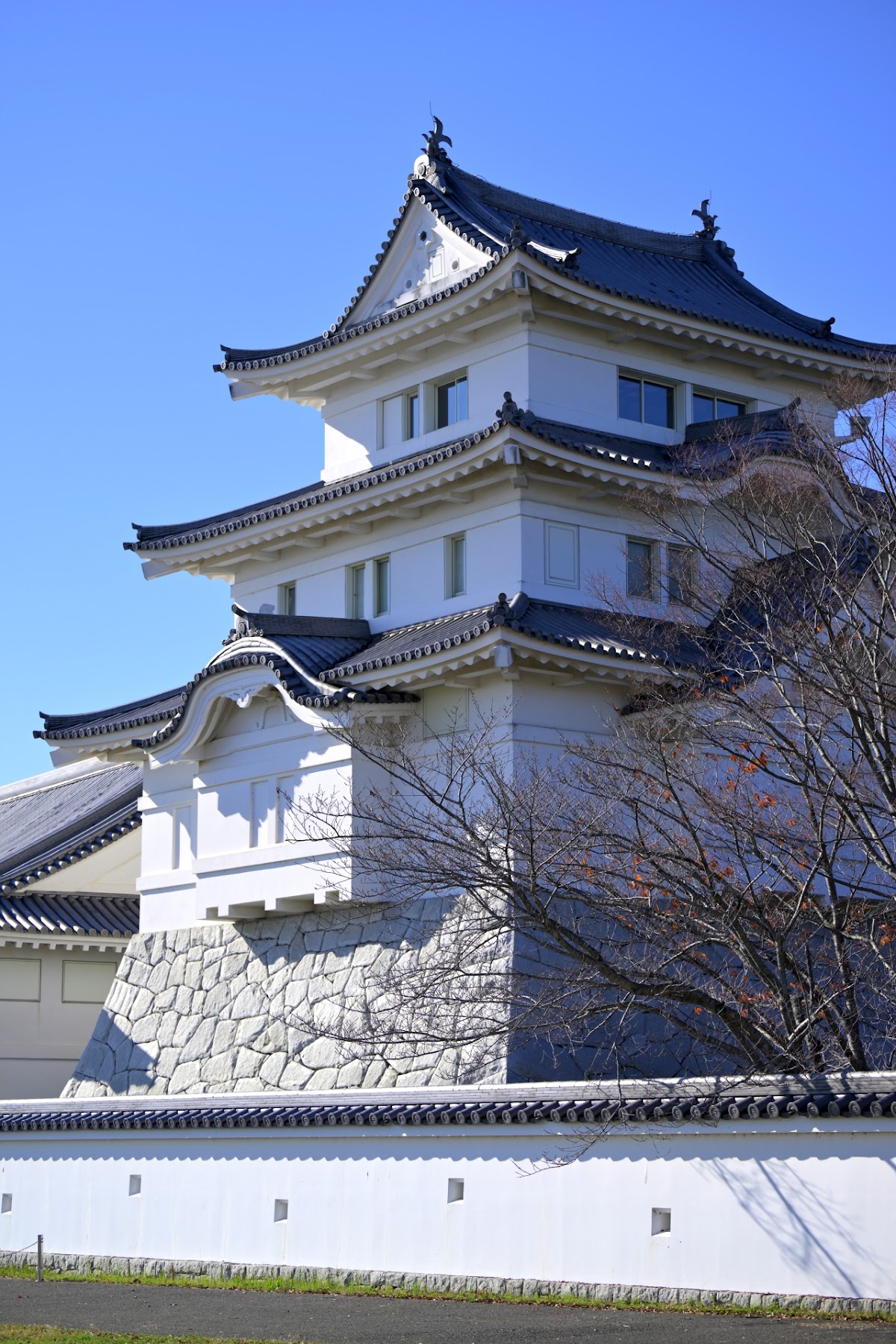
Although the original keep no longer exists, the Chiba Prefectural Sekiyado Castle Museum has been built as a replica keep, and is a popular tourist spot offering panoramic views of the magnificent Tone River and Edo River. While Sekiyado Castle is not selected as one of the “100 Famous Castles of Japan” or the “Continued 100 Famous Castles of Japan,” its historical importance and geographical characteristics make it a castle of interest to castle enthusiasts and history buffs.
Hojo Ujiyasu described Sekiyado Castle as “to control this land is equivalent to acquiring a whole province,” and during the Sengoku period, fierce battles for control of the castle raged between the Hojo and Uesugi clans. During the Edo period, it served as the administrative center of the Sekiyado Domain, founded by Matsudaira Yasumoto, the half-brother of Tokugawa Ieyasu. It functioned as an important castle, with its lords being hereditary daimyo holding key positions in the shogunate.
History of Sekiyado Castle: From Construction to Abandonment
Muromachi Period: Construction by the Yanada Clan
There are various theories regarding the construction date of Sekiyado Castle, but it is generally believed to have been built around 1457 by Yanada Mitsusuke or Yanada Narisuke. During this period, the conflict between the Koga Kubo and the Kanto Kanrei Uesugi clan continued in the Kanto region, making Sekiyado, which controlled the Tone River system, an extremely important location militarily and economically.
The Yanada family, as the Sekiyado Yanada family, subsequently used this castle as their residence for generations, developing it into a base for controlling water transport in the Kanto region. Sekiyado flourished as a transit point for the water transport economy, with Takase boats and Tsuunmaru ships bustling about, and played an important role as a center for the collection and distribution of goods.
Sengoku Period: Fierce Struggle Between the Hojo and Uesugi Clans
Towards the end of the Sengoku period, Sekiyado Castle became the stage for fierce battles between the Hojo and Uesugi clans. Particularly famous is the series of battles known as the “Battles of Sekiyado.”
Hojo Ujiyasu, Ujimasa, and Ujiteru, father and son, attacked Sekiyado Castle, defended by Yanada Harusuke with the support of Uesugi Kenshin and Satake Yoshishige, three times. For the Hojo clan, who aimed to conquer Kanto, capturing Sekiyado Castle was an absolute necessity for their advance into northern Kanto.
This battle, which unfolded primarily during the Eiroku era (1558-1570), marked a crucial turning point in the history of the Sengoku period in the Kanto region. Ultimately, the Hojo clan prevailed, and Sekiyado Castle became a base for the Hojo clan’s expansion into northern Kanto.
Edo Period: As the seat of the Sekiyado Domain
In 1590, following the fall of the Hojo clan in Toyotomi Hideyoshi’s Odawara campaign, Kanto came under the control of Tokugawa Ieyasu. Matsudaira Yasumoto, Tokugawa Ieyasu’s half-brother, entered Sekiyado Castle and became the founder of the Sekiyado Domain.
Throughout the Edo period, the Sekiyado Domain was a small domain of approximately 20,000 to 30,000 koku, but as a key castle controlling the throat of Edo, it was ruled by fudai daimyo (hereditary vassals) who held important positions in the shogunate. Successive lords included the Kuze, Itakura, and Makino clans, all prestigious fudai daimyo families that produced senior councilors and junior councilors. The layout of Sekiyado Castle had a unique configuration that blocked the Edogawa River, maximizing its function as a strategic point in the Tone River system, controlling water transport in the Kanto region.
After the Meiji Restoration: Abandonment and the Present
Following the abolition of the feudal domains and the establishment of prefectures after the Meiji Restoration, Sekiyado Castle was abandoned. Subsequently, the castle site became the property of the Imperial family, and during the Taisho era, it came under the jurisdiction of the Imperial Household Agency.
The castle’s structures gradually disappeared, and repeated floods of the Tonegawa River significantly altered the topography of the castle site. Currently, the original castle site is located away from the confluence of the Tonegawa and Edogawa rivers, but in 1995, the Chiba Prefectural Sekiyado Castle Museum was built as a replica keep, serving as a center for conveying the history of Sekiyado Castle.
Structure and Layout of Sekiyado Castle
Characteristics as a Flatland Castle
Sekiyado Castle was once located facing the Sakagawa River, which connected the Tonegawa and Edogawa rivers, and was a flatland castle situated on a plain. The river flowing around the castle served as a natural moat, making it a crucial point for water transport and also functioning as a natural defensive structure.
However, because it was a flatland castle, despite the construction of earthen ramparts to prevent water from flowing into the castle grounds, records show that it suffered from repeated floods. This battle against floods is an essential element in understanding the history of Sekiyado Castle.
A Layout that Controls Water Transport
The most distinctive feature of Sekiyado Castle lies in its layout, which effectively blocks the Edo River. By controlling the confluence of the Tone River and the Edo River, it was built in a position that allowed for complete control of the supply routes to Edo.
This geographical advantage is precisely why Hojo Ujiyasu said it was “equivalent to a province,” and it was a major factor in the fierce battles fought for it during the Sengoku period. Controlling the waterways of the Kanto region meant controlling the economy and military of the entire Kanto region.
Chiba Prefectural Sekiyado Castle Museum: Highlights and Exhibits
Museum Overview
The Chiba Prefectural Sekiyado Castle Museum is easily recognizable by its castle-like keep, perched on a hill overlooking the embankment where the Tone River and Edo River diverge. Opened in 1995, the museum focuses on “Rivers and Related Industries,” exhibiting aspects of river improvement and water transport, particularly the Tone River and Edo River, and the relationship between local people and the rivers, from industrial, folkloric, and historical perspectives.
The replica keep is four stories high, with the top floor serving as an observation room offering panoramic views of the magnificent Tone River and Edo River. On clear days, visitors can enjoy the vast landscape of the Kanto Plain, making it an excellent spot to appreciate the geographical importance of the area as a former water transport hub.
Permanent Exhibition Contents
The museum’s permanent exhibitions are structured around the following themes:
1. History of the Tone River and River Improvement
This section provides a detailed explanation, using models and videos, of large-scale river improvement projects during the Edo period, including the Tone River Diversion Project, and flood control projects from the modern era onward.
2. History of Water Transport and Boat Transportation
This section features models of boats that traveled the Tone River from the Edo period to the Meiji period, such as Takase-bune and Tsuun-maru, as well as exhibits recreating the appearance of Sekiyado, which prospered from water transport.
3. History of Sekiyado Castle and the Sekiyado Domain
This section introduces the history of Sekiyado Castle, its successive lords, and the politics and culture of the Sekiyado Domain through historical documents, weapons, and maps.
4. Local Folklore and Industry
This section exhibits the lives of people in the Tone River basin, the culture that has coexisted with the river, and industries such as fishing and agriculture.
View from the Observation Room
From the observation room on the top floor of the museum, you can enjoy a panoramic view of the point where the Tone River and the Edo River diverge. This view is the main attraction that visually explains why Sekiyado Castle was called a “key location controlling water transport in the Kanto region.”
On a clear day, you can see Mount Tsukuba and Mount Fuji in the distance, giving you a real sense of the vastness of the Kanto Plain. The beauty of the scenery changes with the seasons: cherry blossoms in spring, fresh greenery in summer, and autumn leaves in fall.
Attractions around Sekiyado Castle
Sekiyado Castle Ruins Park
Right next to the museum is Sekiyado Castle Ruins Park, surrounded by cherry blossoms. It’s a popular spot for families, especially during the spring cherry blossom season, as it’s bustling with tourists and has playground equipment for children.
Walking paths are maintained within the park, allowing you to stroll along the Tone River embankment and feel the remnants of the former castle.
The Confluence of the Tone River and Edo River
The confluence of the Tone River and Edo River, the most distinctive feature of Sekiyado Castle, is within walking distance of the museum. The sight of the two large rivers flowing gently is spectacular and a popular spot for photography.
This point of divergence is the reason why Sekiyado Castle was considered a strategically important location, and standing there allows you to truly feel its geographical importance.
Access Information
Access by Public Transportation
By Train and Bus
- Take the Asahi Bus bound for Sakai-machi from either Kawama Station or Tobu Dobutsu Koen Station on the Tobu Noda Line.
- Get off at the Sekiyado Castle Museum bus stop and it’s a short walk.
- Travel time: Approximately 30 minutes from Kawama Station, approximately 20 minutes from Tobu Dobutsu Koen Station.
Important Notes
Since the number of buses is limited, it is recommended to check the Asahi Bus timetable in advance. Especially on holidays, bus services are infrequent, so please be careful when planning your visit.
Access by Car
From Tokyo
- Approximately 40 minutes from Kashiwa IC on the Joban Expressway via National Route 16
- Approximately 30 minutes from Kuki IC on the Tohoku Expressway via National Route 4 and prefectural roads
Parking
The museum has a free parking lot with space for approximately 100 regular cars. During peak seasons such as cherry blossom season, the parking lot may be full, so early arrival is recommended.
Address and Basic Information
- Address: 143-4 Sekiyado Sangenya, Noda City, Chiba Prefecture
- Opening Hours: 9:00 AM – 4:30 PM (Last entry at 4:00 PM)
- Closed Days: Mondays (Open on national holidays, closed the following day), New Year holidays
- Admission Fee: General 200 yen, High school and university students 100 yen, Junior high school students and younger, and those 65 and older free
- Inquiries: 04-7196-1400
Best Season and How to Enjoy Visiting Sekiyado Castle
Spring: A Famous Cherry Blossom Spot
The area around Sekiyado Castle Museum is known as a famous cherry blossom spot, with approximately 200 cherry trees in full bloom from late March to early April. The collaboration of the museum’s replica castle tower and the cherry blossoms makes for an excellent photo spot, attracting many photography enthusiasts.
At Sekiyado Castle Ruins Park, you can enjoy cherry blossom viewing under the trees, making it perfect for families and groups to relax.
Summer: Enjoying the Tone River
In summer, we recommend strolling along the Tone River embankment and enjoying the natural scenery by the water. The view of the Kanto Plain from the museum’s observation room in summer is lush and expansive.
The museum is air-conditioned, making it a great place to escape the heat on hot days.
Autumn: Autumn Leaves and Historical Walks
Autumn is the perfect season for historical walks, with its beautiful autumn foliage. The trees around the museum change color, creating a tranquil atmosphere where you can reflect on the castle’s history.
The weather is mild, making it ideal for leisurely viewing the exhibits and exploring the surrounding area.
Winter: Quiet Historical Exploration
Winter is a hidden gem season for visiting the museum, as there are fewer tourists, allowing for a more relaxed experience. The air is clear, making the view from the observation room even more beautiful, sometimes allowing you to see distant mountains.
Nearby Tourist Attractions
Noda City Local History Museum
This museum showcases the history and culture of Noda City. Visiting it in conjunction with the Sekiyado Castle Museum will allow you to gain a deeper understanding of the region’s history.
Ibaraki Prefectural Museum of Nature
A large-scale natural history museum located on the Ibaraki Prefecture side across the Tone River. It boasts extensive exhibits on dinosaur fossils and space, making it popular with families.
Sakai Town (Ibaraki Prefecture)
Located on the opposite bank of the Tone River, Sakai Town was once a thriving riverside town that prospered from water transport. Its old townscape remains, making it a pleasant place for a stroll.
The Charm of Sekiyado Castle: Why You Should Visit
Sekiyado Castle may seem unremarkable at first glance because its main keep and other structures no longer exist. However, the true value of this castle lies in its geographical importance and historical background.
Standing at the prime location where the Tone River and Edo River diverge, Sekiyado Castle offers a unique experience of appreciating its strategic value, which Sengoku-era warlords described as “equivalent to a province.” Through the exhibits at the Chiba Prefectural Sekiyado Castle Museum, you can learn about the Tone River’s important role in Japanese history, including its relationship with people, the history of water transport, and the struggles of flood control.
This is an attractive spot that can be enjoyed by a wide range of people, including castle enthusiasts, history buffs, nature lovers, and families. Why not spend some relaxing time while immersing yourself in the history of this famous castle that controlled water transport in the Kanto region and gazing at the magnificent scenery of the Tone River?
Summary: Experience Kanto’s History at Sekiyado Castle
Sekiyado Castle, located in Noda City, Chiba Prefecture, sits at the confluence of the Tone River and the Edo River, and played an important role from the Sengoku period to the Edo period as a strategic point that controlled water transport in the Kanto region. The geographical value that Hojo Ujiyasu described as “equivalent to a province” can be truly appreciated by visiting the site.
Currently, the Chiba Prefectural Sekiyado Castle Museum stands as a replica of the castle keep, providing a valuable facility where you can learn about the history of the river, water transport, and the history of the Sekiyado Domain. From the observation deck, you can enjoy a magnificent panoramic view of the Tone River and Edo River, visually understanding the importance of this area as a key point for water transport in the past.
With its charm in every season—cherry blossoms in spring, lush greenery in summer, vibrant autumn leaves, and tranquility in winter—it’s a spot that can be enjoyed by families, couples, and solo travelers alike. Be sure to visit Sekiyado Castle, where you can experience both the history and nature of the Kanto region.


