Complete Guide to Shojuji Castle (Aomori Prefecture) | History and Highlights of the Nanbu Clan’s Headquarters and National Historic Site
What is the Shojuji Castle Ruins?
The Shojuji Castle Ruins, located in Shojuji, Komukai, Nanbu-cho, Sannohe-gun, Aomori Prefecture, are the remains of the headquarters of the main branch of the Nanbu clan from the Muromachi period to the Sengoku period. Also known as “Moto-Sannohe-jo,” it was designated a National Historic Site on September 30, 2004.
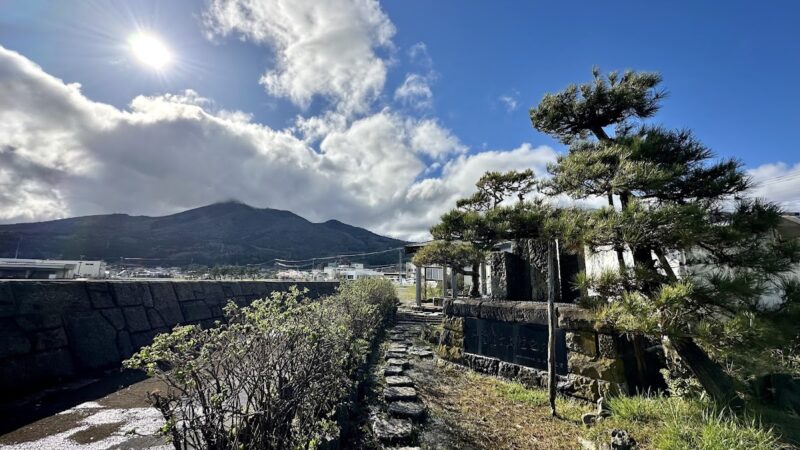
Located in southeastern Aomori Prefecture, near the confluence of the Sarube River and Mabuchi River, it sits at a strategic point where two major highways, the Oshu Kaido and the Kazuno Kaido, intersect. This strategic location played a crucial role in the Nanbu clan’s expansion of power into the northern Tohoku region.
Origin of the Name of Seijuji Castle
Initially called “Sanno Castle,” it came to be known as “Seijuji Castle” because Seijuji Temple, the family temple of the Nanbu clan, was located just north of the castle. Even today, Seijuji Temple stands north of the castle site, preserving the history of the Nanbu clan.
History and Development of Seijuji Castle
The Nanbu Clan’s Expansion into Nukanobu and the Establishment of the Castle
The Nanbu clan was a samurai family originating from Kai Province (present-day Yamanashi Prefecture). During the Kamakura period, they obtained the position of jitō (land steward) of Nukanobu District and expanded into the Tohoku region. In the Muromachi period, the main branch of the Nanbu clan established Seijuji Castle as its base, controlling a vast area stretching from southern Aomori Prefecture to northern Iwate Prefecture.
Development from the Muromachi Period to the Sengoku Period
From the 15th to the 16th centuries, Seijuji Castle functioned as the center of power for the Nanbu clan. The large-scale post-and-beam building remains and the lavish artifacts unearthed through archaeological excavations attest to the prosperity of the Nanbu clan during this period.
Especially during the Tenbun era (1532-1555), the Nanbu clan reached its peak, reigning as a leading Sengoku daimyo in the northern Tohoku region. Seijuji Castle served as a symbol of their authority, playing a central role in politics, economy, and culture.
Relocation to Sannohe Castle and the End of Seijuji Castle
During the Tensho era (1573-1592), the Nanbu clan relocated their base from Seijuji Castle to Sannohe Castle (present-day Sannohe Town). This is believed to be due to the need to move to a more defensible mountain castle as the warfare intensified during the Sengoku period.
With this relocation, Seijuji Castle ended its approximately 200-year role as the main residence of the Nanbu clan.
Archaeological Remains and Findings
Overview of the Excavation
Continued excavation work by the Social Education Division of the Nanbu Town Board of Education has gradually revealed the full extent of the Seijuji Manor site. Since the Heisei era, numerous valuable remains and artifacts have been discovered that reveal the structure of the manor and the lifestyle of the time.
Largest Post-and-Beam Building Remains in Tohoku
One of the most noteworthy discoveries from the excavation is the remains of a post-and-beam building, the largest in the Tohoku region. This building, with its scale symbolizing the authority of the Nanbu clan, is believed to have been used as the main hall.
Furthermore, the remains of a building that may have been two stories high have also been confirmed, indicating the use of extremely advanced architectural techniques for the time. This suggests that the Nanbu clan was not merely a local powerful family, but a progressive daimyo that actively incorporated central culture and technology.
Moat Remains and Manor Structure
Remains of a defensive moat have been confirmed around the manor. Visitors can see these moat and building remains with the guidance of a historical site guide, experiencing the structure of a Sengoku period manor firsthand.
Taking advantage of its location on a plateau overlooking the Mabuchi River, the fortifications featured a skillful layout combining natural terrain with artificial defensive structures.
Luxurious Artifacts Reveal the Authority of the Nanbu Clan
Numerous artifacts have been unearthed from the Seijuji Manor site, demonstrating the high economic power and cultural level of the Nanbu clan at the time.
One of Japan’s Finest Ceramics: Numerous ceramics, including Chinese celadon and white porcelain, considered top-of-the-line for the period, have been discovered. These are important evidence of overseas trade and strong ties with the central government.
The Only Gold-Leafed Pottery in Tohoku: The only gold-leafed pottery found in the Tohoku region has been unearthed. This discovery proves that the Seijuji Manor was not merely a provincial residence, but an advanced center that actively incorporated central culture.
Tableware and Tea Utensils: Numerous tableware and tea utensils used in daily life have also been unearthed, providing clues to the lifestyle and cultural preferences of the Nanbu clan at the time.
Weapons and Armor: As befits a Sengoku-period daimyo’s residence, fragments of weapons and armor have been discovered, confirming its function as a military base.
Traces of Food: Animal bones and plant seeds have also been unearthed, providing valuable information for reconstructing the dietary habits of the time.
Importance as a Location and Transportation Hub
Confluence of Highways
The site of the Seijuji Residence is located near the confluence of two major highways: the Oshu Highway and the Kazuno Highway. The Oshu Highway was a main road connecting north and south, while the Kazuno Highway was an important route leading inland.
By controlling this transportation hub, the Nanbu clan was able to manage the distribution of goods and secure a military advantage. Traces of the old highways can still be seen at the site today.
Strategic Location Along the Mabuchi River
The Mabuchi River is a major river flowing through the southern region of Aomori Prefecture, playing an important role in water transport and agricultural water supply. Seijuji-kan was built on a plateau on the north bank of the Mabuchi River, an ideal location that utilized the river as a natural moat while also enjoying the convenience of water transport.
The view overlooking the Mabuchi River and the distant, sacred Mt. Nakui is thought to have visually demonstrated the authority of the Nanbu clan.
Seijuji-kan Historic Site Information Center
Facility Overview
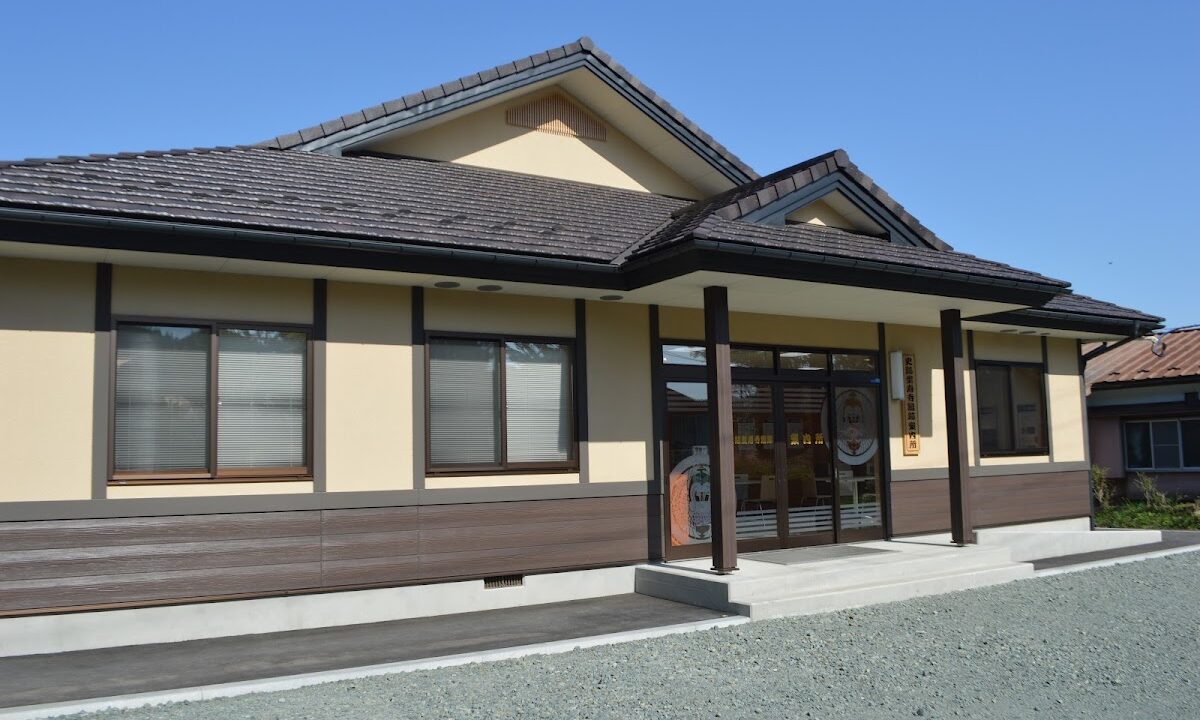
An information center for the Seijuji-kan Historic Site has been established for visitors to the site. The building is designed to resemble the main hall of the Muromachi and Sengoku periods, allowing visitors to experience the architectural style of that time.
Exhibits
The exhibition room features panels explaining the history of the Nanbu clan, making it easy for first-time visitors to understand the historical background of Seijuji-kan. Some of the artifacts unearthed during archaeological excavations are also on display, allowing visitors to experience the life and culture of the Nanbu clan during the Sengoku period through these actual objects.
The main artifacts on display include tableware, tea sets, weapons, and traces of food, allowing visitors to understand the mansion’s appearance from multiple perspectives.
Guided Tours by Historical Site Guides
Guided tours by historical site guides are available at the site. With a guide, you can experience the history of the Nanbu clan, the largest Sengoku period daimyo of northern Tohoku, by visiting the remains of moats, buildings, old roads, and excavation sites. Explanations from guides with specialized knowledge deepen your understanding of the ruins, making for a more fulfilling visit.
Cultural Value of the Seijuji Mansion Site
Significance of National Historic Site Designation
The Seijuji Mansion Site was designated a National Historic Site on September 30, 2004. This designation was based on the following criteria:
- Headquarters of the Nanbu Clan: It served as the central base of a leading Sengoku daimyo in the northern Tohoku region from the Muromachi period to the Sengoku period.
- Preservation of Remains: Important remains, such as large-scale post-and-beam building remains and moat remains, are well-preserved.
- Quality and Quantity of Excavated Artifacts: Numerous valuable artifacts have been unearthed, including high-quality ceramics and gold-leaf pottery, unparalleled in the Tohoku region.
- Historical Importance: It is an indispensable site for understanding the process of the Nanbu clan’s expansion of power.
Position in the History of Northern Tohoku
The Seijuji-kan site is an extremely important archaeological site for understanding the medieval history of the northern Tohoku region. As a central base in the process of the Nanbu clan’s expansion of power from Nukabe District to southern Aomori Prefecture and northern Iwate Prefecture, it is indispensable for understanding the regional history.
Furthermore, the excavated high-quality ceramics and gold-leafed earthenware provide valuable evidence of how local Sengoku-period daimyo (feudal lords) were connected to central culture and overseas trade networks.
Basic Information on the Seijuji-kan Site
Location and Access
Location: Seijuji, Komukai, Nanbu-cho, Sannohe-gun, Aomori Prefecture
Transportation Information:
- By Car: Approximately 15 minutes from the Nango IC on the Hachinohe Expressway
- By Public Transportation: Take a taxi or local bus from Sannohe Station on the Aoimori Railway
Visitor Information
Date of Designation: September 30, 2004
Designation Classification: National Historic Site
Administrator: Nanbu Town Board of Education
At the Seijuji-kan Site Information Center, you can view exhibits and receive guided tours by historical site guides. For detailed opening hours, closing days, and guide reservations, please contact the Social Education Division of the Nanbu Town Board of Education.
Related Historical Sites in the Surrounding Area
Seiju-ji Temple
Seijuji Temple, located adjacent to the north side of the castle ruins, is a temple with a long history as the family temple of the Nanbu clan. It houses cultural artifacts related to the Nanbu clan, and visiting it along with the Seiju-ji Castle ruins will allow for a deeper understanding of the Nanbu clan’s history.
Mito Castle Ruins
The Mito Castle ruins, the Nanbu clan’s base after relocating from Seiju-ji Castle, are located in Mito Town, adjacent to Nanbu Town. Comparing Seiju-ji Castle and Mito Castle allows for learning about the changes in castle architecture during the Sengoku period.
Nanbu Toshiyasu Mausoleum
The Nanbu Toshiyasu Mausoleum, also located in Aomori Prefecture, is an important historical site for understanding the history of the Nanbu domain. It is worth visiting as part of an exploration of the Nanbu clan’s history.
The History of the Nanbu Clan as Told by the Seiju-ji Castle Ruins
From Kai to Oshu
The history of the Nanbu clan begins in Kai Province (Yamanashi Prefecture). During the Kamakura period, the Nanbu clan served Minamoto no Yoritomo and, due to their achievements in the Oshu War, obtained the position of jitō (land steward) of Nukabe District, which became the catalyst for their expansion into the Tohoku region.
Establishing the Foundation in the Muromachi Period
Entering the Muromachi period, the Nanbu clan solidified their power base with Seijuji Castle as their headquarters. Leveraging its strategic location at a transportation hub, they accumulated economic power and expanded their influence into the surrounding areas.
Growth into a Sengoku Daimyo
From the 15th to the 16th centuries, the Nanbu clan grew into a leading Sengoku daimyo (warring states daimyo) of the northern Tohoku region. The luxurious ceramics and gold-leafed earthenware unearthed from Seijuji Castle attest to the high level of economic power and cultural sophistication of the Nanbu clan during this period.
The Nanbu clan’s active adoption of central culture and connections to overseas trade networks defy the typical image of a regional Sengoku daimyo.
Transition to a Modern Daimyo
After relocating to Sannohe Castle during the Tensho era, the Nanbu clan adapted to the changing times brought about by Toyotomi Hideyoshi’s unification of Japan and the establishment of the Edo Shogunate, continuing to exist as a modern daimyo. The foundation of the Nanbu clan’s history, which continued as the Morioka Domain and Hachinohe Domain until the Meiji Restoration, was laid during the time of the Seijuji-kan residence.
Current and Future Prospects of Archaeological Excavations
Ongoing Research
Archaeological excavations, led by the Nanbu Town Board of Education, are still ongoing, and new discoveries are expected. As the research progresses, the full scope of the Seijuji-kan residence and the lifestyle of the Nanbu clan will become clearer in more detail.
The excavation site may be open to visitors at certain times, and guided tours are available.
Efforts for Preservation and Utilization
Having been designated a National Historic Site, the preservation and utilization of the Seijuji-kan site are being actively promoted. Efforts are being made to create an environment where visitors can experience history, including the establishment of a Seijuji-kan Historic Site Information Center and the training of historical site guides.
It is hoped that efforts to preserve this site as a valuable cultural asset for future generations will continue alongside academic research.
Summary
The Seijuji-kan site played a crucial role for approximately 200 years as the headquarters of the main branch of the Nanbu clan, which ruled the northern Tohoku region from the Muromachi period to the Sengoku period. Located at a strategic transportation hub—the confluence of the Oshu Kaido and Kazuno Kaido roads, along the Mabuchi River—it served as a base for the Nanbu clan’s expansion.
The archaeological excavations have uncovered one of the largest post-and-beam building remains in Tohoku, some of the finest ceramics in Japan, and the only gold-leafed pottery in Tohoku—all valuable evidence of the Nanbu clan’s authority and high cultural level. These findings led to its designation as a National Historic Site in 2004.
Currently, the Seijuji-kan Site Information Center offers exhibits and guided tours, allowing visitors to experience the history of the Sengoku-era daimyo Nanbu clan. The Seijuji-kan site, indispensable for understanding the medieval history of northern Tohoku, is an important cultural property that will continue to be researched, preserved, and utilized.
When visiting Nanbu Town in Aomori Prefecture, we highly recommend visiting the Seijuji-kan site and tracing the footsteps of the history and culture built by the Nanbu clan.