Kureta Castle (Nankoku City, Kochi Prefecture) – A Mountain Castle Associated with the Chosokabe Clan and the History of Ichijo Masachika’s “Kureta Palace”
Overview and Historical Significance of Kureta Castle
Kureta Castle is a medieval mountain castle built on a 168m-high mountaintop in the northern part of the Kureta district of Nankoku City, Kochi Prefecture. Utilizing the steep terrain with a relative elevation of approximately 130m, it was a formidable stronghold and functioned as an important base for the Chosokabe clan in Tosa during the Sengoku period.
Currently, the area from the foot of the mountain to the middle slopes is occupied by the Pacific Golf Club, but the main remains on the mountaintop are well-preserved, with defensive structures such as earthworks and dry moats retaining their original appearance. It is highly regarded by castle researchers as a conscientious development example where the remains were preserved without being destroyed during the construction of the golf course.
The Founding and Genealogy of the Kureta Clan
The Kureta clan was a branch of the Chosokabe clan, a renowned Sengoku period daimyo family of Tosa Province. Its origins are said to date back to Chosokabe Chikazaemon Tadayuki, the younger brother of the third head of the clan, Chosokabe Tadatoshi, who adopted the name Kureta. They were granted the land of Kureta, located east of Okotoyo Castle, the Chosokabe clan’s base, and built a castle there, contributing to the expansion of the family’s power.
The Kureta clan, as hereditary vassals of the Chosokabe clan, played a crucial role in the unification of Tosa Province. In particular, during the Sengoku period, Kureta Sadayuki is known as the castle lord, gaining the trust of Chosokabe Motochika and undertaking important duties.
The Story of Ichijo Masachika and the “Kureta Palace”
The most noteworthy aspect of Kureta Castle’s history is its role as the “Kureta Palace,” where Ichijo Masachika, the head of the Tosa Ichijo clan, spent his childhood.
Expulsion of Ichijo Kanesada and Installation of Masachika
In 1575 (Tensho 3), Chosokabe Motochika expelled Ichijo Kanesada, the head of the Tosa Ichijo clan, a powerful daimyo family in Tosa Province. Instead of completely eradicating the Ichijo clan, Motochika adopted a policy of preserving the Ichijo name by installing Kanesada’s young son, Masachika, as the head of the family. This was a strategy to enhance the legitimacy of the Chosokabe clan in Tosa and to incorporate the former Ichijo clan retainers.
Upbringing by Kureta Sadayuki
Motochika entrusted Masachika’s upbringing to Kureta Sadayuki. Sadayuki was a highly trusted figure within the Chosokabe clan and was deemed suitable to entrust the young head of the family to. Raised at Kureta Castle, Masachika was known as “Kureta Gosho” and treated as the nominal head of the Ichijo clan.
During this period, Kureta Castle served not only as a military base but also as one of Tosa’s political centers. After growing up, Masachika inherited the Ichijo family under the influence of the Chosokabe clan, but in reality, he functioned as a puppet of the Chosokabe.
Castle Structure and Defensive System
Kureta Castle possesses the characteristics of a typical medieval mountain castle, with a defensive system that skillfully utilizes the natural terrain.
Main Enclosure Structure
The main enclosure, located at the mountaintop, is a solid structure surrounded by earthen ramparts. A distinctive feature is that the height of the ramparts is not uniform, being higher on the northeast side and lower on the southwest side. This is thought to be a design that adjusted defensive strength according to the direction from which enemy attacks were expected.
The interior of the main enclosure is relatively flat, and it is presumed that the lord’s residence and important facilities were located there. The earthen ramparts were carefully constructed using rammed earth techniques, indicating that they were permanent structures intended for long-term use.
Dry Moats and Enclosure Layout
A dry moat surrounds the main enclosure, forming a defensive line to prevent enemy intrusion. Combined with the steep cliffs characteristic of mountain castles, this created an extremely difficult obstacle for attackers.
Multiple enclosures are arranged in stages, creating a multi-layered defensive structure. Each enclosure is connected by a communication path, allowing for the mobile deployment of troops during wartime.
Layout Utilizing the Terrain
The steep terrain, with a relative elevation of 130m, itself serves as the greatest defense, making a frontal attack extremely difficult. The layout, skillfully utilizing ridges and valleys, is a common feature of mountain castles in Tosa Province and demonstrates the high level of castle-building technology of the Chosokabe clan.
Current Status of Kureta Castle Ruins
Preservation Status of Remains
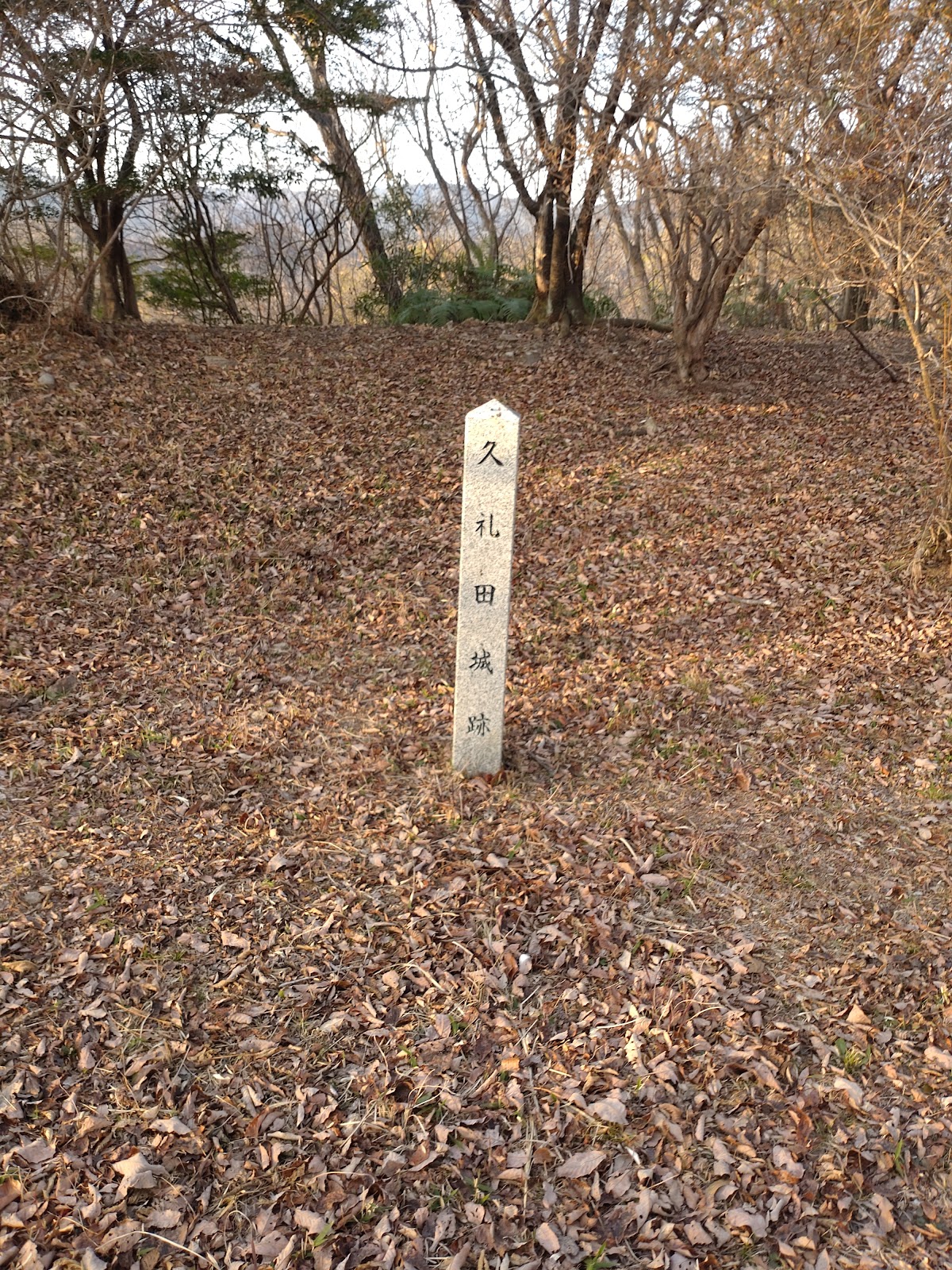
The current Kureta Castle ruins are located within the grounds of the Pacific Golf Club. However, because the remains on the mountaintop were preserved during the golf course development, the main defensive structures can still be seen. This is a rare example nationwide and is considered a good example of balancing development and cultural property preservation.
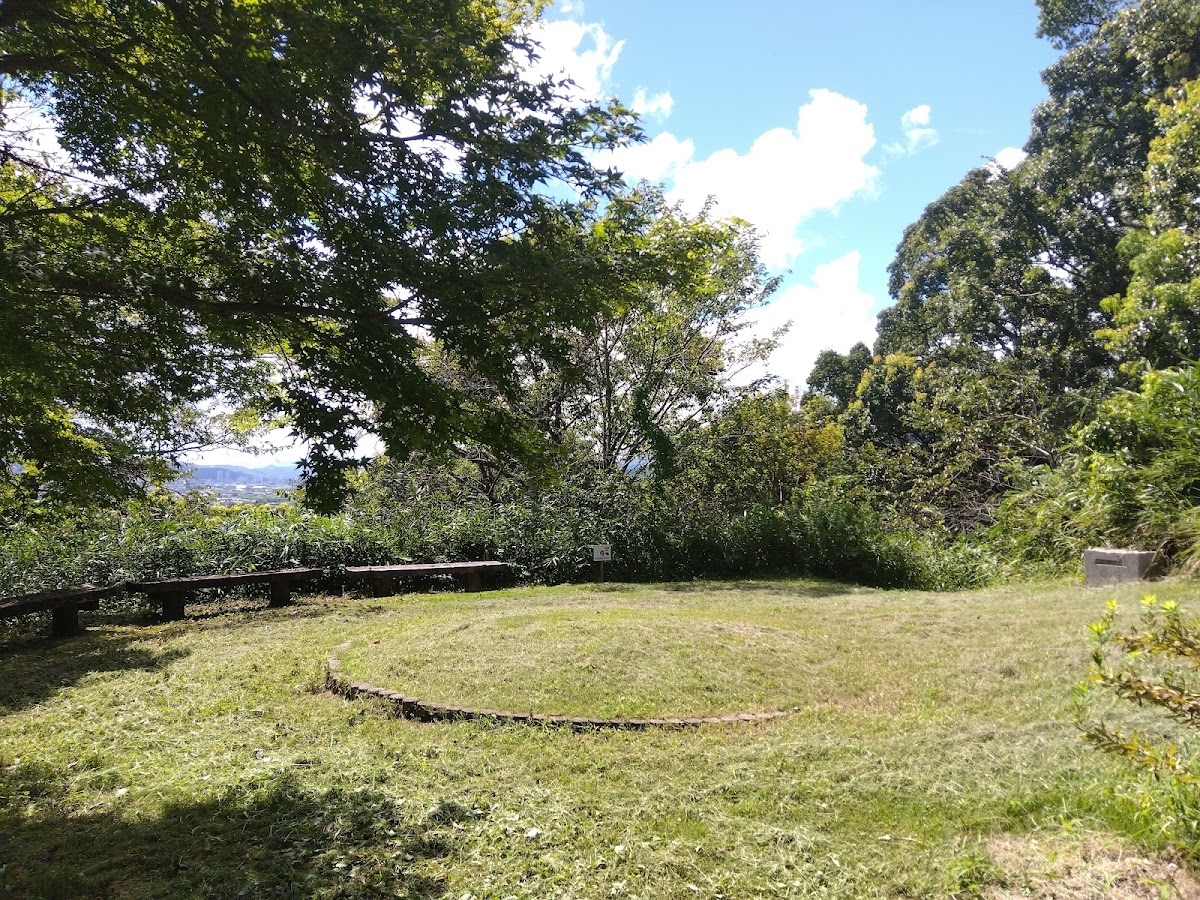
An information board has been installed on the mountaintop, and the site has been developed as a castle ruins park. Remains such as earthworks and dry moats remain clearly visible, making it a valuable historical site for learning about the structure of mountain castles from the Sengoku period.
Designation as a Cultural Property of Nankoku City
The Kureta Castle ruins are designated as a historical site of Nankoku City and are protected as a regional historical heritage. Regular maintenance, such as grass cutting, is carried out, ensuring that visitors can easily observe the remains.
Access and Visit Information
Location
Nakayamada, Kureta, Nankoku City, Kochi Prefecture
Transportation Access
Access by Car
- Approximately 10 minutes from Nankoku IC on the Kochi Expressway
- Approximately 20 minutes from central Kochi City via National Route 32
- Accessible using Pacific Golf Club as a landmark
Public Transportation
- Convenient taxi ride from JR Dosan Line’s “Gomen Station” or “Tosa-Otsu Station”
- Access from the nearest bus stop is on foot and is a bit of a distance
Notes for Visitors
Since the castle ruins are located within the golf course grounds, consideration for the golf course’s operations is necessary when visiting. While the castle ruins park at the summit is accessible, it is recommended to check with the golf course in advance. The trail from the castle entrance is a mountain path, so appropriate trekking attire and shoes are required.
The elevation difference to the summit is approximately 130m, and there are steep sections, so caution is advised for those who are not confident in their physical fitness. In summer, be sure to prepare insect repellent, and in winter, take precautions against the cold.
Nearby Related Historical Sites
When visiting Kureta Castle, visiting the surrounding castle ruins related to the Chosokabe clan will allow you to gain a deeper understanding of Tosa’s Sengoku period history.
Okotoyo Castle (approx. 7km)
Okotoyo Castle, the base of the Chosokabe clan, is the closest major castle to Kureta Castle. The Kochi Prefectural Museum of History and Folklore is adjacent, where you can learn about the history of the Chosokabe clan in detail. It’s a must-see spot for understanding its relationship with Kureta Castle.
Sakamoto Castle Ruins (approx. 3km)
Located south of Kureta Castle, Sakamoto Castle is also a castle ruin related to the Chosokabe clan. Although small in scale, remains are still present, and visiting it along with Kureta Castle will help you understand the layout of castles in this region.
Kameiwa Castle Ruins (approx. 4km)
Kameiwa Castle, located east of Kureta Castle, also functioned as a subsidiary castle within the Chosokabe clan’s sphere of influence. Visiting multiple castle ruins reveals the true nature of the Chosokabe clan’s territorial control.
Historical Value of Kureta Castle
Importance in Chosokabe Clan Research
Kureta Castle is an important historical site that demonstrates the reality of the Chosokabe clan’s rule over Tosa Province. The system, centered around the main castle, Okotoyo Castle, with family members and senior retainers establishing castles throughout the territory, is a valuable example for understanding the territorial management of Sengoku-period daimyo.
History of Relationship with the Ichijo Clan
The fact that Ichijo Masachika was raised at “Kureta Gosho” symbolizes the complex relationship between the Chosokabe clan and the Tosa Ichijo clan. Rather than simple conquest, this clever political strategy utilizing a prestigious family is a prime example of Chosokabe Motochika’s political acumen.
Significance in Castle History
As a typical example of a mountain castle in Tosa Province, Kureta Castle’s layout and defensive system are important in castle research. In particular, the excellent state of preservation of the remains makes it a valuable historical site where the structure of a medieval mountain castle can be observed without archaeological excavation.
The Sengoku Period in Tosa and Kureta Castle
The Rise of the Chosokabe Clan
From the late 15th to the 16th century, many local lords vied for power in Tosa Province. Among them, the Chosokabe clan, based at Okotoyo Castle, expanded its power through aggressive military actions over two generations, under Kunichika and Motochika, eventually unifying Tosa.
The Kureta clan played a crucial role as a branch of the Chosokabe clan during this process, and Kureta Castle functioned as a base in the eastern region. The area around Nankoku City is located at the eastern edge of the Kochi Plain, making it a strategically important location to prepare for threats from the east.
Conflict with the Tosa Ichijo Clan
The Tosa Ichijo clan, based in Nakamura in western Tosa, was a unique entity that descended to Tosa as a branch family of the Ichijo noble family in Kyoto and became a Sengoku daimyo. The conflict between the Chosokabe clan and the Ichijo clan was a central theme in the history of Tosa’s Sengoku period, and it was ultimately resolved when Motochika expelled Ichijo Kanesada.
The fact that Masachika was raised at Kureta Castle symbolizes the outcome of this conflict. Motochika did not completely destroy the Ichijo clan, but rather aimed to stabilize the former Ichijo territory by allowing them to survive as puppets.
Highlights and How to Enjoy the Castle Ruins
Earthworks of the Main Enclosure
The greatest highlight of a visit to the castle ruins is the earthworks surrounding the main enclosure. The design, with varying heights and thicknesses in different locations, shows that it was a rational structure adapted to the need for defense. Walking along the earthen ramparts allows you to survey the surroundings from the perspective of the castle lord and soldiers, giving you a real sense of the Sengoku period.
Observing the Dry Moat
The dry moat around the main enclosure is deep and designed to effectively prevent enemy intrusion. Looking up from the bottom of the moat, you can truly appreciate how difficult the situation was for attackers.
View
From the mountaintop, you can enjoy a panoramic view of Nankoku city and the Kochi Plain, and on a clear day, you can even see the Pacific Ocean. This view indicates that Kureta Castle also functioned as a base for surveillance and communication. You can even see as far as Okotoyo Castle, giving you a real sense of the Chosokabe clan’s castle network.
Kureta Castle and the End of the Chosokabe Clan
Chosokabe Motochika achieved the unification of Shikoku, but was reduced to Tosa Province only after Toyotomi Hideyoshi’s conquest of Shikoku. After Motochika’s death, his son Morichika sided with the Western Army in the Battle of Sekigahara, resulting in his disinheritance and the downfall of the Chosokabe clan.
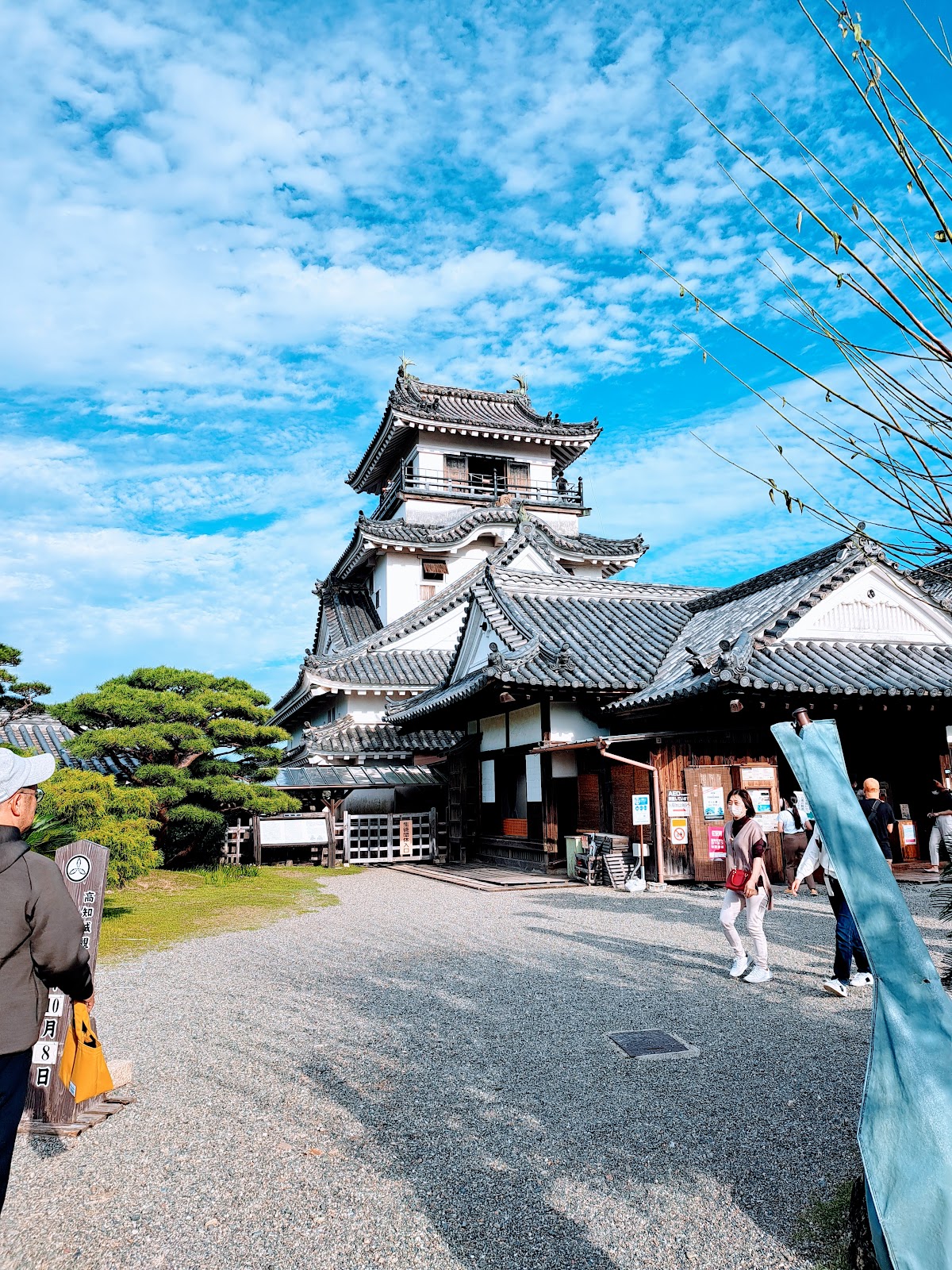
It is believed that Kureta Castle was also abandoned around this time. During the Edo period, the Yamauchi clan, who were granted Tosa Province, established Kochi Castle as their base, and many medieval castles were demolished or abandoned. Kureta Castle, too, lost its military function and reverted to forest.
Current Status of Research and Preservation
In recent years, detailed surveys have been conducted at the Kureta Castle site, and a layout map has been created. This has revealed the overall structure of the castle, leading to a re-evaluation of its academic value.
The Nankoku City Board of Education is working on the preservation and utilization of the Kureta Castle site, installing information boards and conducting regular maintenance. Further research and development are expected for this historical site.
Summary – Historical Significance of Kureta Castle
Kureta Castle was a mountain castle built by the Kureta clan, a branch of the Chosokabe clan, and played an important role in the process of unifying Tosa Province. In particular, the fact that Ichijo Masachika was raised there as “Kureta Gosho” is a valuable historical witness to Chosokabe Motochika’s clever political strategy.
The well-preserved remains, such as earthworks and dry moats, are important historical materials for understanding the structure of mountain castles during the Sengoku period. The fact that the remains are preserved within the grounds of the Pacific Golf Club is noteworthy from the perspective of balancing cultural property preservation and development.
When visiting Kochi Prefecture, visiting not only the famous Kochi Castle but also medieval mountain castles like Kureta Castle will allow you to gain a deeper understanding of Tosa’s Sengoku period. Kureta Castle is a must-see historical site as part of a castle tour tracing the footsteps of the Chosokabe clan.