Hakawa Castle (Ino Town, Kochi Prefecture) Complete Guide | The Tragedy of Hakawa Genba-no-kami Kiyomune and the Highlights of the Castle Ruins
What is Hakawa Castle?
Hakawa Castle is a Sengoku period mountain castle located in Hakawa, Ino Town, Agawa District, Kochi Prefecture. Also known as Hakawa Genba Castle and Katsuragi Castle, it was built on a mountaintop 171 meters above sea level. It is said to have been built in the early Tensho era (1573-1592) by Hakawa Genba-no-kami Kiyomune, a powerful warlord in the region.
Currently, looking west from the town center of Ino, you can see the NHK television tower beyond the Kame-no-i Hotel Kochi; that is the site of Hakawa Castle. This mountain castle, situated approximately 160 meters above sea level, boasts a typical Sengoku period mountain castle structure, surrounded by earthen ramparts. The remains of these ramparts are still remarkably intact today.
History of Namikawa Castle
Namikawa Genba-no-kami Kiyomune and the Namikawa Clan
Namikawa Genba-no-kami Kiyomune (also known as Soga Kiyomune) was a local lord of Tosa Province who held power in the Ino region. The Namikawa clan was a powerful local family deeply rooted in the area. In the early Tensho era, facing the expansion of the Chosokabe clan’s power as they pursued the unification of Tosa, Kiyomune ultimately chose to surrender to them.
Surrender to the Chosokabe Clan and Prosperity
After surrendering to the Chosokabe clan, Namikawa Genba-no-kami Kiyomune was highly valued by Chosokabe Motochika. Recognizing Kiyomune’s bravery and abilities, Motochika bestowed generous treatment upon him for his important role in the unification of Tosa.
Of particular note is that, due to his achievement in destroying the Ichijo clan, Kiyomune was granted the marriage of Chosokabe Motochika’s sister as his principal wife. This made Kiyomune a member of the Chosokabe clan and he was appointed lord of Yamaji Castle in Hata District. This unusual promotion from an outsider to a member of the clan speaks volumes about Kiyomune’s abilities and the deep trust Motochika placed in him.
His Unauthorized Actions and Downfall During the Iyo Campaign
However, Kiyomune’s glory did not last long. Around 1580, Chosokabe Motochika, harboring ambitions of unifying Shikoku, began his invasion of Iyo Province. Kiyomune also advanced his forces towards Ozu in Iyo Province, but it was here that he made a decision that would change his fate.
Facing a large army led by Kobayakawa Takakage, dispatched by the Mori clan to support the Kono clan of Iyo Province, Kiyomune unilaterally made peace with Kobayakawa Takakage and withdrew his troops. This independent action incurred the fierce wrath of Chosokabe Motochika. From Motochika’s perspective, in the grand strategy of unifying Shikoku, a vassal making peace with the enemy on his own was an unforgivable act of betrayal.
As a result, Kiyomune’s Yamaji Castle was confiscated, and he was returned to his former residence, Hakawa Castle. One can only imagine Kiyomune’s feelings upon losing his status as a member of the family and being returned to his former home.
The Plot of Rebellion and the End
Although Kiyomune was returned to Hakawa Castle, his fate was even more tragic. In 1580, Kiyomune is said to have secretly plotted a rebellion. However, the plan was exposed, and Kiyomune escaped pursuit and fled to Awa Province (present-day Tokushima Prefecture).
Ultimately, Kiyomune was cornered in Amabe, Awa Province, and is said to have been forced to commit suicide. It was a tragically short end for a warrior who had married the sister of Chosokabe Motochika and risen to the rank of a member of the family.
There are no clear records of what happened to Hakawa Castle after Kiyomune’s death, but it is possible that it was abandoned within the Chosokabe clan’s rule, or that another retainer was stationed there.
Hakawa Castle’s Layout and Structure
Basic Structure of the Castle
Hakawa Castle is a typical Sengoku period mountain castle, with its main keep located on a mountaintop 171 meters above sea level. The relative height from the foot of the mountain is approximately 160 meters, classifying it as a medium-sized mountain castle.
The basic structure of the castle is as follows:
- Main Enclosure: Located on the mountaintop, approximately 55 meters in circumference and 15 meters in width.
- Earthwork: Surrounding the main enclosure, an earthwork approximately 2 meters high still exists.
- Second Enclosure: A secondary enclosure located below the main enclosure.
- Entrances: Traces of entrances to the castle have been confirmed at the northwest corner and southeast.
Characteristics of the Earthwork
The greatest highlight of Namikawa Castle is the almost perfectly preserved earthwork. The earthwork, approximately 55 meters in circumference, 15 meters in width, and 2 meters high, retains much of its original form even after more than 400 years since its construction.
The earthwork was positioned to surround the main enclosure, serving to prevent enemy intrusion and to ensure visibility from within the castle. It is a valuable historical site for understanding the typical defensive structure of mountain castles in Tosa during the Sengoku period.
Archaeological Excavation Results
Archaeological excavations have been conducted at the Namikawa Castle ruins, yielding significant discoveries. Of particular note is the discovery of the foundation of a building believed to be a tamon-yagura (multi-story watchtower).
A tamon-yagura is a type of watchtower built in a long, continuous line on top of earthworks or stone walls, serving both defensive and warehouse functions. The presence of a tamon-yagura at a regional mountain castle like Namikawa Castle indicates that this castle was not merely a fort, but a fortress of considerable size and function.
Furthermore, the excavations have unearthed artifacts that shed light on daily life at the time, providing clues to understanding the lifestyle of those who lived there.
Access to Namikawa Castle
Location
- Address: Namikawa, Ino-cho, Agawa-gun, Kochi Prefecture
- Elevation: 171 meters (relative height approximately 160 meters)
Access by Public Transportation
While accessible on foot from the center of Ino town, hiking is required due to the mountainous terrain. The nearest public transportation options are as follows:
- JR Dosan Line: Get off at Ino Station, then walk approximately 30 minutes to the trailhead.
- Tosaden Kotsu: Access from Ino Station, the last stop on the tram line, on foot.
Access by Car and Parking
If accessing by car, head towards the castle ruins from the center of Ino Town. However, since there is no road to the summit, you will need to park at the foot of the mountain and hike.
Parking Information:
- There is no dedicated parking lot for the castle ruins.
- You will need to use nearby public facilities or roadside rest areas.
- If parking on the road near the trailhead, please be considerate of local residents.
Climbing Route
To climb Namikawa Castle, use the local hiking trail. The climb from the trailhead to the summit takes approximately 20-30 minutes. Since some parts of the trail are not well-maintained, the following equipment and preparations are recommended:
- Hiking boots or non-slip shoes
- Long-sleeved shirt and long pants (for protection against vegetation and insects)
- Drinking water
- Insect repellent spray (especially in summer)
- Bear bell (for protection against wild animals)
Highlights of Namikawa Castle
Well-Preserved Earthworks
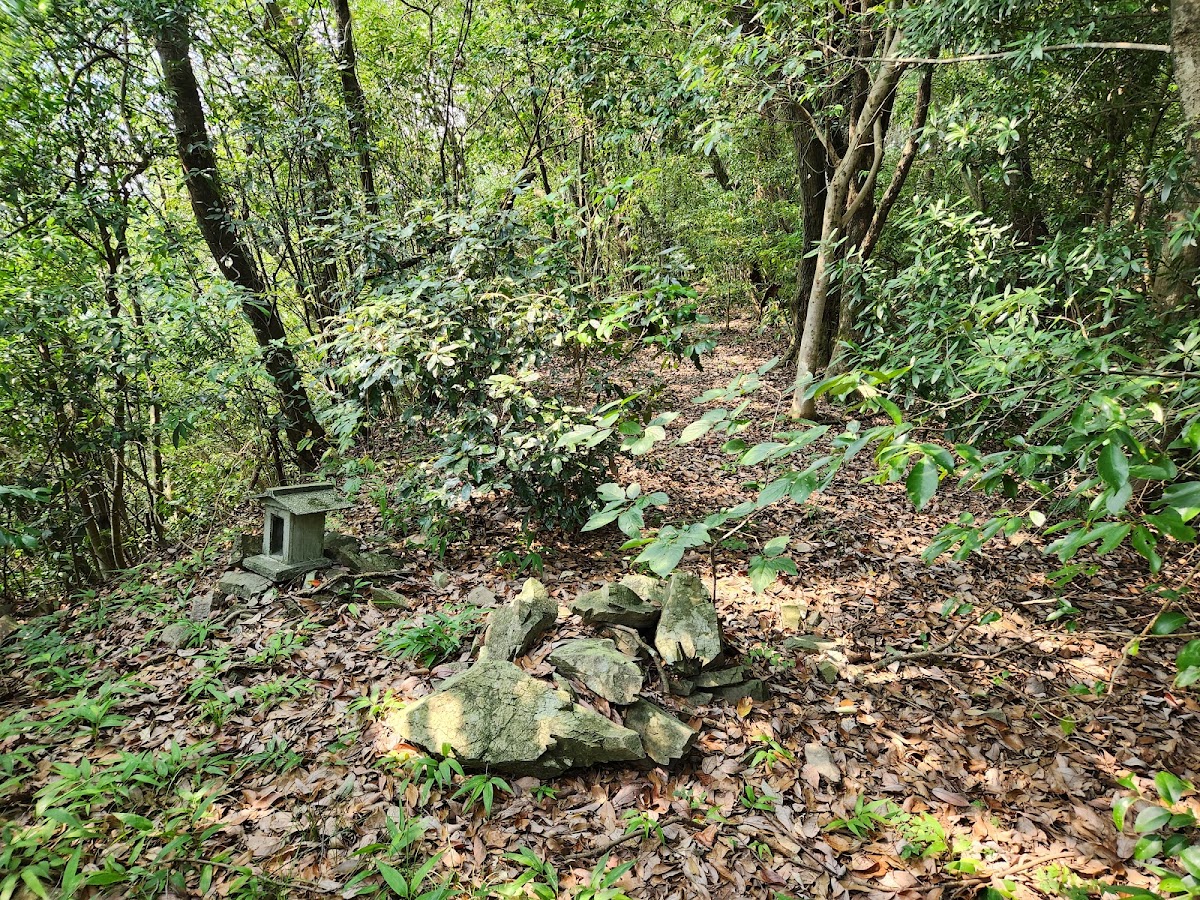
The greatest highlight of Namikawa Castle, as mentioned above, is its well-preserved earthworks. The fact that remains from over 400 years ago are so clearly visible is thought to be because the castle was abandoned early on and not significantly altered afterward.
Walking along the earthworks and experiencing the defensive structure of a Sengoku period castle is a valuable experience for castle enthusiasts.
Views
From the summit, you can enjoy a panoramic view of the town of Ino, the flow of the Niyodo River, and the mountains of Tosa. Namikawa Genba-no-kami Kiyomune likely also surveyed his territory from this spot.
The view, especially on a clear day, is magnificent, and you can truly appreciate the strategic importance of this location during the Sengoku period.
Historical Background
The true highlight of Namikawa Castle lies in the tragic story of Namikawa Genba-no-kami Kiyomune that lies behind it. Kiyomune, who married the sister of Chosokabe Motochika and became a member of the family, fell from power due to his unilateral peace agreement and ultimately lost his life on suspicion of rebellion. His life symbolizes the harshness of the Sengoku period and the fates of the warlords.
Knowing this historical background will allow you to experience a deeper sense of awe when visiting the castle ruins.
Nearby Tourist Attractions
Highlights of Ino Town
When visiting Namikawa Castle, be sure to explore other tourist attractions in Ino Town:
- Paper Museum: Ino Town is famous as a production area for Tosa washi paper, and you can also experience papermaking.
- Niyodo River: A beautiful clear stream known as “Niyodo Blue.”
- Tosa Washi Craft Village Roadside Station: Enjoy local specialties and meals.
Nearby Castles
For those who enjoy visiting castles, we recommend visiting nearby castle ruins:
- Hasuike Castle: Another mountain castle located within Ino Town.
- Asakura Castle: Castle ruins in the Asakura district of Kochi City.
- Kira Castle: Castle ruins within Kochi City.
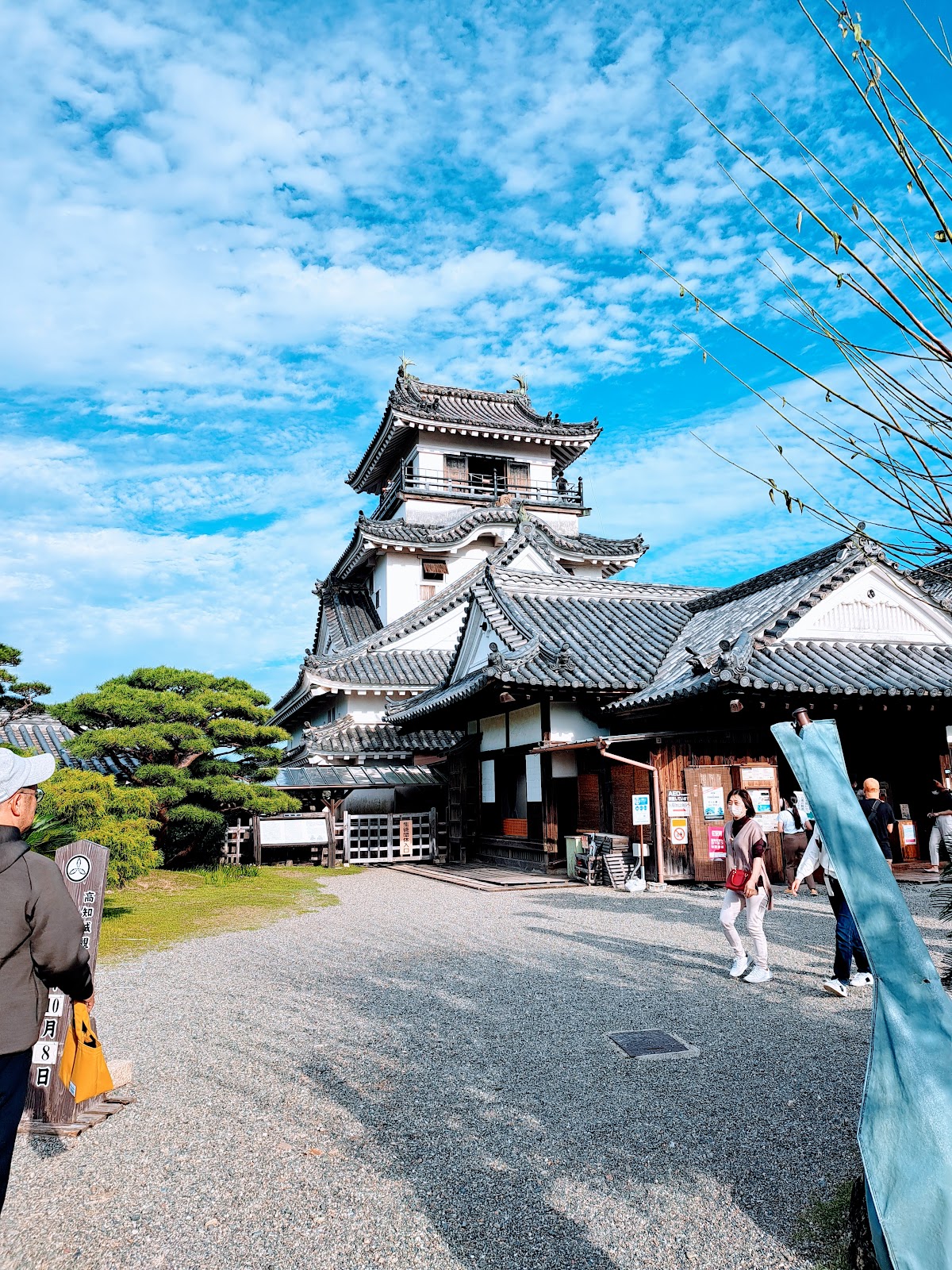
- Kochi Castle: The main castle of the Tosa Domain with an existing keep (approximately 30 minutes by car).
By visiting these castles, you can gain a deeper understanding of Tosa’s castle culture and the process of the Chosokabe clan’s expansion. ## Best Season to Visit Namikawa Castle
Spring (March-May)
The season of fresh greenery makes hiking pleasant. The mild temperatures make it an ideal time to explore the castle ruins.
Autumn (October-November)
The autumn foliage season offers particularly beautiful views from the mountain castle. The weather is stable and suitable for visiting.
Summer/Winter Precautions
- Summer: High temperatures and numerous insects necessitate sufficient insect repellent and hydration.
- Winter: While snowfall is generally light, roads may freeze in the early morning.
Namikawa Castle and the Chosokabe Clan’s Castle Network
Namikawa Castle held a crucial position in the Chosokabe clan’s process of unifying Tosa Province. The area around Ino Town is located in the western part of the Kochi Plain, a strategically important location controlling the route to Iyo Province.
After unifying Tosa Province, Chosokabe Motochika expanded his power in various directions with the aim of unifying Shikoku, incorporating powerful local lords into his vassal group during this process. Hakawa Genba-no-kami Kiyomune was one such lord, but his unilateral peace negotiations were severely punished as an action beyond Motochika’s control.
This incident is noteworthy in the study of Sengoku period history as an example illustrating the importance of a Sengoku daimyo controlling their vassal group and taking unified military action.
Hakawa Castle as a Cultural Property
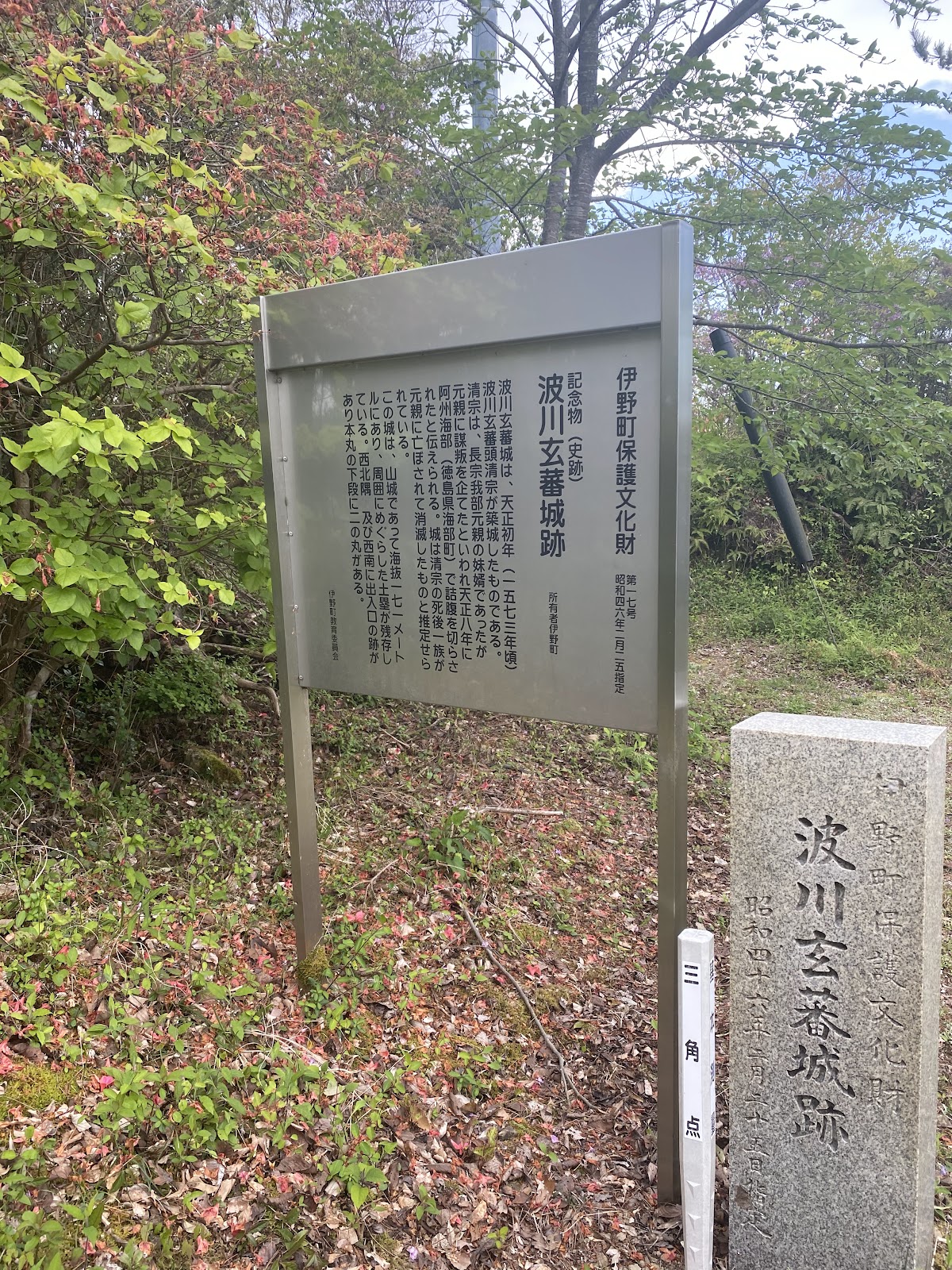
The Hakawa Castle ruins are protected as a cultural property of Ino Town. The Kochi Prefectural Buried Cultural Properties Center recognizes its value as a regional historical heritage site, including featuring the Hakawa Genba Castle ruins in a lecture series titled “Walking the Mountain Castles of Tosa.”
Furthermore, due to the excellent state of preservation of the castle ruins, it is considered an important site in the study of Sengoku period mountain castles. Further research may lead to new discoveries.
Important Notes for Visitors
When visiting the Namikawa Castle Ruins, please note the following:
- It is a mountain castle: It is not a well-maintained tourist spot; the visit involves hiking to the castle ruins.
- Safety Precautions: Please visit in appropriate clothing and equipment.
- Protection of Remains: Please be careful not to damage the remains such as earthworks.
- Take Your Trash Home: To protect the natural environment and historical site, please be sure to take your trash home with you.
- Check the Weather: Hiking in bad weather is dangerous. Please check the weather forecast before visiting.
- Avoid Solo Visits: It is preferable to visit in a group if possible.
- Consideration for the Community: Please be considerate of the lives of local residents and be mindful of noise and parking etiquette.
Summary
Namikawa Castle (Ino Town, Kochi Prefecture) is a valuable mountain castle ruin that conveys the history of Tosa during the Sengoku period. The story of the rise and fall of one warrior, Namikawa Genba-no-kami Kiyomune, evokes the harshness of the Sengoku period and human drama. With its well-preserved earthworks, panoramic views from the mountaintop, and profound historical background, this site is worth visiting not only for castle enthusiasts but for anyone interested in historical sites. When visiting Kochi Prefecture, why not explore not only the famous Kochi Castle but also these smaller, more rural mountain castles?
Spending time contemplating Tosa during the Sengoku period while immersed in the rich nature and historical culture of Ino Town will surely be an unforgettable experience. The ruins of Namikawa Castle quietly continue to tell the stories of local warlords that are not found in history textbooks.