Complete Guide to Koshosan Castle (Fukuoka Prefecture) | A Thorough Explanation of the History, Remains, and Access Route of the Akizuki Clan’s Mountain Castle
What is Koshosan Castle?
Koshosan Castle is a mountain castle built on the summit of Mt. Koshosan, located in Nocho, Asakura City, Fukuoka Prefecture, at an altitude of 859.4m. Built at a height of approximately 750m above the town of Akizuki, this castle served as the Akizuki clan’s base for about 380 years, from the Kamakura period to the Sengoku period.
Even today, remains such as baileys and moats remain near the summit, and together with the primeval boxwood forest designated as a national natural monument, it is a valuable historical site where history and nature are intertwined. Koshosan Castle is highly regarded by castle enthusiasts and history buffs as one of the most authentic mountain castles in Fukuoka Prefecture.
History of Koshoyama Castle
Construction and the Beginning of the Akizuki Clan
Koshoyama Castle was built in 1203 by Harada Taneo. Taneo was a relative of the Harada clan, lords of Kosoyama Castle, and it is said that he adopted the surname “Akizuki” when he built the castle in this location. This is considered the beginning of the Akizuki clan, and thereafter, the Akizuki clan established their power in Chikuzen Province with Koshoyama Castle as their base.
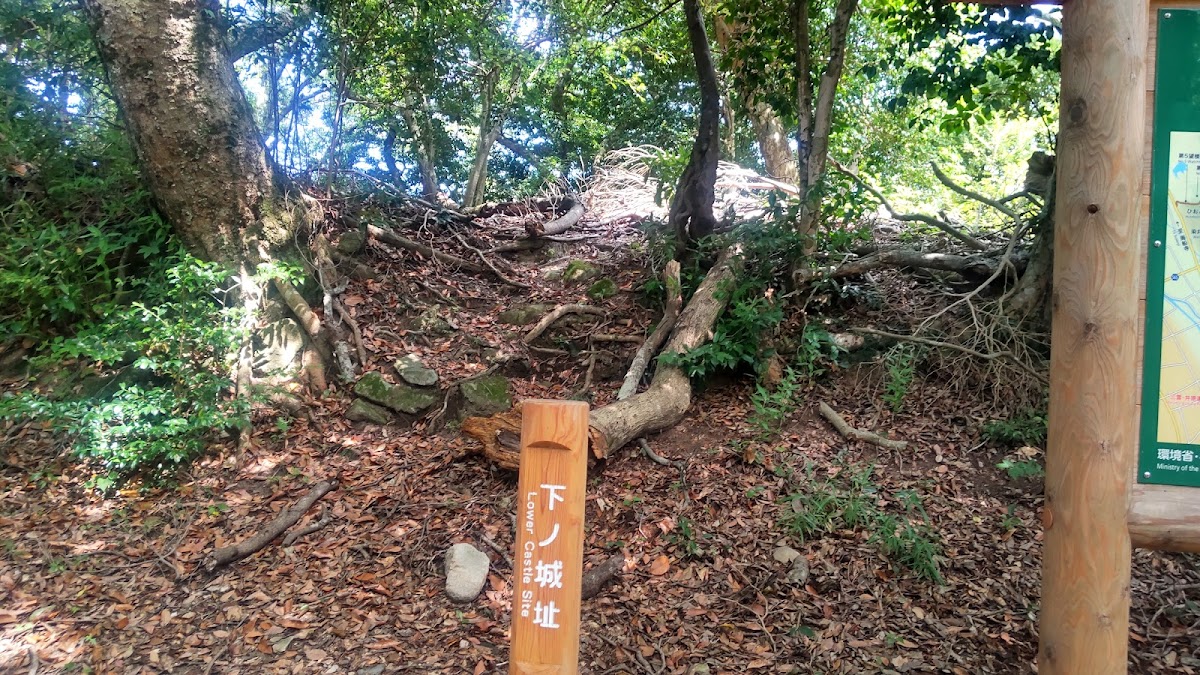
Koshoyama Mountain, with its high elevation and advantageous topography offering panoramic views, functioned as a natural fortress. Castle remains are scattered along the ridges extending west and south from the summit, and the arrangement of multiple baileys and moats created a strong defensive system against attackers.
Battles in the Sengoku Period
During the Sengoku period, Koshoyama Castle became the stage for fierce battles between the Otomo clan and the Akizuki clan. In 1557, Otomo Sorin of Bungo Province led a massive army of 20,000 men to attack Koshoyama Castle. The castle’s lord at the time was Akizuki Fumitane, but the overwhelming numerical superiority led to the castle’s fall. Fumitane committed suicide, and his eldest son, Harutane, was killed in battle—a tragic end.
However, Fumitane’s second son, Akizuki Tanezane, with the support of Mori Motonari, regained his strength and successfully recaptured Koshoyama Castle. Tanezane was known as a skilled warrior, and during the Tensho era, he expanded his power as a local lord controlling the central and southern parts of Chikuzen Province.
Toyotomi Hideyoshi’s Kyushu Campaign and the Castle’s Abandonment
In 1587, when Toyotomi Hideyoshi launched his Kyushu campaign, Akizuki Tanezane chose to surrender in the face of Hideyoshi’s overwhelming forces. The Akizuki clan was granted a 30,000 koku territory in Takanabe, Hyuga Province (present-day Takanabe Town, Miyazaki Prefecture), and was transferred there.
Later, Chikuzen Province became the territory of the Kuroda clan, and Koshoyama Castle lost its military role. In 1615, under the One Castle Per Province decree, Koshoyama Castle was officially abandoned. When Kuroda Nagahiro, a member of the Akizuki clan, was granted the Akizuki Domain with a 50,000 koku territory, the Akizuki Jinya (fortified residence) was built at the foot of the mountain, and Koshoyama Castle ended its historical role.
Structure and Layout of Koshoyama Castle
Main Enclosures at the Summit
The main part of Koshoyama Castle is located near the summit, at an altitude of 859.4m. The main enclosure, the honmaru (main keep), was located at the summit and served as the central function of the castle. Multiple enclosures are arranged in a stepped pattern around the main enclosure, demonstrating a design intended to enhance defensive capabilities.
From the mountaintop, one could see the town of Akizuki and the Chikugo Plain, offering a geographical advantage that allowed for early detection of enemy movements. This excellent view was one of the reasons why Koshoyama Castle functioned as the Akizuki clan’s base for a long period.
Remains on the Western Ridge
On the ridge extending west from the mountaintop, multiple baileys and trenches are arranged in a series. This western ridge faced the approach road to the castle from the town of Akizuki and was an important defensive line to prevent enemy incursions.
The trenches were excavated to cut across the ridge, and their scale and depth can still be seen today. The baileys were cleverly positioned utilizing the ridge’s terrain, and the use of elevation changes enhanced their defensive effectiveness. Exploring the site while referring to the layout map allows one to appreciate the high level of castle-building technology of the Sengoku period.
Defensive Structures on the Southern Ridge
Castle remains are also scattered along the ridge extending south from the mountaintop. This area has relatively gentle terrain, suggesting that more defensive structures were built here. The arrangement of baileys and the placement of moats indicate the construction of a complex defensive line.
While the remains on the southern ridge are somewhat less clear compared to the western ridge, traces of earthworks and flat areas allow us to infer the former castle structure.
“General’s Hiding Place” and Legendary Sites
At Koshoyama Castle, there remains a place called “General’s Hiding Place.” This is said to be where the lord and his retainers hid in emergencies, and remnants of it can still be seen today. Furthermore, there is a place called “Okunoin” (Inner Sanctuary) in the mountains, demonstrating the characteristic of medieval mountain castles where faith and military affairs were intertwined.
These legendary sites suggest that Koshoyama Castle was not merely a military facility, but also a spiritual pillar for the Akizuki clan.
Highlights of Koshoyama Castle
Existing Enclosures and Moats
The greatest highlight of Koshoyama Castle is the group of enclosures and moats that remain clearly visible to this day. The moats, in particular, that continue along the western ridge are large in scale and are valuable remains that allow one to experience the castle-building techniques of the Sengoku period. The flat areas of the enclosures are also well-preserved, allowing one to imagine the buildings that once stood here.
The moats reach several meters in depth in some places and are excavated in a way that completely cuts off the ridge. This thorough defensive structure is thought to have been one of the factors that temporarily held back the large army of the Otomo clan.
Natural Monument Boxwood Virgin Forest
Near the summit of Mount Koshoyama lies a virgin boxwood forest designated as a national natural monument. This boxwood forest is a nationally valuable natural heritage site, and the combination of the historical and natural value of Koshoyama Castle makes it a unique historical site.
Some of the boxwood trees are hundreds of years old, possibly having survived since the time when Koshoyama Castle was still in use. The opportunity to enjoy the primeval forest alongside the castle ruins is a unique charm of Koshoyama Castle.
View from the Summit
From the summit, at an altitude of 859m, you can see the town of Akizuki, the Chikugo Plain, and even the Ariake Sea in the distance. If the weather is good, you can enjoy a 360-degree panoramic view, truly understanding why this location was chosen for a castle.
The view overlooking the castle town of Akizuki is particularly exceptional, allowing you to see the relative positions of the Akizuki Jinya (fortified residence) and samurai residences built at the foot of the mountain. This view is so wonderful that it makes you forget the fatigue of the climb.
Ascent Route and Monuments
Along the ascent route, there are information boards and monuments related to Koshoyama Castle. These are valuable sources of information for understanding the castle’s history and structure, and are designed to help even first-time visitors grasp the basics of Koshoyama Castle.
The path to the castle itself is a part of history, and by following the path taken by the samurai of yesteryear, you can relive the hardships and tensions of that time.
Access to Koshoyama Castle
Access by Public Transportation
To access Koshoyama Castle by public transportation, the nearest station is Amagi Station on the Amagi Railway. From Amagi Station, take the Akizuki Line of the Amagi Sightseeing Bus and get off at the “Yacho” bus stop. The journey takes approximately 20 minutes.
From the Yacho bus stop, the climb to the castle is on foot, taking approximately 150 minutes (2 hours 30 minutes) to the summit. While the hiking trail is well-maintained, it is a serious climb with an elevation difference of 750m, so sufficient preparation and physical fitness are necessary.
Access by Car
By car, it takes approximately 15 minutes from the Amagi Interchange on the Oita Expressway to the Akizuki area. There is parking available near the Akizuki Castle ruins, and from there, you can access the entrance to the castle trail on foot.
There are several parking lots for tourists in the Akizuki area, and they can get crowded, especially during peak tourist season, so we recommend arriving early. Signposts are installed from the parking lot to the trailhead, so you won’t get lost.
Precautions for Climbing the Castle
Climbing to Koshoyama Castle is a serious mountain climb, so please pay attention to the following points:
- Clothing and Equipment: Prepare hiking boots, comfortable clothing, rain gear, a hat, gloves, etc.
- Water and Food: The round trip to the summit takes 4-5 hours, so bring plenty of water and snacks.
- Time Management: Plan your time carefully to descend before sunset.
- Weather Check: Check the weather before climbing, and refrain from climbing in bad weather.
- Precautions for Solo Climbing: It is preferable to climb with others, but if you are climbing alone, inform family or friends of your climbing plan.
Nearby Tourist Attractions
Akizuki Castle Ruins (Akizuki Jinya Ruins)
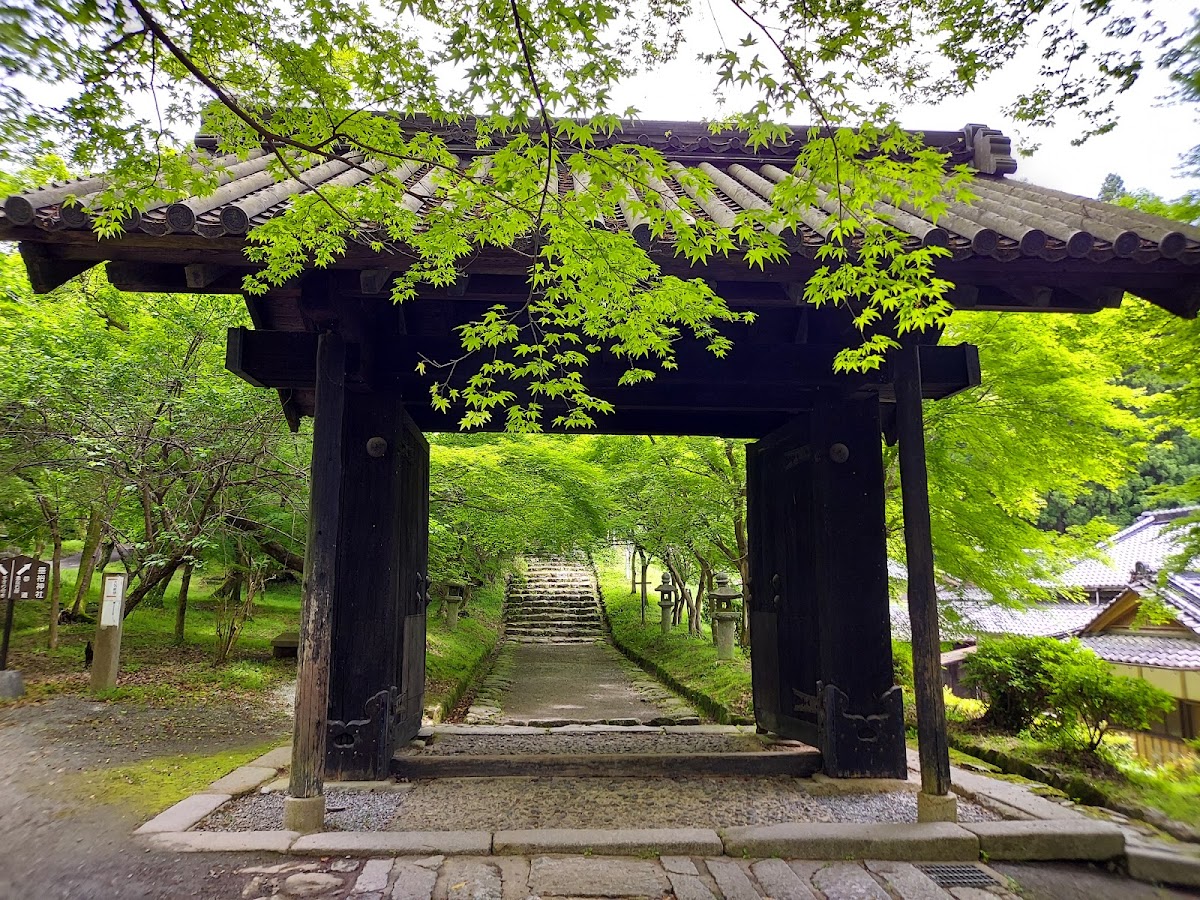
At the foot of Mount Koshoyama lies the ruins of the Akizuki Jinya (Akizuki Castle), built during the Edo period. This jinya was constructed when Kuroda Nagahiro became the lord of the Akizuki domain with a 50,000 koku stipend. Currently, the stone walls, gatehouse, and moat remain.
The area around the Akizuki Castle ruins is a charming castle town known as “Little Kyoto of Chikuzen,” with beautiful samurai residences and cherry blossom trees, attracting many tourists in spring. Visiting both Akizuki Castle and the castle ruins together will allow you to gain a deeper understanding of Akizuki’s history.
Akizuki Museum
This museum showcases the history and culture of Akizuki, displaying materials related to the Akizuki and Kuroda clans, a model of Koshoyama Castle, and excavated artifacts. Visiting before visiting Koshoyama Castle will allow you to gain a deeper understanding of the castle’s historical background.
Meganebashi Bridge
This stone arch bridge spans the Nochogawa River, which flows through the castle town of Akizuki. Built in the late Edo period, its beautiful form has made it one of Akizuki’s symbols, and the scenery is especially beautiful during the autumn foliage season.
Recommended Plan for Visiting Koshoyama Castle
Day Trip Castle Climbing Plan
Morning
- 8:00 Arrive at Akizuki castle town, park your car
- 8:30 Prepare at Akizuki Museum (check opening hours in advance)
- 9:30 Begin climbing
- 12:00 Arrive at the summit, lunch and sightseeing of the ruins
Afternoon
- 13:30 Begin descending
- 15:30 Arrive at the trailhead
- 16:00 Explore Akizuki Castle ruins and castle town
- 17:00 Return home
This plan allows you to enjoy climbing Koshoyama Castle and strolling through Akizuki town in one day. It’s important to allow ample time for the round trip to the castle, which should take 4-5 hours.
Seasonal Highlights
Spring (March-May)
This is the season when the cherry blossoms in Akizuki Castle town are beautiful. The fresh greenery of Mt. Kosho is also vibrant, making it an ideal time to visit the castle.
Summer (June-August)
The mountaintop is cool, allowing you to avoid the heat during your climb. However, be sure to stay well-hydrated.
Autumn (September-November)
This is the season of beautiful autumn foliage, allowing you to enjoy the autumn colors of Mt. Kosho along with the Akizuki Castle town. The weather is ideal for hiking.
Winter (December-February)
The air is clear and the views are excellent, but there is a possibility of snow and ice, so it is necessary to gather information beforehand.
Historical Value and Preservation Activities of Koshoyama Castle
Koshoyama Castle is a valuable historical site that shows the changes in mountain castles from the Kamakura period to the Sengoku period. From its simple structure at the time of its construction to the advanced defensive techniques of the Sengoku period, the castle tells the story of approximately 380 years of development.
Currently, local preservation societies and history enthusiasts are working to maintain the hiking trails and preserve the remains. Efforts continue to pass on this valuable historical site to future generations through the installation of information boards and cleaning activities.
Koshoyama Castle, along with the natural monument boxwood primeval forest, is a representative cultural heritage site of Fukuoka Prefecture where history and nature harmonize, and its continued preservation and utilization are expected.
Summary
Koshoyama Castle is a magnificent mountain castle at an altitude of 859m, which served as the Akizuki clan’s base for approximately 380 years. From its construction in 1203 (Kennin 3) to its abandonment in 1615 (Genna 1), it was a central stage in the history of Chikuzen throughout the Kamakura, Muromachi, and Sengoku periods.
Even today, remnants such as baileys and moats remain well-preserved near the summit, and together with the boxwood primeval forest, a national natural monument, it captivates visitors as a valuable historical site where history and nature blend seamlessly. While it involves a challenging climb with an elevation difference of 750 meters, the views from the summit and the remains from the Sengoku period are well worth the effort.
Visiting Akizuki Castle in conjunction with a stroll through the castle town will allow you to experience Akizuki’s history more deeply. As one of Fukuoka Prefecture’s representative mountain castles, it’s a must-visit for any castle enthusiast.