Complete Guide to the History and Highlights of the Kitabatake Clan Residence | The Complete Picture of the Three Great Samurai Gardens and Taki Castle
What is the Kitabatake Clan Residence?
The Kitabatake Clan Residence is the site of a medieval samurai residence located in Kamitaki, Misugi-cho, Tsu City, Mie Prefecture. Currently, it is part of the grounds of Kitabatake Shrine and is protected as part of the national historic site “Taki Kitabatake Clan Castle Site.” This residence was not a standalone structure, but together with the Kitabatake Clan Residence Fortified Castle (elevation 414m) and Kiriyama Castle (elevation 560m) located to the west, it formed a castle system known as “Taki Castle.”
The Kitabatake clan, who were important figures on the Southern Court side as governors of Ise Province, used this site as their base for approximately 230 years, from 1342 to 1576. It is an important historical site that chronicles the history of eight generations of the Kitabatake clan, from Akinori to Tomonori.
The History of the Kitabatake Clan and Ise Province
The Kitabatake Clan’s Entry into Ise
The Kitabatake clan’s connection to Ise Province began in 1336 when Kitabatake Chikafusa, known as the author of the “Jinnō Shōtōki” (Chronicle of the Legitimate Succession of the Divine Emperors), established his base at Tamaru Castle in Ise Province (present-day Tamaru, Tamaki Town). Chikafusa was a central figure in the Southern Court who supported Emperor Go-Daigo, and his son, Kitabatake Akinori, was appointed the first governor of Ise Province in 1342, establishing his residence in Taki.
Prosperity as Governor of Ise Province
The Kitabatake clan dedicated themselves to protecting the Southern Court as governors of Ise Province, and maintained a powerful presence in Ise Province even into the Muromachi period. As one of the three prominent families that served as governors of Ise, Yamato, and Kii provinces, the Kitabatake clan was not merely a local samurai family, but a unique entity possessing both the prestige of a court noble and the strength of a samurai.
The Taki region, located in the central part of Ise Province, utilized its geographical location—a mountainous area along the Yatemata River, a tributary of the Kumozu River—to function as a natural stronghold.
Conflict with Oda Nobunaga and Downfall
The fate of the Kitabatake clan was sealed by their conflict with Oda Nobunaga. In 1569, Oda Nobunaga led a large army to invade Ise and besieged the Kitabatake clan’s base, Okouchi Castle (Kiriyama Castle). After fierce fighting, Kitabatake Tomonori agreed to a peace treaty and adopted Nobunaga’s second son, Oda Nobukatsu.
This peace agreement seemed to ensure the survival of the Kitabatake clan, but on November 25, 1576 (Tensho 4), Kitabatake Tomonori was assassinated at the Mitsuse residence by Fujikata Tomonari and others acting on Nobuo’s orders. Simultaneously, key figures of the Kitabatake family were successively murdered, effectively leading to the extinction of the prestigious Kitabatake clan. This incident also resulted in the fall of Taki Castle, bringing an end to the Kitabatake clan’s approximately 230-year rule over Ise Province.
Structure and Defense System of Taki Castle
Three-Tiered Castle System
Taki Castle, centered around the Kitabatake clan residence, was a complex castle with a three-tiered structure: the “residence” (a living space during peacetime) and the “fortified castle” and “mountain castle” (defensive bases during times of conflict).
Kitabatake Clan Residence (Flatland Residence)
Located on a valley plain at an altitude of approximately 250m, it functioned as a place for daily administrative affairs and daily life. The current grounds of Kitabatake Shrine mark the site of the former fortifications.
Kitabatake Clan Residence Fort
This fort was built at an elevation of 414m, west of the residence, and served as an intermediate defensive base for evacuation from the residence in emergencies.
Kiriyama Castle (Main Castle)
This full-fledged mountain castle was built on the summit of Mt. Kiriyama at an elevation of 560m and was also known as “Gosho-no-Metsuke Castle.” The summit is a rectangular flat area surrounded by earthen ramparts. To the south is a flat area called “Kanetsukido,” which is thought to be the site of a watchtower.
This three-tiered structure demonstrates a typical form of medieval castle, balancing convenience in peacetime with defensive capabilities in wartime.
Defensive Facilities of the Residence
The Kitabatake Clan Residence was not merely a residence, but possessed certain defensive functions. The site of the residence retains some of the oldest stone walls of a medieval residence in Japan, and foundation stone building remains have also been confirmed. These remains indicate that the residence was not merely a dwelling but also a facility with military functions.
The Charm of the Kitabatake Clan Residence Garden
One of the Three Great Samurai Gardens
The greatest highlight of the Kitabatake Clan Residence is the Kitabatake Clan Residence Garden, a nationally designated scenic spot. This garden is counted as one of the “Three Great Samurai Gardens of Japan,” and is mentioned alongside the Ichijōdani Asakura Clan Garden (Fukui Prefecture) and the Former Shūrinji Temple Garden (Shiga Prefecture). It has also been selected as one of the “Fifty Famous Gardens of Japan,” and is a valuable cultural asset representing samurai gardens of the Muromachi period.
Designed by Hosokawa Takakuni
The garden is said to have been designed by Hosokawa Takakuni, who was the Kanrei (a position second only to the Shogun) of the Muromachi Shogunate during the late Muromachi period (Sengoku period). Hosokawa Takakuni was a leading cultural figure of his time, and the refined garden reflects his aesthetic sensibilities.
Garden Features and Composition
As a representative garden from the Nanboku-cho to Muromachi periods that still exists today, this garden boasts a history of approximately 500 years and is based on the pond-centered garden style. Skillfully utilizing the natural terrain and incorporating the surrounding mountains as borrowed scenery, its composition combines the strength characteristic of samurai gardens with the elegance of court culture.
Within the garden, the original stonework and plantings are well-preserved, and the tranquil setting, enveloped in greenery, still allows visitors to experience the traditional beauty of Japan even after 500 years. The garden displays different expressions throughout the seasons, but is particularly beautiful during the seasons of fresh greenery and autumn leaves.
Current Status of Kitabatake Shrine and Residence Site
Founding of Kitabatake Shrine
Currently, Kitabatake Shrine is located on the site of the Kitabatake clan residence. This shrine enshrines Kitabatake Akinori, the first governor of Ise Province, who dedicated himself to protecting the Southern Court, as its main deity. As a place associated with the Kitabatake clan, it continues to attract many worshippers.
Preservation as a Historic Site
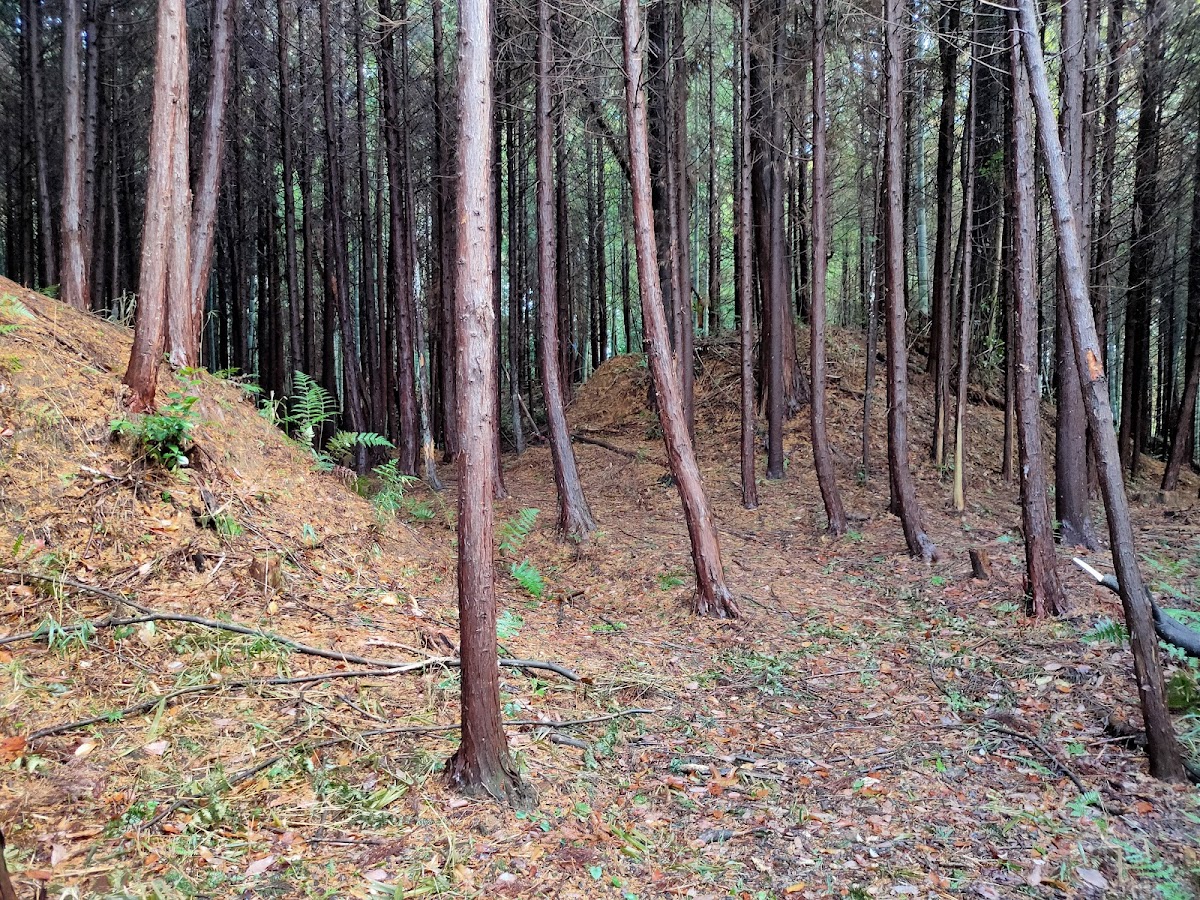
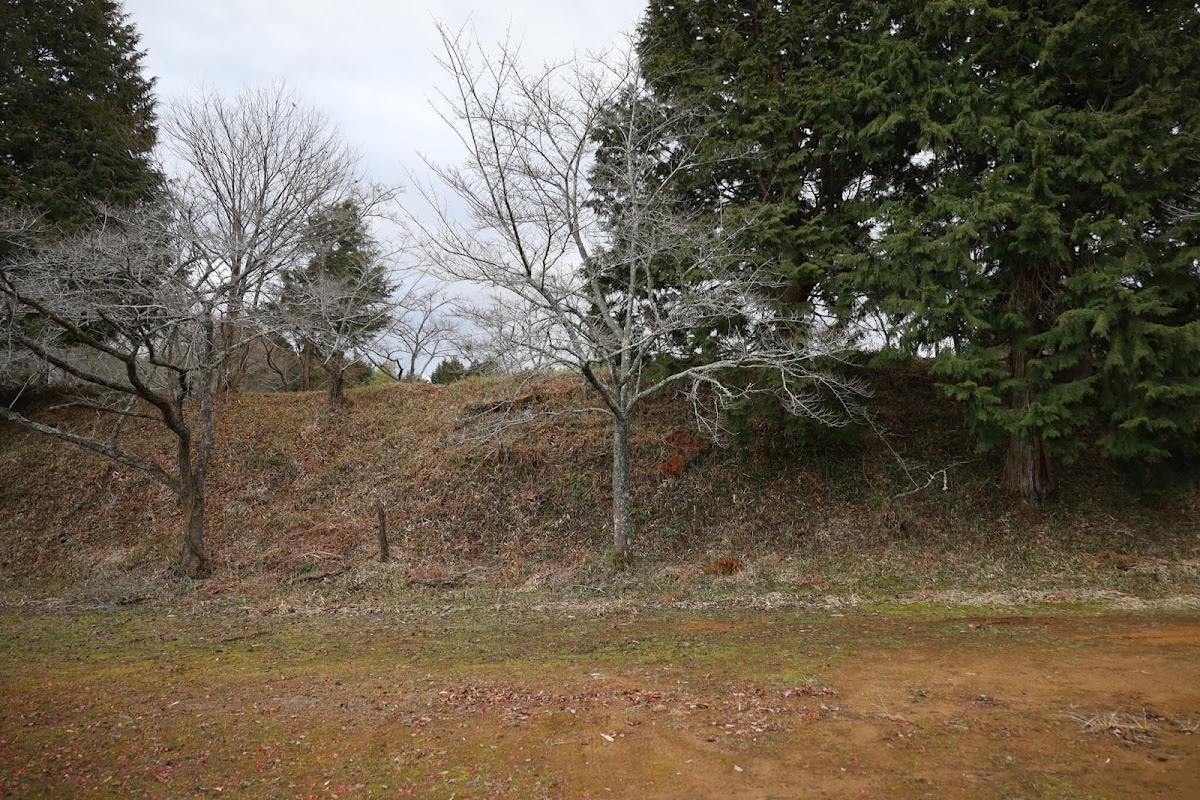
The site is designated a national historic site as the “Taki Kitabatake Clan Castle Site,” and the entire area, including the castle ruins, the inner castle ruins, and the Kiriyama Castle ruins, is protected. Archaeological excavations have confirmed the remains of foundation stones, stone walls, and garden structures, and it is highly regarded as an extremely important site for understanding the actual state of a medieval samurai residence.
Highlights of the Ruins
The castle ruins offer the following points of interest:
- One of the oldest medieval stone walls: Partially remaining stone walls built as defensive structures for the castle.
- Foundation stone building remains: The foundation stones of the main buildings can be identified, giving insight into the scale of the castle.
- Earthwork remains: Traces of the earthworks that surrounded the castle.
- Garden: The Kitabatake Clan Castle Garden, a nationally designated scenic spot.
These remains are valuable historical documents that concretely illustrate the structure of a medieval castle.
Visitor Guide & Tourist Information
Basic Information
Location: Kamitaki, Misugi-cho, Tsu City, Mie Prefecture
Opening Hours: 9:00 AM – 5:00 PM
Closed Days: Open all year round
Admission Fee: Garden admission fee required (approximately 300 yen for adults; fees are subject to change)
Inquiries: Kitabatake Shrine Office
Access Methods
Public Transportation
Get off at Ise-Okutsu Station on the JR Meisho Line, then a 10-minute drive.
*The Meisho Line has limited service, so it is necessary to check the timetable in advance. Consider taking a taxi from the station.
By Car
- Approximately 50 minutes from Hisai IC on the Ise Expressway via National Route 165
- Approximately 60 minutes from Ueno IC on the Meihan Expressway via National Route 368
*Due to the mountainous area, caution is needed regarding icy roads in winter.
Parking: Parking available for Kitabatake Shrine visitors (free).
Points to Note
- Garden Visit is a Must: The garden, one of the three great samurai gardens, is a must-see. Please register for admission at the shrine office.
- Hiking to Tsume Castle and Kiriyama Castle: If you have the stamina and time, hiking to Tsume Castle and Kiriyama Castle ruins is recommended. However, proper hiking equipment is required.
- Estimated Time Required: Approximately 30 minutes to 1 hour for garden visits only; including Tsume Castle and Kiriyama Castle requires about half a day.
- Best Season: The scenery is especially beautiful during the fresh green season (May) and the autumn foliage season (November).
Nearby Attractions
Misugi Area Sightseeing
The Misugi area around the Kitabatake Clan Residence is a mountainous region blessed with abundant nature, offering tourist resources such as clear streams and hot springs.
Related Historical Sites
- Kiriyama Castle Ruins (Hiking trail available)
- Kitabatake Clan Residence Ruins
- Mitsuse Residence Ruins (Place where Kitabatake Tomonori died)
Historical Significance of the Kitabatake Clan Residence
Important Resource for the Study of Medieval Samurai Residences
The Kitabatake Clan Residence is an extremely important site for understanding the structure and function of medieval samurai residences. In particular, the defensive system combining a residence on flat ground and a mountain castle is a valuable example for understanding the development process of castles during the Sengoku period.
Conveying the History of the Nanboku-cho Period
As the base of the Kitabatake clan, a leading figure on the Southern Court side, it is an important historical site that conveys the reality of local samurai during the turbulent Nanboku-cho period. As a residence built by descendants of Kitabatake Chikafusa, the author of the “Jinnō Shōtōki,” it also holds high cultural and historical value.
A Masterpiece of Samurai Garden Culture
As one of the three great samurai gardens, it represents the pinnacle of garden culture created by samurai families. Its unique aesthetic, a fusion of court and samurai cultures, occupies an important position in the history of Japanese gardens.
Things to Know Before Visiting the Kitabatake Residence
How to Pronounce “Taki”
The place name “Taki” is pronounced “Tage,” not “Taki.” This is an older pronunciation that remains, and locals still refer to it as “Tage.”
Relationship Between the Residence Site and the Shrine
The current Kitabatake Shrine was founded after the Meiji era and did not exist during the Kitabatake clan’s time. However, the shrine grounds largely overlap with the residence site, preserving its historical significance.
Photography
Photography is generally permitted within the garden, but prior permission may be required for the use of tripods or commercial photography. Please check with the shrine office.
Seasonal Visiting Precautions
- Spring to Autumn: This is the most suitable season for visiting, but insect repellent is necessary during the summer.
- Winter: Please check road conditions in advance as there is a possibility of snow and icy roads.
- Rainy Season: Due to the mountainous location, there is a lot of rain, and the ground may become slippery.
Current Status and Future of Kitabatake Clan Residence Research
Results of Archaeological Excavations
Recent archaeological excavations have gradually revealed the specific structure and scale of the residence. New knowledge is being accumulated regarding the arrangement of foundation stones, the structure of the stone walls, and the changes in the garden.
Challenges of Preservation and Utilization
The challenge lies in how to balance preservation as a historical site with utilization as a tourist resource. In particular, balancing the development of hiking trails to Tsume Castle and Kiriyama Castle with the protection of the natural environment is crucial.
Collaboration with Regional Development
Promoting historical tourism centered on the Kitabatake Clan Residence is expected to lead to the revitalization of the Misugi region. Efforts are underway to raise awareness of this site as a valuable local historical and cultural resource.
Summary
The Kitabatake Clan Residence is a historical site of extremely high historical and cultural value, being the site of the residence of the Kitabatake clan, who ruled Ise Province from the Nanboku-cho period to the Sengoku period. It boasts numerous attractions, including a nationally designated scenic garden (one of the three great samurai gardens), one of the oldest medieval stone walls, and an integrated castle system with the nearby Kiriyama Castle.
Located in the mountainous area of Misugi-cho, Tsu City, Mie Prefecture, access is somewhat inconvenient, but this allows visitors to reflect on medieval history in a tranquil environment. It’s recommended not only for history buffs but also for those interested in Japanese gardens and nature.
Why not experience the history of the Kitabatake clan, who flourished as the governors of Ise Province and ultimately perished after a conflict with Oda Nobunaga, here? Even after more than 500 years, the beautiful gardens and the remains of the mountain castle still convey the splendor of the samurai culture that once existed in this land.