Kashiwagi Castle: A Complete Guide to the Massive Mountain Castle Built by the Ashina Clan to Counter Date Masamune
Located in Kitashiobara Village, Fukushima Prefecture, Kashiwagi Castle is a large-scale mountain castle built by the Ashina clan, who ruled Aizu at the end of the Sengoku period. As a defensive base in preparation for Date Masamune’s invasion of Aizu, it boasts a vast castle area spanning 500 meters east-west and 450 meters north-south. Remains showcasing the cutting-edge technology of the time, such as stone walls, barbicans, and masugata koguchi (square-shaped gate), are remarkably well-preserved. Designated a National Historic Site in 2021, it is attracting attention as an extremely valuable castle for understanding Sengoku period castle construction techniques and territorial defense strategies.
History and Construction Background of Kashiwagi Castle
Construction by Ashina Moritaka
Kashiwagi Castle is believed to have been built around Tensho 12 (1584) by Ashina Moritaka, who was based at Kurokawa Castle (later Wakamatsu Castle). During this period, the Ashina clan, who ruled the Aizu region, faced a threat from the Date clan, based in Yonezawa to the north.
Ashina Moritaka recognized the strategic importance of the Hibara Pass route (Hibara-guchi), which led from Yonezawa City in Yamagata Prefecture to the Aizu Basin, and decided to construct a large-scale defensive base there. Kashiwagi Castle was not merely a fort, but a full-fledged mountain castle incorporating the latest castle-building techniques.
Confrontation with Date Masamune
The Ashina clan’s concerns proved true. Date Masamune attempted to invade Aizu, crossing the Hibara Pass and attempting to enter Aizu territory. Masamune attacked Toyama Castle and Iwayama Castle, defended by the Anazawa clan, but the Ashina clan’s defense network, centered around Kashiwagi Castle, was strong and could not be easily captured.
During this period, Kashiwagi Castle functioned as the most important base for the Ashina clan’s northern defense, playing a crucial role in preventing the Date forces from advancing south.
The Battle of Suriagehara and the Castle’s Demise
In June 1589 (Tensho 17), the Battle of Suriagehara, which would determine the fate of Aizu, erupted. In this battle, the Ashina army, led by Ashina Yoshihiro, suffered a crushing defeat at the hands of Date Masamune.
At the time, Kashiwagi Castle was occupied by two retainers, Sanpei Okura and Anazawa Toshitsugu. Upon hearing of the Ashina army’s defeat, Okura set fire to the castle and retreated. By the time the Date forces attacked Kashiwagi Castle, it was already deserted, with only the burning fortifications remaining.
Thus, Kashiwagi Castle was abandoned after only about five years since its construction, but in that short period, it etched its name in history as a fortress that condensed the cutting-edge technology and defensive philosophy of the Ashina clan.
Structure and Layout of Kashiwagi Castle
Overall View of the Castle Area
Kashiwagi Castle is built on a mountain mass with a relative height of approximately 100 meters, towering south of the Kitashiobara Post Office. The castle area is extremely large for a Sengoku period mountain castle, measuring approximately 500 meters east-west and 450 meters north-south, with numerous baileys systematically arranged.
The layout, with a group of baileys arranged on a ridge extending north-south from the main bailey, and a main gate on the west and a rear gate on the east, is based on the latest defensive theories of the time.
Structure of the Main Bailey
The main bailey, the center of the castle, is a vast space with a long axis of approximately 70 meters. The castle is surrounded by earthen ramparts, and stones are lined up on the top and walls of these ramparts. This technique, known as “mirror stones,” served to enhance the castle’s imposing presence and defensive capabilities.
From the main enclosure, the entire castle grounds can be overlooked, making it ideally suited as a command post.
Extensive Use of Stone Masonry Techniques
The most distinctive feature of Kashiwagi Castle is its sophisticated structure, which makes extensive use of stone masonry. The advanced stone masonry techniques seen at Mukaihaguroyama Castle, the main castle of the Ashina clan, are also generously employed at Kashiwagi Castle.
The design, which emphasizes not only defense but also visual appeal as a “castle to be admired,” speaks to the high level of castle-building skill of the Ashina clan. The stone masonry is concentrated on the edges of the enclosures and around the entrance gates, likely intended to create a psychological pressure effect on the enemy.
Masugata Koguchi and Umadashi
Kashiwagi Castle features sophisticated defensive structures such as Masugata Koguchi and Umadashi.
A Masugata Koguchi is a structure with two gates arranged to confine intruders in a square space, allowing for attacks from above and the sides. An Umadashi is a fortified enclosure projecting in front of the Koguchi, functioning as both a sally point and a defensive structure.
In particular, a Maru Umadashi was positioned on the eastern rear gate, and in conjunction with the four baileys separated by a dry moat, a multi-layered defensive system was established.
Layout of Enclosures
The following enclosures are arranged around the main enclosure:
- South Side: The outer enclosure is positioned to protect the main enclosure.
- West Side: The second and third enclosures are arranged in stages, strengthening the defenses of the main gate area.
- East Side: The circular outwork and fourth enclosure are separated by a dry moat.
- Other: Numerous enclosures, including the western, central, and eastern enclosures, are spread throughout the castle grounds.
These enclosures do not function independently but are designed to work in conjunction with each other to enhance defensive capabilities, creating an impregnable structure that required attackers to breach multiple barriers.
Moats and Defensive Lines
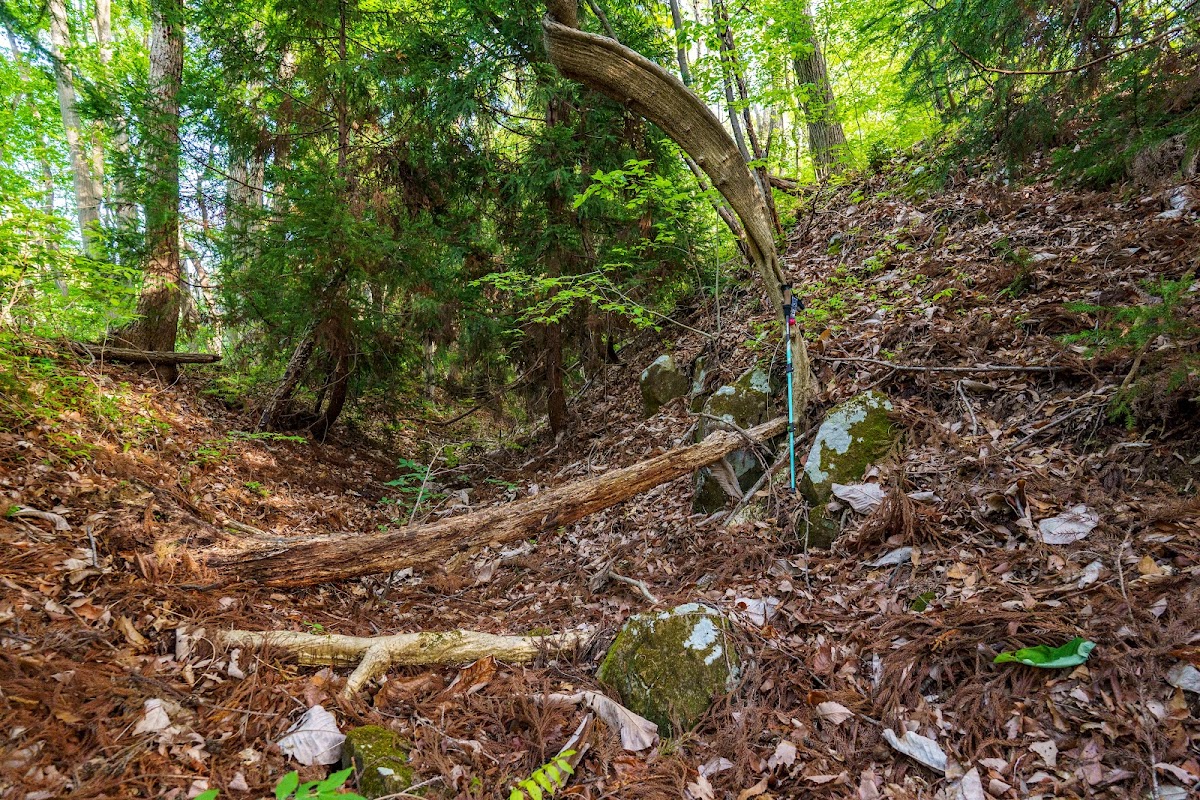
Multiple moats are provided along the ridges, blocking enemy incursions. These moats are not mere ditches, but full-fledged defensive structures with sufficient depth and width, allowing for attacks from above against enemies attempting to cross them.
Especially along the ridges, which are the main incursion routes, double and triple moats are positioned, creating multiple layers of defensive lines. ## Highlights and Remains of Kashiwagi Castle
Well-Preserved Earthworks and Stone Walls
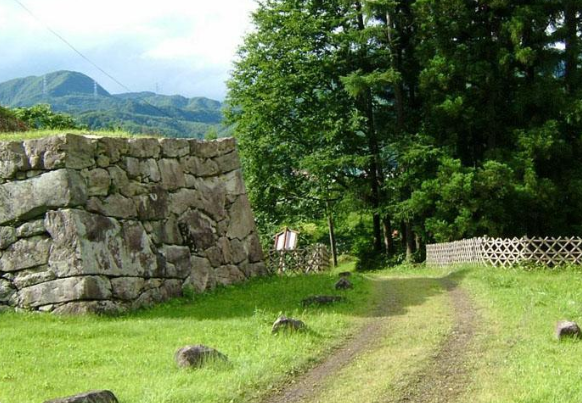
The greatest highlight of Kashiwagi Castle is the earthworks and stone walls that remain remarkably well-preserved even after more than 400 years. The earthworks surrounding the main enclosure are impressive in both height and width, conveying their original appearance.
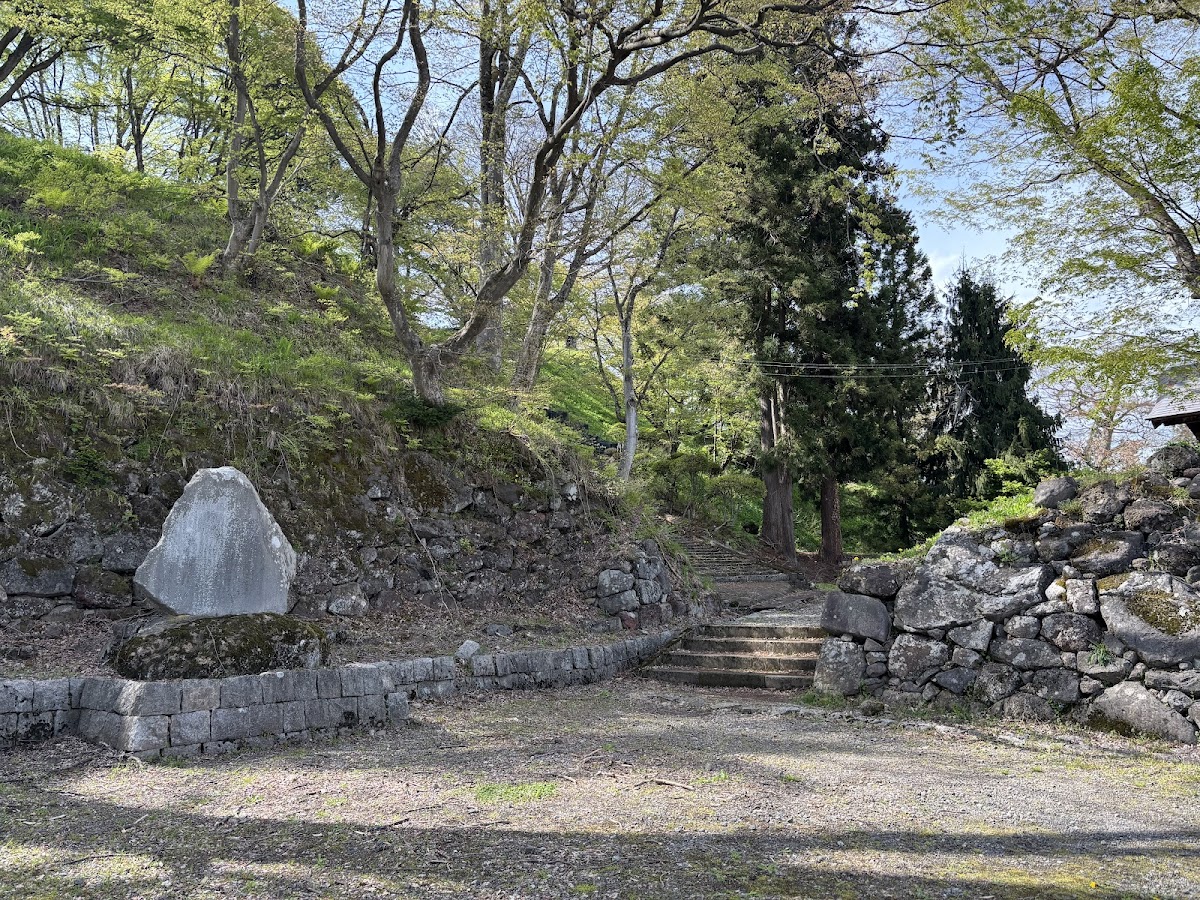
Although some of the stones on the top of the earthworks and walls have collapsed, the overall layout can still be understood. The stone walls around the gates, in particular, are well-preserved, demonstrating the high level of stonework techniques of the Ashina clan.
Skillful Gate Structures
Both the main gate and the rear gate retain skillful gate structures with masugata (square-shaped) structures. By observing the gate locations, stone wall arrangements, and connections to the enclosures, one can gain a concrete understanding of the defensive thinking of the Sengoku period.
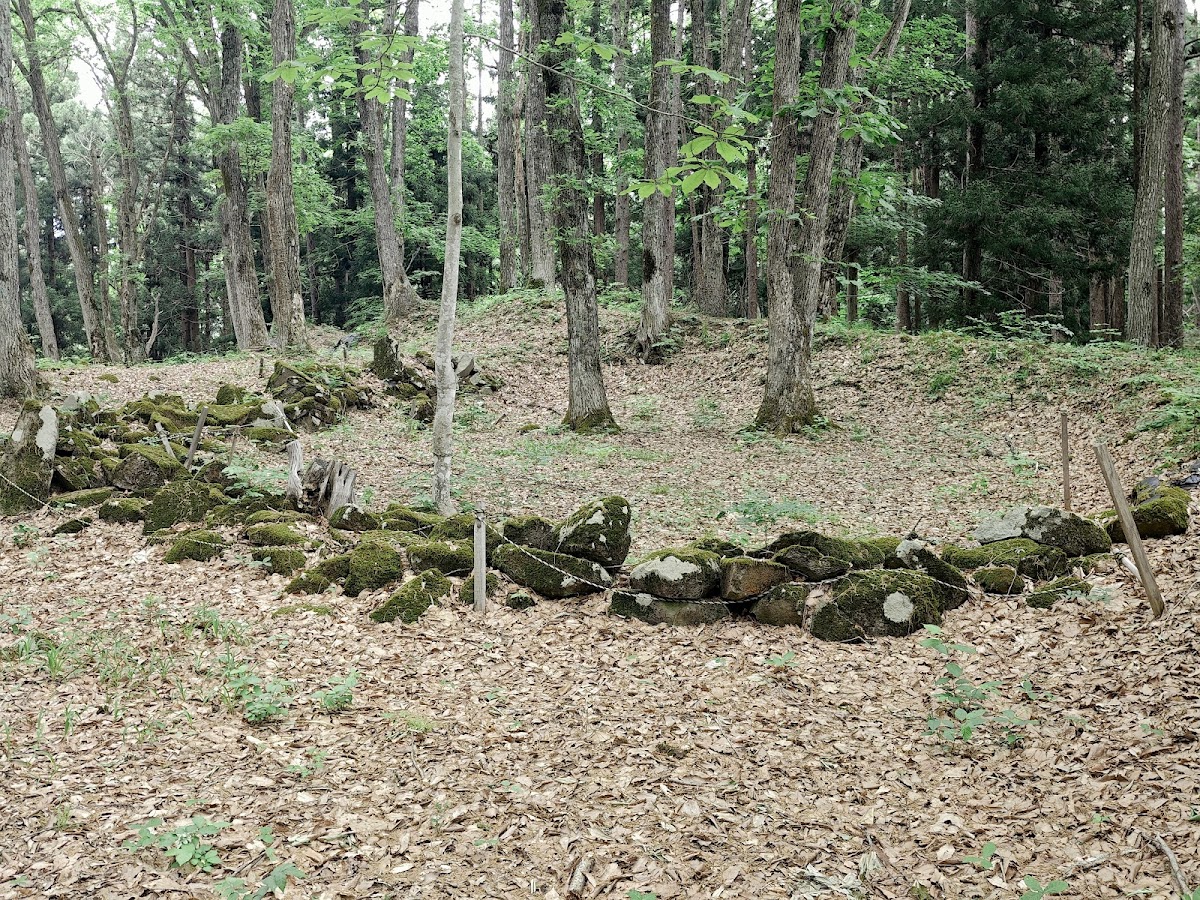
The circular barbican located on the eastern rear gate is particularly well-preserved, making it a valuable remains that clearly shows the shape of the barbican and its relationship to the dry moat.
Experiencing the Vast Castle Grounds
Visiting Kashiwagi Castle, you’ll be astonished by its overwhelming scale. The dimensions—500 meters east-west and 450 meters north-south—are far more impressive than the numbers suggest; actually walking around the grounds truly conveys its vastness.
Exploring the various enclosures from the main keep, you’ll understand the immense effort the Ashina clan invested in this castle. Their technical skill and mobilization capabilities to construct such a large castle in such a short period demonstrate the Ashina clan’s immense national power.
Information Boards and Maintenance Status
Information boards are installed at the castle ruins, allowing you to learn about the castle’s history and structure. Important points in the remains are explained, making it easy to understand even for first-time visitors.
In recent years, surveys and maintenance work have been carried out with the aim of designating it as a national historical site, and viewing paths have been improved. However, as it is a mountain castle, appropriate equipment is necessary when visiting.
Access Information to Kashiwagi Castle
Location
Oshio, Kitashiobara Village, Yama District, Fukushima Prefecture
Kashiwagi Castle is located on a hill approximately 514 meters above sea level, south of the Kitashiobara Post Office.
Access by Car
- From Inawashiro Bandai Kogen IC on the Ban-etsu Expressway: Approximately 20 minutes
- Head north on National Route 459 to the Oshio area of Kitashiobara Village
- Follow the signs, using the Kitashiobara Post Office as a landmark.
Parking space is limited, so please be careful when visiting.
Access by Public Transportation
Nearest Station: JR Ban-etsu West Line, Inawashiro Station
You will need to take a bus or taxi from Inawashiro Station, but since the number of services is limited, it is recommended to check in advance. Because it is a mountain castle, visiting by public transportation is somewhat difficult.
Points to Note When Visiting
- Climbing Time: As it is a mountain castle with a relative elevation of approximately 100 meters, expect to spend 1.5 to 2 hours round trip.
- Clothing: Suitable hiking boots and clothing are essential.
- Season: Visiting is difficult in winter due to snow. Spring to autumn is the best time.
- Bear Precautions: As it is in a mountainous area, carrying a bear bell or similar is recommended.
- Drinking Water: There is no water source within the castle grounds, so bring plenty of drinking water.
While there are signposts, making it unlikely to get lost, visiting in a group is safer than visiting alone.
National Historic Site Designation and the Value of Kashiwagi Castle
National Historic Site Designation in 2021
In December 2021 (Reiwa 3), the Council for Cultural Affairs recommended to the Minister of Education, Culture, Sports, Science and Technology that Kashiwagi Castle ruins be designated as a National Historic Site. This officially positioned Kashiwagi Castle as an important cultural property recognized by the government.
In Kitashiobara Village, archaeological excavations and research have been conducted for many years, and this recognition is a culmination of those efforts.
Value as a Historic Site
The following points were evaluated as reasons for the recommendation of designation as a National Historic Site:
- As a large mountain castle from the late Sengoku period, it possesses a vast castle area measuring 500 meters east-west and 450 meters north-south.
- Its historical importance as a defense base for the Ashina clan, developed in preparation for Date Masamune’s invasion of Aizu.
- Well-preserved remains that concretely demonstrate the castle-building techniques of the time.
- It is a valuable example for understanding the concept of territorial defense.
In particular, the fact that advanced techniques such as stonework, barbicans, and masugata koguchi (square-shaped gate) are concentrated in a single castle is considered extremely important for studying the history of castle-building techniques during the Sengoku period.
The Pinnacle of Ashina Clan Castle-Building Techniques
The Ashina clan, a prestigious daimyo family of Aizu, built many castles, including Mukaihaguroyama Castle. Kashiwagi Castle is one of the last castles built by the Ashina clan and is considered to represent the pinnacle of their castle-building techniques.
The techniques cultivated at Mukaihaguroyama Castle were further refined and realized at Kashiwagi Castle. The extensive use of stonework and the intricate layout demonstrate the high level of skill of the Ashina clan.
Nearby Castles and Tourist Spots
Hibara Castle
Hibara Castle is the counterpart to Kashiwagi Castle. Hibara Castle was used by Date Masamune as a base for his invasion of Aizu, and it faces Kashiwagi Castle across the Hibara Pass.
Visiting both castles allows for a geographical understanding of the conflict between the Date and Ashina clans.
Toyama Castle and Iwayama Castle
Toyama Castle and Iwayama Castle, defended by the Anazawa clan, are also important castles that constitute the defensive line of Kashiwagi Castle. Date Masamune attacked these castles, but was unsuccessful in capturing them.
By touring the castle network centered around Kashiwagi Castle, a comprehensive picture of the Ashina clan’s defensive strategy emerges.
Mukaihaguroyama Castle (Aizu-Hongo Town)
Mukaihaguroyama Castle, a full-fledged mountain castle of the Ashina clan, is the technical root of Kashiwagi Castle. Designated a National Historic Site, it is an essential castle for learning about the Ashina clan’s castle-building techniques.
By comparing Kashiwagi Castle and Mukaihaguroyama Castle, you can understand the developmental process of the Ashina clan’s castle-building techniques.
Wakamatsu Castle (Tsuruga Castle)
Kurokawa Castle, the Ashina clan’s base, later Wakamatsu Castle (Tsuruga Castle), is a central hub for Aizu tourism. The castle tower has been restored, allowing for a comprehensive learning experience of Aizu’s history.
We recommend enjoying a tour of Aizu’s castles in conjunction with a visit to Kashiwagi Castle.
Nature of Urabandai
Kitashiobara Village is blessed with the natural beauty of Urabandai. You can enjoy the beautiful natural scenery of Goshikinuma and Hibara Lake. In conjunction with a visit to Kashiwagi Castle, you can also enjoy nature walks in Urabandai.
Current Status and Future of Kashiwagi Castle Research
Results of Archaeological Excavations
The Kitashiobara Village Board of Education has been conducting archaeological excavations for many years. As a result, the following has been revealed:
- Construction period: around 1584 (Tensho 12)
- Stone masonry techniques: techniques shared with Mukaihaguroyama Castle
- Evidence of a large-scale castle construction in a short period of time
- Traces of intentional fire at the time of abandonment
These findings provide valuable data for studying castle construction techniques of the Sengoku period and the history of the Ashina clan.
Efforts for Preservation and Utilization
Following its designation as a National Historic Site, efforts will now be made for both preservation and utilization. Prioritizing the preservation of the ruins, plans are underway to create an environment where visitors can safely explore the site.
Kitashiobara Village plans to utilize Kashiwagi Castle as a regional historical asset and connect it to tourism promotion.
Research Topics
Many aspects of Kashiwagi Castle remain unclear:
- Detailed construction process and duration
- Origin and technical lineage of the stonemasons
- Specific roles of the warlords who resided at the castle
- Coordination with other Ashina clan castles
Further research is expected to reveal much more.
Summary: Kashiwagi Castle’s Story of the Sengoku Period
Kashiwagi Castle was a short-lived castle, abandoned after only about five years of construction. However, its remains, spanning over 400 years, convey the tension and technological pinnacle of the Sengoku period.
Built by Ashina Moritaka in preparation for an invasion by Date Masamune, this massive mountain castle was a fortress incorporating the most advanced technology of the time, including stonework, barbicans, and square-shaped gates. While Kashiwagi Castle’s historical mission ended when the Ashina clan was defeated at the Battle of Suriagehara and Sanpei Okura set fire to the castle before retreating, its remains are extremely valuable historical resources for understanding the castle-building techniques and territorial defense philosophies of the Sengoku period.
The designation of Kashiwagi Castle as a National Historic Site in 2021 signifies the official recognition of its value. Nestled quietly in the mountains of Kitashiobara Village, Fukushima Prefecture, this castle ruin will allow visitors to experience the tense atmosphere of the Sengoku period and the high level of technical skill of the Ashina clan.
This is a must-visit castle for anyone interested in the history of Aizu, a lover of mountain castles, or those interested in Sengoku period castle-building techniques. By walking through the vast castle grounds and touching the stone walls and earthworks, you can feel the spirit of the warlords from 400 years ago.