Complete Guide to the History and Highlights of Kōtari Castle | The Charm of the Earthworks and Dry Moats Remaining at Kōtari Shrine
What is Kōtari Castle?
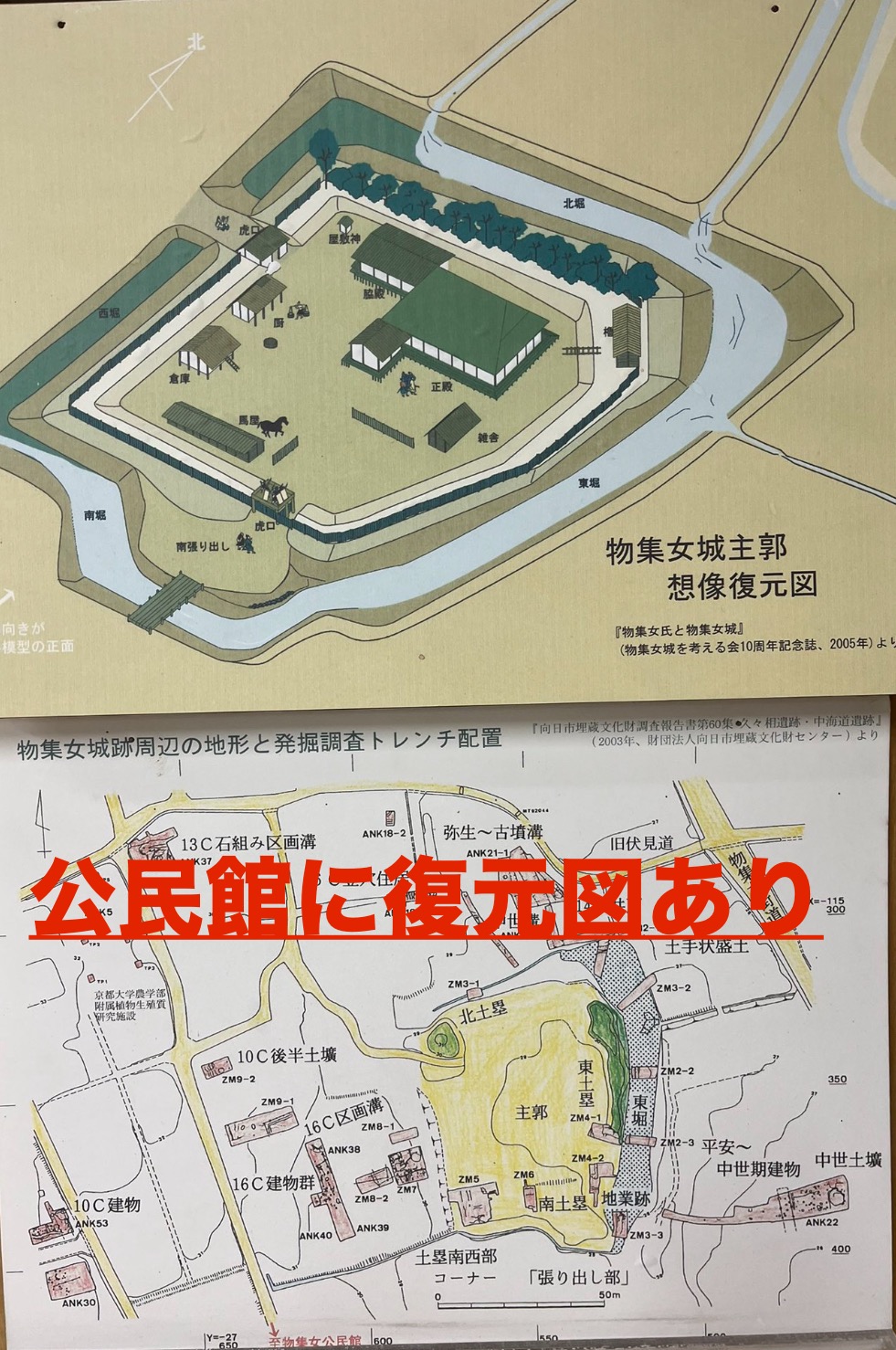
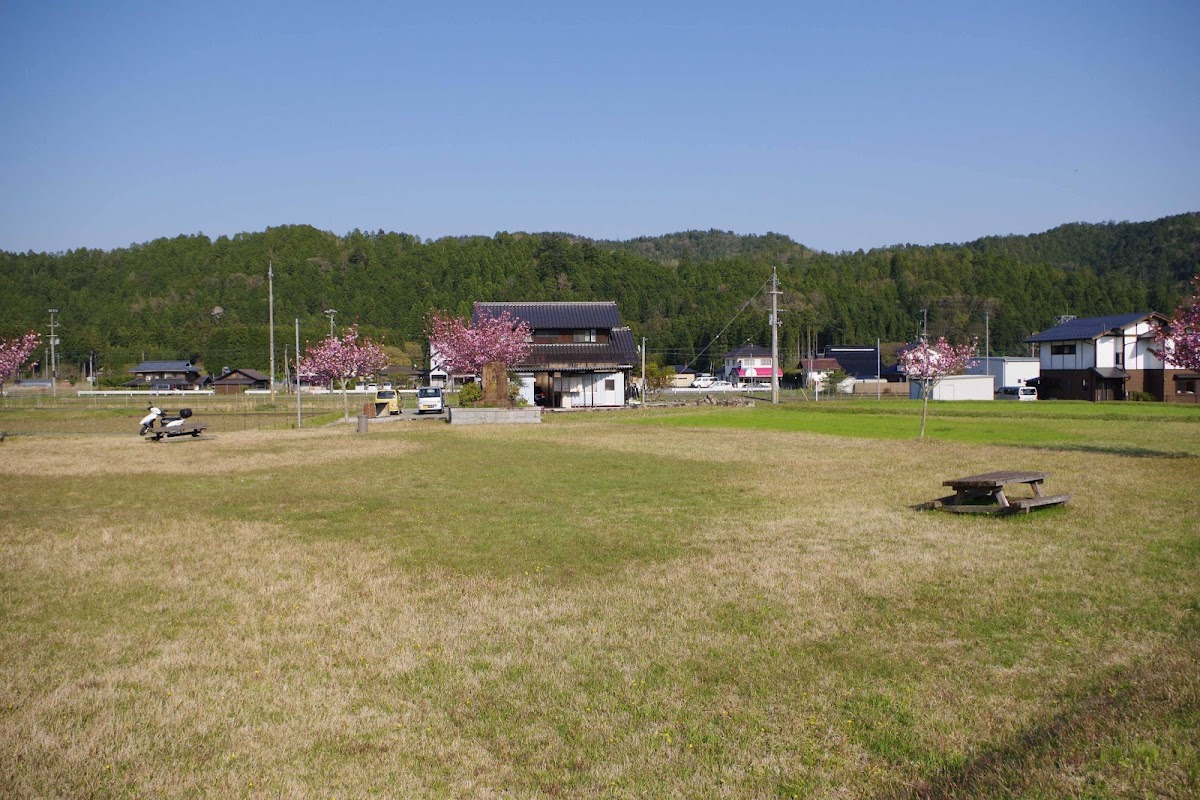
Kōtari Castle was a flatland castle located in Kōtari, Nagaokakyō City, Kyoto Prefecture, and is known as the residence of the Kōtari clan, a local powerful family that ruled this region. Currently, the castle ruins are within the grounds of Kōtari Shrine, and the earthworks and dry moats, which retain traces of the Sengoku period, are preserved as a Nagaokakyō City designated historical site.
The most distinctive feature of Kōtari Castle lies in its historical background: in 1571, when Hosokawa Fujitaka (Yūsai), acting on orders from Oda Nobunaga, extensively renovated Shōryūji Castle, Kōtari Castle was incorporated as part of Shōryūji Castle. This event marked the end of Kōtari Castle’s role as an independent fortress, but its defensive structures continued to function as an important part of Shōryūji Castle’s defense line.
History of Kanzaki Castle
The Era of the Kanzaki Clan
While there are no clear records regarding the exact construction date of Kanzaki Castle, it is believed to have been built by the Kanzaki clan, a local lord who ruled this area from the medieval period to the early Sengoku period. The Kanzaki clan was a powerful local family based in Otokuni District, Yamashiro Province, in southern Kyoto Prefecture, and Kanzaki Castle was also known as “Kanzaki Yashiki” (Kanzaki Residence).
As a powerful local lord, the Kanzaki clan ruled this area, a crucial transportation hub connecting Kyoto and western Japan. Kanzaki Castle likely served primarily as a residence, functioning as both a place of daily life and a defensive stronghold in times of emergency.
Hosokawa Fujitaka and the Major Renovation of Shoryuji Castle
The most important turning point in the history of Kanzaki Castle occurred in 1571 (Genki 2). To consolidate his control over the Kyoto area, Oda Nobunaga stationed his senior retainer, Hosokawa Fujitaka (later Hosokawa Yusai), at Shoryuji Castle.
When Hosokawa Fujitaka extensively renovated Shoryuji Castle into a modern fortress, he utilized the dry moats and earthworks of the adjacent Kanzaki Castle to the south, incorporating them as part of Shoryuji Castle’s defensive system. As a result, Kanzaki Castle lost its function as an independent fortress and became a crucial structure forming the southern defensive line of Shoryuji Castle.
Hosokawa Fujitaka was a Sengoku period warlord excelling in both military and literary arts, and later, as “Hosokawa Yusai,” he became known as a cultured man well-versed in tea ceremony and poetry. His renovation of Shoryuji Castle played a significant role in Oda Nobunaga’s strategy for controlling Kyoto.
After the Edo Period
Even after Shoryuji Castle was abandoned, the earthworks and dry moats of the Kanzaki Castle site remained as part of the topography. During the Edo period, Kanzaki Shrine was established, and the castle site came to be used as the shrine’s grounds. Even after the Meiji era, Kanzaki Shrine continued to function as a center of local faith, while simultaneously playing a role in protecting the valuable castle remains.
In modern times, Nagaokakyo City has protected the earthworks and dry moats around Kanzaki Shrine as a city-designated historical site and developed them into Kanzaki Park, making it a place where local residents and history enthusiasts can experience the remains of the Sengoku period.
Structure and Characteristics of Kanzaki Castle
Location as a Flatland Castle
Kanzaki Castle is a typical flatland castle, built on the surrounding plains. Unlike mountain castles that utilize rugged terrain for defense, its defensive capabilities are enhanced by artificially excavated dry moats and earthworks.
While flatland castles offer superior habitability, they are generally considered inferior to mountain castles in terms of defense. However, in the case of Kanzaki Castle, by integrating with Shoryuji Castle, a stronger defensive system was constructed. Considering its location in the plains of southern Kyoto Prefecture, the choice of a flatland castle was rational.
Structure of the Earthworks
The earthworks existing within the grounds of Kanzaki Shrine were constructed in 1571 (Genki 2) when Hosokawa Fujitaka carried out a major renovation of Shoryuji Castle. The earthworks reach several meters in height, demonstrating the advanced castle-building techniques of the time.
The earthworks not only prevented enemy intrusion but also ensured visibility from within the castle and functioned as a base for attacks with bows and arrows and firearms. While the earthworks visible today differ from their original form due to weathering and maintenance, they remain a valuable example of castle defense structures from the Sengoku period.
The Role of the Dry Moat
The dry moat (karabori) is a moat that does not hold water and was an important defensive structure for Kanzaki Castle. It physically prevented enemy intrusion and allowed for attacks on enemy soldiers who descended to the bottom of the moat from the earthworks.
South of Kanzaki Shrine, this dry moat remains in good condition and is preserved within Kanzaki Park as a Nagaokakyo City designated historical site. The depth and width of the dry moat offer insights into the defensive thinking and castle-building techniques of the time.
Integrated Defensive System with Shoryuji Castle
The most distinctive feature of Kanzaki Castle is its function as the southern defensive line of Shoryuji Castle. Hosokawa Fujitaka utilized the existing earthworks and dry moats of Kanzaki Castle to expand the defensive range of Shoryuji Castle to the south, creating a stronger defensive network.
This integrated defensive system allowed Shoryuji Castle to have multiple lines of defense against attacks from the south, functioning as a crucial military base in Oda Nobunaga’s control of Kyoto.
Highlights of Kanzaki Castle
Earthworks within the Kanzaki Shrine Grounds
The greatest highlight when visiting Kanzaki Castle is the earthworks remaining within the grounds of Kanzaki Shrine. These earthworks, surrounding the shrine buildings, are remnants from Hosokawa Fujitaka’s renovations and retain their original appearance even after more than 400 years.
While climbing the earthworks is not permitted, their scale and shape allow one to experience the actual defenses of a Sengoku period castle. The landscape, in particular, with the shrine buildings and earthworks integrated, retains a strong historical atmosphere and is a popular spot for photography.
Remains of the Dry Moat at Kanzaki Park
Kanzaki Park, located just south of Kanzaki Shrine, contains the remains of the earthworks and dry moat of Shoryuji Castle. This dry moat was constructed when Kanzaki Castle was incorporated into Shoryuji Castle, and it is an impressive structure with considerable depth and width.
Because it is a park, you can descend into the dry moat and observe it up close. Looking up at the earthworks from the bottom of the moat, you can truly appreciate the scale and power of the defensive structure at that time. Information boards are also installed, allowing you to learn about the historical background while you visit.
Relative Position to Shoryuji Castle
Kanzaki Castle ruins and Shoryuji Castle ruins are within walking distance of each other. By actually walking and confirming the relative positions of the two castles, you can understand how Hosokawa Fujitaka incorporated Kanzaki Castle into the defensive system of Shoryuji Castle.
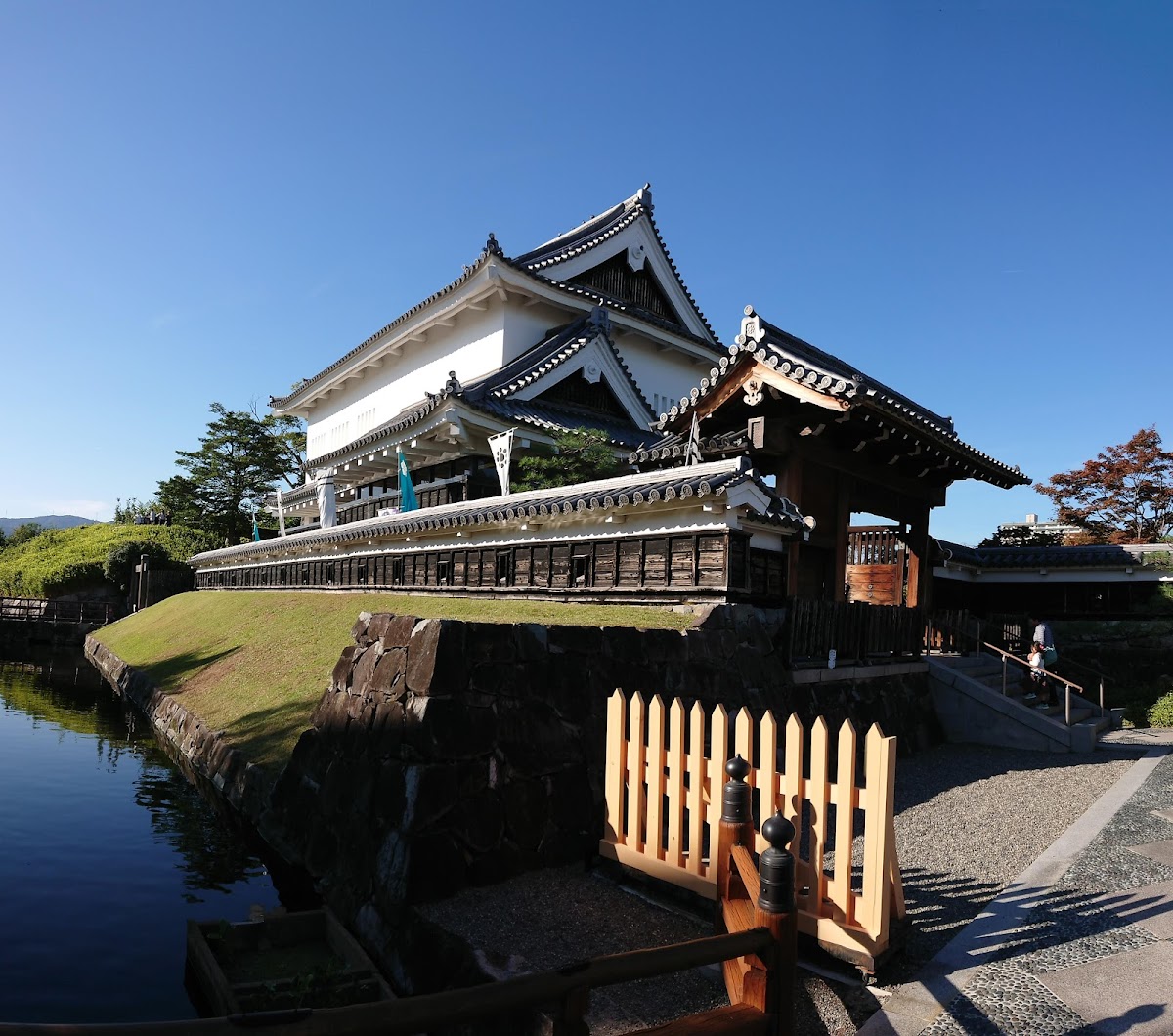
Shoryuji Castle Park is also maintained, and you can see the reconstructed turret gate, earthworks, and dry moat. Visiting both Kanzaki Castle and Shoryuji Castle together will give you a deeper understanding of the overall picture of castle defense during the Sengoku period. ### Preservation of the Historical Landscape
Although the area around the Kanzaki Castle ruins is now a residential area, valuable historical remains are preserved by Kanzaki Shrine and Kanzaki Park. Thanks to the designation as a historical site by Nagaokakyo City and appropriate maintenance, the historical landscape has been protected from development and can be considered a valuable legacy of the Sengoku period remaining in an urban area.
A major attraction of the Kanzaki Castle ruins is that it functions as both a place of relaxation for local residents and a place for historical learning.
About Kanzaki Shrine
History and Origins of the Shrine
Kanzaki Shrine is a shrine located on the site of Kanzaki Castle and has long been revered as the local guardian deity. While the details of its founding are unknown, it is believed to have existed since before the medieval period.
Even after Kanzaki Castle was incorporated into Shoryuji Castle, the shrine continued to exist as the center of local faith, and the current shrine building was constructed during the Edo period. Since the Meiji era, it has continued to play a central role in the local community as the guardian deity of the Kanzaki district.
Highlights of the Shrine Grounds
The grounds of Kanzaki Shrine possess a unique atmosphere, blending the remains of a castle with the sacred space of a shrine. The shrine buildings retain the architectural style of the Edo period, making them historically valuable structures.
The grounds also contain ancient trees estimated to be several hundred years old, creating a tranquil atmosphere for worship. Visiting the shrine in conjunction with exploring the castle ruins will allow you to experience the history and culture of this area more deeply.
Annual Events
Kanzaki Shrine holds various festivals throughout the year. The autumn grand festival, in particular, is an important local event, attracting many worshippers. Traditional local performing arts are also showcased during the festival, creating a place where history and culture thrive.
Access Information
Access by Train
Kanzaki Castle Ruins (Kanzaki Shrine) can be accessed in approximately 15 minutes on foot from Nagaokakyo Station on the JR Tokaido Main Line (Kyoto Line). Exit the station and head west; after passing through the residential area, you will arrive at Kanzaki Shrine.
It’s about a 20-minute walk from Nagaoka-Tenjin Station on the Hankyu Kyoto Line. Head southwest from the station, cross National Route 171, and enter the Kanzaki area.
Access by Car
By car, it’s about 10 minutes from the Oyamazaki Interchange on the Meishin Expressway, and about 5 minutes from the Nagaokakyo Interchange on the Kyoto Jukan Expressway. However, there is no dedicated parking lot at Kanzaki Shrine, so we recommend using nearby coin-operated parking lots or public transportation.
Parking Information in the Surrounding Area
There are several small coin-operated parking lots around Kanzaki Shrine. Also, there is free parking (a few spaces) at Shoryuji Castle Park, so you can park there and visit the Kanzaki Castle ruins on foot.
Location
- Address: 2-chome, Kanzaki, Nagaokakyo City, Kyoto Prefecture
- Nearest Stations: JR Nagaokakyo Station, Hankyu Nagaoka-Tenjin Station
- Open to Visitors (Please observe reasonable hours as it is within the shrine grounds)
- Admission Fee: Free
Points to Note and Manners for Visitors
Precautions During Visits
The Kanzaki Castle Ruins are located within the grounds of Kanzaki Shrine and still function as a place of worship. When visiting, please behave quietly so as not to disturb worshippers. Do not climb on the earthworks, and be careful not to damage the remains.
Photography is permitted, but please be considerate of the privacy of worshippers and local residents, and strive to take photos that respect the sacred atmosphere of the shrine.
Recommended Visiting Time
If you plan to thoroughly visit both the Kanzaki Castle Ruins and the Shoryuji Castle Ruins, allow approximately 1.5 to 2 hours. Early morning hours are less crowded, allowing for a more peaceful visit.
The surrounding scenery is beautiful during the cherry blossom season in spring and the autumn foliage season, making it ideal for photography.
Clothing and Items to Bring
Kōtari Castle Ruins are located on flat land and accessible via paved roads, so no special equipment is required. However, when visiting the dry moat ruins in Kōtari Park, there are some steps, so comfortable walking shoes are recommended.
In summer, there is little shade, so bringing a hat, parasol, and drinks will make your visit more comfortable.
Nearby Tourist Attractions
Shōryūji Castle Ruins
Shōryūji Castle Ruins, located about a 5-minute walk from Kōtari Castle, is a must-visit related historical site. It has been developed as Shōryūji Castle Park, where you can see the reconstructed turret gate, earthworks, and dry moat.
Shōryūji Castle is also known as the castle where Tama (later Lady Gracia), daughter of Akechi Mitsuhide, married Hosokawa Tadaoki, making it a particularly popular spot for history buffs. A museum is also located on the premises, where you can learn about its detailed history.
Nagaoka Tenmangu Shrine
Located about a 10-minute walk from Hankyu Nagaoka Tenjin Station, Nagaoka Tenmangu Shrine is a historic shrine dedicated to Sugawara no Michizane. It is revered as the god of learning and is especially crowded with worshippers during exam season.
In spring, the Kirishima azaleas in the shrine grounds bloom beautifully, attracting many tourists. Visiting it along with the Kanzaki Castle ruins will make for a fulfilling Nagaokakyo sightseeing experience.
Nagaokakyo Ruins
Nagaokakyo, the origin of the name of Nagaokakyo City, was a capital city built in 784 by Emperor Kanmu. Because the capital was moved to Heiankyo after only 10 years, it is also known as the “phantom capital.”
Ruins of Nagaokakyo remain throughout the city, and archaeological excavations are continuously being conducted. The Nagaokakyo City Buried Cultural Properties Center exhibits excavated artifacts and provides historical explanations, allowing visitors to learn about the history of this area from ancient times to the Sengoku period.
Suntory Kyoto Beer Factory
At the Suntory Kyoto Beer Factory in Nagaokakyo City, you can enjoy a factory tour and beer tasting (reservations required). It’s a popular tourist spot where you can learn about the beer manufacturing process and taste freshly brewed beer.
A visit after exploring the Kanzaki Castle ruins would make for a fulfilling day combining historical exploration and a factory tour.
Significance of Visiting Kanzaki Castle
Learning about the History of Castles in the Sengoku Period
Kanzaki Castle is a valuable example that tells the story of the development and transformation of castles during the Sengoku period. Its history, from a local lord’s residence to a defensive facility playing a key role in Oda Nobunaga’s strategy for controlling Kyoto, provides important clues to understanding the political and military situation of this era.
The major renovation of Shoryuji Castle by Hosokawa Fujitaka and its incorporation of Kanzaki Castle demonstrates the evolution of castle construction technology during the transitional period from medieval to early modern castles.
Experiencing Local History and Culture
The Kanzaki Castle ruins are one of the places that symbolize the history of Nagaokakyo City. This is a valuable place where you can experience the layering of history, from the ancient Nagaokakyo to the Sengoku period’s Kanzaki Castle and a modern residential area.
The Kanzaki Shrine and castle ruins, carefully preserved by local residents, are a fine example of the harmony between the preservation of historical heritage and modern life.
Following in the Footsteps of Hosokawa Fujitaka (Yūsai)
Kanzaki Castle is a place where you can learn about the castle-building techniques and strategic vision of Hosokawa Fujitaka (Yūsai), a leading military commander of the Sengoku period, who excelled in both military and literary arts. He later became a cultured man who made a name for himself in the tea ceremony, poetry, and classical studies, but his military talent was also outstanding.
The remains of Kanzaki Castle are a valuable historical site that conveys to the present day one aspect of Hosokawa Fujitaka’s life as a military commander.
Summary
Kanzaki Castle is a flatland castle ruin located in Nagaokakyo City, Kyoto Prefecture. It began as the residence of the local powerful Kanzaki clan and was incorporated into the castle during the major renovation of Shōryūji Castle by Hosokawa Fujitaka. Currently the site of Kanzaki Shrine, the earthworks and dry moat are preserved as a designated historical site of Nagaokakyo City.
This is a valuable place where you can actually see a castle defense system from the Sengoku period, and visiting it together with the Shoryuji Castle ruins will allow you to gain a deeper understanding of the Sengoku history of this region. Its convenient location, within walking distance of JR Nagaokakyo Station, is also a major attraction, making it an easily accessible historical spot as part of a Kyoto sightseeing trip.
Why not reflect on the Sengoku period, over 400 years ago, in the tranquil atmosphere of Kanzaki Shrine? The historical stories told by the earthworks and dry moat are sure to deeply move visitors.