Kamoyama Castle (Okayama Prefecture) Complete Guide: A Thorough Explanation of History, Remains, and Access
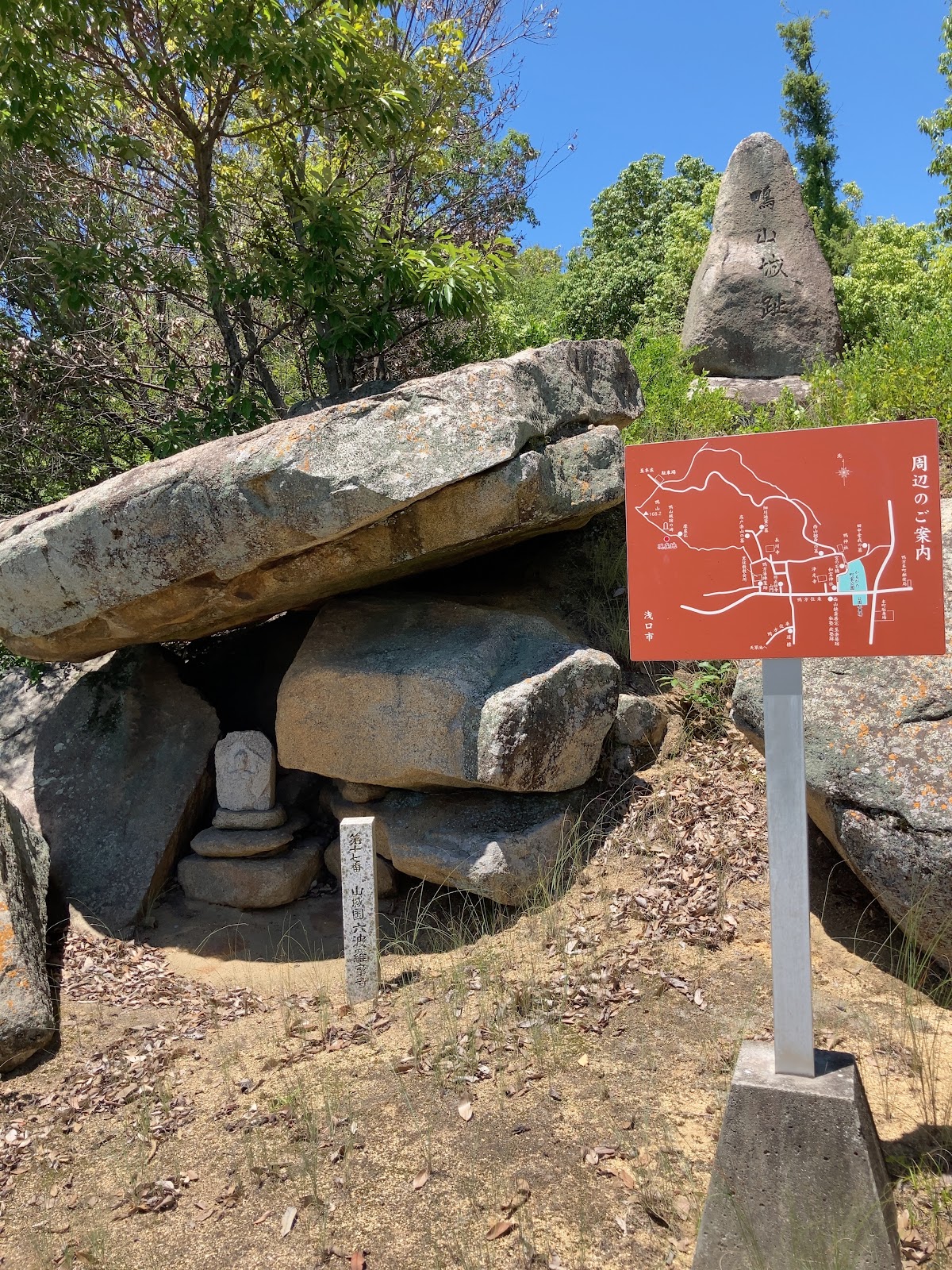
Kamoyama Castle, located in Okayama Prefecture, played a significant role in the region’s history as a mountain castle during the Sengoku period (Warring States period). This article provides a comprehensive explanation of information about Kamoyama Castle, including its historical background, the changes from its construction to its abandonment, existing remains, and how to visit.
What is Kamoyama Castle?
Kamoyama Castle (Kamoyama-jo) is a medieval mountain castle built in Okayama Prefecture, which functioned as a base for regional control during the Sengoku period. It features defensive structures that utilize the unique terrain of mountain castles and is known as a valuable historical site that conveys the castle-building techniques of the time.
Basic Information on Kamoyama Castle
Location: Okayama Prefecture (Multiple possible locations exist for the exact site)
Castle Structure: Mountain Castle
Construction Period: Sengoku Period (Estimated)
Builder: Local Lord (Details below)
Main Lords: Powerful Local Warlords
Year of Abandonment: Late Sengoku Period to Early Edo Period (Estimated)
History of Kamoyama Castle
Background and Era of Construction
During the Sengoku period, when Kamoyama Castle was built, Okayama Prefecture was divided into Bizen Province, Bitchu Province, and Mimasaka Province, with local lords competing for power in each region. Unlike peacetime residences, mountain castles played a crucial role as defensive strongholds during wartime and as symbols of territorial control.
Kamoyama Castle was built within this historical context, and it is believed to have been constructed by a powerful local warlord to protect their sphere of influence. The castle’s layout, skillfully utilizing the mountainous terrain, speaks to the high level of castle-building technology of the time.
Kamoyama Castle in the Sengoku Period
During the Sengoku period, the Okayama Prefecture area was a fierce battleground where powerful daimyo such as the Urakami, Ukita, and Mori clans vied for supremacy. Kamoyama Castle was also caught up in these power struggles among the Sengoku daimyo and likely served as a battleground at times.
Given its nature as a mountain castle, Kamoyama Castle is presumed to have served the following roles:
- Military Base: A defensive facility to prepare for enemy invasions
- Surveillance Function: Gathering information from a position overlooking the surrounding area
- Territorial Control: Demonstrating control over local residents
- Refuge: A place for residents to flee during wartime
Changes in Castle Lords
While the specific lords of Kamoyama Castle are not fully clear due to limitations in historical records, it is believed that local lords served as castle lords for generations. It is highly likely that the castle lords also changed along with the shifts in the power structure during the Sengoku period.
The Road to Abandonment
The period when Kamoyama Castle was abandoned is estimated to be sometime between the end of the Sengoku period and the early Edo period. With Toyotomi Hideyoshi’s unification of Japan and the establishment of the Tokugawa Shogunate, a nationwide consolidation and reorganization of castles progressed.
In particular, the “One Castle Per Province” decree (1615) issued by the Edo Shogunate resulted in the demolition of all castles except for the main ones in each domain. Many mountain castles that lost their practical combat significance were abandoned during this period, and Kamoyama Castle is thought to have been no exception.
Structure and Layout of Kamoyama Castle
Characteristics as a Mountain Castle
Kamoyama Castle is presumed to have had the following structural characteristics as a typical Sengoku period mountain castle:
Main Enclosure (Honmaru): This was the central enclosure of the castle, where the lord’s residence and command post were located. It was generally situated in the most defensible location on the mountaintop.
Second and Third Enclosures (Ninokuruwa and Sannomaru): A group of enclosures positioned to protect the main enclosure. They formed a tiered defensive line.
Moat: A dry moat that cuts across the ridge to prevent enemy intrusion. A typical defensive structure of mountain castles.
Earthwork: An earthen wall surrounding an enclosure. It served to enhance defensive capabilities and clearly define the boundaries of the enclosure.
Vertical Moat: A moat dug along a slope, which effectively restricted enemy lateral movement.
Utilization of Location and Terrain
The greatest characteristic of mountain castles lies in their defensive structure that makes maximum use of the natural terrain. Kamoyama Castle, too, must have been designed to effectively defend with a small force by utilizing the steep slopes and ridges of the mountain.
From the mountaintop, a wide view of the surrounding area was possible, offering the advantage of early detection of enemy movements. Furthermore, attackers were forced to attack while climbing the steep slopes, creating a significant advantage for the defenders.
Existing Remains
Identifiable Remains
The current site of Kamoyama Castle may contain some remains from the time of its construction. The following are commonly identified remains of mountain castles:
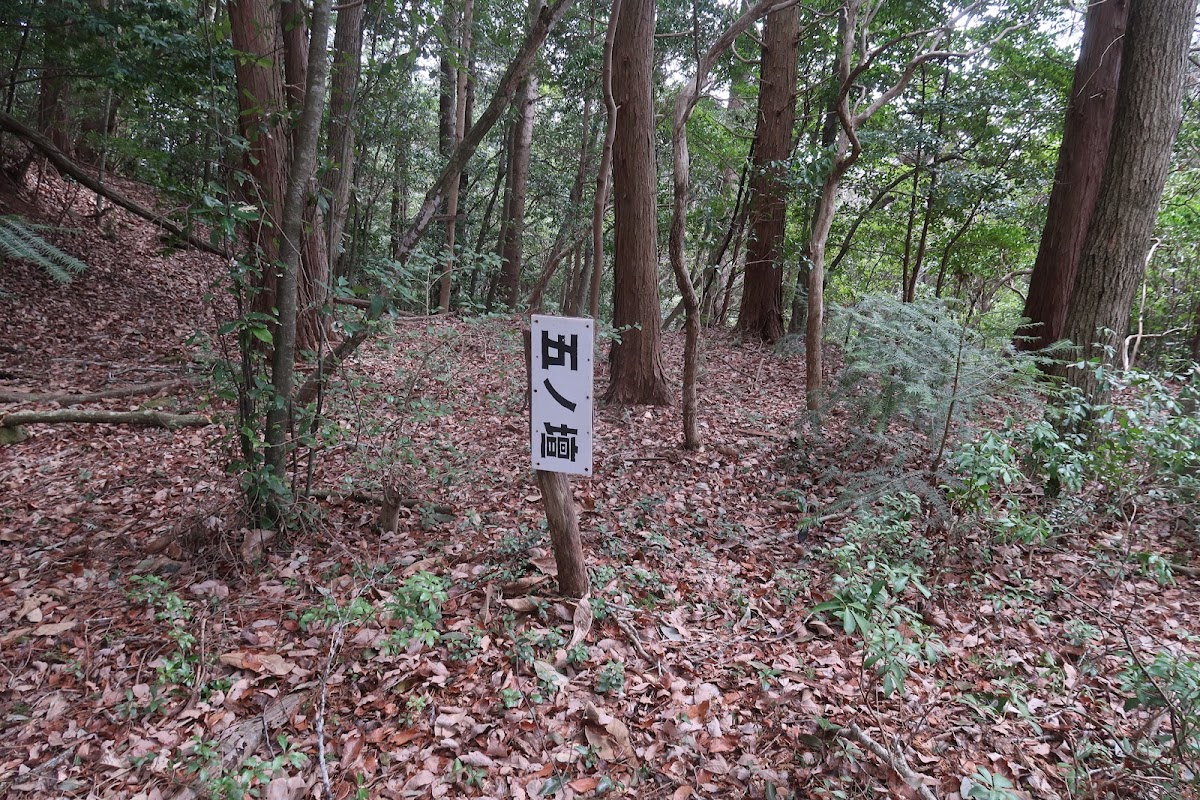
Enclosure Remains: Flat, leveled areas remain as traces of former enclosures.
Moat Remains: Moats that cut across ridges are often clearly identifiable remains even after several hundred years.
Earthwork Remains: Although lowered due to weathering, traces of earthworks may remain.
Stone Masonry: If stone masonry was used in some areas, traces may remain.
Preservation Status of Remains
Mountain castle remains, being located in remote mountainous areas, are less affected by development and are often preserved in relatively good condition. However, some remains are unclear due to natural weathering and overgrown vegetation.
In recent years, research and preservation activities by local history enthusiasts and researchers have been carried out, and the historical value of Kamoyama Castle is being re-evaluated.
Access to Kamoyama Castle
Location and Transportation
This section provides basic access information for visiting the Kamoyama Castle ruins. However, certain preparations and precautions are necessary when climbing the mountain castle.
Public Transportation: Take a bus or taxi from the nearest station to the trailhead.
Car: There may be parking spaces near the trailhead, but prior confirmation is recommended.
Climbing Route: You will need to climb the mountain path on foot. Allow approximately 30 minutes to 1 hour from the trailhead.
Precautions When Visiting
When visiting the mountain castle ruins, please note the following:
- Clothing and Equipment: Prepare comfortable clothing, hiking boots, drinking water, and a map.
- Weather Check: Avoid climbing the castle in rainy or bad weather.
- Avoid Solo Visits: Please try to visit in groups whenever possible.
- Protection of Historical Remains: Please refrain from damaging or taking away any historical remains.
- Checking Private Property: If the castle ruins are on private property, please obtain permission before entering.
- Caution Regarding Wild Animals: There is a possibility of encountering wild animals in the mountains.
Highlights of Kamoyama Castle
Experience Historical Romance
The greatest charm of Kamoyama Castle lies in its historical atmosphere, which conveys the spirit of the Sengoku period. While there are no flashy remains such as stone walls or a keep, you can experience the simple beauty of an earthen castle and the layout filled with the wisdom of the people of that time.
Enjoy the View
Many mountain castles are built in locations with good views, and it is possible to enjoy a panoramic view of the surrounding area from Kamoyama Castle. Enjoying the modern landscape while imagining the scenery seen by the castle lords of the Sengoku period is one of the great pleasures of visiting mountain castles. ### Harmony with Nature
The mountain castle ruins, gradually returning to nature over many years, form a unique space where history and nature harmonize. You can enjoy a leisurely stroll through the castle ruins while appreciating the seasonal plants and the songs of wild birds.
Nearby Historical Spots
Related Historical Sites in Okayama Prefecture
When visiting Kamoyama Castle, exploring the surrounding historical spots will allow you to gain a deeper understanding of the region’s history.
Okayama Castle: A famous castle representing Okayama, also known as “Crow Castle.” Built by Ukita Hideie.
Bitchu Matsuyama Castle: Famous as a mountain castle with an existing keep, it is designated as a National Important Cultural Property.
Tsuyama Castle: Once boasting a large castle complex, it is now a castle ruins park with beautifully preserved stone walls.
Local Historical Museums
Local historical museums and local history museums offer exhibits and materials related to the history of castles in the region, including Kamoyama Castle. Visiting this site before your main castle site will allow for a more fulfilling tour.
Research and Future of Kamoyama Castle
Current State of Historical Research
Due to limitations in historical sources, much remains unclear in the historical research surrounding Kamoyama Castle. However, recent advances in castle research are yielding new insights through archaeological excavations and layout surveys.
The diligent research activities of local historians and castle researchers are gradually revealing the history of Kamoyama Castle. Deciphering ancient documents and collecting local traditions are also important research methods.
Preservation and Utilization
The preservation and utilization of mountain castle ruins as cultural properties is a nationwide issue. Kamoyama Castle also requires appropriate management, balancing the protection of its remains with its use as a tourist resource.
It is hoped that local residents, government officials, and researchers will cooperate in activities such as cleaning the castle ruins, installing information boards, and conducting guided tours to pass on its value as a historical heritage to future generations.
Summary
Kamoyama Castle is a valuable mountain castle site that tells the story of the Sengoku period in Okayama Prefecture. While it lacks flashy stone walls or a keep, it possesses a simple charm as an earthen castle and is a valuable historical site that conveys the castle-building techniques of the time.
Visiting a mountain castle site is not merely sightseeing; it’s a dialogue with history and a precious experience of reflecting on the lives of our ancestors. With proper preparation and mindset, Kamoyama Castle becomes a wonderful spot where you can simultaneously enjoy the romance of the Sengoku period and the beauty of nature.
Kamoyama Castle plays a part in Okayama Prefecture’s rich castle culture. It may be our responsibility as modern people to share its history and charm with many people and pass it on to future generations.
When visiting the castle site, please treat the remains with care, respect the natural environment, and enjoy a precious time feeling the spirit of the Sengoku period.